
Why Are Fat Tire Electric Bikes Becoming So Popular? In recent years, fat tire electric bikes have become one of the fastest-growing segments in the e-bike market. Whether on city streets, beaches, gravel paths, or light off-road trails, you’re seeing more fat tire electric bikes than ever before. But are fat tires just about a more aggressive look? Or is there a real structural and riding difference? This guide will explain:
- What a fat tire electric bike is
- The key differences between fat tires and standard tires
- Whether they’re heavier or less efficient
- Who they’re best suited for
- Whether they’re worth choosing
- How much
What Is a Fat Tire Electric Bike?

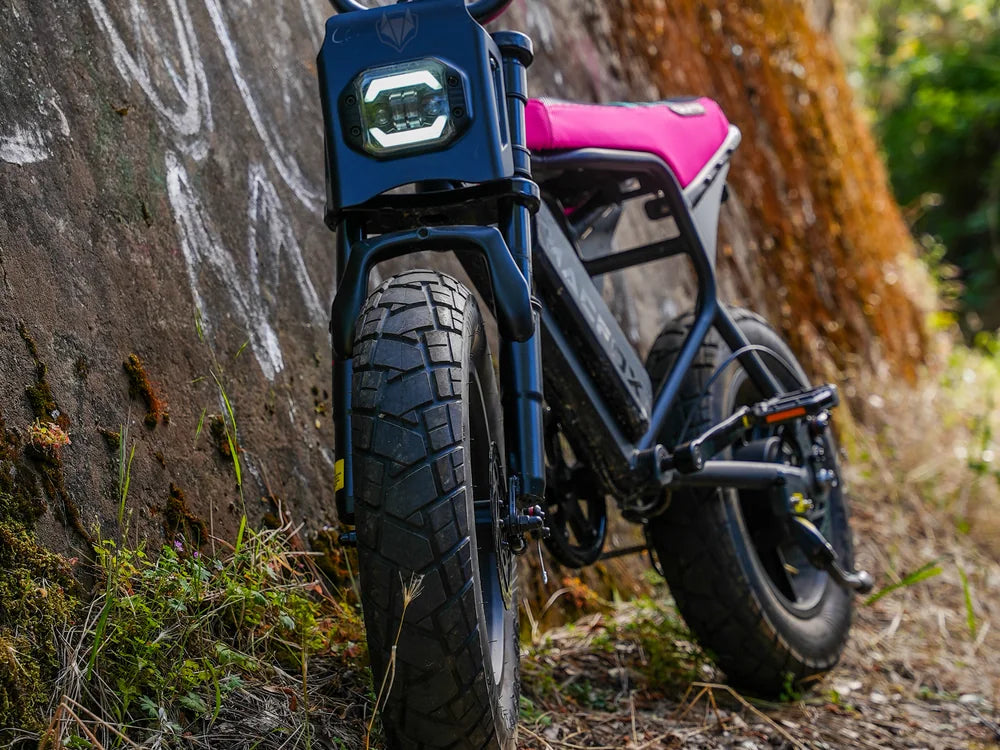
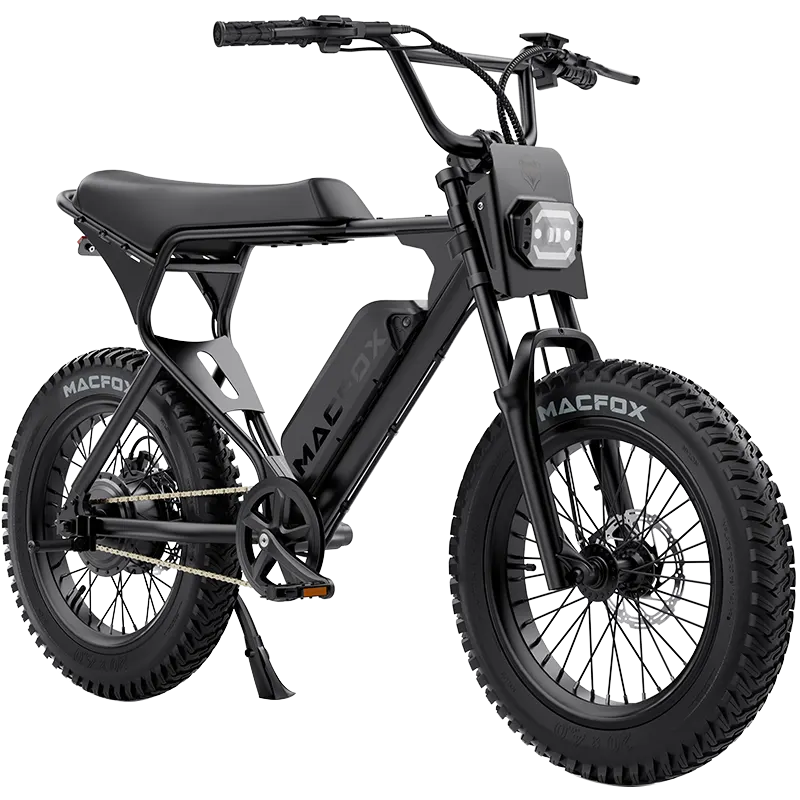
A fat tire electric bike typically refers to an electric bike equipped with tires that are 4.0 inches wide or larger. Compared to standard 2.0–2.4 inch tires, fat tires offer:
- A larger contact patch
- Stronger traction
- Better vibration absorption
Simple comparison:
| Type | Tire Width | Structural Characteristics |
| Standard Electric Bike | 2.0–2.4 inches | Lightweight, lower rolling resistance |
| Fat Tire Electric Bike | 4.0 inches and above | More stable, stronger shock absorption |
The real value of fat tires isn’t “bigger looks cooler” — it’s stability.
Key Differences Between Fat Tires and Standard Tires
The difference mainly comes down to three areas:
-
Stability
A larger contact patch means better grip, especially on wet pavement or loose gravel.
-
Comfort
Fat tires provide natural cushioning, reducing the impact of rough road surfaces.
-
Control
Cornering feels more planted. Landings are smoother. Overall rider confidence improves. There are trade-offs, however:
| Category | Standard Tire | Fat Tire |
| Acceleration Responsiveness | Quicker, more agile | Slightly more planted |
| Visual Style | Traditional | More aggressive, stronger presence |
| Road Vibration Filtering | Moderate | More comfortable |
Ultimately, the choice comes down to flexibility versus stability.
How Fat Tires Perform on Different Terrain
Many people think fat tires are only for sand or snow. In reality, they offer advantages in a wide range of environments.
| Terrain | Fat Tire Performance |
| City Streets | Stable, absorbs cracks and uneven surfaces |
| Gravel Roads | Stronger traction |
| Sand | Larger contact area, less likely to sink |
| Snow | Improved stability |
| Light Off-Road Trails | Increased rider confidence |
Fat tires aren’t limited to one specific terrain — they represent a more adaptable structural choice.
Are Fat Tire E-Bikes Less Efficient or Heavier?
This is a common question. In theory:
- Fat tires create slightly more rolling resistance
- The overall bike weight may be slightly higher
However, in real-world riding, the difference is usually minimal. Range is influenced more by:
- Battery capacity
- Riding mode
- Road conditions
- Wind resistance
—not tire width alone. In many cases, the added stability of fat tires actually reduces unnecessary braking and constant steering corrections, which can improve overall riding efficiency.
Who Should Choose a Fat Tire Electric Bike?
A fat tire e-bike may be a better fit if:
- Your routes vary in surface conditions
- You occasionally ride on gravel or light off-road paths
- You prioritize stability and comfort
- You want more confidence when cornering
- You’re taller or heavier and need stronger support
For younger riders especially, fat tires not only provide stability but also a stronger visual presence and style.
What Price Range Do Fat Tire Electric Bikes Typically Fall Into?
In the U.S. market, fat tire electric bikes generally fall within the following price ranges:
| Price Range | Structural Positioning | Best For |
| $900–$1,200 | Entry-level fat tire setup | Casual daily riding |
| $1,200–$1,800 | Stronger frame + upgraded braking system | Frequent riders |
| $1,800+ | Larger battery capacity or higher structural strength | Multi-terrain riding needs |
It’s important to understand that fat tire models typically cost slightly more than standard tire models — not because of the tires alone, but because of the overall structural upgrades involved, including:
- Stronger frame construction
- More robust wheel systems
- Upgraded braking components
- Optimization for added weight and balance
The price difference usually reflects structural investment and durability, not a simple component markup. If your budget is limited, an entry-level fat tire model may be sufficient for everyday riding. If you ride frequently or encounter varied terrain, investing in a more mature structural tier may provide better long-term value.
Macfox’s Design Philosophy for Fat Tire Models
In the Macfox lineup, fat tires are not an add-on — they’re a core structural element.
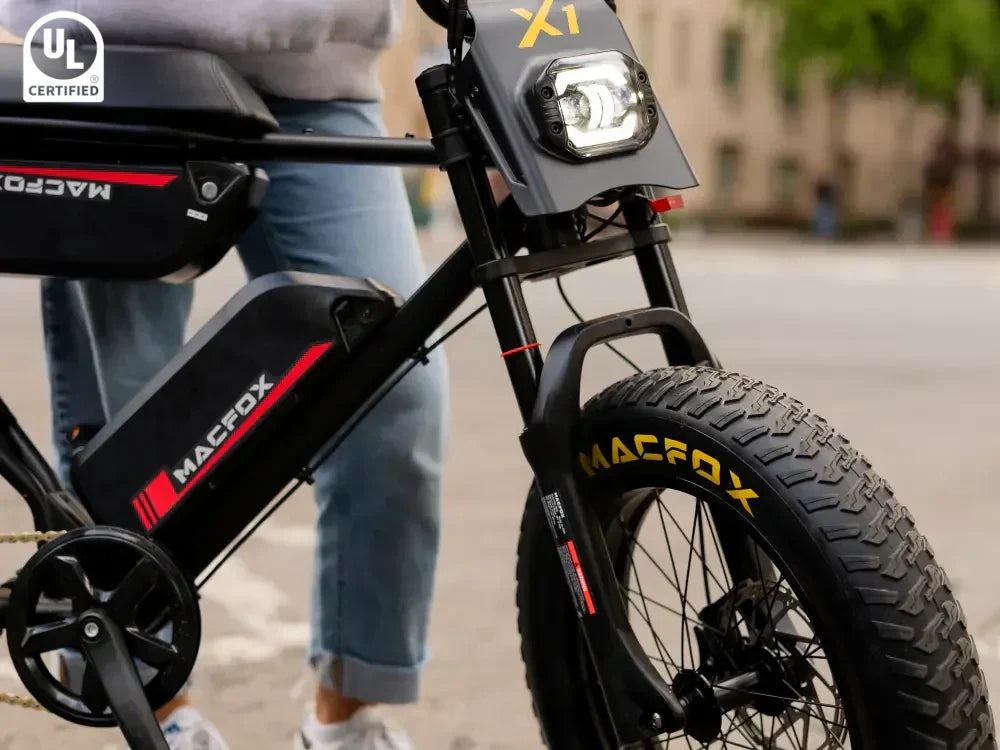
Macfox X1S
Features a 20×4.0 fat tire setup focused on balance and control. Provides stable riding in urban and mixed-surface environments. Hydraulic brakes enhance overall stopping confidence.
Macfox X7
Also built around a fat tire design, featuring a 20×4.5 front and 20×5.0 rear tire configuration for even greater stability and easier trick control. The frame structure and range capability are further reinforced, emphasizing long-term riding stability and comfort. Within the Macfox system, fat tires represent “stability first,” not just visual appeal.
Final Thoughts: Are Fat Tire Electric Bikes Worth It?
If you value:
- Greater stability
- A more comfortable ride
- Broader terrain adaptability
Then a fat tire electric bike is a rational choice. You may give up a bit of nimbleness, but you gain higher confidence and comfort. For younger riders especially, that balance often makes far more practical sense.