
If hills are the reason you are shopping for an electric bike, do not choose by wattage alone. The best hill-climbing setup depends on the grade of the hill, how often you have to restart on a slope, rider and cargo weight, motor behavior, battery voltage under load, tire traction, brakes, and the way you use gears and assist.
This page is a hill-focused buying and riding checklist. If you need a broader first-bike framework, start with the electric bike buyer's guide. Here, the goal is narrower: decide what makes an e-bike feel confident on real climbs without turning the page into a motor, battery, or speed encyclopedia.
Quick Answer: What Makes an E-Bike Good for Hills?
| Hill situation | What matters most | What to avoid |
|---|---|---|
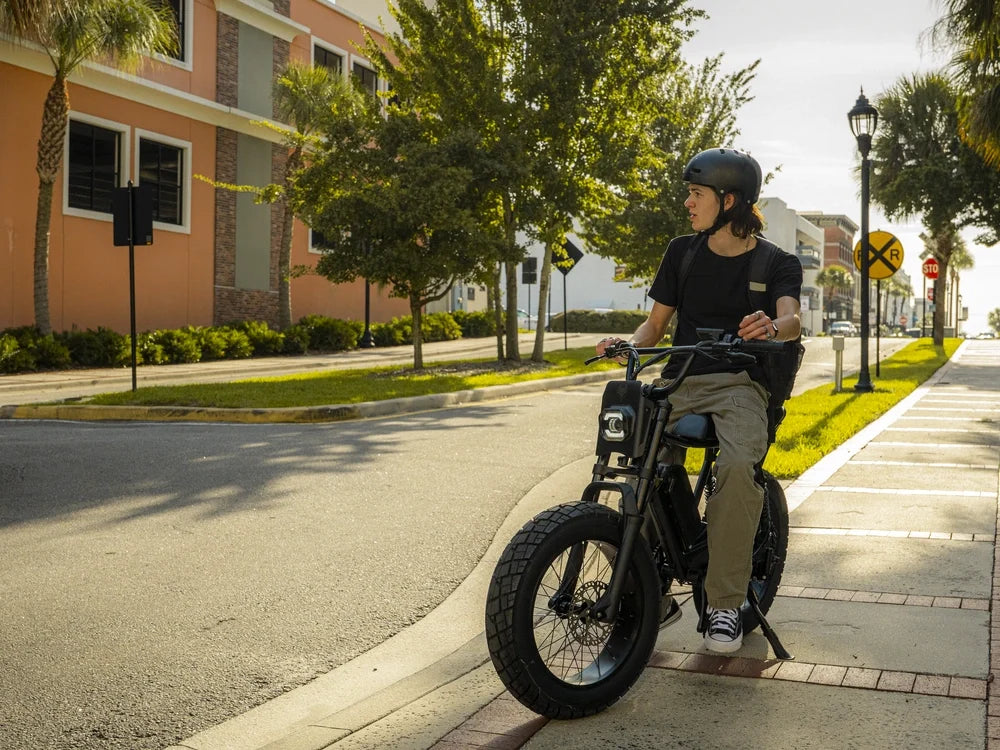
| Short city hills | Smooth assist, predictable braking, manageable weight, and a stable riding position. | Buying the heaviest bike only because it advertises more power. |
| Long steady climbs | Battery capacity, voltage stability, heat management, cadence, and a gear ratio you can sustain. | Using high assist from the bottom until the battery sags. |
| Steep stop-and-go streets | Low-speed torque, throttle or assist control where legal, and brakes that hold the bike confidently. | Starting in too high a gear or standing on the pedals with full assist. |
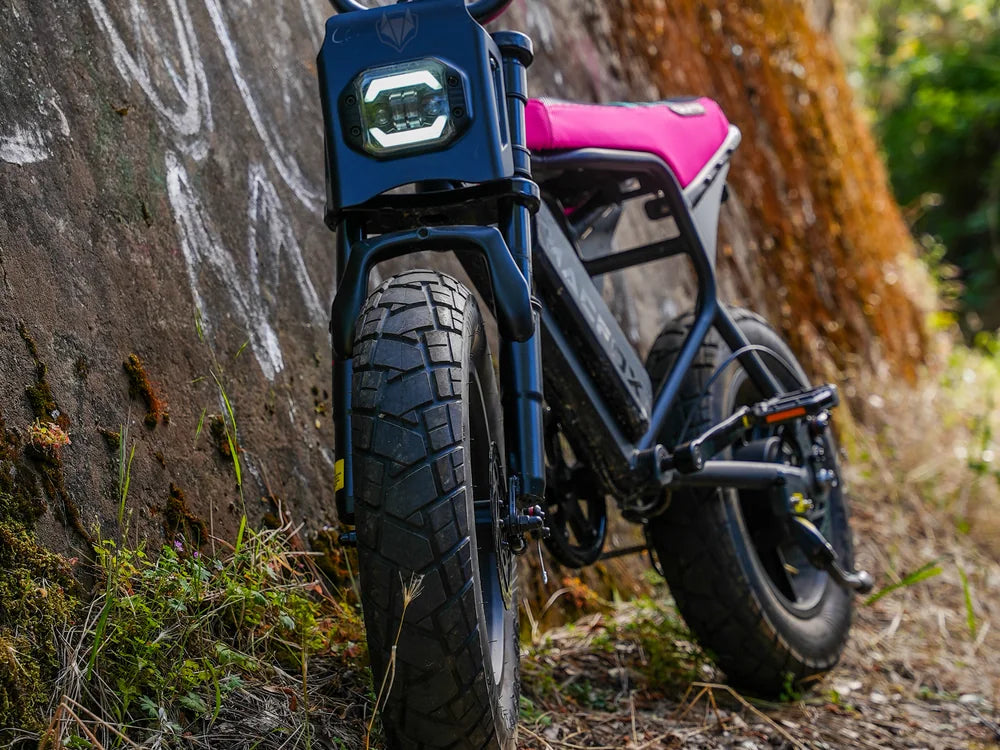
| Loose gravel or dirt hills | Tire contact patch, frame control, suspension, and traction more than top speed. | Overinflated tires and abrupt throttle inputs. |
A good hill bike does three things well: it starts without lurching, keeps climbing without overheating or draining the battery too fast, and comes back down with controlled braking. If one of those pieces is weak, the bike may still look powerful on paper but feel stressful on a real route.
Start With Hill Grade, Not Marketing Claims
A small hill in a neighborhood and a long climb outside town are different problems. Grade is the percentage rise over distance. A 5 percent grade feels manageable for many riders. A 10 percent grade can expose weak low-speed torque, poor gearing, or a battery that drops voltage under load. A short 12 percent ramp may be easier than a long 7 percent climb if you can carry momentum into it.
- Length: a longer climb heats the motor and drains the battery more than a short punchy hill.
- Starts: stop signs, traffic lights, and driveways make climbing harder because the bike must restart under load.
- Surface: loose gravel, wet pavement, potholes, sand, or leaves can matter as much as motor output.
- Total load: rider weight, backpack, child seat, delivery bag, or rear cargo all increase the work.
- Descent: a hill that is easy to climb can still be demanding if the downhill braking section is long or rough.
For a daily route with pavement and rolling grades, a commuter e-bike can make sense. For loose shoulders, broken pavement, dirt paths, or frequent wet conditions, a fat tire e-bike or a more trail-ready setup may be easier to control.

Motor, Torque, and Controller Feel
Motor wattage is useful, but it is not the whole hill story. Climbing is a low-speed load problem. That means torque, controller tuning, heat behavior, and how smoothly power arrives at the wheel can matter more than a large watt number used in isolation.
Use the e-bike torque guide when you want to understand Nm in detail. For this page, the practical rule is simpler: a hill bike should pull steadily at low speed without surging, stalling, or forcing you to pedal at an uncomfortable cadence. The hub vs mid-drive motor guide is the better place to compare motor architecture in depth; here, the question is whether the complete bike can handle your climb.
| Spec or behavior | Why it matters on hills |
|---|---|
| Low-speed torque | Helps the bike start and keep moving before speed builds. |
| Smooth power delivery | Reduces wheel spin, chain shock, and jerky starts on steep streets. |
| Controller limits | Protects the system from overheating, but may reduce power during long climbs. |
| Motor placement | Affects balance, drivetrain use, and climbing feel, especially on mixed terrain. |
| Cooling and load duration | Matters on longer grades where short peak power is less useful than sustained output. |
Battery Voltage and Range Under Climbing Load
Hill range is usually shorter than flat-road range. The motor draws more current, the battery works harder, and repeated climbs can make the remaining charge drop faster than expected. If your route includes a climb in both directions, leave a bigger battery margin than you would on flat pavement.
The 36V vs 48V battery guide explains voltage choices in more detail. For hill shopping, focus on the whole system: battery capacity, controller behavior, motor efficiency, tire rolling resistance, rider weight, temperature, and how much assist you actually use. A bike that feels strong at 90 percent charge may feel different late in the ride if the climb comes after the battery is already low.
- Do not plan around perfect range. Use a conservative estimate if hills, cold weather, or cargo are normal for you.
- Avoid full-throttle climbing for the entire hill. Mix assist and steady pedaling when possible.
- Watch repeated climbs. Three moderate hills can demand more from the battery than one short steep ramp.
- Charge with your next climb in mind. Starting a hilly ride with a low battery is different from starting a flat errand.
Gears, Assist, and Riding Technique
Even a strong motor works better when the rider helps it stay in an efficient range. Shift before the hill, not after you are already grinding. Use a lower gear, keep a steady cadence, and raise assist gradually. If the bike has a throttle and local rules allow using it, apply it smoothly rather than stabbing it at the steepest point.
The e-bike gears guide is useful if you are comparing single-speed and multi-speed setups. For hill riding, the main point is control: a lower gear helps you keep the motor and your legs from fighting the climb. On a steep start, sit down, keep your weight balanced, look ahead, and let the bike build speed before asking for more power.
| Rider habit | Hill result |
|---|---|
| Shift before the grade starts | Less strain on the chain, motor, and legs. |
| Keep a steady cadence | Better efficiency and less stalling on long climbs. |
| Lower assist briefly before shifting | Smoother drivetrain engagement. |
| Avoid abrupt throttle on loose ground | Less wheel spin and better control. |
| Stay seated on very steep starts | More rear-wheel traction and cleaner acceleration. |
Tires, Brakes, and Suspension Matter on the Way Down
A hill page should not only talk about climbing. Descending is where weak brakes, poor tire contact, and unstable handling become obvious. If your route includes steep downhill sections, look at braking control as seriously as motor output.
Wider tires can help on broken pavement and loose surfaces, but they also add rolling resistance. The fat tire pros and cons guide gives the wider tradeoff. For rougher routes, an fat tire electric bike with appropriate tires and controlled suspension can feel more stable than a light bike pushed beyond its intended surface.
Brake type also matters. Use the hydraulic vs mechanical brake guide if you are comparing systems, and the e-bike suspension guide if bumps, roots, curbs, or rutted paths are part of your hill route. The right setup should help you slow down predictably, not just climb fast.

Which Macfox E-Bike Fits Which Hill Scenario?
There is no single best hill e-bike for every rider. A short city grade, a campus commute, a gravel hill, and a rough trail ask for different handling and comfort. Use your normal route first, then match the bike to that route.
| Scenario | Macfox fit | Why it fits |
|---|---|---|
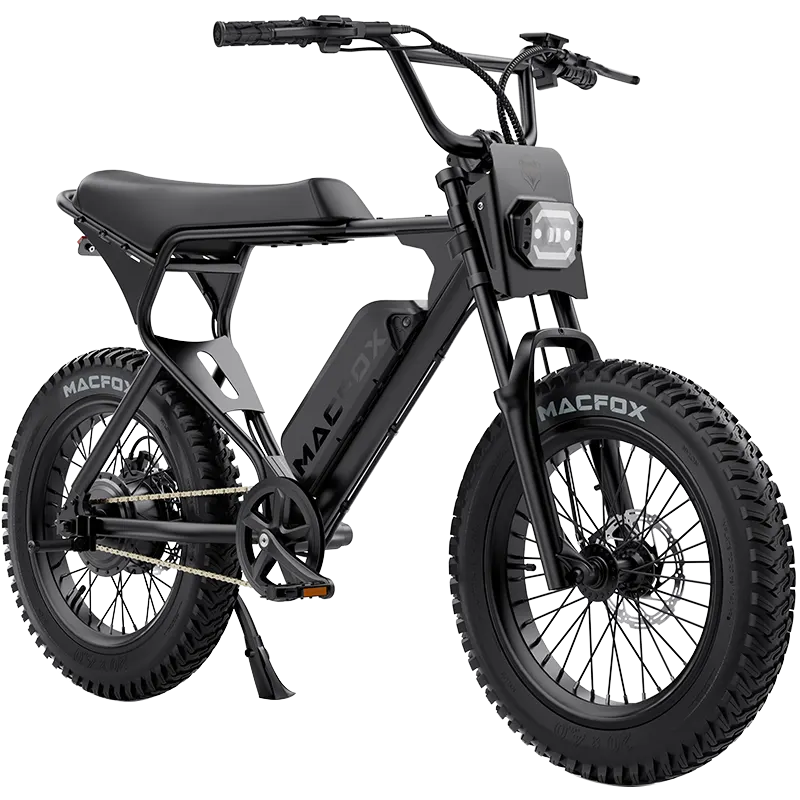
| City errands and moderate neighborhood hills | Macfox X1S e-bike | Best when the route is mostly paved and the priority is simple daily riding rather than rough terrain. |
| Mixed pavement, uneven streets, and comfort-focused climbing | Macfox X7 e-bike | A better match when tire stability and a planted ride matter on rougher city edges or mixed surfaces. |
| Steeper, looser, or more recreational hill routes | Macfox X2 e-bike | The stronger choice when the ride includes off-road sections, rough terrain, or repeated climbs beyond a simple commute. |
Do not choose the most aggressive option only because it sounds stronger. Choose the bike you can control comfortably on both the climb and the descent. If most of your route is flat with one mild hill, comfort, fit, and daily usability may matter more than maximum off-road capability.
Common Hill-Buying Mistakes
- Only comparing wattage. Wattage does not tell you traction, battery margin, controller behavior, or braking quality.
- Ignoring the return trip. A descent on the way out can become a climb on the way home.
- Choosing tires for looks. Tire width should match surface and comfort needs, not just style.
- Forgetting rider and cargo weight. A backpack, groceries, or passenger load can change hill feel quickly.
- Testing only on flat roads. If hills matter, test or evaluate the bike against a route that actually climbs.
- Assuming throttle solves every hill. Smooth control, legal use, battery load, and traction still matter.
FAQ
Can an e-bike climb steep hills?
Yes, many e-bikes can climb steep hills, but the result depends on grade, rider weight, motor behavior, torque, battery charge, gearing, tire grip, and surface. A short steep hill is different from a long climb that heats the motor and drains the battery.
Is 500W enough for hills?
It can be enough for moderate hills when the bike is geared well, the load is reasonable, and the climb is not too long. For repeated steep climbs, rough surfaces, or heavier loads, look beyond the watt number and compare torque feel, battery margin, brakes, and traction.
Are fat tires better for hills?
Fat tires can help with stability and grip on loose, wet, sandy, or rough surfaces. On smooth pavement, they can add rolling resistance. They are useful when traction and comfort matter more than the lightest possible setup.
Should I use throttle or pedal assist on hills?
Use the control mode that is legal and comfortable where you ride. Pedal assist is usually smoother for longer climbs because you can keep cadence steady. Throttle can help with starts, but abrupt throttle on steep or loose ground can reduce traction.
How do I avoid overheating or draining the battery on hills?
Shift early, keep cadence steady, avoid full-power climbing for the entire hill, and leave a larger battery margin for hilly routes. If performance drops during a long climb, ease off and let the system recover instead of forcing more load.
Bottom Line
The best e-bike for hills is the one that matches your actual grade, surface, load, and riding style. Look for steady low-speed pull, realistic battery margin, useful gearing, predictable braking, and tires that match the ground under you. For city hills, mixed terrain, and rougher climbing routes, compare the Macfox options by the route you ride most often, not by a single spec in isolation.