
How to choose the best electric bike for commuting in 2026 depends largely on how and where you ride.
Some riders prefer a lightweight, easy-to-handle bike for short city trips, while others need more range and support for longer or more demanding routes.
A good commuter eBike today is not defined by a single spec like speed or battery size. What really matters is how well the bike fits your daily routine, including your route conditions, distance, and comfort preferences.
That is why choosing the right model is less about comparing numbers, and more about understanding what kind of riding experience you actually need.
Key Features of the Best Electric Bikes for Commuting

Motor Power: 250W–500W
-
When choosing motor power, the first consideration is road legality. In most U.S. states and cities, commuter eBikes are legally limited to 250–500W. This range provides sufficient assistance for flat roads and mild hills while remaining compliant with federal and state regulations, such as Class 1 and Class 2 eBike standards.
-
A 250W motor can easily handle flat terrain and gentle slopes, while a 500W motor is better suited for inclines over 8–10%, providing smoother acceleration and more responsive performance.
Battery Capacity: 400–600Wh
It’s important to note that bigger isn’t always better—larger batteries add extra weight, which can affect handling and portability. For most city commuters traveling 5–15 miles one way (10–30 miles round trip), a 400–600Wh battery is sufficient. This capacity typically provides 30–60 miles of range on medium assistance mode while keeping the total bike weight around 20–25 kg.
Low- or Mid-Step Frame for Easy Mounting
A low- or mid-step frame removes obstacles across the top tube, making it easier to mount and dismount—especially convenient for office workers in skirts or suits. For students, these frames also promote a more upright or slightly forward-leaning riding posture, improving visibility and focus while riding.
Certified Safety Standards
Frequent use on city streets, campuses, or urban paths puts the motor, battery, and control system under continuous load. If the electrical system or battery quality is substandard, risks include short circuits, overheating, fire, or unexpected power loss. Electric bikes that pass reputable safety certifications (like UL 2272 / UL 2849) have their motor, battery, and overall electrical system rigorously tested, ensuring safe operation during normal use, charging, and extreme conditions.
Additionally, some U.S. states and cities mandate that electric bikes sold or rented locally meet recognized safety standards—for example, California and New York require approved electrical systems and batteries for ebikes on the road.
Practical Commuting Accessories
One of the biggest differences between commuter eBikes and other types is accessory practicality. Fenders, integrated lights, racks, and baskets directly improve commuting efficiency and safety. Pay particular attention to front and rear lights: the front should provide at least 200 lumens, and the rear should be visible from over 200 meters, ideally supporting long battery life or drawing power from the main battery to ensure visibility throughout the ride.
How to Choose the Best Commuter Electric Bike
Choosing the best electric bike for commuting is not about picking the most powerful or expensive model.
Instead, the right commuter electric bike depends on matching the bike’s design to your daily riding conditions. Riders with short urban routes benefit from lightweight and compact designs, while longer commutes require higher battery capacity and more consistent motor support.
Understanding this alignment is what separates a good electric bike for commuting from one that feels inconvenient over time.
Below is a quick breakdown of how different types of electric bikes for commuting match specific riding scenarios:
| Commuting Scenario | Route Characteristics | Key Considerations | Why It Matters |
|---|---|---|---|
| Short Urban Commute (≤5 miles) | Mostly flat, frequent traffic lights, minimal slopes | Low‑to‑medium motor power (250–500W), lightweight frame around 25 kg, compact or foldable frame | Short trips don’t require high power or large batteries; a lightweight frame makes frequent mounting and dismounting easier |
| Medium Distance Commute (5–15 miles) | Mostly flat with occasional hills | Medium motor power, 400–600Wh battery, racks and fenders, integrated lights, upright riding posture | Longer trips need reliable range; moderate power handles occasional hills; racks are convenient for backpacks or items; upright posture improves comfort |
| Long Distance Commute (15–25 miles) | Possible hills and high‑speed sections | Front suspension, 600Wh+ long‑range battery, comfortable frame, full lighting, smart lock | Long rides demand stronger motor and battery; comfortable frame reduces fatigue; full lighting and smart lock ensure safety and smooth commuting |
| Student Campus Commute | Campus paths, frequent intersections | Low‑step frame, upright riding posture, lightweight, quick mounting/dismounting, lights, stable fat tires | Students mount/dismount frequently; low‑step frame allows safe, fast mounting; upright posture improves visibility |
| Mixed Urban/Suburban Commute | Combination of flat roads and gravel/light off‑road | Front or full suspension, 4‑inch+ fat tires, 400–600Wh battery, fenders, racks, lights, sturdy frame | Mixed terrain requires suspension for comfort and power; fenders and racks improve convenience; sturdy frame enhances control and safety |
2026 Top Commuter Electric Bike Recommendations
Macfox X7 — Best Fat Tire Commuter eBike for Mixed Terrain
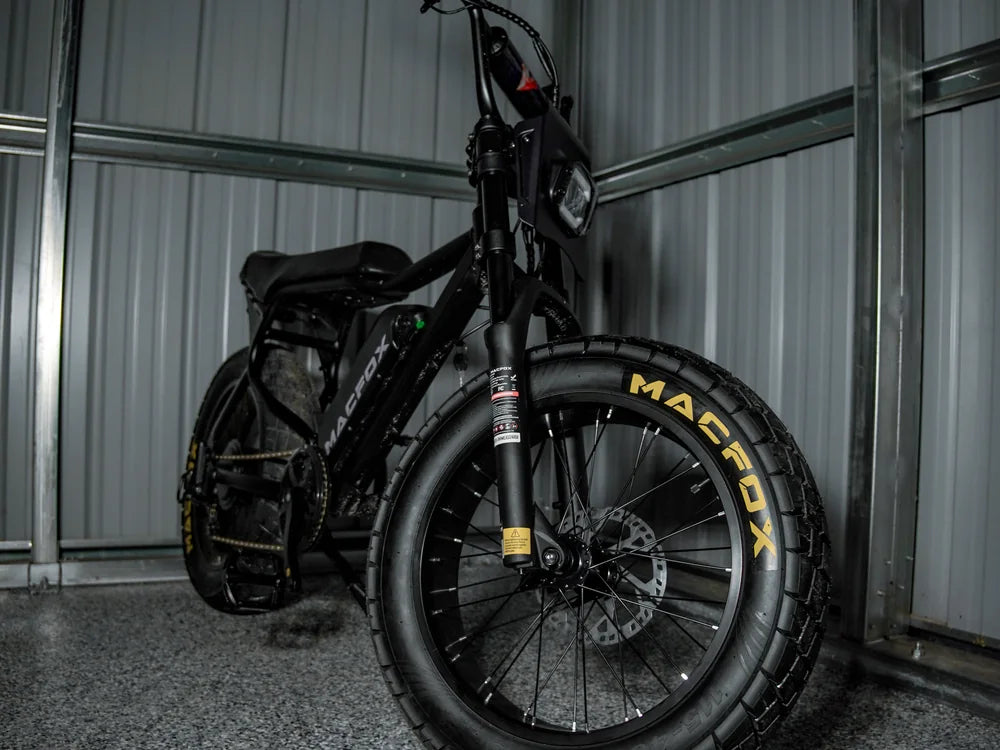
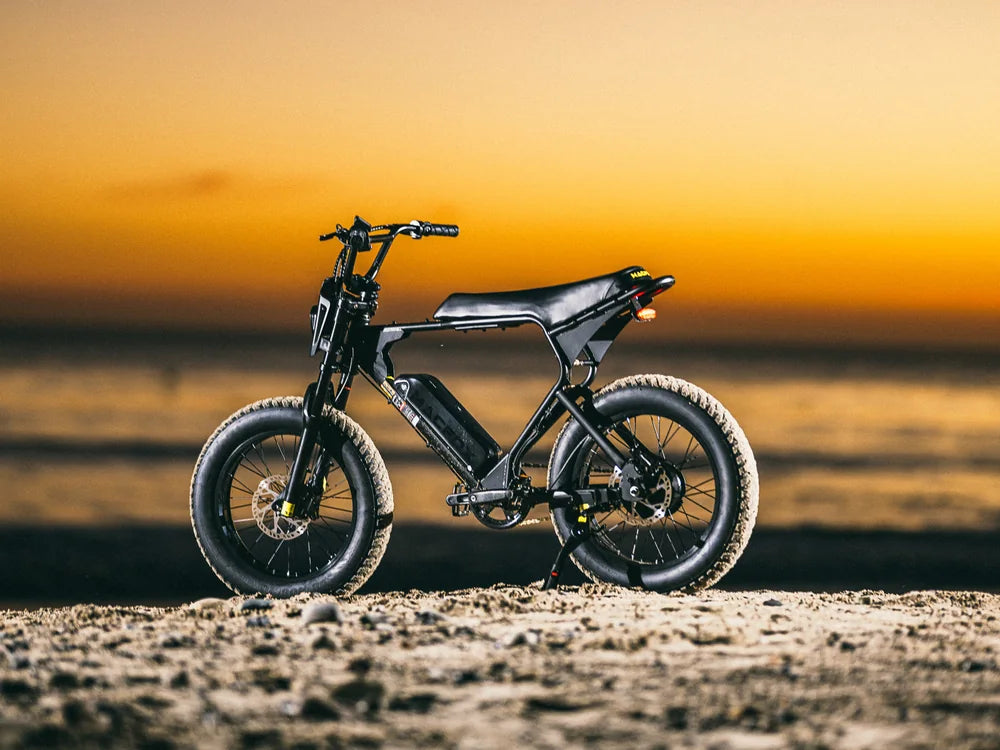
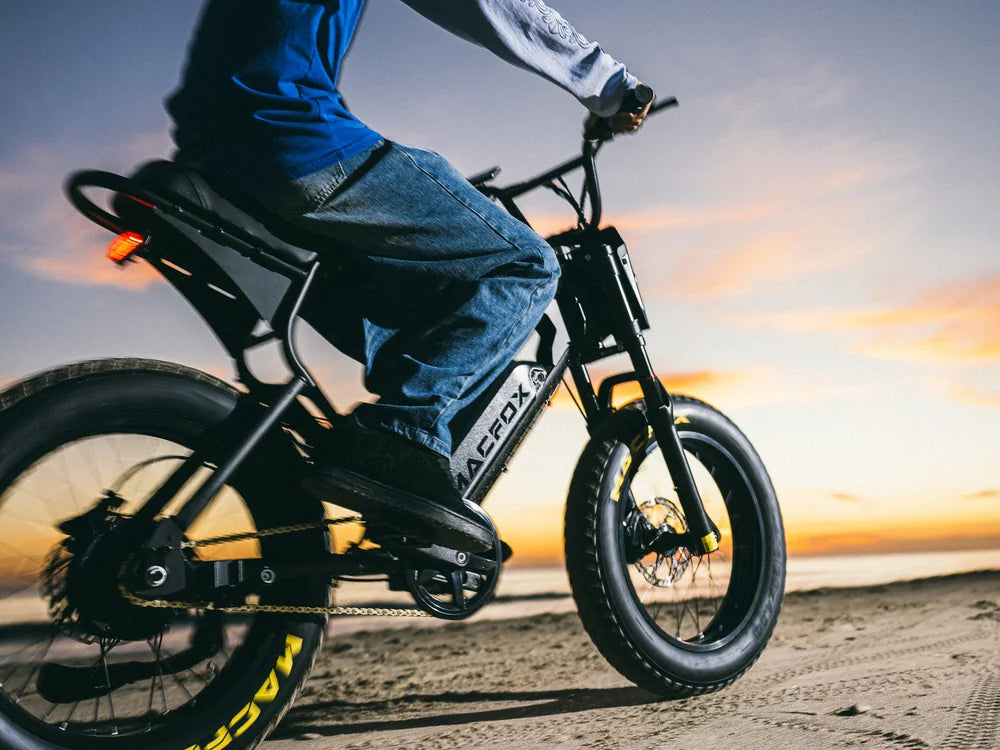
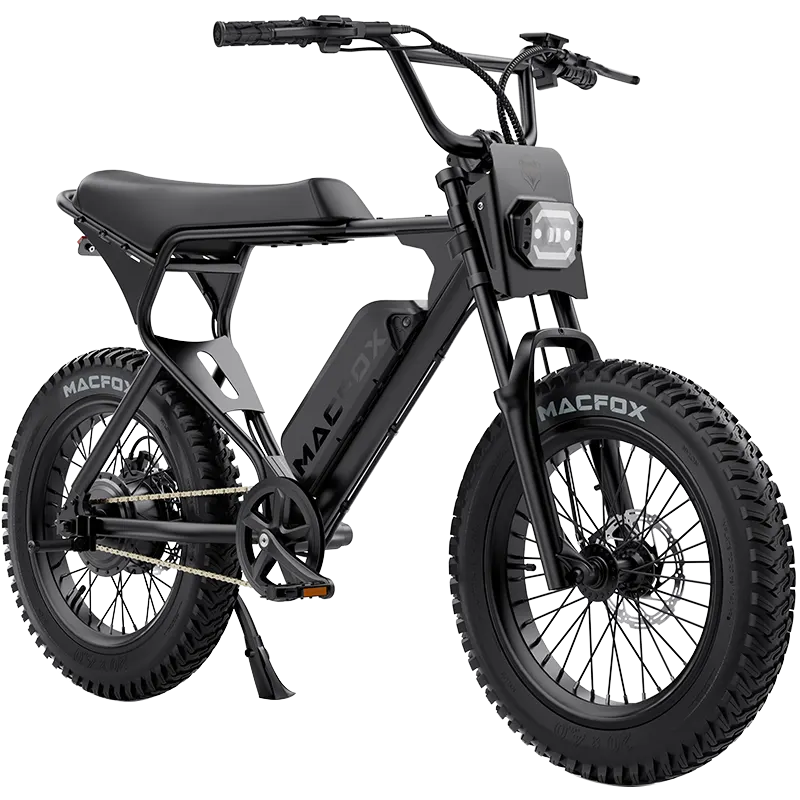
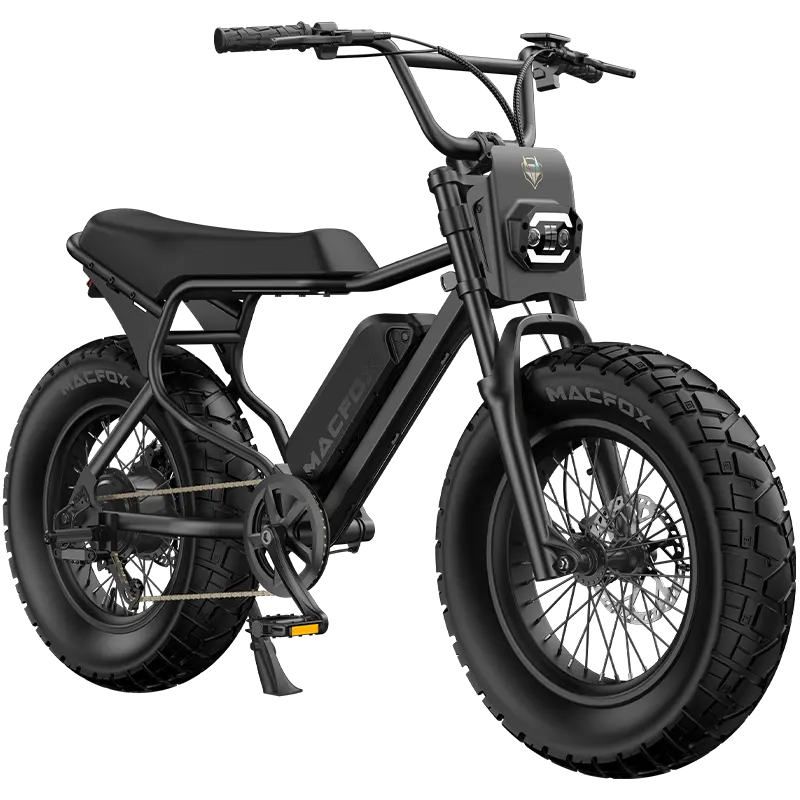
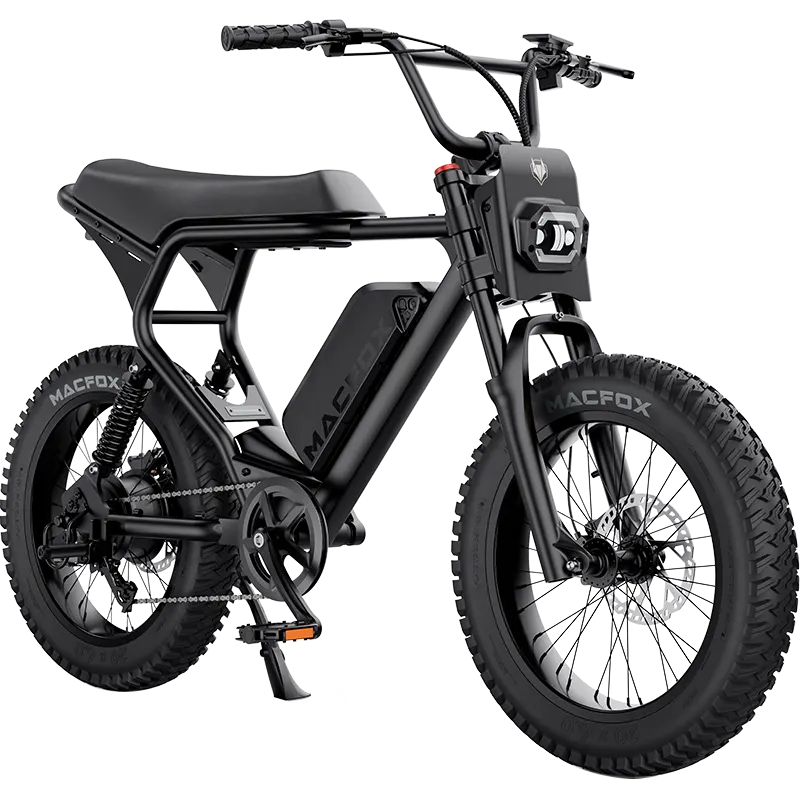
The Macfox X7 is a fat tire commuter eBike built for mixed urban conditions. With wide tires and a stable frame, it handles rough roads, curbs, and uneven pavement more confidently than standard commuter bikes.
It features a 500W motor (750W peak) with a top speed of 20 mph, providing smooth and controlled power for daily riding. The 624Wh battery delivers a range of 35–70 miles, suitable for regular commuting and longer trips.
Features
-
500W motor (750W peak)
-
Top speed up to 20 mph (Class 2)
-
624Wh battery, 35–70 miles range
-
20×4.5 / 20×5.0 fat tires
-
Front suspension
-
Heavy-duty frame for improved stability
Macfox M16 — Best Compact Commuter eBike for Urban and Campus Riding
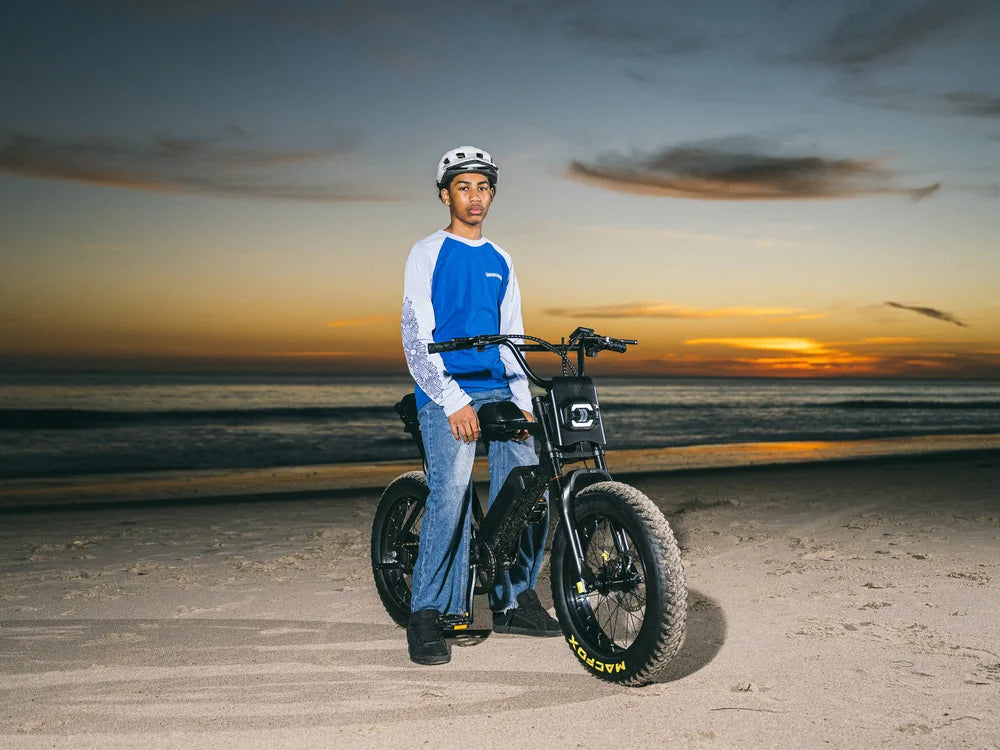
The Macfox M16 is a compact commuter eBike designed for short-distance riding in urban and campus environments. Its low-step frame and smaller size make it easier to control, park, and use in crowded spaces.
It features a 500W motor with a top speed of 20 mph, delivering smooth and manageable power for daily use. The battery supports around 28 miles of range, making it suitable for short commutes and everyday rides.
Features
-
500W motor
-
Top speed up to 20 mph (Class 2)
-
Up to 28 miles range
-
16×4.0 fat tires for stable traction
-
Front suspension for smoother riding
-
Low-step compact frame for easy mounting
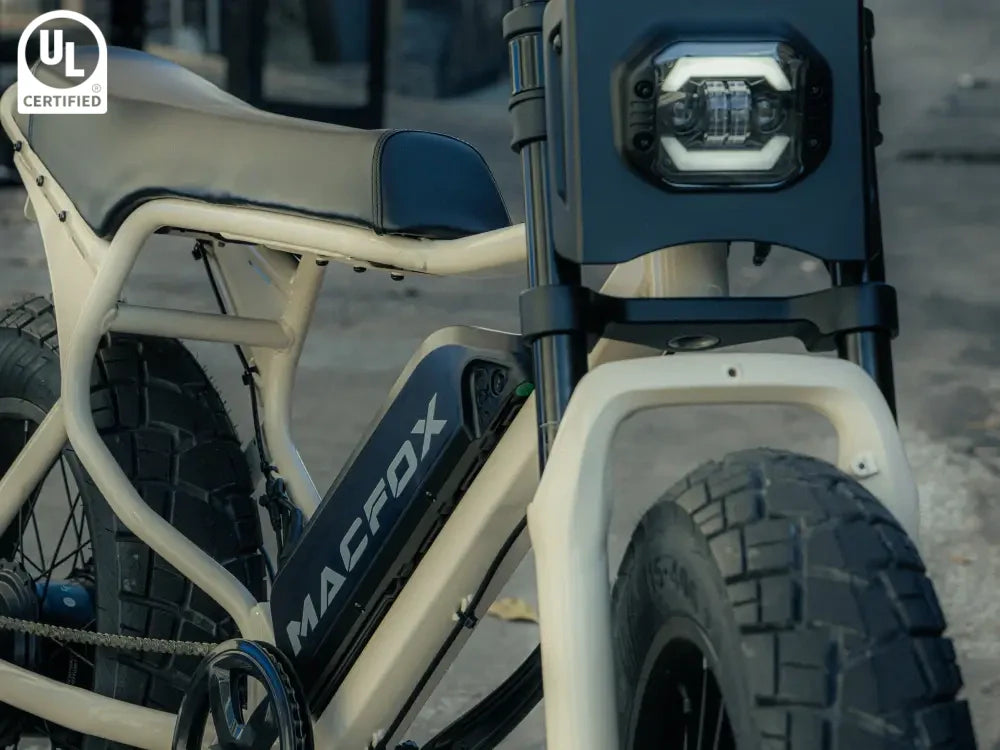
Tips: All Macfox eBikes have UL‑certified electrical systems for safe, reliable riding.
Conclusion
Whether you are an office worker, student, or part of a family, understanding your commuting route and daily needs allows you to select an eBike that meets safety standards and comes equipped with practical accessories. Doing so makes your commute more efficient, safer, and more comfortable, turning every ride into a relaxed and enjoyable experience.