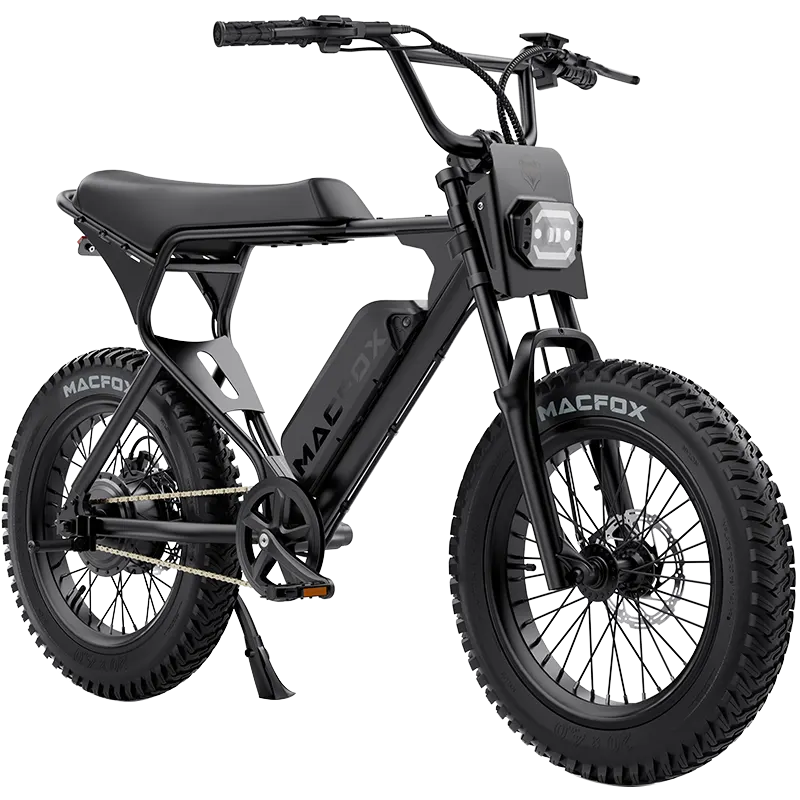


Florida has become a hot destination for e-bike riders as well. The mild climate, vast and largely flat terrain and gorgeous scenery make it ideal for eco-friendly cycling. Whether you live here or are just visiting, the laws that govern ebikes in Florida play a big part in defining how you should ride yours.
In Florida’s this e-bike guide, laws we starting will from cover the all e-bike that classification, you where need you to can know use about it, and the helmet rules that you have to follow. If you are thinking about purchasing an e-bike or you already have one, it is important to know the legal requirements to avoid violating the law.
What is an E-Bike?
An electric bike or an e-bike is a regular bike that has an electric motor to help the cyclist pedal. The motor assists the pedals, either in pedalling assist mode or in the throttle mode, or in some models, it provides full throttle assistance depending on the e-bike class.
E-bikes Florida, are these divided classifications into help three to main determine categories where in and how the E-bikes can be used. To avoid violation of the provisions of the law in this regard, the following are the considerations that are important to make.
Florida E-Bike Classifications

This is the third edition of the Florida Statutes, which have put in place the three-class system for e-bikes similar to many other states. Here’s a breakdown:
-
Class 1: Only pedal-assist. The motor assists pedaling and it stops when the rider reaches 20mph. No throttle, only pedal assist.
-
Class 2: Throttle-assisted. These e-bikes can also achieve a maximum speed of twenty miles per hour and they have a throttle that helps in riding the bike even when the rider is not pedalling.
-
Class 3: Pedal-assist only but these bikes can achieve a speed of 28mph. Class 3 bikes are required to have a speedometer that depicts the the rider speed in of a very clear manner.
All the e-bikes in Florida must have a motor with a maximum of 750 watts or 1 horsepower. If the motor is more powerful, the e-bike may be considered as a moped or a scooter and that means different rules apply.
Where can I use my E-Bike in Florida?
When it comes to where you can ride your e-bike, the general rule is that Class 1 and Class 2 e-bikes are allowed on bike paths and lanes throughout Florida. However, Class 3 e-bikes are subject to more specific rules.
Currently, Florida law does not impose stricter regulations on Class 3 electric bicycles compared to Class 1 or Class 2. Class 3 e-bikes can also ride on bike paths, but this depends on local regulations. Some cities or counties may restrict Class 3 bikes from certain paths due to their higher speed potential.
Quick Reference Table
| Location | Default Allowed | Subject to Local Restrictions? |
|---|---|---|
| Streets / Roads / Sidewalks | ✅ Yes | ⚠ May be regulated by local ordinances |
| Bike Lanes / Multi-Use Paths / Trails | ⚠ Depends on local rules | ✔ Can be restricted or prohibited by local authorities |
| Beaches / Dunes | ⚠ Depends on local rules | ✔ Can be restricted or prohibited by local authorities |
First, it’s important to note that electric bicycles and their riders enjoy the same rights and are subject to the same duties as conventional bicycles and their riders, and legally, an electric bicycle is considered a vehicle.
1. Streets, Roads, Sidewalks, and Sidewalk Areas
By default, electric bicycles may be operated in these areas and enjoy the same rights as standard bicycles.
Local governments, under §316.008, may enact ordinances regulating the operation of electric bicycles on streets, roads, sidewalks, and sidewalk areas within their jurisdiction.
2. Bike Lanes, Multi-Use Paths, and Trail Networks
Municipal, county, or state agencies with jurisdiction over these routes may restrict or prohibit the operation of electric bicycles on bike lanes, multi-use paths, or trails.
3.Beaches and Dunes
Municipal, county, or state agencies have jurisdiction over areas defined as beaches ( §161.54(3)) and dunes (§161.54(4)), and may enact local ordinances limiting or prohibiting electric bicycle use in these areas.
According to the Florida Statutes:
-
Beaches (§161.54(3)) are sandy shore areas adjacent to a body of water, including the intertidal zone affected by high and low tides, typically open for public recreation.
-
Dunes (§161.54(4)) are naturally formed mounds or ridges of sand created by wind or water deposition, commonly found behind beaches or along coastal areas.
Tip: Before heading out on your e-bike, especially in urban areas, verify the rules in your municipality. A simple search or a call to your local DMV can save you from potential fines or confusion.
Related Articles: Top Scenic Bike Trails in Florida You Can’t Miss!
E-Bike Helmet Laws in Florida

This law requires that any person below the age of 16 should wear a helmet whether he or she is using any of the Class of e-bikes. In particular, we are not required to wear a helmet when using Class 1 and Class 2 e-bikes if we are at least 16 years of age and it is recommended that one should wear it to protect their head.
However, it became mandatory for everyone including the young riders to wear a helmet when using Class 3 e-bike irrespective of the age. This law is because the Class 3 bikes are capable of reaching higher speeds of up to 28mph as compared to the others making them more hazardous.
What changes are coming to Florida e‑bike laws in 2026
As of 2026, Florida Senate Bill SB 382 has been unanimously passed by both the Senate and the House and is currently awaiting the governor’s signature. Once signed, the bill will become law, and its provisions regarding e‑bike safety, slow speeds on pathways, pedestrian right-of-way, accident data tracking, and the establishment of a safety task force will take effect. The exact effective date will be determined by the official signed text.
1. New Right-of-Way Safety Requirements
-
When riding on shared pathways, e‑bike riders must yield to pedestrians and give a clear audible signal (such as a bell or horn) before passing.
-
On sidewalks or other designated pedestrian areas, if a pedestrian is within 50 feet, e‑bike speed must not exceed 10 mph.
-
Violations are considered non-criminal traffic infractions and may be subject to fines.
2. Creation of an Electric Bicycle Safety Task Force
-
SB 382 proposes establishing a Safety Task Force, supported by the Florida Department of Highway Safety and Motor Vehicles (DHSMV), responsible for:
-
Reviewing existing e‑bike regulations
-
Recommending safety improvements
-
Submitting a report to the governor and legislative leadership by October 1, 2026, after which the task force will be dissolved
-
3. Prohibition on Unauthorized Modifications
-
The bill maintains existing restrictions prohibiting modifications that increase an e‑bike’s speed or motor power.
-
Such modifications remain illegal and subject to penalties.
Summary
For riders, the key changes mean:
-
Stricter rules on shared pathways and trails
-
Clearer speed limits and pedestrian right-of-way requirements
-
More rigorous accident reporting
-
Continued prohibition on illegal performance modifications
In short, e‑bike riders will need to pay closer attention to speed control, yield to pedestrians, and comply with local regulations during everyday use.
Local Ordinances and Regulations
Although there are some state laws regarding the use of e-bikes, local governments are allowed to make their own rules. This means that in some cases, the rules may be different and you may be prohibited from riding an e-bicycle or you may be required to wear a helmet when doing so.
For example:
In Miami, there could be some restrictions on using e-bikes in busy parts of downtown that one may not find in other areas, such as Orlando, where there are special bike paths for electric bicycles.
Some of the cities in Orlando have bike paths that are exclusive for electric bicycles while others allow the use of traditional bicycles and e-bikes.
Pro Tip: If you are using e-bikes within Florida it is advisable to always check on the local laws for more rules. It is always advisable to call your local DMV or city hall to know if you are allowed to use the e-bikes without being fined.
Additional Tips for Safe E-Biking
Here are a few extra tips that will help you have a smooth and safe ride on your e-bike to ensure you have a great time on the road.
-
Wear a Helmet: Although it is not compulsory, in my opinion, everyone should wear a helmet as it lowers the risk of getting a head injury. Research has pointed chances out that getting the helmet brain decreases injury to 50% and below.
-
Use Lights and Reflectors: If you are using your bike at night or under low light conditions ensure that you have a front headlight and rear reflector. This way, the other motorists will be able to see you and you will also be easily discerned on the road.
-
Wear Appropriate Clothing: Do not wear light and flexible clothing such as shirts, which can be wheels. Caught Choose clothes that the bike’s gears comfortable or spokes allow you to move freely without any restrictions and in a safe manner.
-
Maintain Your Bike: Ensure that your e-bike is in a good condition at all times. This is because proper maintenance checks on the brakes and tires can help prevent accidents and at the same time, extend the lifespan of your bike.
Where Can You Get More Information?
If you want to know more about Florida electric bike laws and guidelines, then check out these links:
To learn more about cycling, general safety, or the laws that apply to biking in your area, turn to the Florida Bicycle Association.
The article was last updated on March 18, 2026.
Want to see a Macfox in person? Visit a Macfox e-bike dealer in Florida, with locations in South Florida and the Gulf Coast.
FAQs
Do I need a license to ride an e-bike in Florida?
No, one is not required to have a driver’s license to operate an e-bike in Florida. However, every rider must abide by the traffic rules of the road as well as other local laws.
Can I ride my e-bike on sidewalks in Florida?
It depends on the city or county. Some localities permit the use of e-bikes on the sidewalks, while others do not. Make sure you check your local laws to determine the legalities.
What is the speed limit for e-bikes in Florida?
The speed limit is different for each type of e-bike that is allowed in Florida. Class 1 and 2 e-bikes cannot exceed 20 miles per hour while Class 3 e-bikes can reach a speed of 28 miles per hour.
Do I need to wear a helmet?
Yes if you are below 16 years of age. If you are 16 or older and you are using a Class 3 e-bike you are required to wear a helmet. It is advisable to wear one even if you are not below the required age to avoid risking your life.
Using an e-bike, one must comply with Florida laws for e-bikes to ensure that they are riding legally and safely, whether one is going to work or enjoying a ride along the beach. It is always important to check on local laws, rules, and regulations, and most importantly, ride safely!