

Getting a completely free electric bike is possible in limited cases, but it is not the normal outcome. Most legitimate options are vouchers, point-of-sale discounts, utility rebates, nonprofit transportation programs, school or employer benefits, or verified giveaways. Some can cover most of the cost, but eligibility depends on location, income, application timing, participating retailers, and e-bike rules.
Last verified: July 22, 2026. Program status can change between the time you see a search result and the time you apply. Check the official program page before you shop, and do not buy first unless the rules explicitly allow reimbursement after purchase.
If your goal is a free or nearly free e-bike, use this order: check official local programs, confirm that you qualify, apply before purchase when required, and then compare only bikes and retailers that meet the current rules.
Programs Currently Open, Paused, or Between Rounds
The examples below show why checking the current status matters. None of these programs guarantees that every applicant will receive a free bike.
| Program or Route | Status Checked July 22, 2026 | Who and Where | What It Provides |
|---|---|---|---|
| California E-Bike Incentive Project | The project concluded in December 2025. There is no current application window. | This was a statewide program for income-qualified California residents. | It provided voucher incentives of up to $2,000 toward eligible e-bikes. It is not a current funding source. |
| Raleigh E-Bike Rebate Program | The May 1-15, 2026 application window is closed. Awards are selected by lottery rather than first come, first served. | Raleigh residents age 18 or older. Income-qualified applicants can qualify for the larger rebate. | A standard $500 rebate or an income-qualified $1,500 rebate through participating local bike shops. |
| Colorado Electric Bicycle Tax Credit | The retailer-based tax credit framework applies to qualifying purchases in tax years 2024 through 2032. | Colorado residents purchasing a new qualified e-bike from a qualified retailer. | A point-of-sale price reduction through the retailer, not a free-bike award. |
| EWEB E-Bike Rebate | New applications were paused on June 19, 2026. Applications received before the deadline are still being processed. | Eligible customers in EWEB's service area under the program rules. | A rebate toward an eligible e-bike. EWEB has not announced whether the program will reopen. |
If a window is closed or paused, save the official page and check it again later. Do not use an old form from a third-party website, and do not assume that a previous year's amount or retailer list still applies.

How to Check Local Eligibility Before You Apply
Start with official sources in this order:
- Your city or county transportation, sustainability, clean-air, or climate office.
- Your state energy, air-resources, transportation, or tax department.
- Your electric utility's rebate and transportation pages.
- Local nonprofits, bike co-ops, workforce programs, schools, and employers.
Search the official site for terms such as e-bike rebate, e-bike voucher, electric bicycle incentive, or transportation assistance. If you need a broader starting point, use Macfox's e-bike tax credits and rebates guide, then confirm every detail on the current local program page.
Before you submit an application or buy a bike, confirm all of the following:
- The application window is open and funding is still available.
- You meet the residency, age, income, or utility-customer requirements.
- You know whether selection is first come, lottery based, or subject to a waitlist.
- You understand whether approval must happen before purchase.
- The retailer is approved and the purchase must occur in a specific location.
- The bike meets any class, motor, battery, safety, price, or certification limits.
- You know which documents, receipts, approval codes, and deadlines must be saved.
The most expensive mistake is buying first when the program requires pre-approval. The next is choosing a bike or retailer that does not meet the program rules.
Other Legitimate Ways to Lower the Cost
Low-income and community transportation programs
Free e-bikes for low-income riders are more likely to come from local transportation or mobility programs than from a national giveaway. A program may ask for proof of residency, household income, public-benefit enrollment, disability status, student status, or workforce participation. Prepare those documents before an application window opens.
Nonprofits and bike co-ops may also place refurbished bikes with residents who need reliable transportation. Inventory is limited, so ask how recipients are selected, whether the battery has been tested, and who provides service after delivery.
School and employer benefits
A school, university, employer, or workforce group may reimburse part of an e-bike purchase, offer a transportation stipend, or partner with a local bike provider. Ask the benefits, transportation, or sustainability office whether an e-bike can replace parking, mileage, or transit expenses.
Verified giveaways
A giveaway can produce a truly free e-bike, but it is the least predictable route. Treat it as a contest, not a transportation plan. A legitimate giveaway should identify the organizer, publish the rules and timeline, explain how the winner is selected, and never require payment to claim the prize.

Scam Checks Before You Apply
- Stop if you are asked to pay first. A shipping fee, gift card, tax payment, or processing fee to receive a supposedly free bike is a common scam pattern.
- Use the official domain. Confirm the program through a government, utility, school, employer, or known nonprofit website rather than a social-media message.
- Never share passwords or bank logins. A program may ask for income or residency documents, but it should not need your account password or remote access to your device.
- Do not trust an old application form. Verify the current window, deadline, retailer list, and contact details on the official page.
- Do not buy before approval unless the rules allow it. An otherwise eligible purchase can be rejected when the sequence is wrong.
- Do not assume Medicare automatically covers an e-bike. Standard consumer e-bikes are generally different from approved medical mobility equipment.
Save the official rules, confirmation email, approval notice, voucher code, receipt, and retailer messages. These records can help if a program changes its page or asks for follow-up documents.
If Assistance Does Not Cover the Full Cost
A partial benefit can still make an e-bike affordable. Compare the amount you would actually pay, but also check retailer eligibility, service support, battery replacement cost, route needs, storage, and the program's bike-class rules. Do not assume that any specific Macfox model qualifies until the program or participating retailer confirms it.
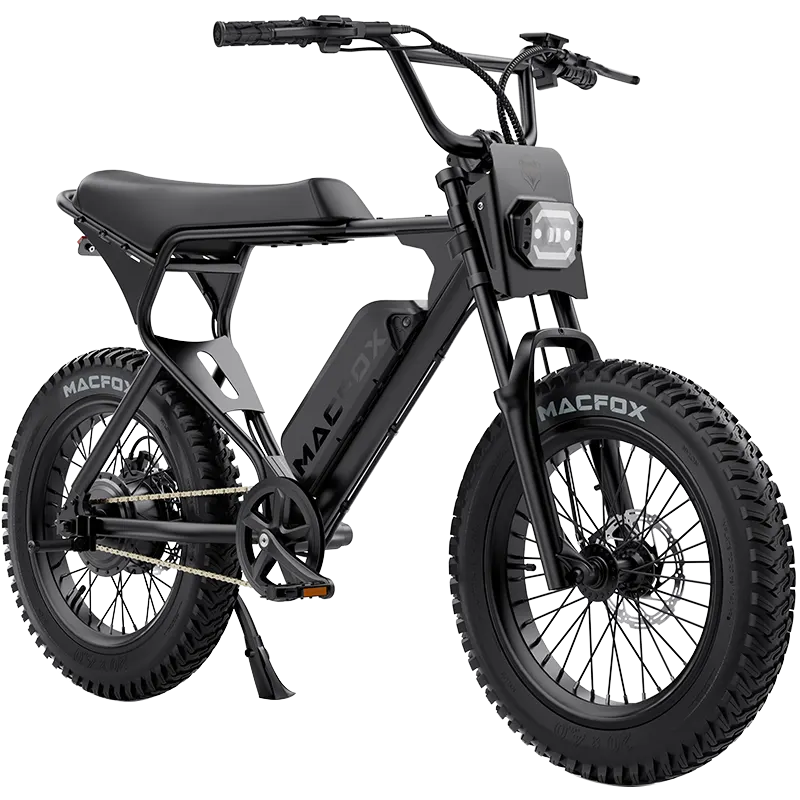
Macfox X1S Commuter E-bike
The X1S is a practical comparison for daily streets, campus routes, errands, and budget-conscious commuting. Before purchase, confirm retailer participation, bike-class rules, purchase location, and any program price cap.
Macfox X7 e-bike
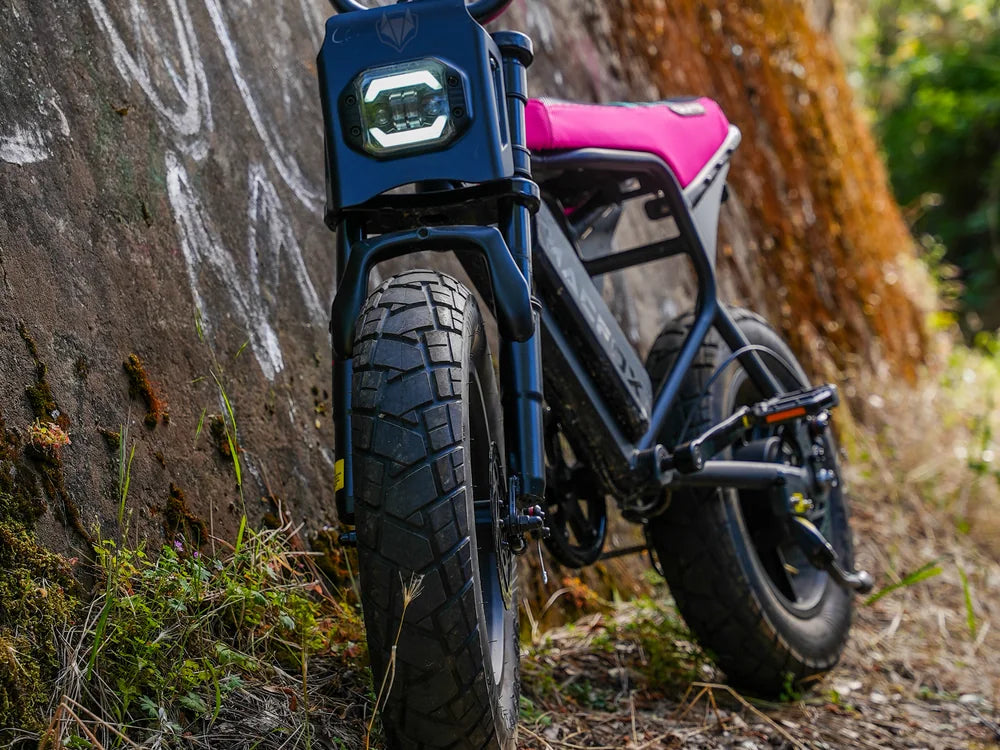
The X7 may suit riders comparing a wider-tire option for rougher roads. Check the program's permitted bike class, motor and battery limits, maximum purchase price, retailer requirements, and local-use restrictions before committing.
Macfox M16 e-bike
The M16 is an entry-level comparison for shorter trips and tighter storage. Confirm rider fit, wheel size, age and safety requirements, retailer eligibility, and whether the local program accepts this type of e-bike.

FAQ
Can the government give me a free electric bike?
Sometimes, but a voucher, rebate, or point-of-sale discount is more common than a fully free bike. Programs are usually local, time-limited, and tied to residency, income, retailer, or purchase-sequence rules.
Is any e-bike assistance program open right now?
Status depends on location and can change quickly. As of July 22, 2026, the California E-Bike Incentive Project had concluded in December 2025, Raleigh's May window was closed, EWEB had paused new applications, and Colorado's retailer-based tax credit framework remained available for qualifying purchases. Always confirm the current status on the official page.
Are there free e-bikes for low-income riders?
Some cities, utilities, nonprofits, and transportation programs provide larger benefits for income-qualified applicants. The amount, documents, retailer rules, selection process, and application window vary by location.
Can I buy the e-bike before I apply?
Only if the current rules explicitly allow it. Many voucher programs require approval before purchase, while some rebate or tax-credit programs use a different sequence.
Can Medicare pay for an electric bike?
Usually not for a standard consumer e-bike. If the question is medical coverage, read Macfox's Medicare and electric bike guide and ask the insurer or medical provider about approved mobility equipment.








12 thoughts on “How to Get a Free Electric Bike: Real Programs, Rebates, and Safer Options”
Shenika Davis
How can I apply for a free ebike through government assistance?
Jacob Quintana
Okay I’m really trying to do ebike reviews on YT I have no bikes to review could you please send me one out to review if u can’t I fully understand bc this is a big request.
Bruce Larkins
How can I get a free E Bike
Ashton Handy
I need a e bike I’m 11 and I’m trying my best to save but they are to expensive pls macfox I beg you have the best bikes in the world pla 💞🤟😀
LaDedrick Phillips
Hi