
Understanding Colorado's electric bike regulations is crucial to ensure you're riding legally, avoiding fines, and reducing the risk of accidents. The regulations outline vehicle safety requirements, riding areas, and speed limits. Familiarizing yourself with these details helps in choosing the right equipment and ensures a safe and legal ride, while also preventing penalties or disputes.
Colorado Electric Bike Legal Definitions

Basic Requirements for Electric Bicycles: Must have pedal capabilities, 2–3 wheels, and a motor not exceeding 750 watts. Additionally, electric assist bicycles must fit into one of the following three categories:
(a) Class 1 Electric Assist Bicycle: This is an electric assist bicycle equipped with a motor that only provides assistance when the rider is pedaling, and the motor stops assisting when the bicycle reaches 20 miles per hour.
(b) Class 2 Electric Assist Bicycle: This is an electric assist bicycle with a motor that provides assistance regardless of whether the rider is pedaling, but the motor stops assisting when the bicycle reaches 20 miles per hour.
(c) Class 3 Electric Assist Bicycle: This is an electric assist bicycle with a motor that only provides assistance when the rider is pedaling, and the motor stops assisting when the bicycle reaches 28 miles per hour.
Colorado Electric Bike Riding Age and Operation Requirements
Minimum Age Requirement:
-Class 1 and Class 2 electric bikes have no minimum age requirement.
-Class 3 electric bikes require riders to be 16 years old or older. Riders under 16 may not operate a Class 3 electric bike, but they may ride as a passenger.
Safety Gear Requirements
Helmet Requirements:
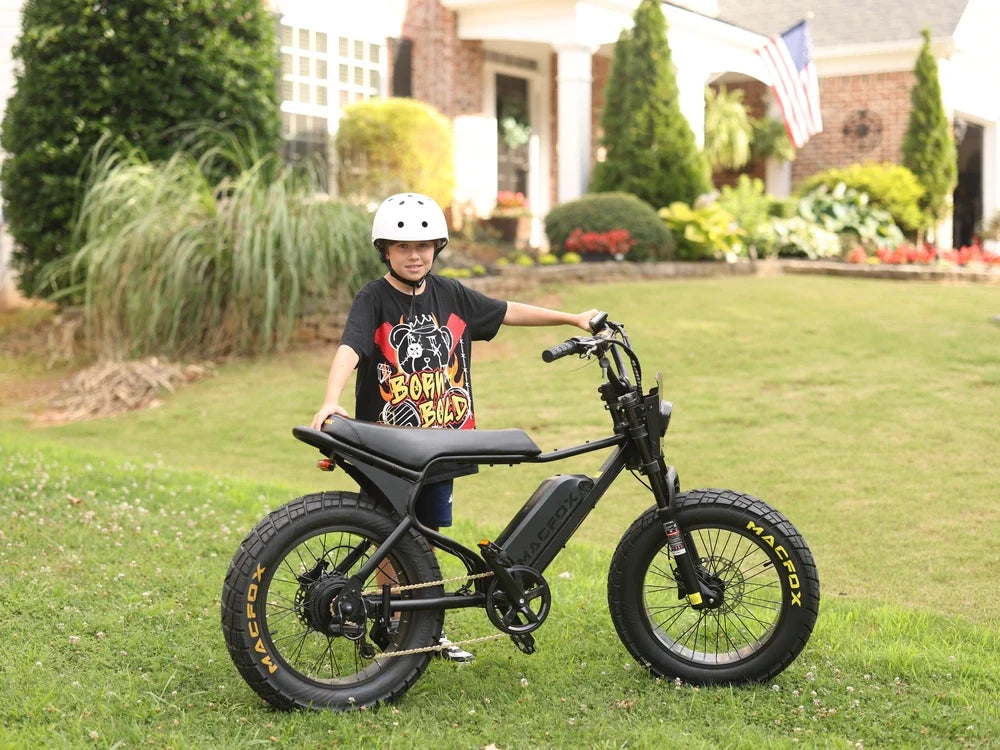
For Class 3 e-bikes: Riders and passengers under 18 must wear a helmet.
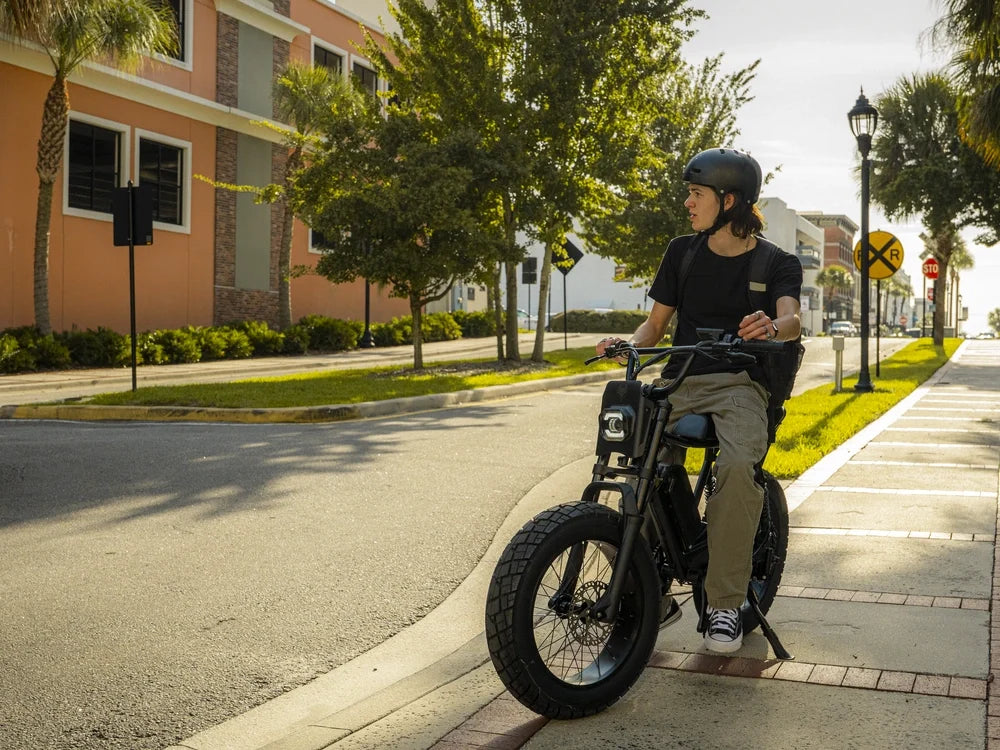
While the law does not mandate helmet use for Class 1 and Class 2 riders and passengers, it is strongly recommended that all riders and passengers wear helmets. If you frequently ride high-speed electric bikes (Class 3 e-bikes) or ride in busy areas, it is advisable to choose helmets certified under the NTA-8776 standard. For commuter electric bikes or casual riding, helmets meeting CPSC or EN 1078 standards are appropriate. To enhance safety, selecting helmets with MIPS or similar technology offers better rotational impact protection.
Nighttime Lighting and Reflective Gear
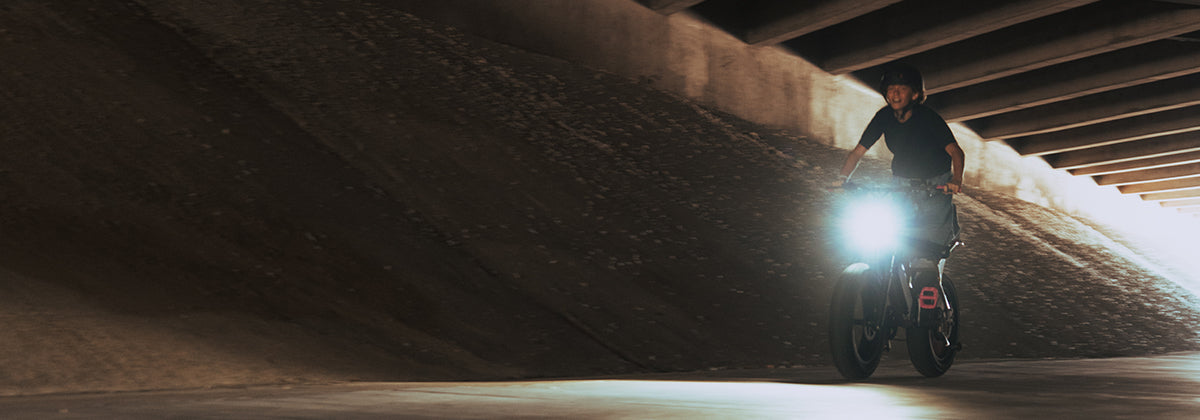
1.Front Light: From sunset to sunrise, and during other periods with insufficient light or poor weather conditions that reduce visibility of pedestrians and vehicles at least 1,000 feet ahead, a white front light must be present and visible from at least 500 feet away.
2.Rear Reflector: A red reflector must be present, visible from 600 feet away when illuminated by vehicle headlights.
3.Side Reflective Materials: The bike must have sufficient reflective side materials visible from 600 feet away under vehicle headlights or from 500 feet with lighting.
4.Additional Lights or Reflectors: Additional lights or reflectors may be added.
5.Prohibited Use of Sirens or Whistles: Sirens or whistles are not allowed.
6.Braking System: The bike must be equipped with a braking system capable of bringing the bike to a stop within 25 feet at 10 miles per hour.
Modifications and Speed Limitation Regulations
No one is allowed to intentionally modify an electric assist bicycle to alter its speed limit or motor functionality. If such modifications are made, the label must be replaced with one showing the new classification and relevant details.
Registration, License Plates, Insurance, and Licensing Requirements
Colorado, along with states like California, Tennessee, and Utah, uses the same three-tier classification system. Electric bicycles are not required to be registered, licensed, or insured.
Where Can You Ride Electric Bicycles? Roadway and Path Rules
Unless otherwise specified, Class 1 and Class 2 electric bikes and electric scooters are allowed on bike lanes and sidewalks, enjoying the same rights as traditional bicycles. However, Class 3 electric bikes are prohibited from riding on bike lanes or sidewalks unless the route is part of a street or highway, or if approved by the local government. Local authorities have the right to restrict or prohibit electric bicycles and scooters on bike lanes or sidewalks within their jurisdiction. For more detailed information, please refer to E-Bike Trails in Colorado.
Requirements for Riding a Class 3 Electric Bike
To ride a Class 3 electric bike, the rider must:
- Be 16 years or older.
- Wear a helmet designed for cyclists.
- Ensure the helmet complies with the U.S. Consumer Product Safety Commission or the American Society for Testing and Materials standards.
- The helmet must be securely fastened under the chin when riding.
Traffic Rules and Responsibilities: 3 Key Points to Remember
1. Obey Traffic Laws: Electric bike riders must follow regular bicycle traffic rules (e.g., stopping at red lights, yielding, using hand signals, etc.).
2.DUI and Legal Responsibility: Electric bike riders are subject to DUI laws, and can be charged with DUI if their blood alcohol concentration is 0.08% or higher.
3.Violations of Electric Bicycle Manufacturing Standards: Anyone who violates the electric bicycle manufacturing standards or classification rules will face a B-level traffic violation penalty, with a fine of $15 plus an additional $6 fee.
Final Thoughts
Whether it’s choosing the right helmet, ensuring proper lighting and reflectors, or understanding the age restrictions and road regulations, being aware of these details directly impacts your riding experience and safety. Adhering to these rules not only helps prevent accidents but also promotes the widespread acceptance and adoption of electric bicycles as an eco-friendly and convenient mode of transportation. Always remember that safety comes first—ensuring your own safety and that of others while enjoying the freedom of riding!
Reminder: While we strive to ensure the accuracy and timeliness of this content, electric bicycle laws may change across different states and regions. Riders are encouraged to consult the latest legal texts or seek advice from legal professionals before riding.
References/Sources