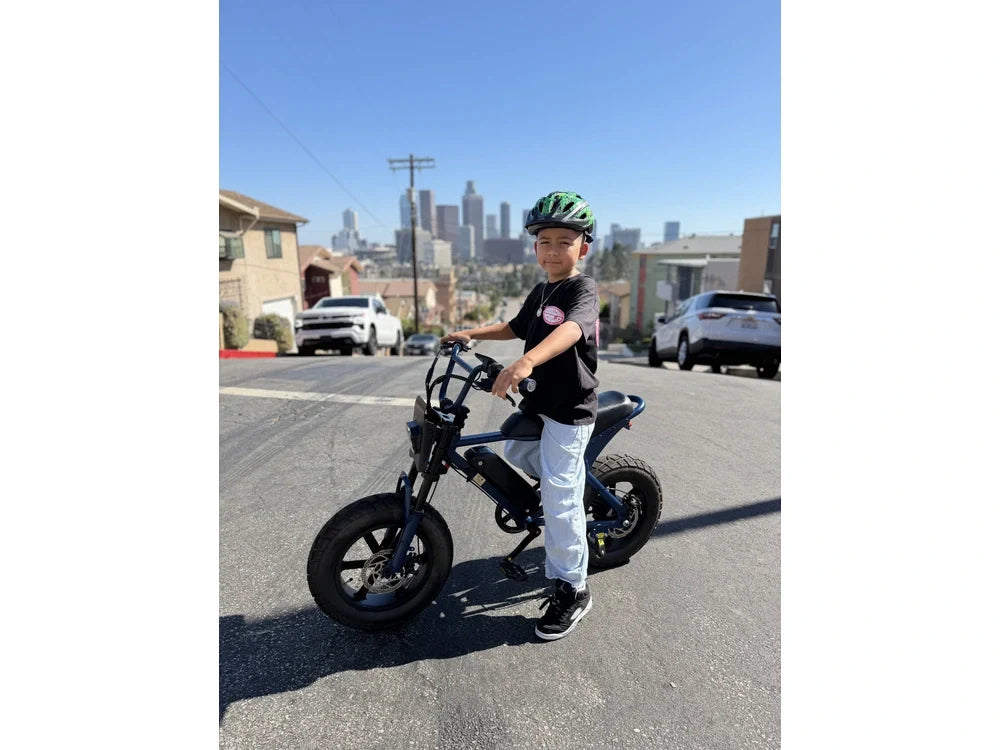

Short Answer For Ranger 3.0 Pro Shoppers
Consider Heybike Ranger 3.0 Pro if you want the current upgraded Ranger-line model: a folding 20 x 4 fat-tire eBike with a 750W motor, torque sensor, full suspension, 720Wh battery, 440 lb total load rating, NFC/App features, and a strong storage story. Consider Macfox X7 if you do not need folding and would rather compare a non-folding 20-inch wide-tire daily ride with a front 20 x 4.5 tire, rear 20 x 5.0 tire, hydraulic brakes, front suspension, and optional dual-battery planning.
If Ranger S was on your shortlist, check Ranger 3.0 Pro first. It is the current upgraded Heybike option aimed at the same folding fat-tire job: easier storage than a non-folding bike, 20-inch fat tires, and a comfort-focused feature set.
The clean choice is not Heybike versus Macfox in general. It is folding comfort and storage flexibility versus a non-folding daily wide-tire format. That distinction changes what the buyer should measure before paying: storage space, lift weight, tire stance, range expectation, and how often the bike will actually be folded.

Ranger 3.0 Pro has to answer the old Ranger search result without sounding like an old-product note. The real decision is whether the buyer wants the latest folding fat-tire platform enough to accept its folded size, weight, cost, and storage routine.
Check Ranger 3.0 Pro Before Older Ranger S Listings
Do not judge this choice from an older Ranger S listing alone. The real buyer question is straightforward: can a folding 20-inch fat-tire eBike save storage room while still feeling stable, comfortable, and strong enough for normal routes? Ranger 3.0 Pro is the current Heybike model built around that question.
On Heybike's current pages, Ranger 3.0 Pro is presented as a comfort folding fat-tire model with 20 x 4 tires, 750W sustained motor, 1400W peak output, 80 N m torque, 720Wh battery, torque sensor, and full suspension. That makes it the right upgraded Ranger-line model to compare when the shopper wants the newest folding fat-tire option instead of older Ranger S information.
The useful decision is simple: does the foldable platform solve a real storage or transport problem, and do the added comfort features justify the weight, size, and price? If yes, Ranger 3.0 Pro deserves priority. If folding is optional, a non-folding wide-tire daily model like X7 becomes a fair comparison.
The First Test Is Folding Reality
Ranger 3.0 Pro is not just a fat-tire eBike with a hinge. The official page lists folded dimensions of 41.7 x 20.5 x 32.7 inches and a listed weight of 75 lb. That means the fold is valuable for storage and vehicle loading, but it does not turn the bike into something light.
The practical question is where the bike goes after each ride. If it needs to tuck into a garage corner, fit in a larger vehicle, or reduce its footprint near an entry area, Ranger 3.0 Pro has a strong reason to exist. If the bike can stay parked in one normal bike space, folding may be less important than ride feel, tire stance, and purchase simplicity.
That is where X7 enters. X7 does not fold, so it should never be sold as a Ranger 3.0 Pro replacement for people who truly need folding. It belongs in the comparison only when the buyer likes the fat-tire look but decides that folding is not a daily requirement.
What Ranger 3.0 Pro Is Trying To Solve
Ranger 3.0 Pro is built around a low, approachable, comfort-first folding format. Its 20 x 4 tires, front hydraulic suspension, rear air shock, torque sensor, 720Wh battery, Shimano 8-speed drivetrain, hydraulic disc brakes, lights with brake and turn-signal functions, NFC start, and Heybike App access all point toward a feature-rich everyday machine.
The product-compare page lists 90 miles as the max range, 28 mph top speed, 750W rated power, 1400W peak power, 80 N m torque, and a 440 lb max load. Those are strong headline specs, but they should be read with real route expectations. Speed setting, throttle use, rider weight, cargo, hills, temperature, tire pressure, and stop frequency all change the result.
A recent Wired review helps frame that range expectation. The reviewer described Ranger 3.0 Pro as comfortable and convenient, but under heavy throttle use with added cargo, measured range was far below the advertised maximum. That does not make the bike unsuitable; it simply means the 90-mile figure should be treated as a best-case ceiling, not the number every rider will see.
The Macfox X7 Lane
Macfox X7 should be considered after the buyer separates storage need from ride preference. If folding is mandatory, Ranger 3.0 Pro keeps the advantage. If folding is optional, X7 becomes a clearer non-folding comparison for riders who want a bold 20-inch wide-tire format.
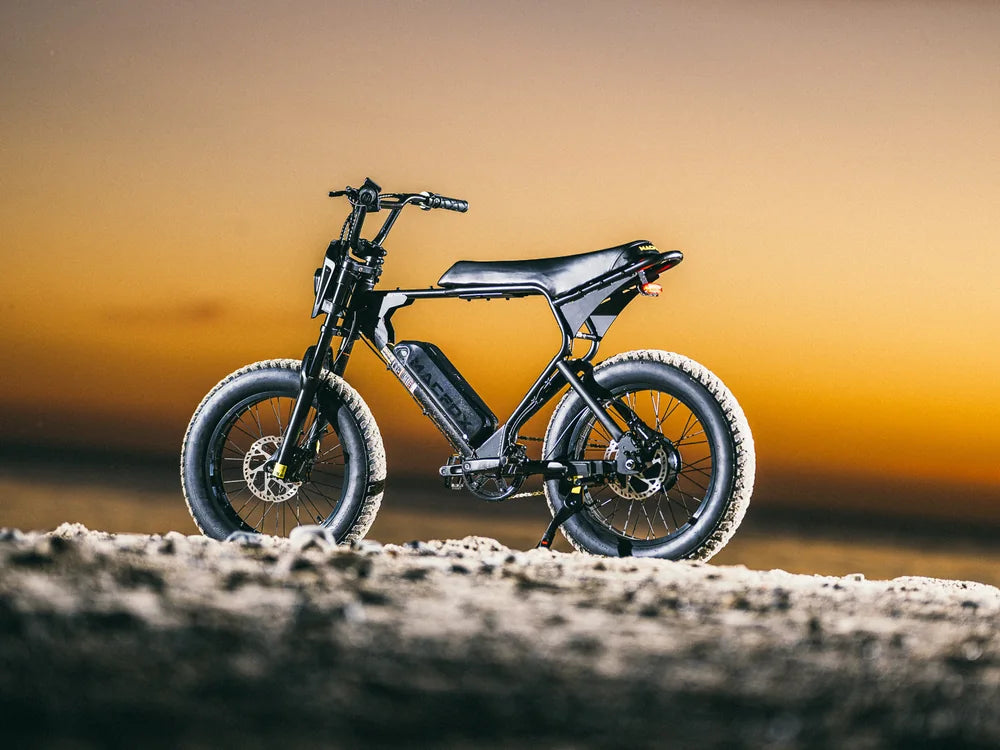
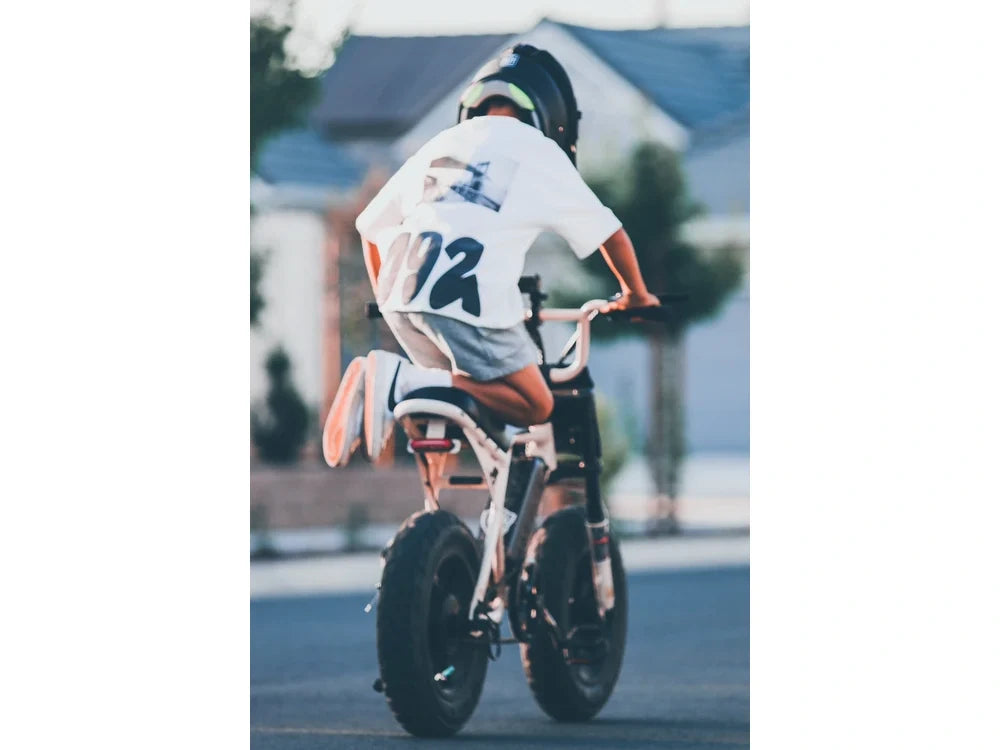
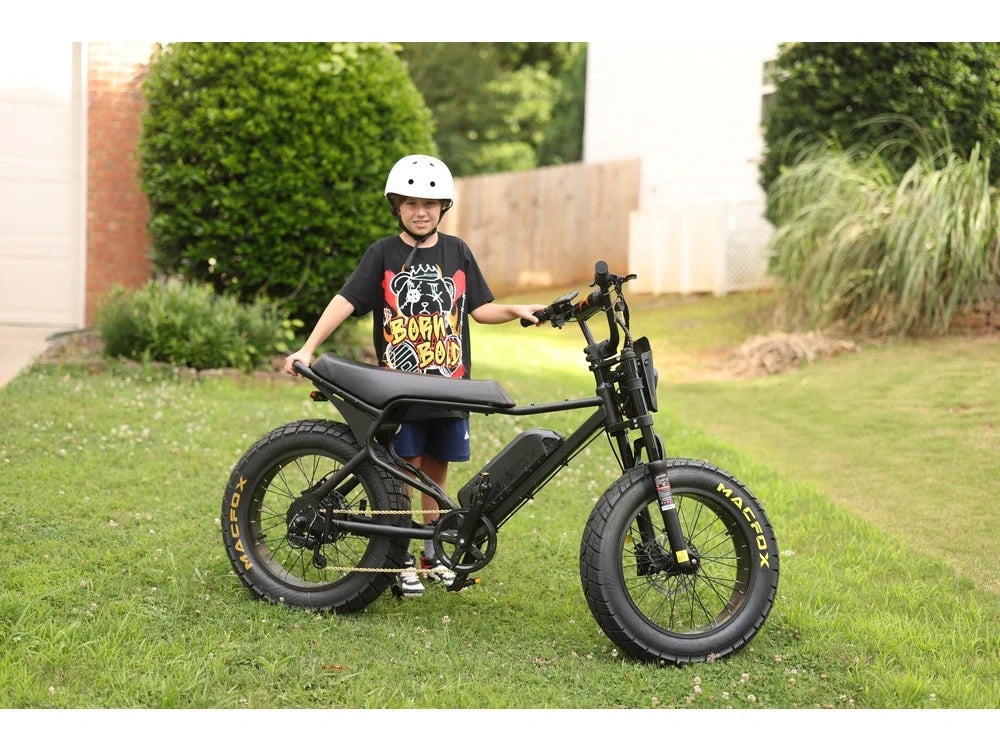
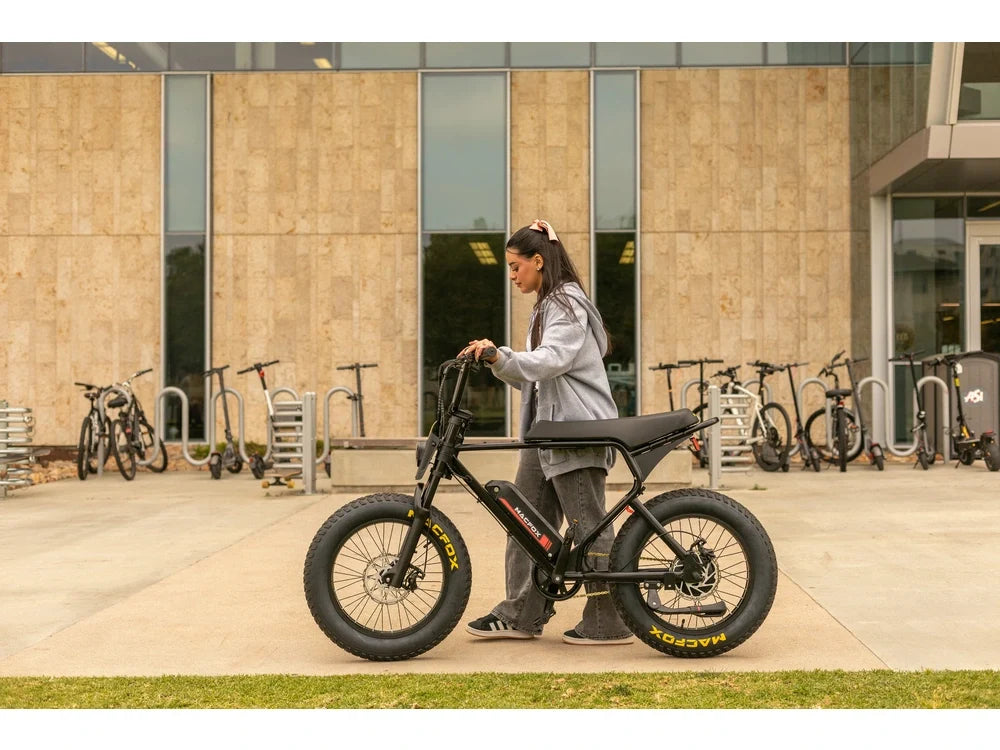
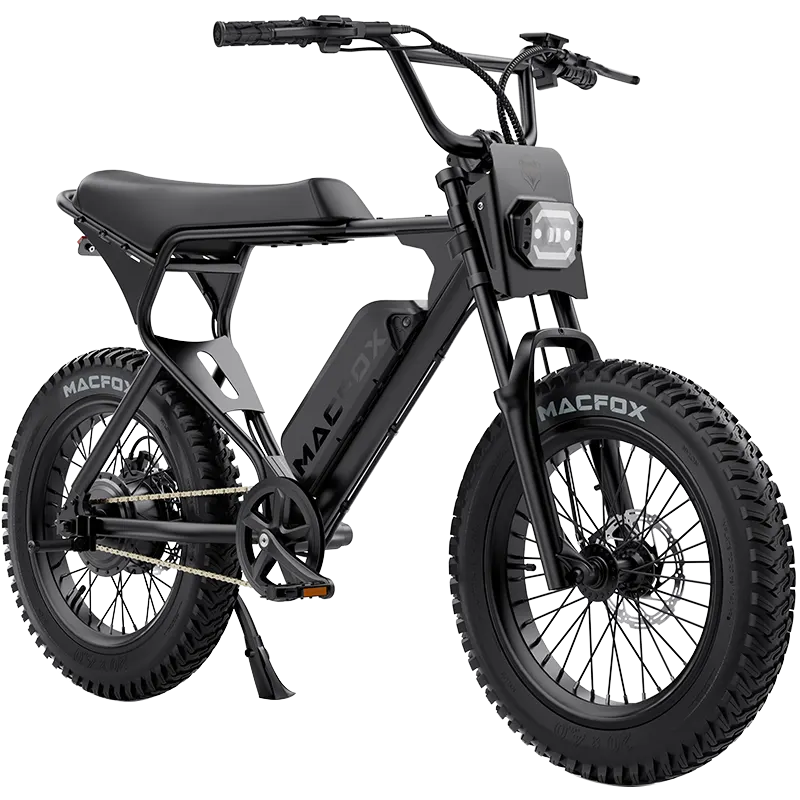
The X7 path is more direct: a 500W motor with 750W peak output, 20 mph top speed, 624Wh battery, 35-mile single-battery listing, 70-mile dual-battery listing, hydraulic disc brakes, front suspension, 7-speed drivetrain, 87 lb listed weight, 330 lb load capacity, front 20 x 4.5 tire, and rear 20 x 5.0 tire.
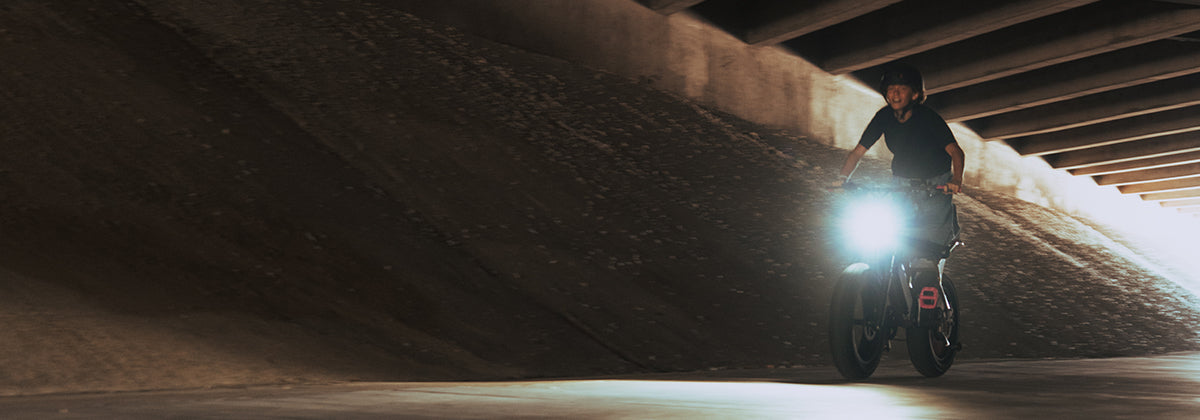
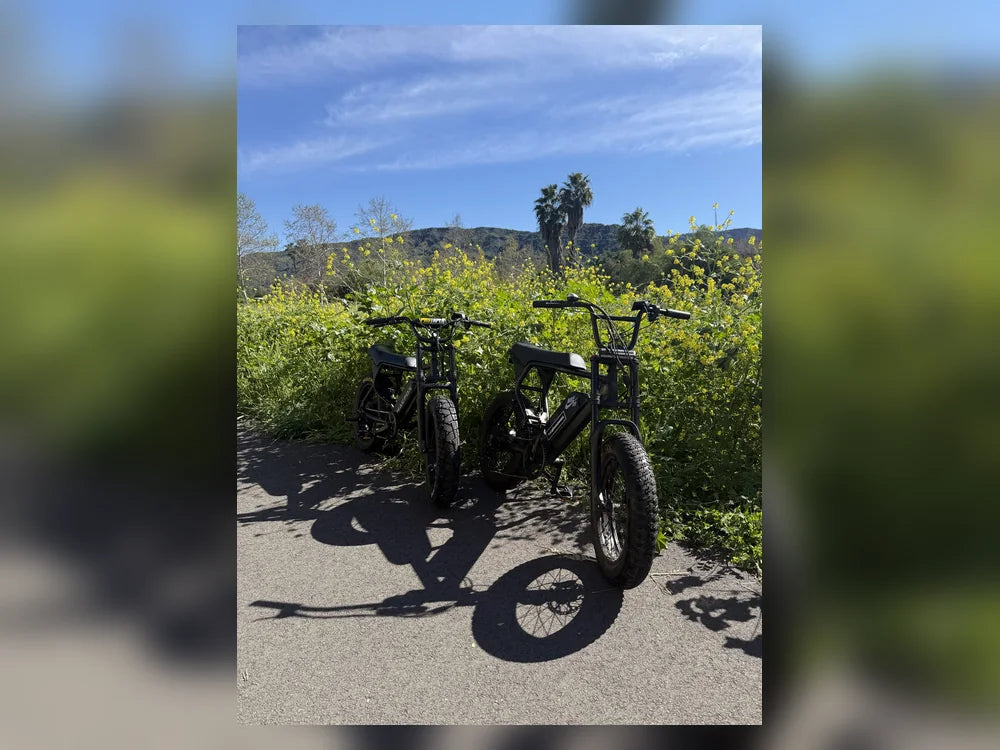
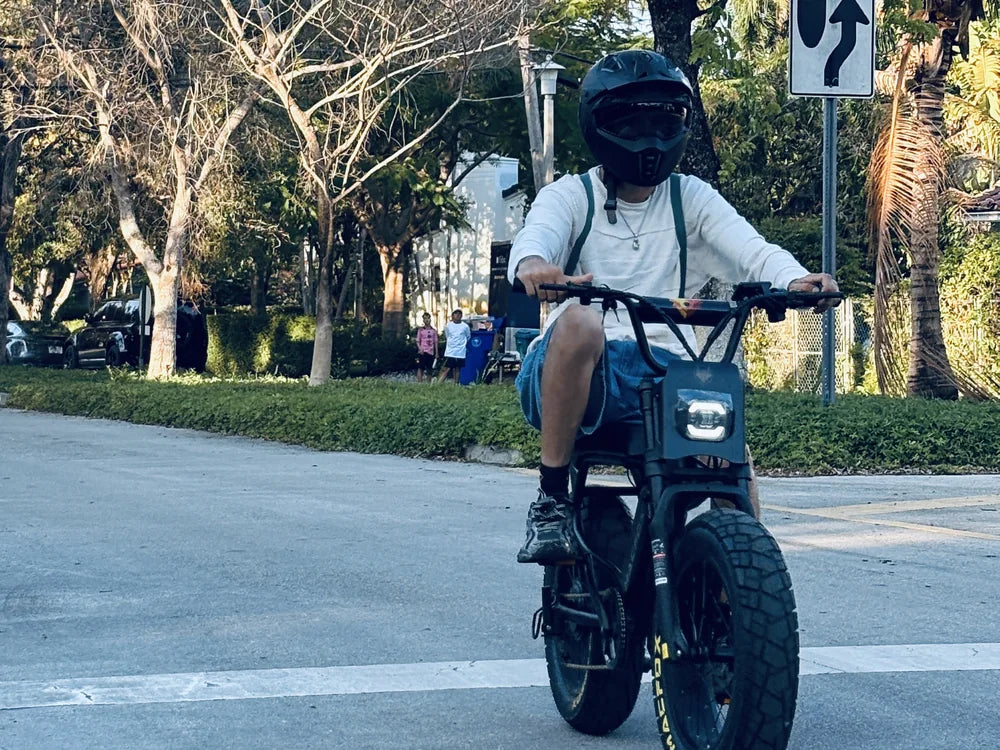
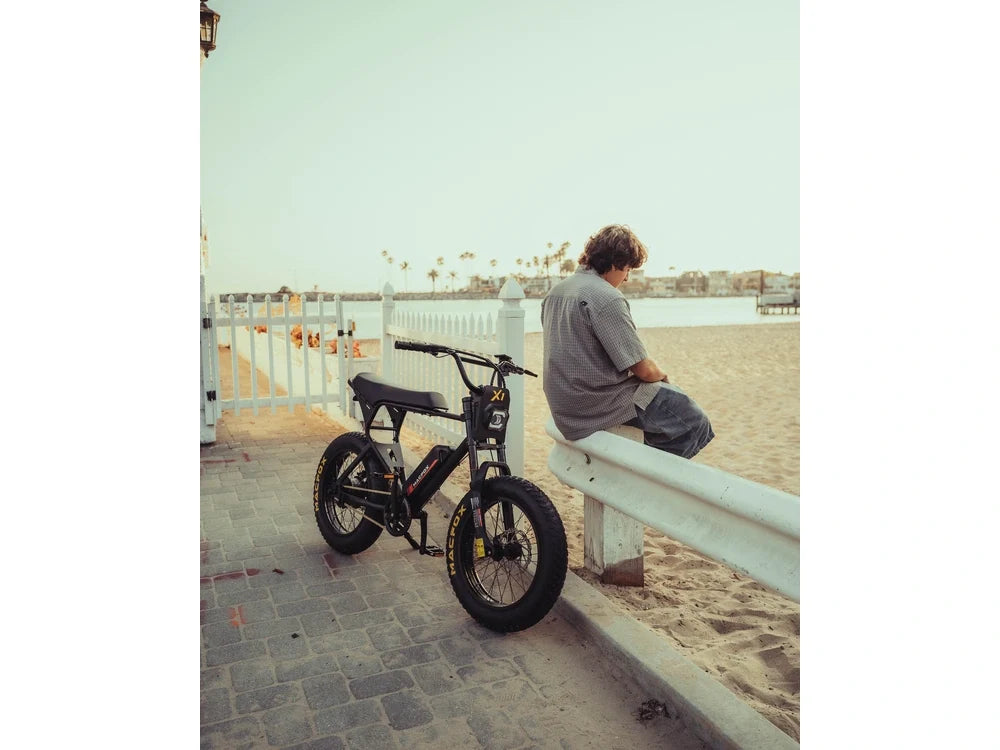
For that Macfox path, the Macfox X7 eBike is the product to check when you want a non-folding daily eBike with a wider rear tire and stronger 20-inch fat-tire presence. The value is not folding convenience. The value is the simpler format decision and the wider tire stance.
Folding Platform Or Non-Folding Daily Platform?
| Decision Area | Heybike Ranger 3.0 Pro | Macfox X7 | Buyer Meaning |
|---|---|---|---|
| Core format | Folding 20 x 4 fat-tire eBike. | Non-folding 20-inch wide-tire daily eBike. | Start with storage need. Folding is the biggest Ranger advantage. |
| Motor and assist | 750W sustained, 1400W peak, 80 N m torque, torque sensor. | 500W motor, 750W peak output, 7-speed setup. | Ranger has the stronger assisted-pedal feature story; X7 is simpler. |
| Suspension | Front hydraulic suspension and rear air shock. | Front suspension. | Ranger emphasizes comfort hardware; X7 keeps fewer suspension parts. |
| Tire stance | 20 x 4 tires. | Front 20 x 4.5 and rear 20 x 5.0 tires. | X7 has the wider rear-tire stance; Ranger has the folding fat-tire format. |
| Battery path | 720Wh stock battery with 90-mile max-range claim. | 624Wh stock battery with optional dual-battery planning. | Ranger has the stronger stock battery claim; X7 can be planned around two batteries. |
| Weight and handling | 75 lb listed weight. | 87 lb listed weight. | Both are substantial. Ranger folds; X7 is heavier but simpler in frame format. |
| Best buyer question | Will I fold it often enough? | Do I want a non-folding wide-tire daily ride? | The decision should come from routine, not from a spec table alone. |
When Ranger 3.0 Pro Deserves A Close Look
Consider Ranger 3.0 Pro if folded storage is a real part of the plan. A folding frame is not a side feature here; it is the reason the model exists. The 10-second folding message, 41.7-inch folded length, and 20.5-inch folded width all support that use case.
It also makes sense if the buyer wants a richer stock feature package. Torque sensor, full suspension, app access, NFC start, lights, brake and turn-signal functions, hydraulic brakes, 8-speed drivetrain, and 440 lb total load rating all make Ranger 3.0 Pro feel like a high-feature folding fat-tire choice.
The main caution is practical rather than negative. The buyer should confirm weight, folded fit, charging location, class setting, throttle setting, local rules, and whether the rider can move a 75 lb folding eBike comfortably enough for the plan to hold up.
When Macfox X7 Deserves A Close Look
Consider X7 if folding sounds useful online but is not necessary in your real routine. Some riders do not need a hinge; they need a clear fat-tire daily model that stays assembled, charges in a predictable spot, and fits the visual style they want.
X7 is especially relevant if the wider rear tire is part of the appeal. A front 20 x 4.5 and rear 20 x 5.0 setup creates a different stance from Ranger 3.0 Pro's 20 x 4 folding format. That difference should be treated as a category choice, not as a small spec detail.
The buyer should still be realistic about size. X7 is listed at 87 lb and does not fold. It makes sense when parking, charging, and storage are already solved, and when the rider wants the non-folding Macfox shape more than the storage flexibility of Ranger 3.0 Pro.
A Better Way To Decide
The decision can be reduced to four checks.
- Storage check. Measure the exact space. If folded size matters, Ranger 3.0 Pro has the advantage. If not, X7 becomes easier to compare.
- Lift check. Ranger 3.0 Pro is listed at 75 lb and X7 at 87 lb. Do not buy either without thinking through stairs, racks, vehicle loading, and indoor parking.
- Range check. Treat 90 miles, 70 miles, 35 miles, and any other listed number as route-sensitive. Battery size matters, but riding style changes the result.
- Feature check. Ranger 3.0 Pro has more comfort and smart-access features. X7 has a simpler non-folding fat-tire route with a wider rear tire.
Final Fit Recommendation
Heybike Ranger 3.0 Pro may fit better if you want the current upgraded Ranger-line folding fat-tire eBike with torque sensor, full suspension, 720Wh battery, 440 lb load rating, and a serious storage-flexibility reason. Macfox X7 may fit better if folding is not required and you want a non-folding 20-inch wide-tire daily eBike with a front 20 x 4.5 tire, rear 20 x 5.0 tire, hydraulic brakes, front suspension, and optional dual-battery planning.
If you originally liked Ranger S because of the folding fat-tire format, Ranger 3.0 Pro is the current Heybike model to check first. Use X7 when the buyer decides that non-folding fat-tire style, wider rear tire stance, and a more direct daily format matter more than the folding mechanism.
FAQ
Should I check Heybike Ranger 3.0 Pro before buying an older Ranger S?
Yes. If the appeal is folding storage, 20-inch fat tires, and comfort hardware, Ranger 3.0 Pro is the current upgraded Heybike model to review before choosing an older Ranger S listing.
Is Macfox X7 a folding eBike?
No. X7 is not a folding eBike. It should only be compared with Ranger 3.0 Pro after the buyer decides folding is not required.
Which one has the stronger stock feature package?
Ranger 3.0 Pro has the stronger stock feature package, with torque sensor, full suspension, app access, NFC start, 720Wh battery, and folding frame. X7 is simpler and more focused on a non-folding wide-tire daily format.
Which one has wider tires?
Ranger 3.0 Pro uses 20 x 4 tires. Macfox X7 uses a front 20 x 4.5 tire and rear 20 x 5.0 tire, giving X7 the wider rear-tire stance.
Which one is easier to store?
Ranger 3.0 Pro is easier to consider for tight storage because it folds. X7 needs a normal non-folding bike space, so the buyer should measure parking and charging space before choosing it.