
Begin With The Cargo Question
Consider Himiway Big Dog if the main reason you are shopping is cargo utility: a 400 lb payload rating, an extended rear rack, a 960Wh battery, and a 20 x 4.0 fat-tire setup. Consider Macfox X7 if you do not need a cargo-focused e-bike and instead want a more compact 20-inch fat-tire daily ride with a wider rear-tire stance.
This comparison only makes sense when the buyer starts with use case. Big Dog is built around payload, rack use, battery reserve, and a step-through cargo shape. X7 is not trying to be a cargo platform. It belongs in the conversation when the buyer wants daily fat-tire presence without taking on the Big Dog's cargo role.
That split keeps the comparison useful. A rider who wants to carry larger loads should not be pushed away from the Himiway lane. A rider who mainly wants a bold daily fat-tire ride may not need the size, rack focus, and availability checks that come with Big Dog.

Big Dog is a cargo-utility question first. If the rack, payload, passenger/cargo posture, and utility shape are central, X7 should not be forced into the same role; it only becomes relevant when the buyer wants shorter daily fat-tire handling.
Buyer Profile 1: Payload, Rack, And Utility Come First
Himiway's official Big Dog page makes the positioning clear. The visible highlights include a 400 lb payload rating, an extended rear rack, a 960Wh Samsung/LG battery, an 80-mile max-range claim, and a 750W motor. The technical section also lists 20 x 4.0 Kenda tires, a 48V 20Ah battery, a 7-speed drivetrain, and an 88.6 lb listed weight with battery.
Electric Bike Report reads the same bike through a cargo lens: 750W hub motor, 85Nm torque, 400 lb payload, 960Wh battery, 20 x 4.0 tires, included fenders, lights, rear rack, and a very substantial frame feel. BikeRide's summary also points buyers toward the payload and rack story, including a 120 lb rear-rack note and 40-50 mile real-use range summary.
So the first profile is simple. If you plan to carry groceries, bags, family supplies, or other regular load, Big Dog is the more natural starting point. In that case, Macfox X7 should not be forced into the same role.
Buyer Profile 2: You Want Range Reserve Before A Second Battery
Big Dog has the stronger single-battery range case. A 960Wh battery gives it more reserve than many fat-tire models, and Himiway's official page frames the bike around a 60-80 mile range zone. Electric Bike Report recorded 47 miles in PAS 1 under less-than-clean test conditions and 37 miles in PAS 5, then judged those results in light of the bike's cargo purpose and 400 lb capacity.
That is not the same as saying every buyer will see 80 miles. Range depends on rider weight, carried load, assist level, tire pressure, stops, wind, temperature, and route shape. But Big Dog still gives the buyer a large stock battery before any second-battery thinking begins.
Macfox X7 has a different range setup. It lists a 624Wh battery, about 35 miles with one battery, and up to 70 miles with the dual-battery setup. That makes X7 a reasonable option when the buyer values the 20-inch fat-tire format and is intentionally considering the second battery, not when the buyer simply wants the biggest stock battery.
Buyer Profile 3: You Need A Shorter Fat-Tire Format
This is where the comparison changes. Himiway Big Dog is not a tiny cargo bike. Its official page lists a 71-inch total length, 46.9-inch wheelbase, 28-inch handlebar length, 5'1''-6'5'' recommended rider-height range, and 88.6 lb weight with battery. Ebike Escape's review describes it as smaller and more accessible than a full-size Himiway Zebra-style fat-tire bike, but still heavy.
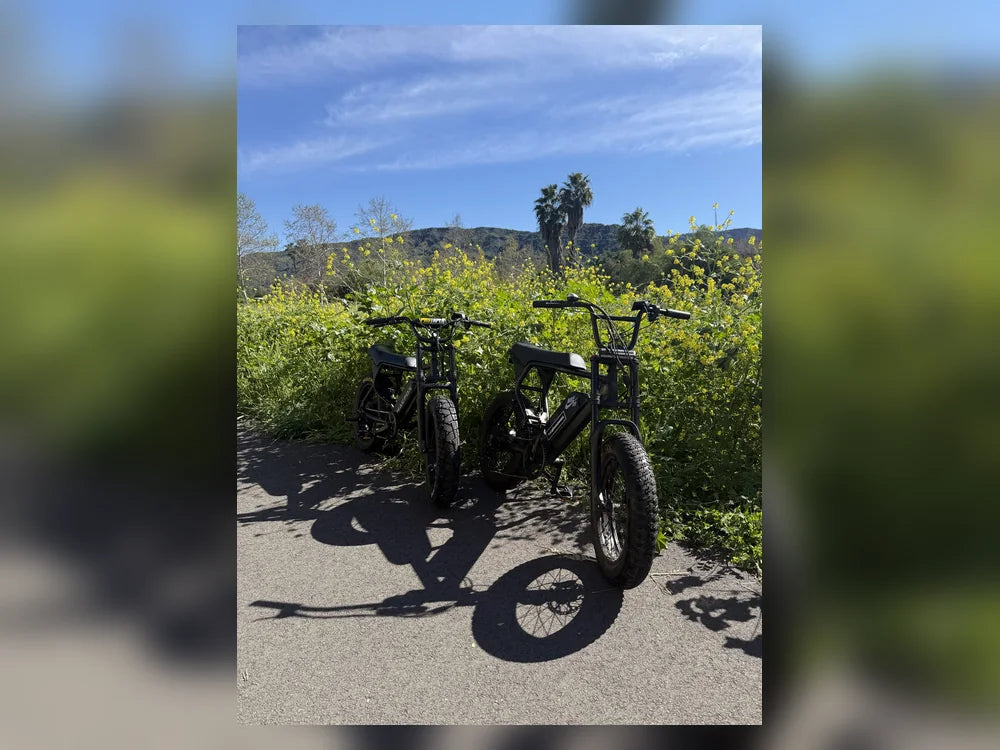
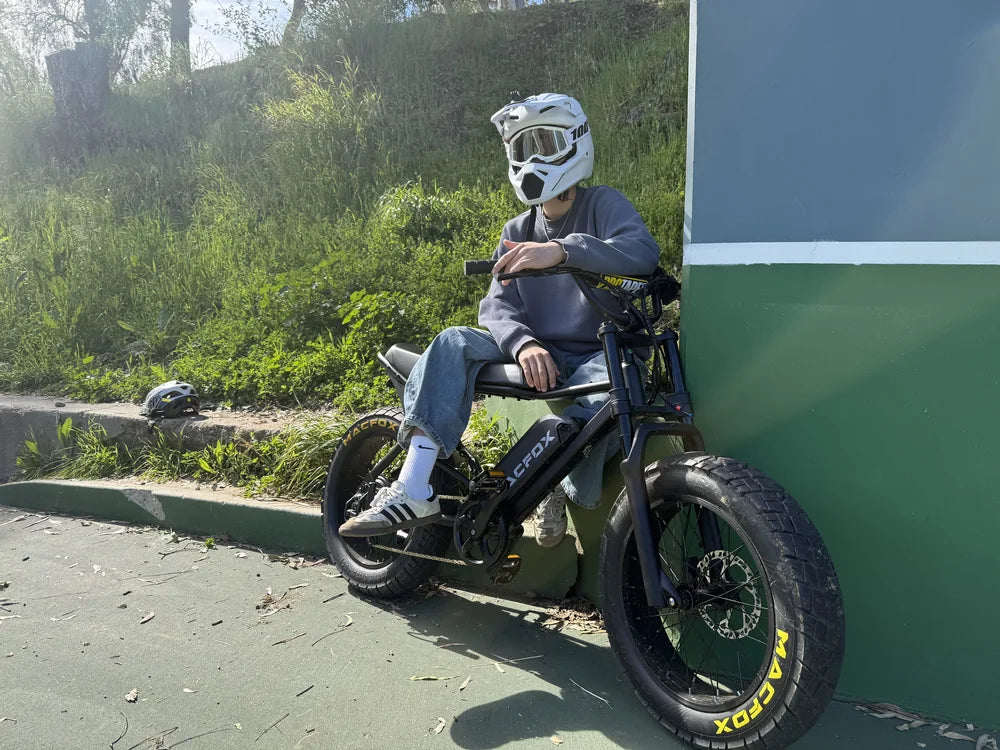
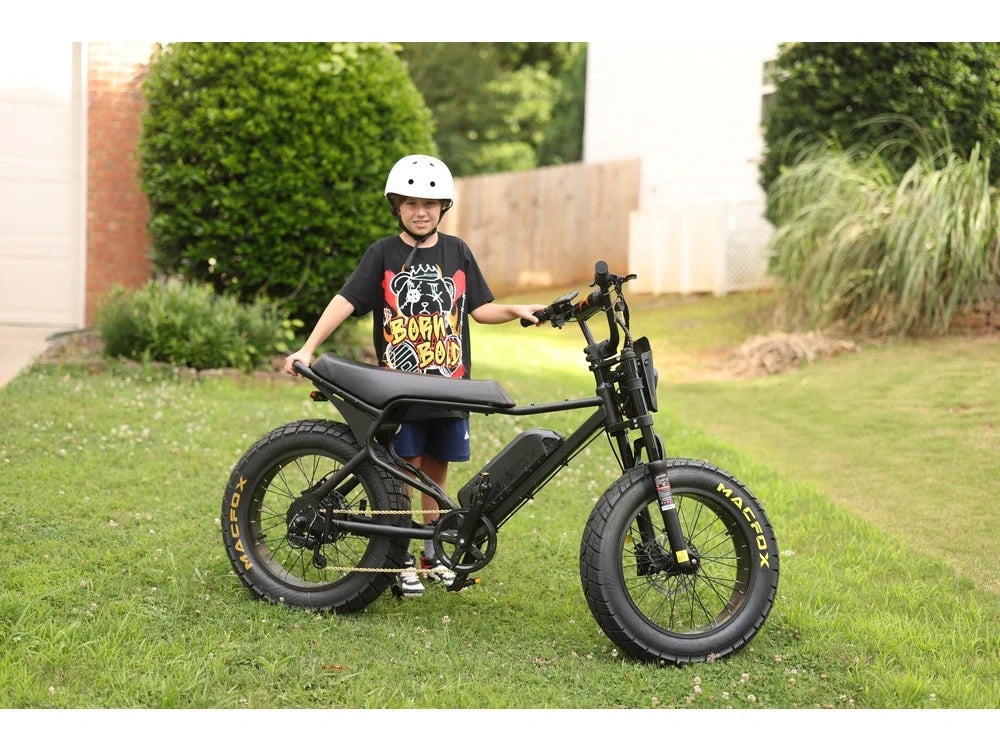
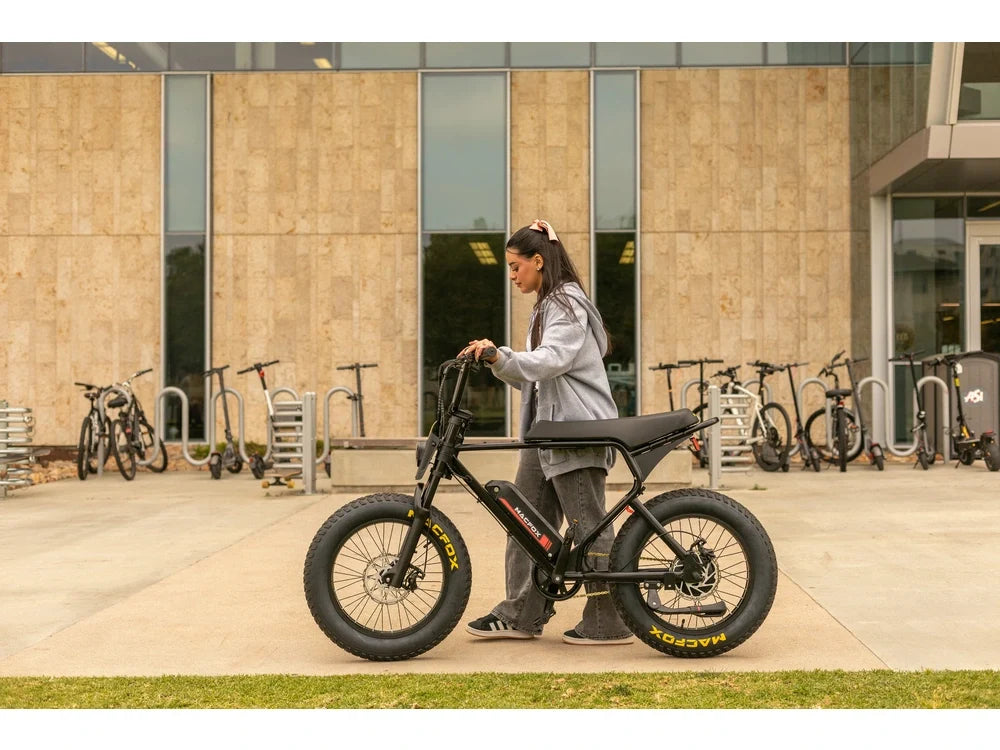
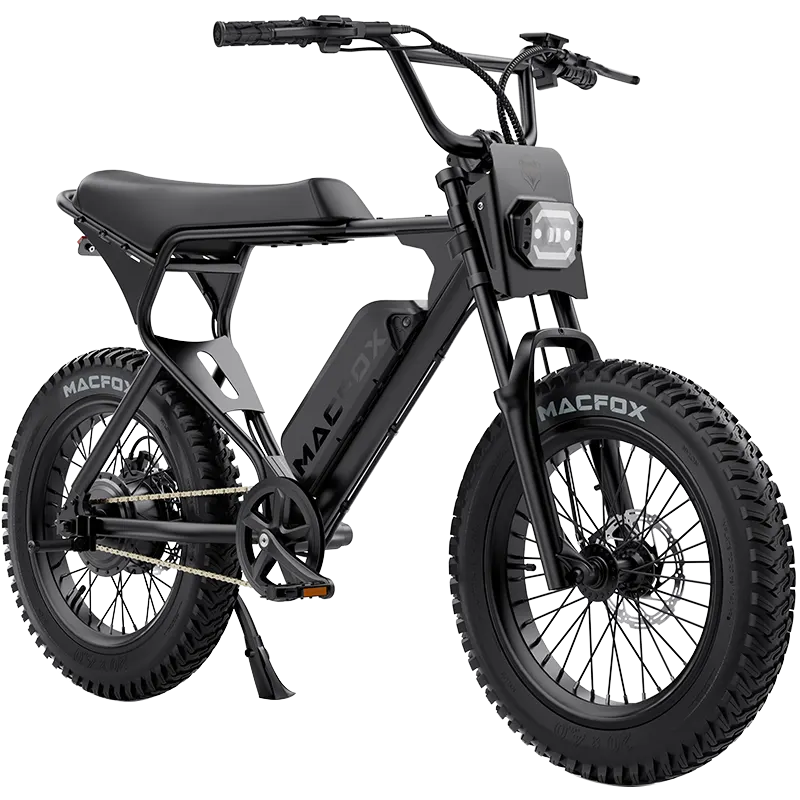
X7 is also substantial, yet its reason for being here is the different footprint. Macfox lists a 20-inch wheel format, a front 20 x 4.5 tire, a rear 20 x 5.0 tire, hydraulic disc brakes, front suspension, a 7-speed drivetrain, and a 330 lb load capacity. That gives it a shorter, wider, visually stronger daily shape rather than a cargo-bike mission.
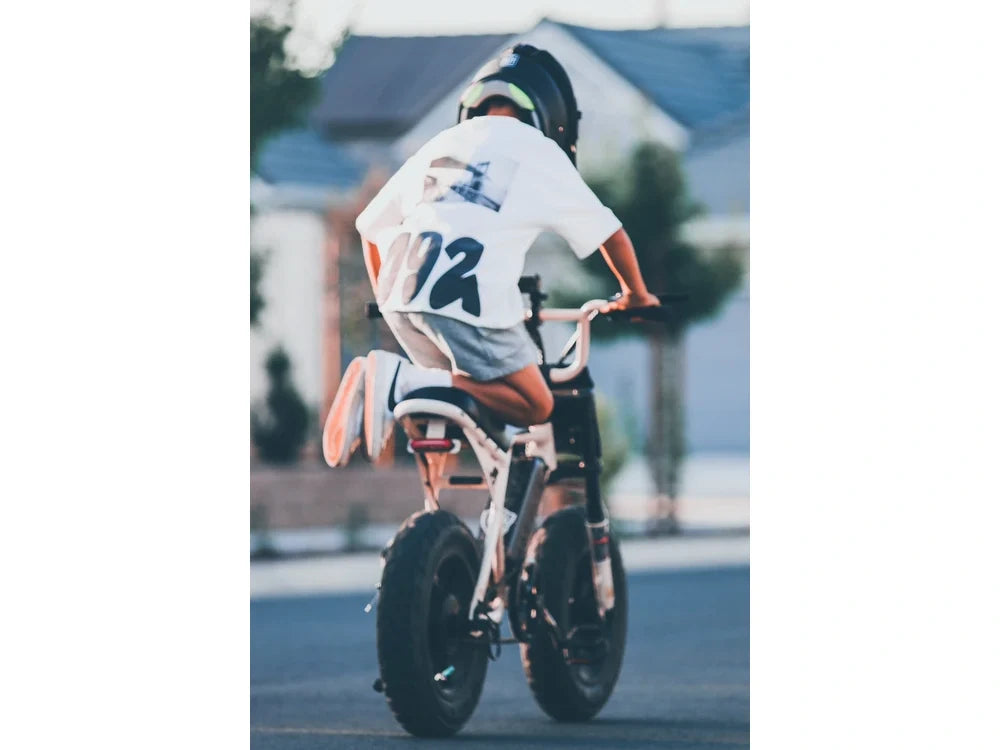
The right buyer for X7 is not asking for a heavy-load rack platform. This buyer wants a bold 20-inch fat-tire model that feels easier to place in normal daily life than a cargo-focused option.
Buyer Profile 4: You Are Sensitive To Storage And Handling
Storage is often where spec-sheet excitement meets reality. Big Dog's rack, payload rating, 20 x 4.0 tires, and long frame all add value for the right buyer. They also make the bike something you should measure before buying.
Check handlebar width, wheelbase, entry space, charging location, rack compatibility, and whether the bike ever needs to be lifted. A strong cargo e-bike is useful only if it fits the place where it will live.
X7 has its own measurement checks. The shorter wheel format can be easier to picture in a home entry, garage corner, or parking area, but the tires are still wide. The rear 20 x 5.0 tire is part of the appeal and also part of the storage check.
Where Macfox X7 Makes Sense
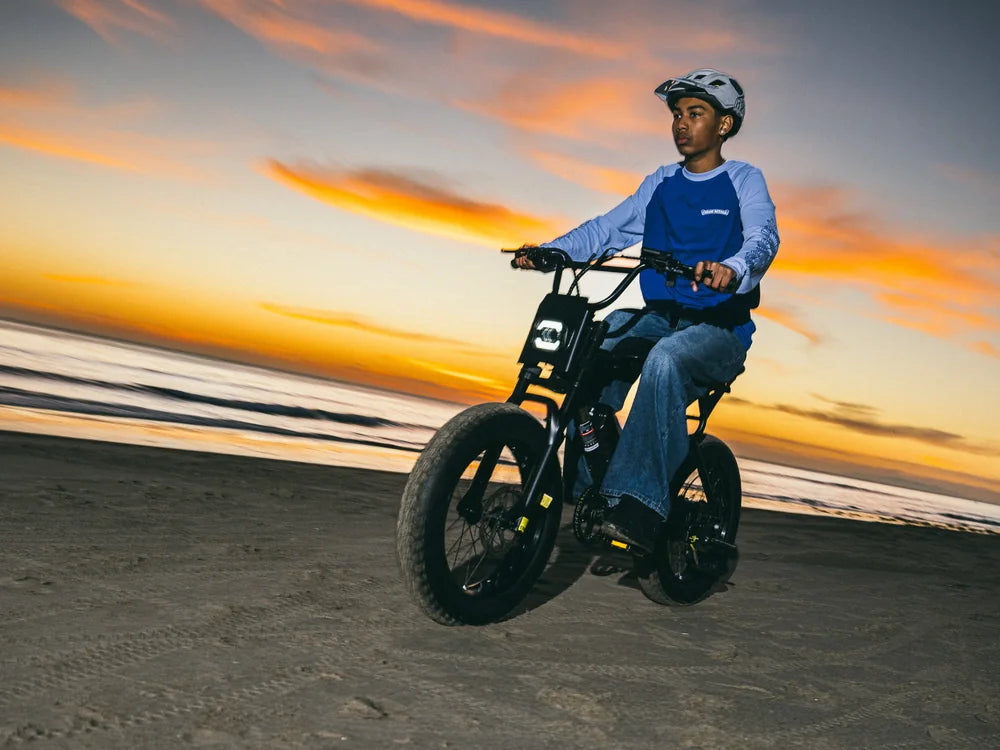
Macfox X7 makes sense after the buyer decides that a cargo-first choice is more bike than the situation requires. It is a different kind of electric bike: a 20-inch fat-tire daily model with a 500W motor, 750W peak output, 20 mph top speed, 624Wh battery, front suspension, hydraulic disc brakes, and optional dual-battery range planning.
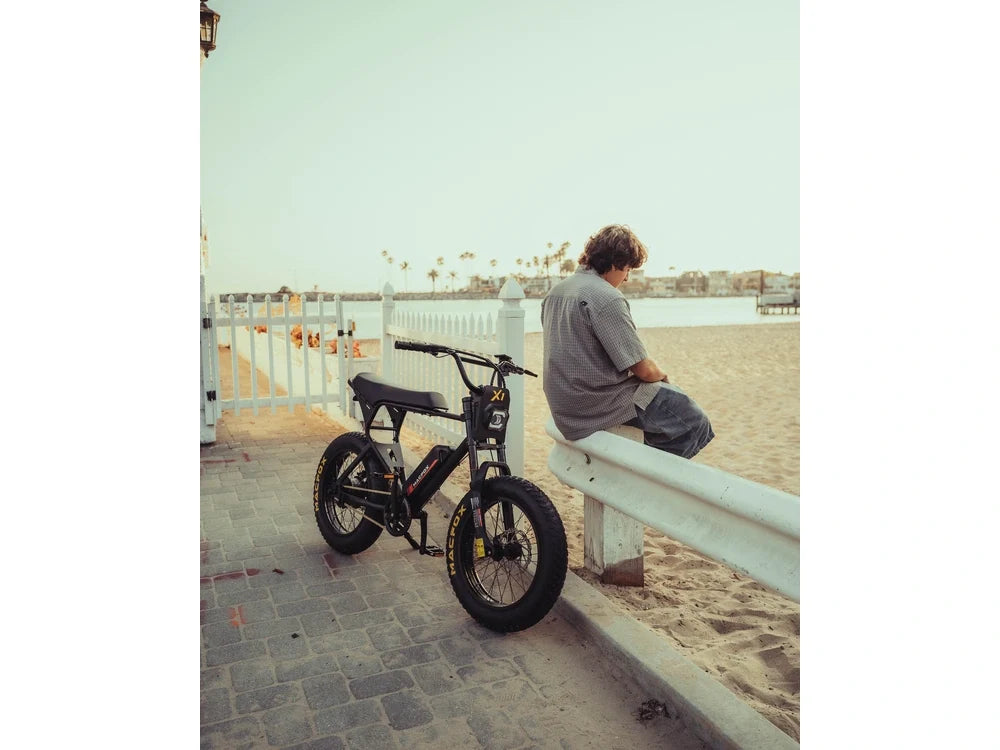
The clean Macfox handoff is this: if you like the idea of a stronger-looking daily fat-tire model but do not need Big Dog's extended rear-rack focus, the Macfox X7 eBike is the model to check. Its front 20 x 4.5 and rear 20 x 5.0 tire setup is the clearest reason it belongs in this comparison.
That does not make X7 the cargo substitute. It makes X7 the cleaner daily-fat-tire alternative for buyers who want presence, comfort, and a shorter-format Macfox route.
Checks That Matter Before Choosing Big Dog
| Question | Why It Matters | Model To Compare |
|---|---|---|
| Do you need cargo capacity as a main reason to buy? | Big Dog is built around payload and rack utility. | Himiway Big Dog |
| Do you want the larger stock battery? | Big Dog's 960Wh battery gives it the stronger single-battery case. | Himiway Big Dog |
| Do you mainly want a wider, shorter daily fat-tire model? | X7 gives the buyer a 20-inch format with a rear 20 x 5.0 tire. | Macfox X7 |
| Is current Big Dog availability important? | The official page showed Sold Out during this review, so dealer path and timing need checking. | Verify before deciding |
| Are brake specs part of the decision? | Big Dog page highlights brakes in one area and lists Tektro ARIES mechanical disc brakes in technical specs. | Confirm current configuration |
| Will the bike fit your storage space? | Big Dog is long and heavy; X7 is shorter but still wide at the tire. | Measure both |
Final Fit Recommendation
Himiway Big Dog may deserve a closer look for riders who want a cargo-style fat-tire e-bike with a 400 lb payload rating, rear-rack utility, a 960Wh battery, and a 20 x 4.0 tire setup. Macfox X7 may deserve a closer look for riders who do not need that cargo role and want a more compact 20-inch daily fat-tire eBike with a front 20 x 4.5 tire, rear 20 x 5.0 tire, stronger visual stance, and optional dual-battery planning.
The fair answer is not that one bike replaces the other. Big Dog wins when cargo capacity and stock battery reserve lead the decision. X7 wins when the buyer wants daily fat-tire presence without the larger cargo-bike commitment.
FAQ
Is Himiway Big Dog better than Macfox X7 for carrying cargo?
Yes. Big Dog is the more natural choice if cargo capacity, rear-rack use, and payload rating are central to the purchase.
Is Macfox X7 a cargo e-bike?
No. X7 should be judged as a 20-inch daily fat-tire eBike with a wide rear tire and optional dual-battery planning, not as a Big Dog cargo substitute.
Which one has the larger stock battery?
Himiway Big Dog has the larger stock battery at 960Wh. Macfox X7 uses a 624Wh battery and can be considered with a dual-battery setup.
Why compare X7 if Big Dog is a cargo model?
Because some buyers start with Big Dog for fat tires and visual presence, then realize they do not need the cargo role. X7 gives those buyers a different Macfox path.
What should buyers check first?
Check Big Dog availability, brake configuration, storage space, payload need, battery expectations, and whether a cargo-first bike is truly necessary.