
Quick Answer
Fiido C11 may fit better if you want a lighter 700C step-through city e-bike with a removable 499.2Wh battery, 7-speed gearing, hydraulic disc brakes, front suspension, included rear rack, fenders, app support, and a wide listed rider-height range. Macfox X1S may fit better if you want a lower 20 x 4.0 fat-tire daily eBike with a simpler single-speed setup, a more compact stance, 20 mph top speed, and optional dual-battery planning.
The most important detail is not brand preference. The Fiido C11 and Macfox X1S solve different daily route problems. C11 is closer to a lighter 700C step-through city bicycle with practical accessories. X1S is a lower fat-tire Macfox model built around a simpler, wider-tire identity.
So the choice should start with frame access, tire shape, storage, charging space, range expectations, and how much setup complexity you want. If you begin there, the comparison becomes clearer than a simple spec list.

The First Split: 700C Step-Through Or 20 x 4.0 Fat Tire?
Fiido C11 is built around a 700C step-through format. Fiido lists CST 700 x 40C geometry, a 5'1"-6'5" rider-height range, adjustable seat and handlebar positions, 54 lb listed weight, and a 264 lb payload rating. That creates a very different shape from X1S.
C11 also comes with details that matter in normal use: hydraulic disc brakes, a shock-absorbing front fork, fenders, a rear rack, a removable 499.2Wh battery, a full-color display, phone charging, a brake light, a horn, and 7-speed gears. The official page frames it as a comfort-first city bike rather than a stripped-down base model.
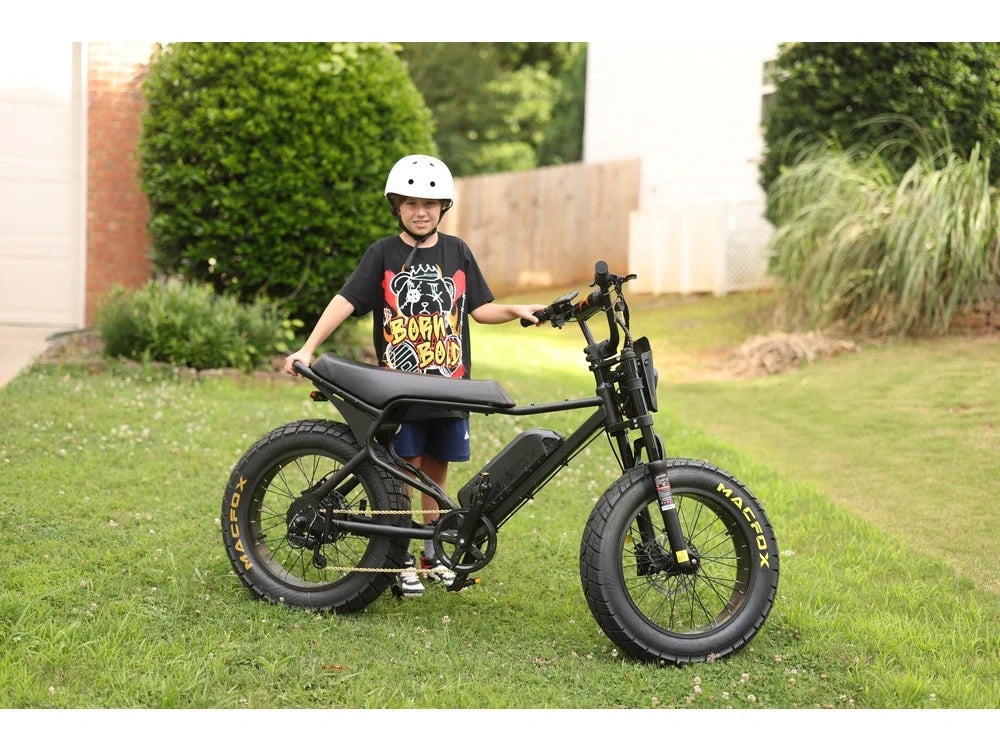
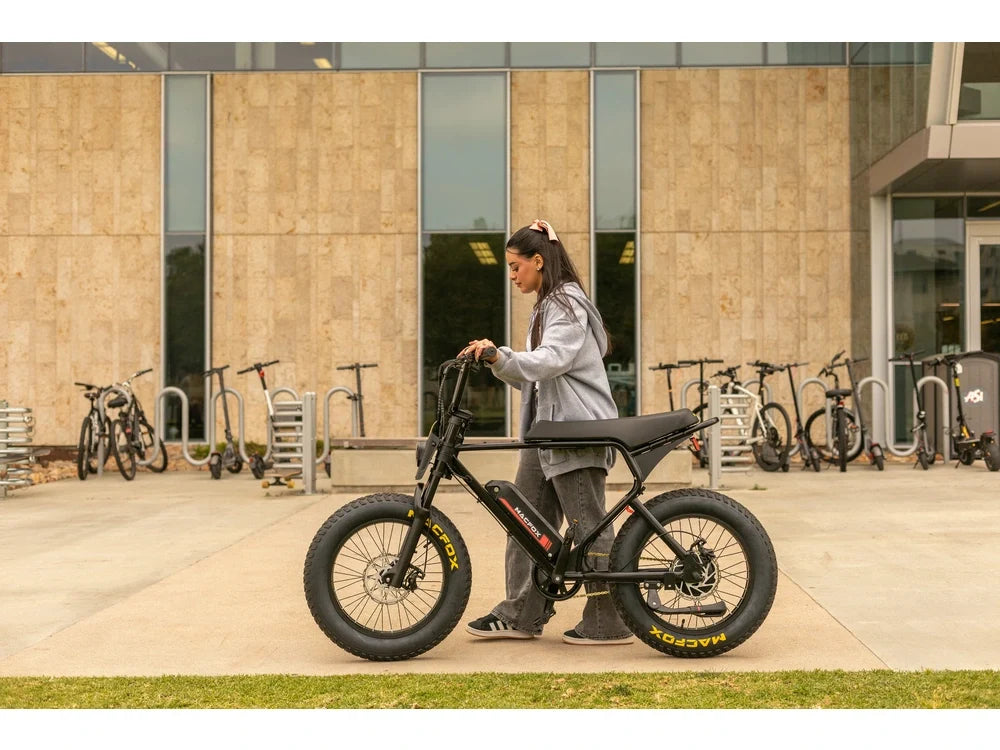
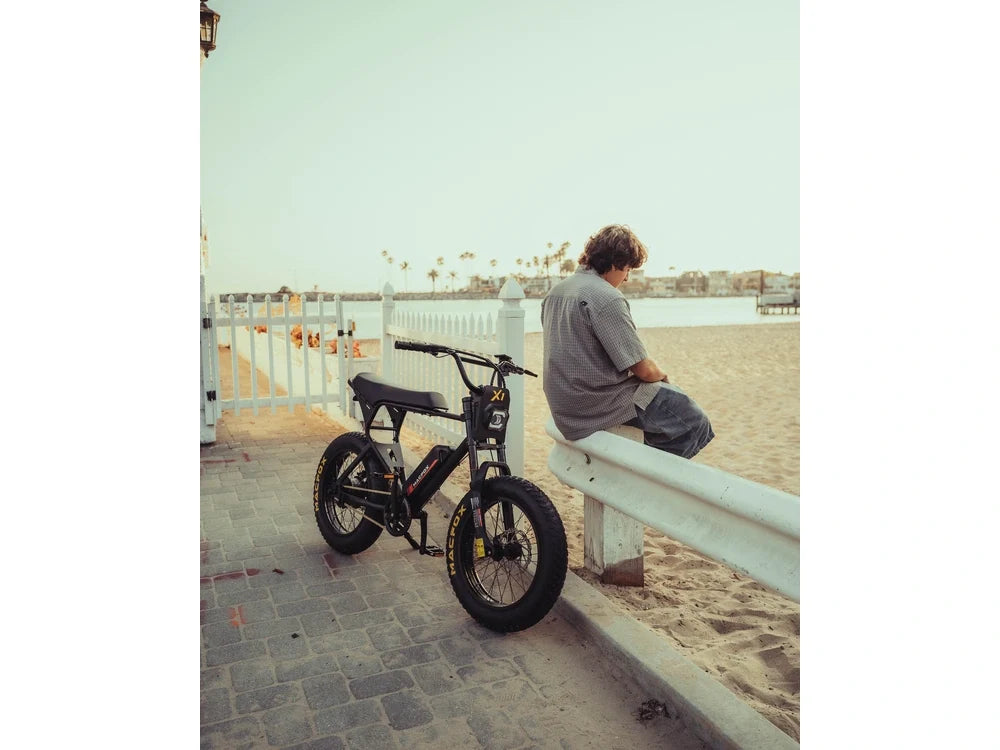
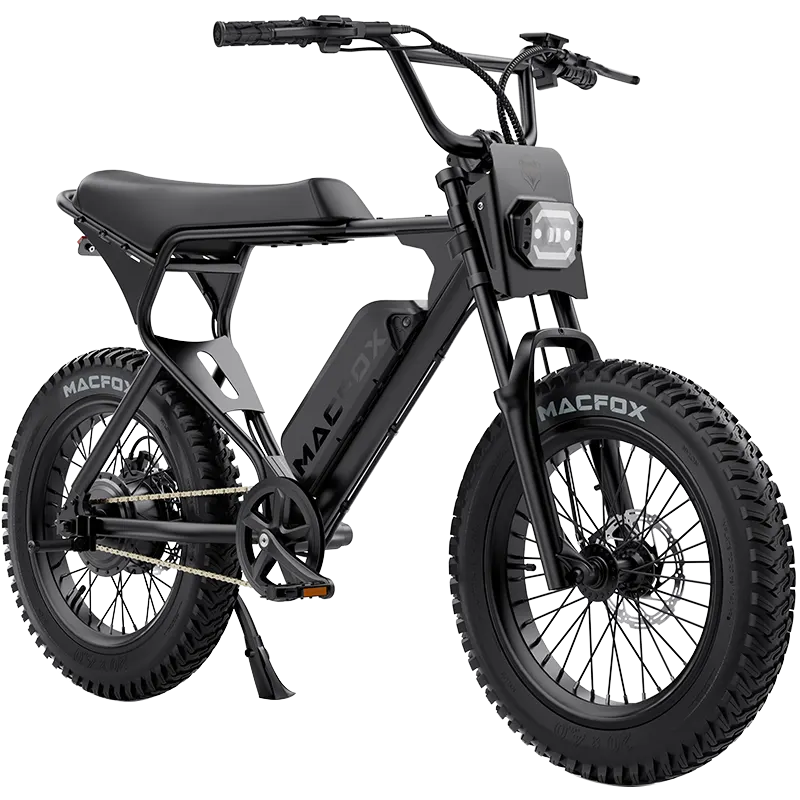
Macfox X1S sits in another lane. It uses 20 x 4.0 fat tires, a 500W motor with 750W peak output, a 20 mph top speed, front suspension, hydraulic brakes, a single-speed setup, and a lower visual stance. That does not make it a C11 substitute. It gives a different daily answer for riders who prefer wider tires, simpler controls, and a lower bike format.
What Fiido C11 Is Actually Offering
The C11 value story is practical equipment at a moderate price point. When checked on June 12, 2026, Fiido displayed C11 at $1,099 with a $1,209 regular price, plus 2-year warranty language and 30-day return language. Those details matter because C11 shoppers often care about the complete purchase package, not only the motor line.
Fiido lists a 55 N.m motor, 5 assist levels, 7-speed gearing, a removable 499.2Wh battery, IP54 full-bike water resistance, hydraulic disc brakes, and 700C puncture-proof tires with reflective sidewalls. The C11 page also lists a rear rack included and an optional front basket, so buyers who carry small daily items should include those parts in the comparison.
The range section is more useful than a single headline number. Fiido shows 56.44 miles in ECO pedal assist, 41.33 miles in Normal, 40.32 miles in Sport, 39.28 miles in Turbo, and 38.83 miles in Turbo+. It also shows throttle range examples and states that range changes with terrain, load, wind, temperature, surface type, stops, rider weight, load, and tire pressure.
Do Not Mix C11 With C11 Pro
This is one of the most important buying checks. Fiido's comparison table lists C11 beside C21, C11 Pro, and Air. In that table, C11 has a 55 N.m motor, 48V 499.2Wh battery, removable battery, 54 lb listed weight, 264 lb payload, and no torque sensor. C11 Pro is the model that adds the torque sensor in that comparison.
That means a buyer should not read a C11 Pro spec or review and apply it to the standard C11. The standard C11 may still make sense, but the reason should be its step-through frame, 700C tire format, removable battery, hydraulic brakes, 7-speed gearing, included rear rack, and lighter city-bike shape.
This distinction also keeps the Macfox comparison fair. X1S is not competing against a made-up C11 with Pro features. It is being compared against the standard C11 as Fiido currently presents it.
What The FAQ And Owner Signals Add
Fiido's FAQ fills in practical details that buyers often miss. It says the throttle can be disabled, lists top speed at 15.5 mph, gives rear rack capacity as 55 lb / 25 kg, explains app pairing, and points buyers to test ride or service-center lookup. These are not exciting specs, but they affect daily ownership.
The page also shows a large owner-review feed. The useful takeaway is not to quote every reaction. It is that buyers should look for repeated notes about assembly, seat comfort, hill feel, range, packaging, and support path before deciding. Those are the questions that matter once the first week of ownership begins.
For C11, the strongest owner-facing question is simple: do you want a lighter 700C step-through platform with more built-in city equipment, and are you comfortable with its listed speed, battery size, app layer, and standard cadence-style feel? If yes, C11 has a coherent case.
Where Macfox X1S Fits Without Forcing The Match
Macfox X1S enters when the rider wants a different bike shape from the start. It is lower, visually wider, and simpler than C11. Instead of 700C tires and a step-through city frame, X1S uses 20 x 4.0 fat tires and a single-speed Macfox setup.
If a lower 20 x 4.0 fat-tire daily eBike with optional dual-battery capacity and a single-speed drivetrain fits your routine, compare the Macfox X1S eBike. It is a different choice from the C11 for riders who prefer a lower stance and wider-tire daily feel.
The tradeoff is also clear. C11 gives a lighter listed weight, step-through access, 7-speed gearing, rear rack, fenders, and a 700C city-bike shape. X1S gives a more compact wheel format, fat-tire presence, a 20 mph Macfox speed cap, and a simpler model choice.
Decision Map
| Decision Area | Fiido C11 | Macfox X1S | What It Means |
|---|---|---|---|
| Bike shape | 700C step-through city format. | 20 x 4.0 fat-tire Macfox format. | C11 feels closer to a lighter city bicycle; X1S feels lower and wider. |
| Listed weight | 54 lb. | 65 lb. | C11 is easier to consider if lifting weight is a major issue. |
| Battery path | 499.2Wh removable battery with Fiido range testing by assist level. | 500Wh single battery, with a listed dual-battery path up to 56 miles. | C11 is clearer as a single-battery city setup; X1S matters if you plan around a second battery. |
| Ride controls | 7-speed gearing and 5 assist levels; standard C11 is not listed with a torque sensor. | Single-speed setup with a simpler Macfox control story. | C11 gives more pedal-side adjustment; X1S reduces choices. |
| Accessories | Fenders and rear rack included; optional front basket. | Simpler base format focused on the bike itself. | C11 is better if bundled practical equipment is part of the purchase. |
| Fit path | 5'1"-6'5" listed height range and step-through access. | Recommended rider height: 5'3"+. | C11 offers easier frame access; X1S needs fit and stance confirmation. |
Consider Fiido C11 If These Details Matter Most
Consider C11 if you want easy frame access. The step-through frame is a real advantage for riders who do not want to swing a leg over a higher top tube, or who want easier mounting with a bag, rear rack load, or limited flexibility.
Also compare C11 if you want a lighter listed bike with more built-in practical equipment. A 54 lb listed weight, fenders, rack, front fork, hydraulic brakes, brake light, horn, and 7-speed gears make C11 a more complete city package from the product page alone.
C11 is also the cleaner pick if the 700C tire shape is part of the appeal. That larger wheel format can feel more familiar to riders coming from regular bicycles. If that is what you want, a 20-inch fat-tire bike should not be forced into the same box.
Consider Macfox X1S If These Details Matter Most
Consider X1S if the lower 20 x 4.0 fat-tire format is the reason you are shopping. The bike has a more distinct Macfox look, a wider tire stance, and a simpler single-speed setup. That can be more appealing than a taller 700C city bike if you want a compact fat-tire feel.
X1S also makes sense if you want the choice to stay simple. With C11, you should compare C11, C11 Pro, C21, and current Fiido family details carefully. With X1S, the question is more direct: does the Macfox X1S fit your height, storage, charging plan, and preferred tire style?
The Macfox limitation should stay visible. X1S is not a universal answer for every rider. If you need step-through access, lighter listed weight, rack-and-fender equipment from the start, or 7-speed gearing, C11 may fit more naturally. X1S wins only when its lower fat-tire layout is the better match for the rider.
Buying Checks Before You Decide
- Confirm the exact C11 version. Do not import C11 Pro torque-sensor expectations into the standard C11.
- Measure storage and lifting needs. C11 is lighter by listing, but X1S has a lower 20-inch wheel format and wider tires. Measure both shapes.
- Check range by assist level. Fiido publishes multiple C11 range test rows. Compare the row that resembles how you actually ride, not only the largest number.
- Decide whether gears matter. C11 has 7-speed gearing. X1S is simpler. That difference is important if your route includes many speed changes.
- Review rack needs early. C11 includes a rear rack and lists rack capacity. If carrying items is central to the purchase, include that in the price comparison.
- Check local rules. Confirm throttle use, assisted speed, and where each setup is allowed before buying.
- Verify after-sale path. Check warranty, return window, local service options, and replacement-parts access for the exact model you choose.
Verdict
Consider Fiido C11 if you want a lighter 700C step-through city e-bike with a removable 499.2Wh battery, hydraulic brakes, front suspension, 7-speed gearing, fenders, rear rack, app support, and easier frame access. Consider Macfox X1S if you want a lower 20 x 4.0 fat-tire daily eBike with a simpler single-speed setup, a current Macfox product path, and optional dual-battery planning.
The fair choice is not about declaring one brand universally better. C11 is a stronger fit for riders who want step-through access and city-bike equipment. X1S is a stronger fit for riders who want Macfox's lower fat-tire format and simpler decision path. Match the bike to the route, storage space, and rider fit first.
Frequently Asked Questions
Is Fiido C11 the same as Fiido C11 Pro?
No. Fiido's comparison table lists the standard C11 without a torque sensor, while C11 Pro is shown with one. Buyers should confirm the exact model before comparing reviews or specs.
Does Fiido C11 have a removable battery?
Yes. Fiido lists a removable 48V 499.2Wh battery for C11.
Which bike is lighter by listed weight?
Fiido C11 is lighter by listing at 54 lb. X1S is heavier, but uses a lower 20 x 4.0 fat-tire format, so storage and handling should still be judged in person when possible.
Which one has the stronger accessory package?
Fiido C11 has the stronger built-in practical package because the page lists fenders, rear rack, brake light, horn, front suspension, hydraulic brakes, and optional front basket support.
Is Macfox X1S a direct replacement for Fiido C11?
No. X1S is a different daily eBike lane. It fits riders who prefer a lower 20 x 4.0 fat-tire Macfox model, while C11 fits riders who prefer 700C step-through access and city-bike equipment.