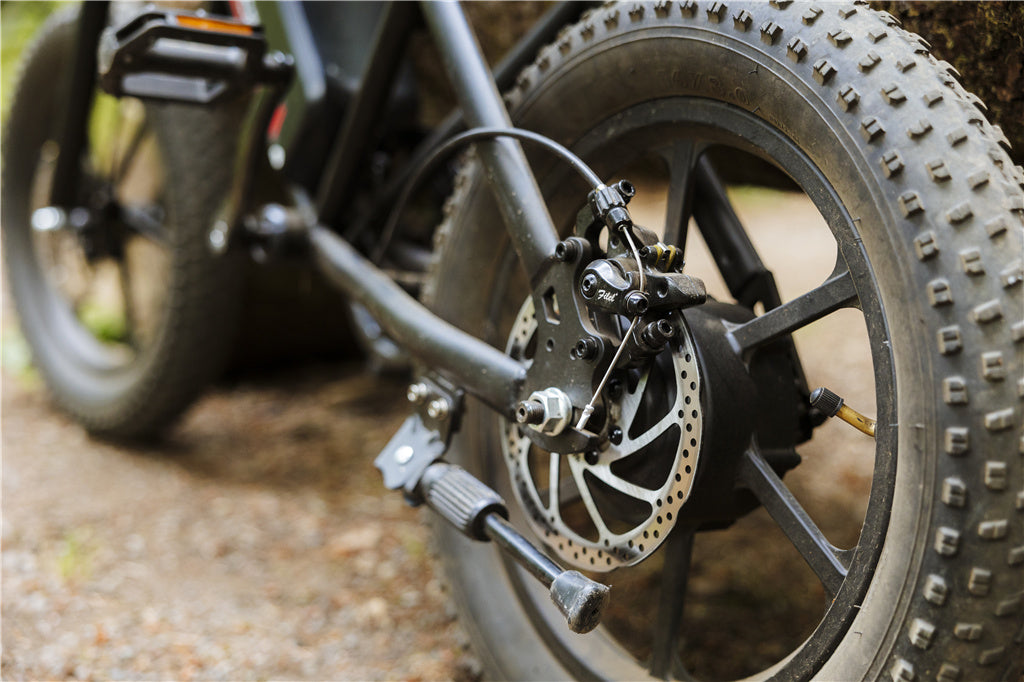

The new pads fit the caliper, but then you spot the small print on the rotor: RESIN PAD ONLY. If the pads are metallic or sintered, stop there. That marking is a compatibility restriction, not a suggestion about noise. Don't ride the combination to see whether it works.
You may only need to exchange the pads. If you've already ridden with them, the rotor needs attention too. The first step is finding out exactly what's fitted.
Check the Compound, Not Just the Shape
Match three things: the rotor model and its pad restriction, the replacement pad's part number and compound, and the caliper model. Take photos of the markings and keep the packaging.
A metal backing plate does not make a pad metallic. The compound is the friction material bonded to that plate. Check its specification rather than guessing from color or the fact that it slides into place.
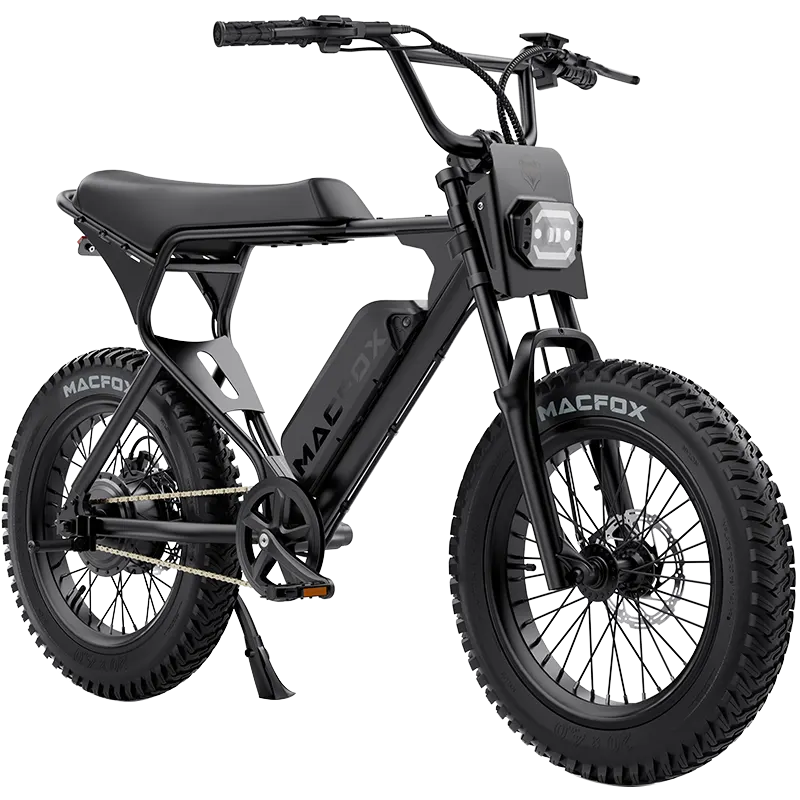
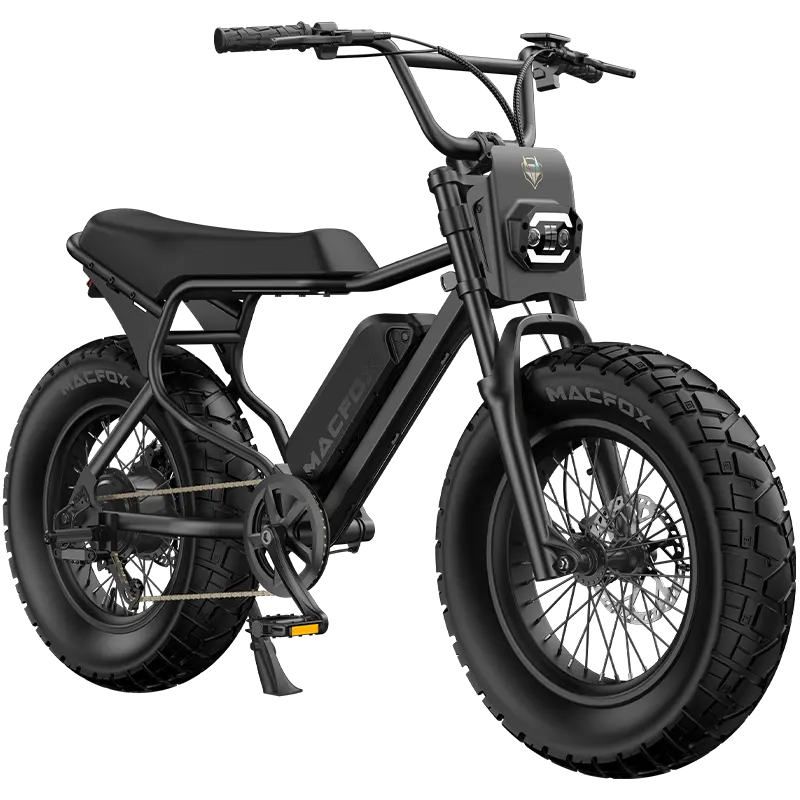
For electric bikes, the bike's model name alone isn't enough, particularly if someone has changed the brakes. Identify the components actually installed. If a third-party pack says semi-metallic, don't assume that means it's allowed on a resin-only rotor; get confirmation for that exact combination.
Did You Catch It Before Riding?
- Still in the package: Exchange the pads for a set approved for both the caliper and rotor. Buying the wrong compound doesn't mean the whole brake needs replacing.
- Installed, but not ridden: Correct the mismatch before a road test. Don't try to make the parts compatible by bedding them in.
- Already ridden: Stop using the combination and have the rotor inspected. Metal pads can damage a rotor restricted to resin pads; fitting different pads won't undo existing wear or damage.
Tell the technician how the bike was used, but don't treat a short distance as proof that nothing happened. Ask for the braking track to be checked for damage and measured against that rotor's wear limit. A quiet brake or a rotor that looks shiny isn't a pass.
Change the Pads, or Change the Setup?
If the rotor is serviceable and its manufacturer's instructions allow continued use, approved resin pads may resolve the mismatch. Where the brake maker requires a new rotor when changing compounds, follow that requirement too.
Keeping the metallic pads takes a different check: the caliper must allow them, and the replacement rotor must support that compound and fit the system. Matching diameter alone isn't enough; thickness, mounting interface and pad-contact compatibility matter.
Don't turn a wrong pad purchase into an unplanned brake upgrade. Once the parts are confirmed, our disc brake pad replacement guide covers the broader job. Use the component manufacturer's instructions for the exact hardware.
Before the Next Ride
Have the installation checked and follow the applicable bedding-in procedure for the corrected combination. If stopping power is poor, the lever travel feels wrong, or grinding continues, stop and have the brake serviced. The goal isn't simply to silence it; it's to restore a compatible, properly functioning brake.