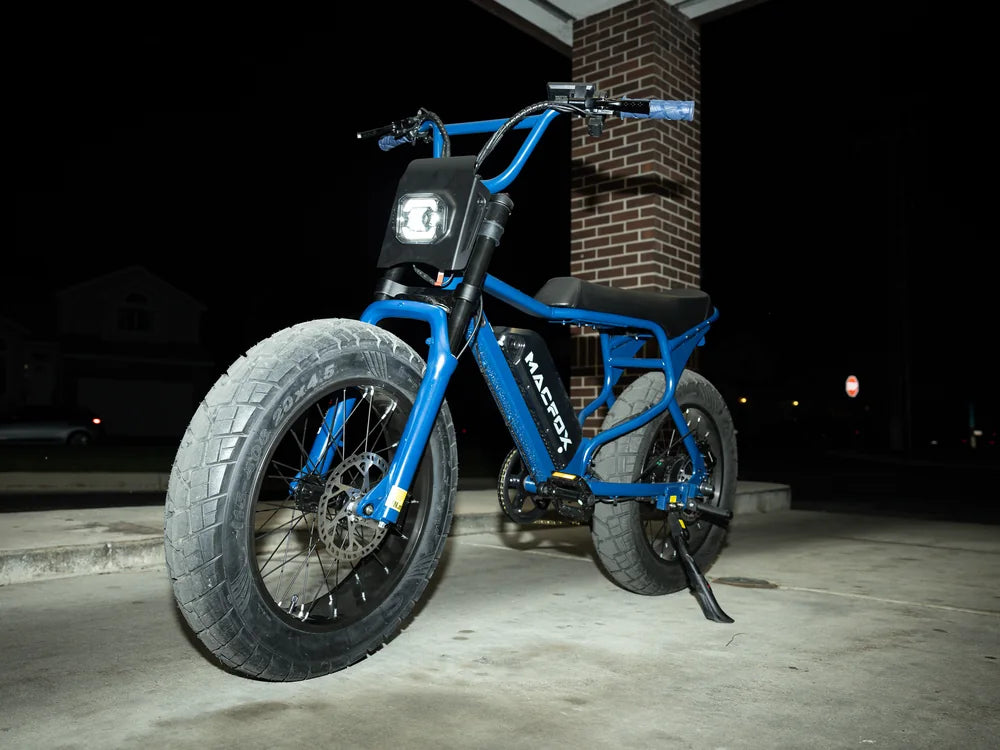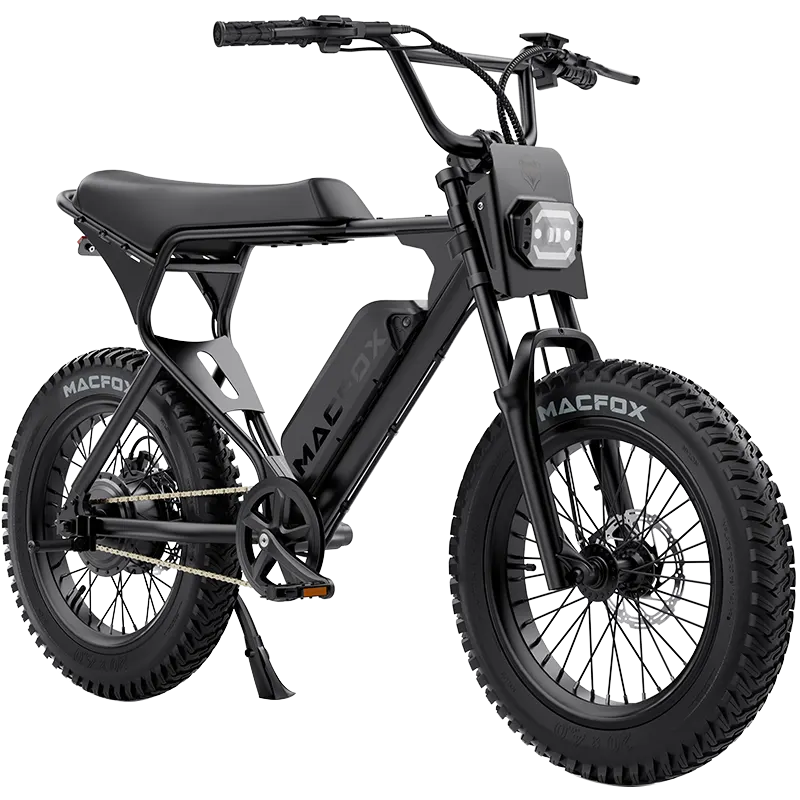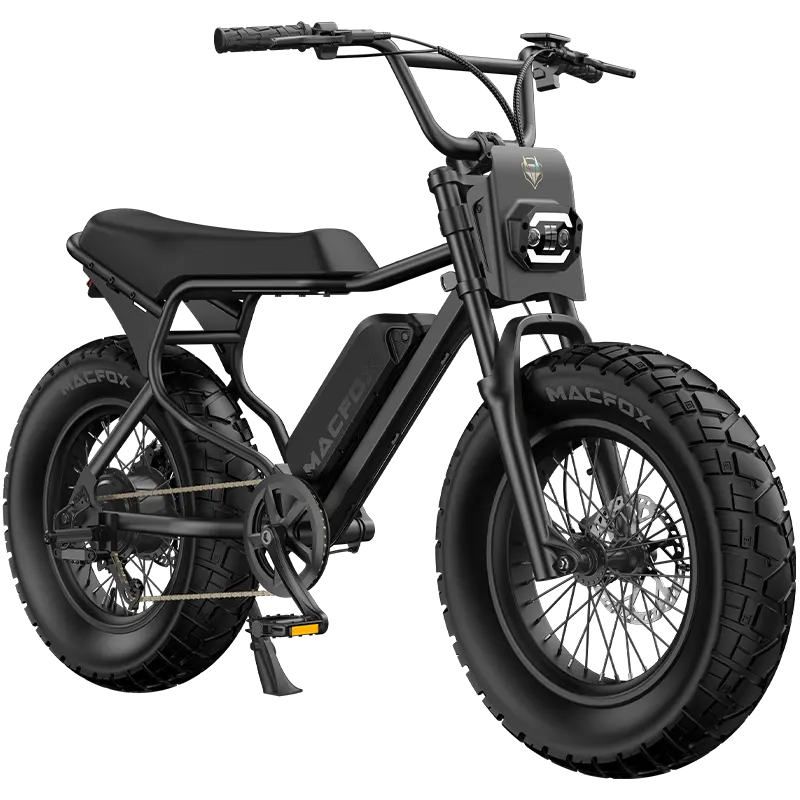

A cover that protects an e-bike while it is parked can become a different object at road speed. Before leaving it on a rack-mounted bike, confirm that the cover, rack, vehicle position, and route are approved as one transport setup. A snug fit in the driveway does not answer that question.
Separate Storage Use From Road Use
Look at the cover instructions first. Words such as outdoor, weather-resistant, or storage do not mean highway transport. A road-approved cover should identify the intended carrying position and its attachment method rather than relying on a drawstring or elastic hem alone.
Then read the rack manual. Some rack makers prohibit any cover because wind pressure changes the load on the rack and hitch. If either product is silent or says not to use a cover during transport, remove it.
Require Permission From Both Systems
Approval from a cover company does not override the rack maker's limits, and an RV or vehicle label on a rack does not approve every cover. Check the exact rack model, number and position of bikes, vehicle mounting location, and any speed or route restrictions stated by both manufacturers.
Do not estimate permission from online photos or from another rider's successful trip. A different bike profile, rack position, or vehicle can create a different load path.
Keep Restraints and Required Equipment Visible
A cover must not hide a loose wheel strap, prevent a hook from closing, press against a brake lever, or make the rack's movement impossible to inspect. It must also leave required lights and the license plate visible according to the rules that apply to the vehicle.
Before every departure, check each primary restraint directly. Do not assume the cover will contain the bike if a rack strap loosens. Stop after a short initial drive only if the manufacturer instructs you to recheck the approved setup; never stand in an unsafe traffic area to do so.
Inspect the cover's own seams, attachment points, and loose fabric before reuse. A torn panel or stretched strap changes how air reaches the covered bike. Repairing it with an improvised tie does not restore an approval that depends on the original attachment system.
Remove the Cover When the Combination Is Unclear
If road use is not explicitly permitted by both systems, transport the bike uncovered and use the cover after arrival. The e-bike hitch rack guide helps trace the other limits that still apply.
Protect removable displays or accessories separately only when their instructions allow removal. Weather exposure should be managed with the bike maker's transport guidance, not by adding an unapproved full cover around the rack.
For any electric bike, the cover is secondary equipment. It should never conceal an uncertain fit or add an unapproved road load to an otherwise compatible rack.