
Electric bikes are allowed on many trails in Maryland, but access is determined almost entirely by which agency manages the trail, not by a single statewide rule. Riders often encounter different e-bike policies within the same ride because state rail-trails, county park systems, and federal corridors apply separate standards. Understanding who controls a trail is the fastest way to determine whether riding is permitted.
This article is compiled from publicly available guidance issued by Maryland state agencies, county park systems, and federal land managers, and organized to reflect how trail access actually works in real riding conditions.
This guide explains where e-bikes are allowed on trails in Maryland by mapping access rules to real trail systems rather than abstract legal definitions.
Are e-bikes allowed on trails in Maryland?

E-bikes are allowed on Maryland trails only where bicycles are explicitly permitted, and access depends on the managing authority. Maryland does not apply a blanket rule that opens or closes all trails to electric bicycles. Instead, trail designation and surface type determine access.
In practice, paved rail-trails and commuter corridors are far more accessible than park interior or natural-surface trails.
The Maryland Department of Natural Resources (DNR) sets statewide park policies for trail access. For more details on their policies, visit the Statewide Park Policies page.
How trail management affects e-bike access in Maryland
Maryland trail access is unusually fragmented compared to many states. A single ride may pass through county land, state land, and federal land, each with different rules.
The table below reflects how e-bike access typically works across Maryland trail systems.
Maryland E-Bike Trail Access by Management Type
| Trail system type | Typical e-bike access | What riders should expect |
| Urban & metro shared-use paths | Commonly allowed | Treated the same as bicycles; limits come from congestion |
| County park multi-use trails | Often allowed on paved routes | Natural-surface trails are frequently restricted |
| State rail-trails | Explicitly allowed (mainly Class 1) | Access limited to named corridors |
| State park interior trails | Limited | Bikes allowed only on designated routes |
| Federal land corridors | Restricted | E-bikes allowed only where bikes are allowed |
This structure explains why Maryland riders often see legal access change within a few miles.
Where are e-bikes allowed on urban and shared-use paths?

Urban shared-use paths provide the most predictable access for e-bikes in Maryland, especially around the Washington-Baltimore corridor. These trails are built for transportation and daily movement rather than recreation alone.
Well-known examples in Maryland include the Capital Crescent Trail between Bethesda and Silver Spring and the Anacostia Riverwalk Trail in Prince George's County, where e-bikes are generally treated the same as traditional bicycles.
On these paths, practical limits come from intersections, crowding, and sightlines rather than from motor assistance.
What rules apply on county-managed trails?
County park systems control a large share of Maryland's trail mileage, and access rules often depend on surface type.
Trail systems such as those within Rock Creek Stream Valley Park and along the Sligo Creek corridor illustrate how paved multi-use trails usually allow e-bikes, while narrow or natural-surface paths frequently prohibit all bicycle use.
For riders, posted signage and county guidance matter more than statewide law when entering these systems. To read more about the rules for Montgomery Parks trails, check the Park Trails and Use Rules page.
Are suburban connector trails open to e-bikes?
Suburban connector trails in Maryland are commonly used for schools, errands, and short trips rather than tourism. These routes usually accept e-bikes wherever bicycles are allowed.
Trails such as the Baltimore & Annapolis Trail and the WB&A Trail show how e-bikes are integrated into everyday bicycle traffic, with enforcement focused on speed control and yielding rather than equipment type.
What about Maryland State Parks and rail-trails?

Maryland State Parks apply route-specific access, not system-wide permission.
Designated rail-trails such as the Torrey C. Brown Rail Trail and the Western Maryland Rail Trail explicitly allow e-bikes under defined conditions, typically limited to Class 1 models. To learn more about the Torrey C. Brown Rail Trail, visit the Torrey C. Brown Rail Trail page. For details on the Western Maryland Rail Trail, refer to the Western Maryland Rail Trail page.
In contrast, most interior park trails allow riding only on posted routes or park roads, with hiking-only trails remaining closed to all bikes.
How does federal land affect e-bike access in Maryland?
Federal land follows national policy, which ties e-bike access directly to bicycle access.
Along the Chesapeake & Ohio Canal National Historical Park, bicycles are permitted on the towpath, and e-bikes follow the same access. Side trails and hiking routes within the park are typically restricted unless bicycle use is clearly allowed. To find out more about biking in this park, visit the C&O Canal National Historical Park Bicycling page.
Federal corridors are consistent but narrow in scope. For more information on the National Park Service’s E-Bike Policy, check the E-Bike Policy page.
Does e-bike class change where you can ride in Maryland?
E-bike class matters less than trail designation in Maryland, but distinctions still appear in crowded or protected settings.
Class 1 e-bikes are the most widely accepted across paved corridors and rail-trails. Class 2 and Class 3 models may face limits on busy urban paths or where local rules emphasize speed control.
This encourages riders to stay on designated corridors rather than attempting to access park interior trails.
Everyday e-bike riding patterns in Maryland
In Maryland, electric bikes function best as corridor mobility tools rather than off-road vehicles.
Common riding patterns include:
-
Commuting on metro shared-use paths
-
Errand riding on suburban connectors
-
Recreational riding on state rail-trails
Within these permitted environments:
-
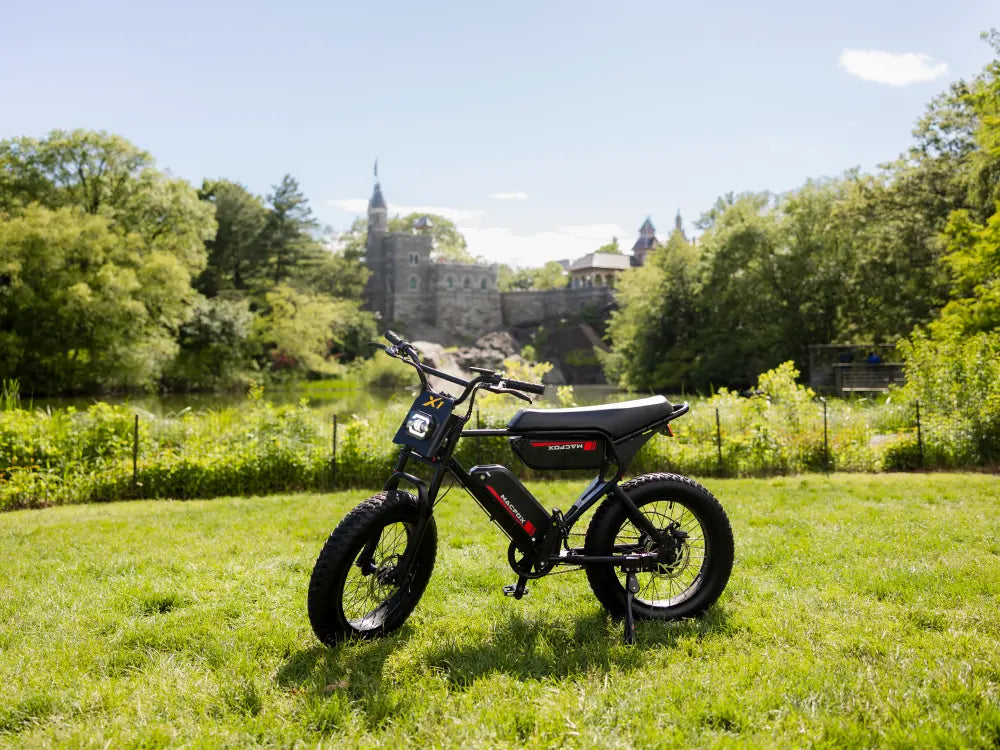
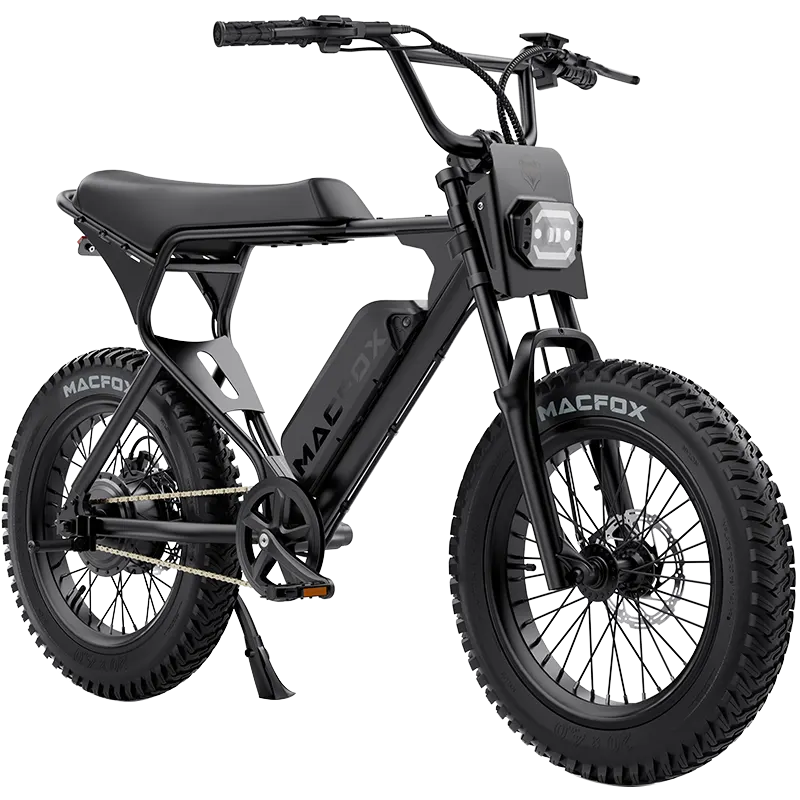
Macfox X1S ebike fits dense urban shared-use paths where smooth, predictable pedal assist matters more than speed.
-
Macfox M16 electric bicycle works well for family riding on suburban connectors with frequent stops and crossings.
-
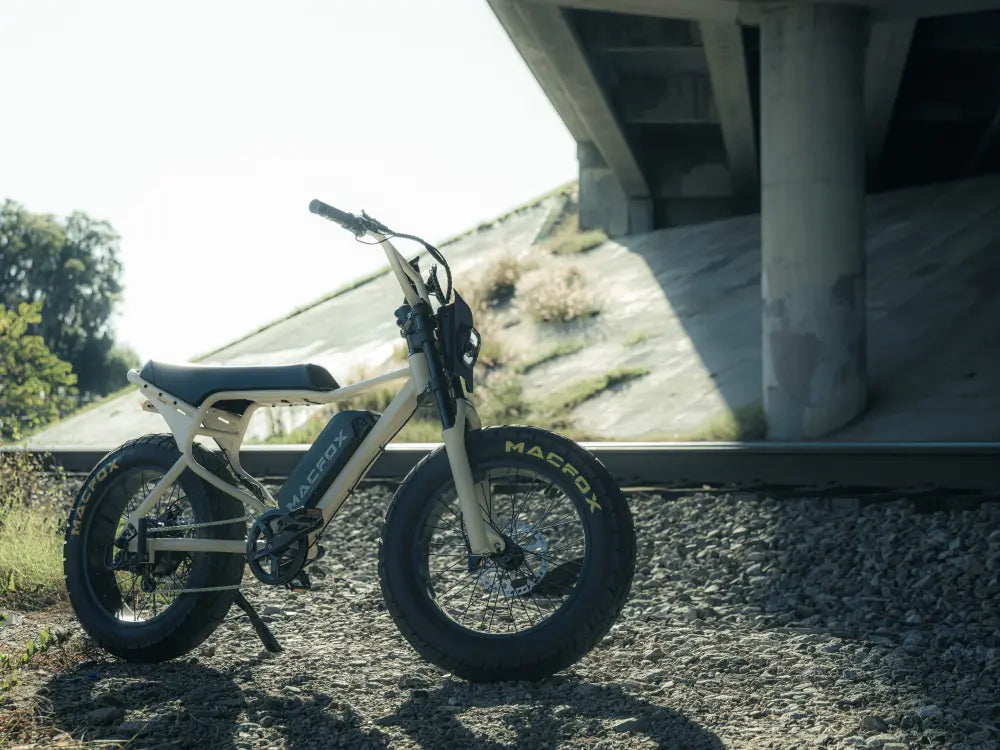
Macfox X7 e-bike supports longer paved corridors such as state rail-trails, where rider comfort over distance is the priority.
These models align with where e-bikes are actually permitted in Maryland rather than restricted park interior trails.
What Maryland riders should check before entering a trail
Before riding any trail in Maryland, riders should identify who manages the land, confirm that bicycles are allowed on that specific route, and review posted rules at trailheads or surface changes.
This single step prevents most access conflicts.
Final Takeaway: Maryland Trail Access Is Management-Driven
In Maryland, e-bike trail access is defined by who controls the trail, not by a single statewide rule.
-
Urban shared paths offer the broadest access
-
County systems vary by surface type
-
State parks allow only designated routes
-
Federal land is the most restrictive
Understanding the managing authority is the key to riding legally and comfortably in Maryland.