
Oregon's approach to e-bike trail access reflects the state's long-standing investment in statewide cycling corridors, urban greenways, and protected public land. Riders quickly notice that access rules change depending on whether a path is part of a city greenway, a state-designated trail, or federally managed land.
This guide explains where electric bikes are allowed on trails in Oregon, using specific, representative locations to show how access works in real settings across the state.
Urban Greenways and City Bike Corridors

Oregon's cities operate some of the most established urban greenway systems in the country, where bicycles are integral to daily transportation.
Representative Oregon locations include:
-
The neighborhood greenway network in Portland
-
City-managed shared paths along river corridors in Eugene
-
Urban multi-use routes connecting residential areas in Salem
These corridors are designed for low-speed, shared use, prioritizing safety and predictability. In these environments:
-
Class 1 e-bikes are commonly treated like bicycles
-
Class 2 e-bikes may face restrictions depending on local signage
-
Class 3 e-bikes are often excluded from narrow or pedestrian-heavy greenways
For parents and younger riders, these city systems provide the clearest and most consistent e-bike access in Oregon.
Statewide Multi-Use Trails and Rail Corridors
Oregon maintains several state-designated multi-use trails intended for long-distance, non-motorized travel, many of which pass through multiple jurisdictions.
Representative examples include:
-
The Banks-Vernonia State Trail (learn more on Wikipedia)
-
Sections of the Willamette Valley Scenic Bikeway where it overlaps with shared-use paths
These trails are generally designed for bicycles and pedestrians. Electric bikes are typically allowed where bicycles are permitted, but managing agencies may apply additional conditions in high-use segments or sensitive areas.
Because these corridors pass through towns, forests, and park boundaries, rules can change along the same trail, making posted guidance essential.
Oregon State Parks: Designated Access Only
Oregon State Parks manage a wide range of natural areas and apply route-specific rules for bicycle and e-bike access.
Representative state park locations include:
-
Stub Stewart State Park
-
Fort Stevens State Park
Within the state park system:
-
Bicycles are allowed only on designated trails and park roads
-
Electric bikes are evaluated by route, not by park
-
Natural-surface hiking trails are more likely to restrict all bikes
For families and young riders, Oregon State Parks function best as road-based or clearly marked multi-use environments, rather than open trail systems.
For more information on designated routes in Oregon State Parks, visit the Oregon Parks and Recreation Bicycling Information page.
Federal Land in Oregon: Trail Access Is Highly Restricted

A significant portion of Oregon's land is managed federally, including national forests and protected recreation areas. These lands follow federal trail classifications that strongly influence e-bike access.
Representative federal locations include:
-
The Mount Hood National Forest
-
The Crater Lake National Park
In these areas:
-
Trails designated for hiking or non-motorized use typically exclude e-bikes
-
Electric bicycles are generally limited to roads open to motor vehicles
-
Trail access must be explicitly permitted to be allowed
Because federally managed land dominates many scenic regions of Oregon, this restriction is a defining factor in where e-bikes are realistically used.
How E-Bike Class Affects Trail Access in Oregon
Oregon trail managers frequently rely on e-bike class distinctions, particularly on shared-use paths and in environmentally sensitive areas.
| Trail Location Type | Class 1 | Class 2 | Class 3 |
| City greenways (Portland, Eugene) | Common | Limited | Rare |
| State multi-use trails (Banks-Vernonia) | Common | Conditional | Rare |
| State park designated routes | Limited | Rare | No |
| Federal land trails | No | No | No |
This structure encourages riders to plan routes that connect permitted city paths and state corridors, rather than attempting to enter restricted natural trails.
Everyday E-Bike Use Around Oregon Trails
In Oregon, electric bikes are most often used as connective transportation, especially in regions where urban paths link directly to parks, schools, and regional trails.
Typical patterns include:
-
Riding neighborhood greenways in Portland-area communities
-
Using state trails as transportation corridors between towns
-
Combining city bike routes with short road segments
Within these permitted environments:
-
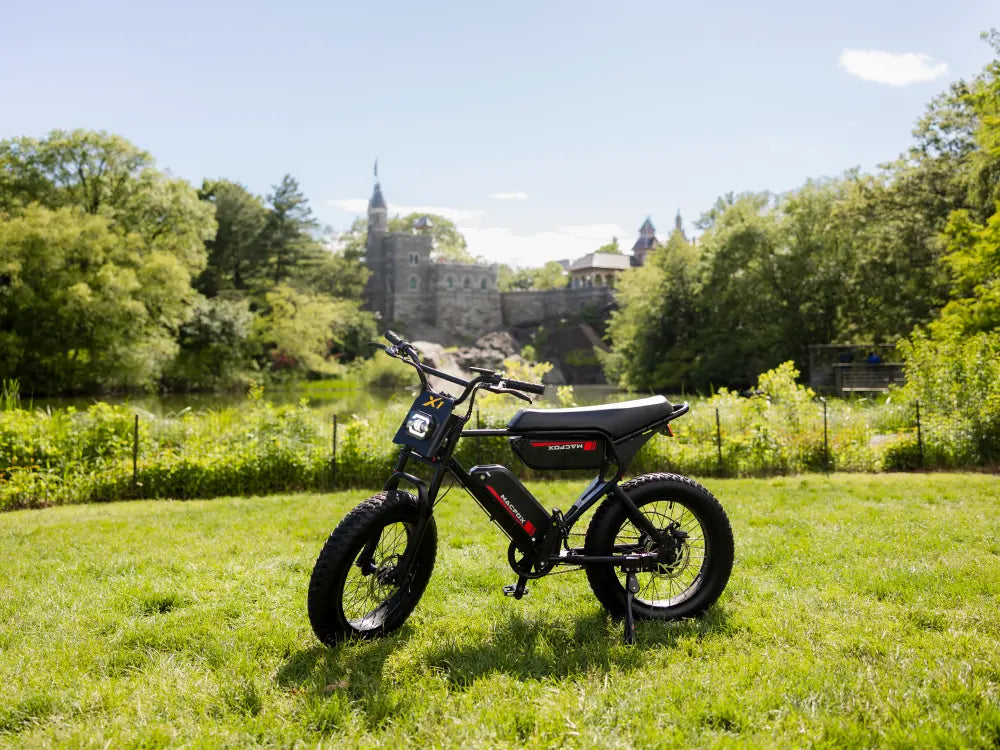
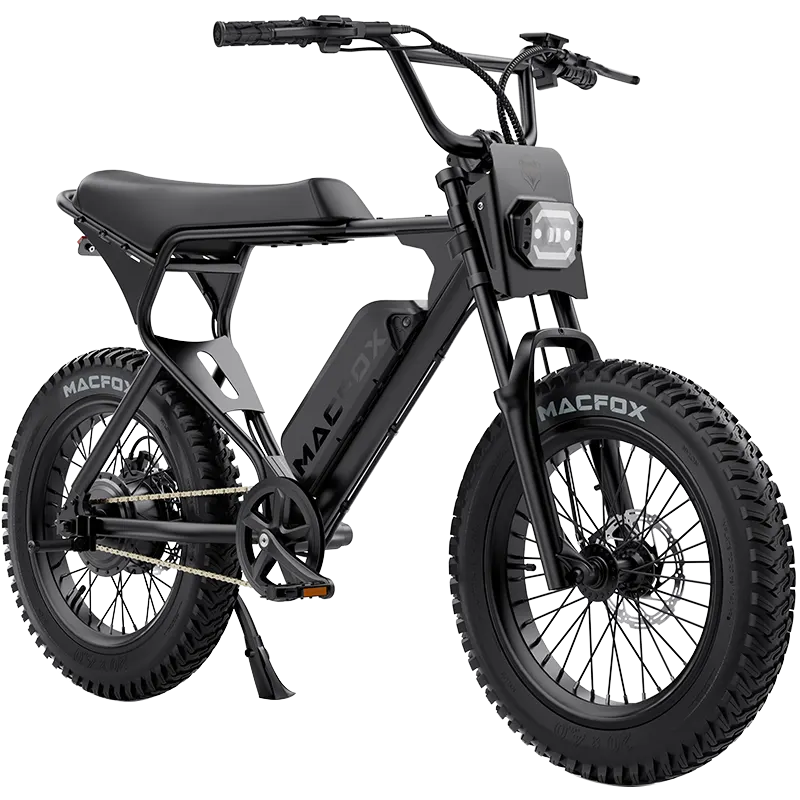
Macfox X1S ebike fits structured urban greenways where smooth pedal assist supports shared use.
-
Macfox M16 electric bicycle works well for family riding on neighborhood paths near schools and local parks.
-
Macfox X7 e-bike supports longer shared corridors and state trail segments where comfort and stability matter over distance.
These electric bikes align with Oregon's clearly designated riding environments, rather than restricted wilderness trails.
What Oregon Riders Should Check Before Entering a Trail
Before riding any trail in Oregon, riders should:
-
Confirm whether the land is city-, state-, or federally managed
-
Identify whether the route is a designated bike or multi-use trail
-
Read posted rules carefully, especially where jurisdictions overlap
This approach helps preserve access and avoids conflicts on shared paths.
Final Takeaway: Oregon Trail Access Is Corridor-Based

In Oregon, e-bike trail access depends on whether a path is part of a designated corridor.
-
Urban greenways provide the most reliable access
-
Statewide trails allow e-bikes with local variations
-
State parks restrict access to designated routes
-
Federal land trails are usually off-limits
Understanding these Oregon-specific patterns helps parents and young riders choose routes that are both practical and permitted.