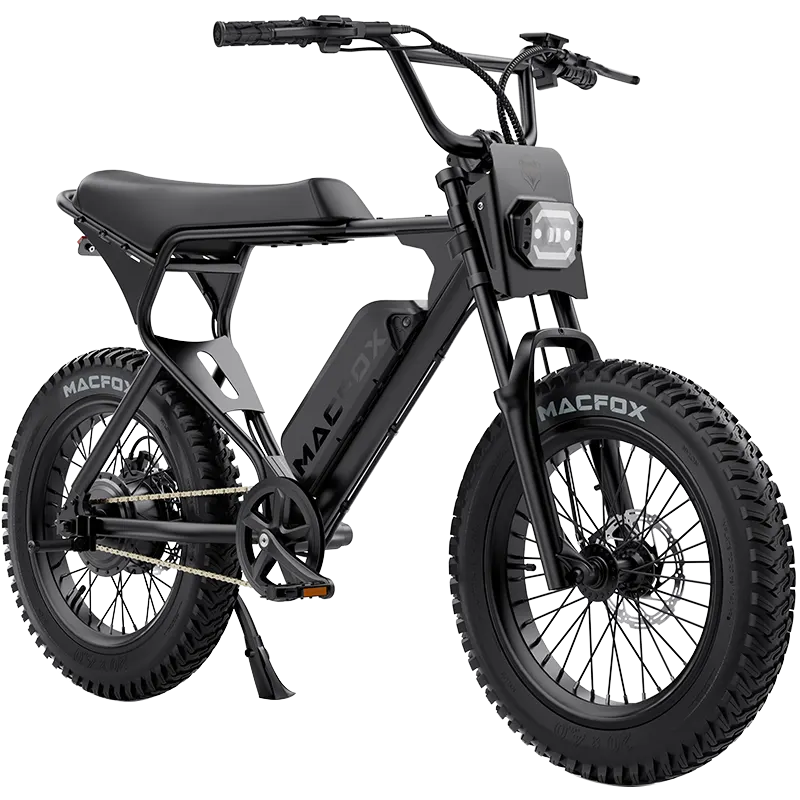

New Jersey's trail access for an electric bike is shaped by dense metro waterfronts, long canal corridors, and county-managed park systems. Riders quickly notice that whether an e-bike fits a route depends on who manages the path and how it's designated, not on speed or motor size.
This article is compiled from publicly available guidance issued by state, county, city, and federal agencies, then organized into a practical guide for riders.
It answers one question only: In New Jersey, where can an electric bicycle ride on trails, paths, and parks—and where should riders expect limits?
Urban Waterfront Paths (Most Predictable Access)

New Jersey's most consistent access for an ebike appears along urban waterfront shared-use paths, especially in high-density metro areas where walking and cycling are part of daily movement.
Representative New Jersey examples:
-
Hudson River Waterfront Walkway — official overview: NJDEP Coastal Program
-
Liberty State Park (Jersey City waterfront zone)
These corridors are designed for mixed users and short-distance mobility. In practice:
-
Pedal-assist e-bikes are commonly treated like bicycles
-
Crowded segments emphasize yielding and slow passing
-
Rules are often enforced by segment, not as one continuous policy
For parents and younger riders, waterfront paths work best when the electric bike is ridden conservatively—especially near piers, ferry terminals, and park entrances.
Canal & Linear State Corridors (Designation Matters)
New Jersey's canal-side and linear corridors look simple on a map, but access depends on trail designation, not appearance.
Representative New Jersey example:
-
Delaware and Raritan Canal State Park — official park page: NJDEP
Along canal corridors:
-
Bicycles are allowed on designated towpaths
-
E-bikes follow bicycle access route by route
-
Surface type (packed stone vs paved) often affects expectations
These trails reward predictable riding and early yielding—especially where runners, dog walkers, and families mix in narrow sections.
County Rail-Trails (Rules Can Change by County)

County park systems in New Jersey manage many of the state's best-known rail-trails. This is also where riders see the largest rule differences.
Representative New Jersey examples:
-
Henry Hudson Trail (Monmouth County) — official trail page: Monmouth County Park System
-
Columbia Trail (Hunterdon County)
On these trails:
-
Access is set at the county level
-
Paved or compacted surfaces are more likely to allow ebikes
-
County-specific restrictions may apply even when trails look similar
For families, the safest habit is to check county trail rules before assuming that one rail-trail behaves like another.
State Parks Beyond Corridors (Limited Trail Access)
Outside major linear paths, New Jersey State Parks are more selective about bike access.
Representative New Jersey example:
-
Cheesequake State Park
In these environments:
-
Bikes and e-bikes are limited to park roads and designated routes
-
Natural-surface hiking trails are commonly restricted
-
Trailhead signage is the final authority
For broader park-system guidance, start with the official NJDEP State Parks & Trails hub: New Jersey Department of Environmental Protection.
These parks are better approached as road-based riding environments, not open trail networks.
Federal Land Near Urban NJ (Bikes Define the Boundary)
Federal land appears in limited areas across New Jersey, but rules are consistent:
An e-bike may ride only where a traditional bicycle is allowed.
Designated bike routes and paved park roads may permit use; hiking-only trails typically do not.
How E-Bike Class Plays Out in New Jersey

New Jersey focuses more on location and crowd level than on class alone, but differences still show up.
| Trail Environment | Class 1 | Class 2 | Class 3 |
| Urban waterfront paths | Common | Conditional | Often restricted |
| Canal corridors | Common | Conditional | Less common |
| County rail-trails | Common | Conditional | Varies by county |
| State park routes | Limited | Rare | Rare |
| Federal land | Only where bikes allowed | Only where bikes allowed | Often restricted |
The more crowded and urban the setting, the more conservative the expectations.
Everyday E-Bike Use Around New Jersey Trails
In New Jersey, an electric bicycle works best as a short- to mid-distance connector, especially in metro and suburban environments.
Typical use patterns include:
-
Waterfront paths for commuting and after-school riding
-
Rail-trails for family weekend rides
-
Park roads linking neighborhoods and green space
Within these permitted environments:
-
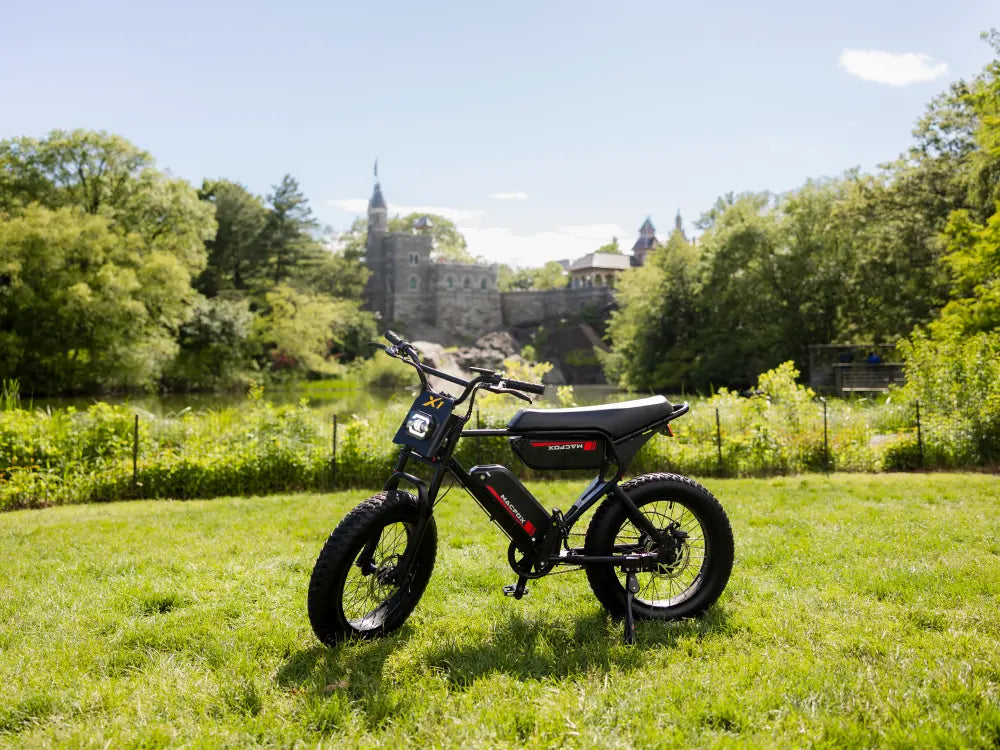
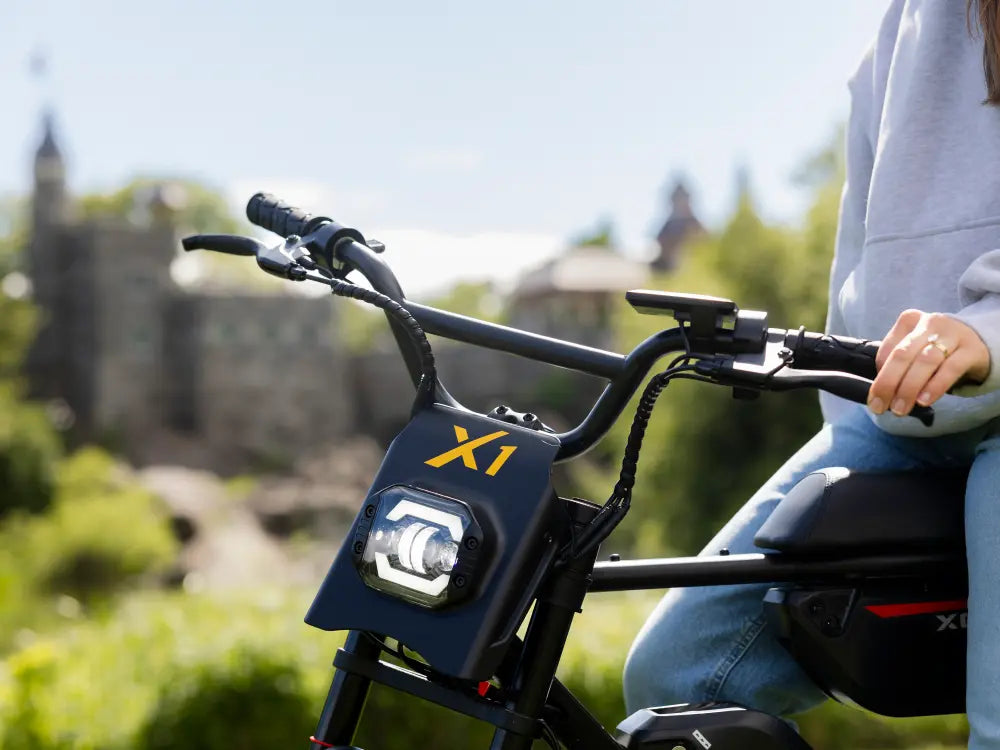
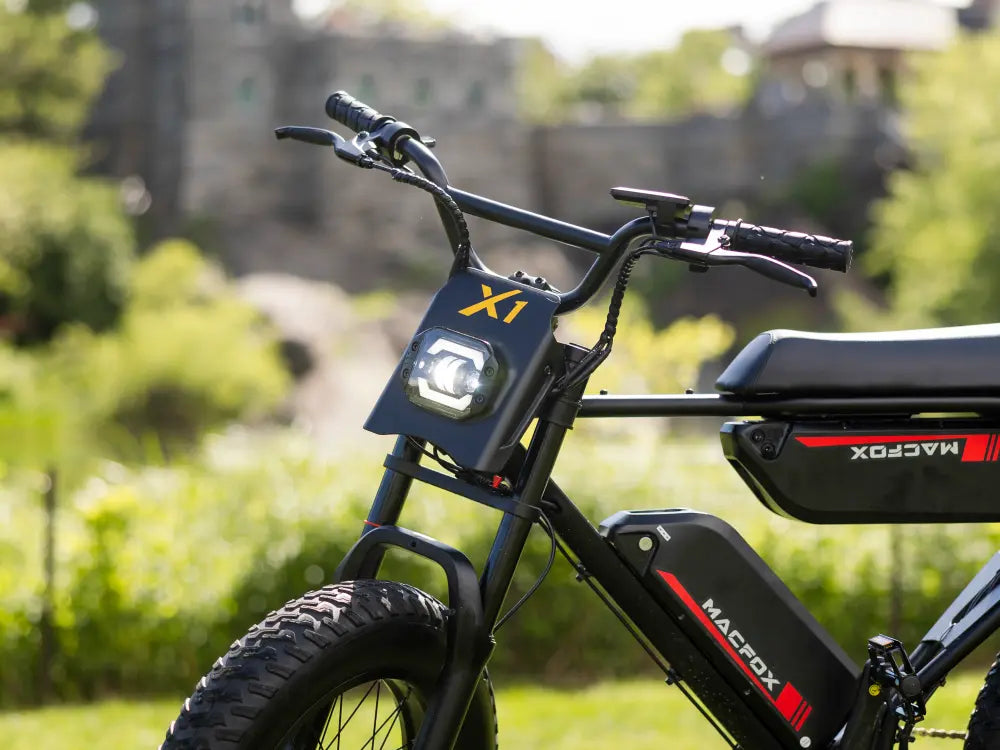
Macfox X1S ebike fits dense waterfront paths like the Hudson River Walkway, where controlled pedal assist helps riders blend smoothly with foot traffic.
-
Macfox M16 electric bicycle works well for younger riders and family trips on local rail-trail segments, where frequent stops and crossings are common.
-
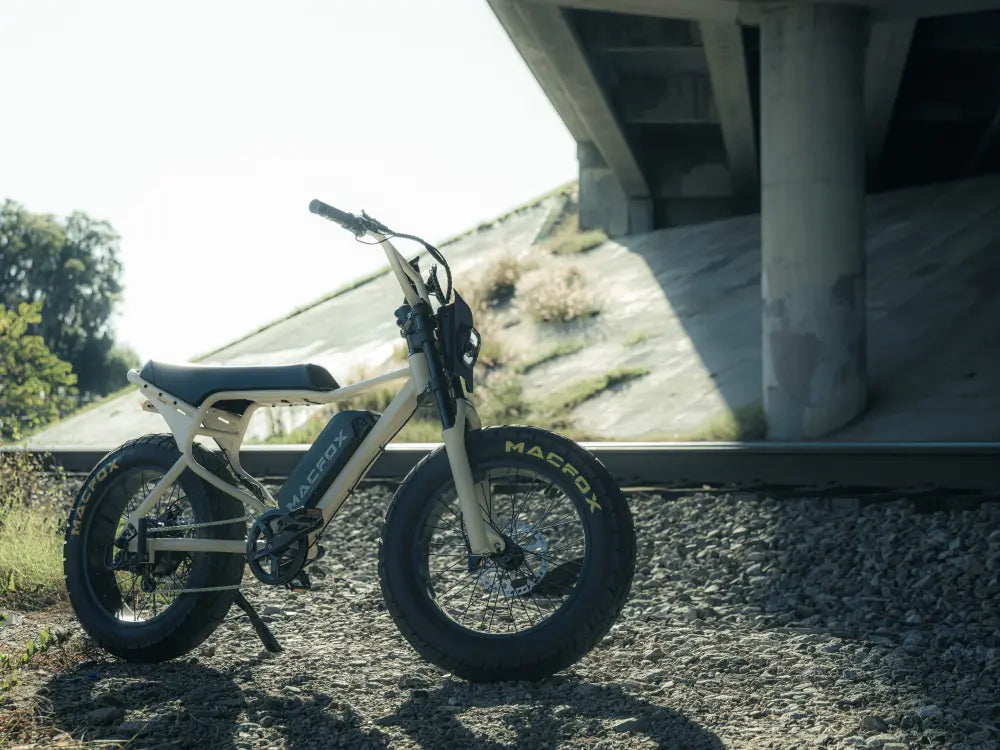
Macfox X7 e-bike supports longer paved corridors such as the Henry Hudson Trail, where comfort and stability matter over distance.
If you're looking for a city-focused electric bike that fits New Jersey's shared-path reality, these models align best with designated, bike-friendly corridors rather than restricted park trails.
What New Jersey Riders Should Check Before Entering a Trail
Before riding any trail in New Jersey:
-
Identify whether the path is city, county, state, or federally managed
-
Confirm that bicycles are explicitly allowed on that route
-
Watch for rule changes at county or municipal boundaries
This keeps rides predictable and avoids conflicts on shared paths.
Final Takeaway: New Jersey Is Segment-Driven
In New Jersey, e-bike trail access is defined by segments and managers, not by the bike itself.
-
Urban waterfront paths offer the most reliable access
-
Canal corridors depend on designation
-
County rail-trails vary by county
-
State parks and federal land are more restrictive
Ride where bicycles are clearly allowed, follow posted rules, and an ebike fits naturally into New Jersey's trail network.