
Colorado's trail access for electric bikes is shaped by mountain geography, extensive public land, and layered management. Riders quickly learn that permission to ride an e-bike here depends less on the bike itself and more on how a trail is classified and who manages it-often changing within a short distance.
This article is compiled and synthesized from publicly available government documents, official trail authorities, and state-level transportation resources, and then organized into a practical guide for riders.
This guide explains where e-bikes are typically allowed on trails in Colorado, using representative locations to show how access works in real settings across the state.
Urban & Front Range Multi-Use Paths (Most Predictable Access)

Along the Front Range, Colorado cities have invested in paved, transportation-oriented multi-use paths that connect neighborhoods, campuses, and transit corridors. These are the most predictable places for e-bike use.
Representative Colorado examples include:
-
Urban trail systems in Denver
-
Connected city paths around Boulder
-
Regional greenways linking communities near Fort Collins
These paths are designed for daily mobility and shared use. In practice:
-
Class 1 e-bikes are commonly allowed where bicycles are permitted
-
Class 2 e-bikes may face limits on certain shared segments
-
Class 3 e-bikes are often restricted on pedestrian-heavy paths
For families and younger riders, these Front Range systems provide the clearest, most consistent access.
County & Regional Open Space Trails (Rules Vary Widely)
Beyond city limits, Colorado's counties manage extensive open space and regional trail systems, especially around mountain towns and suburban foothills.
Typical characteristics:
-
Mixed networks of wide service roads and narrow natural trails
-
Trail rules set locally, not statewide
-
Separate designations for hiking, biking, and equestrian use
In these systems, e-bike access is trail-specific. A wide open-space road may permit bicycles (and some electric bikes), while a nearby singletrack trail may prohibit all bikes entirely.
Riders should expect inconsistent access across counties—even when terrain looks similar.
Colorado State Parks (Designated Routes Only)

Colorado State Parks prioritize resource protection and safety, which leads to selective trail access for bicycles and e-bikes.
Across the state park system:
-
Bikes are allowed only on designated trails or park roads
-
Electric bicycles are evaluated by route, not by park
-
Natural surface trails are more likely to be restricted
For parents and young riders, state parks are best approached as road-based or clearly marked multi-use environments, rather than open trail networks.
For more information on designated routes in Colorado State Parks, visit the Colorado Parks and Wildlife Biking Information page.
Federal Land & Mountain Trails (Highly Restricted Access)
Colorado contains vast areas of federally managed land, including national parks and national forests. These areas follow federal trail classifications that significantly limit e-bike access.
On most federal land in Colorado:
-
Hiking and non-motorized trails typically exclude e-bikes
-
Electric bicycles are generally limited to roads open to motor vehicles
-
Access must be explicitly posted to be allowed
Because federal land dominates many mountain regions, this restriction is a defining factor in Colorado trail planning for e-bike riders.
For details on federal e-bike policies, refer to the National Park Service E-Bike Policy page.
How E-Bike Class Affects Trail Access in Colorado
Trail managers across Colorado rely on class distinctions—especially in environmentally sensitive or high-use areas.
| Trail Environment | Class 1 | Class 2 | Class 3 |
| Urban multi-use paths | Common | Limited | Rare |
| County open space trails | Conditional | Rare | No |
| State park trails | Limited | Rare | No |
| Federal land trails | No | No | No |
This structure encourages riders to plan routes that link permitted urban paths and roads, rather than attempting to enter restricted mountain trails.
Everyday E-Bike Use Around Colorado Trails

In Colorado, electric bikes are most effective as connective mobility tools, especially where elevation changes make longer rides tiring.
Common patterns include:
-
Linking city paths along the Front Range
-
Riding paved connectors between neighborhoods and campuses
-
Using e-bikes to reduce fatigue on rolling terrain without entering restricted trails
Within these permitted environments:
-
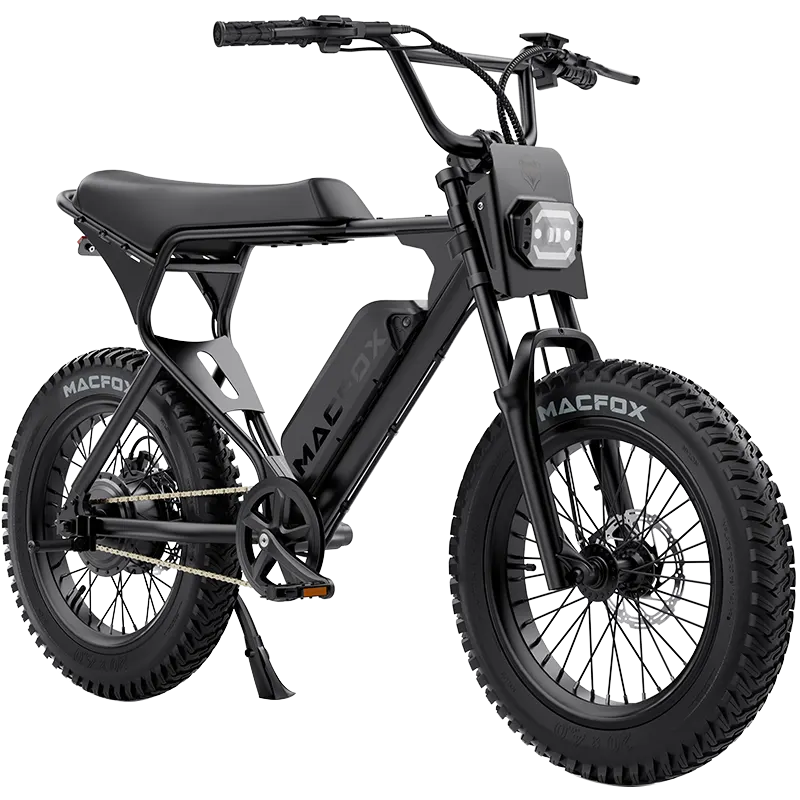
Macfox X1S ebike suits structured urban paths where controlled pedal assist supports shared use.
-
Macfox M16 electric bicycle fits family riding near schools, parks, and neighborhood connectors.
-
Macfox X7 e-bike supports longer paved connections and regional paths where rider comfort and stability matter over distance.
These models align best with Colorado's allowed riding environments, rather than off-limits mountain trails.
What Colorado Riders Should Check Before Entering a Trail
Before riding any trail in Colorado, riders should:
-
Identify whether the land is city, county, state, or federally managed
-
Confirm the trail's designated use (bike, multi-use, hiking only)
-
Read posted rules carefully—especially in open space areas
This approach helps avoid conflicts and preserves access for shared trail users.
Final Takeaway: Colorado Trail Access Is Classification-Driven
In Colorado, e-bike trail access is defined by trail designation and land management, not by the bike alone.
-
Urban paths offer the most consistent access
-
County open spaces vary by trail
-
State parks allow limited, designated routes
-
Federal mountain trails are usually restricted
Understanding these Colorado-specific patterns helps parents and young riders choose routes that are both practical and permitted.