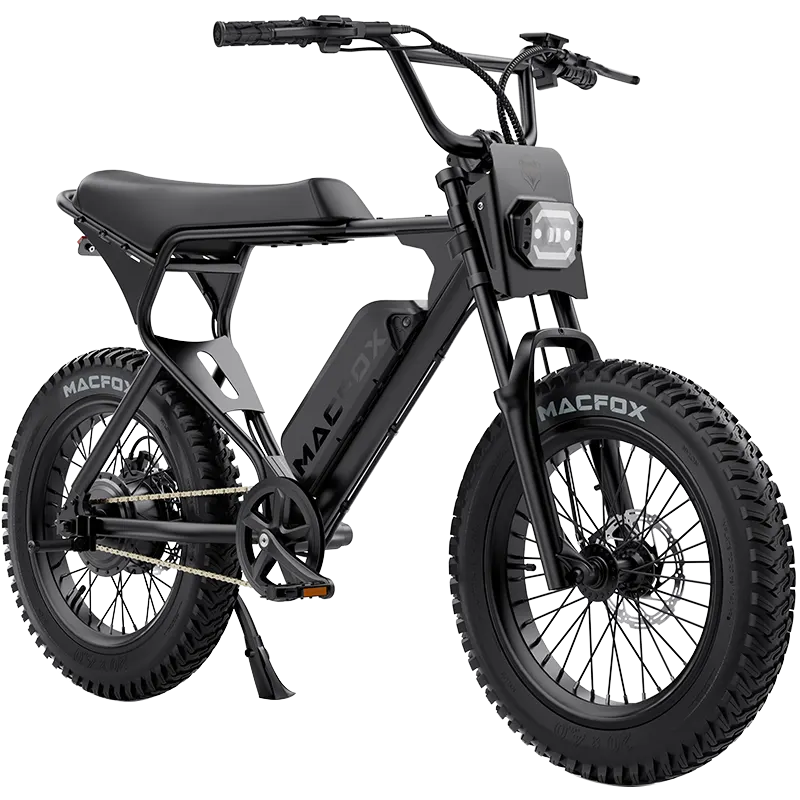

In Florida, riding an electric bike (whether you call it an ebike, e-bike, electric bicycle, or bike) feels different depending on where you ride. Unlike some states that treat trails and parks uniformly, Florida's trail access for e-bikes varies widely by location and land management authority. This means knowing where an e-bike is allowed isn't just about the bike - it's about the trail, park, or path you approach.
This guide focuses strictly on where in Florida you can ride your e-bike on trails and paths, what kinds of paths typically allow them, and how the class of e-bike affects access for families and young riders.
City & Regional Multi-Use Paths - Most E-Bike Friendly Areas

Florida's cities and counties have built extensive paved multi-use paths and greenways intended for bicycles, pedestrians, and recreational riders. These paths are often the easiest places to ride an e-bike without confusion.
Representative Florida Paths
-
Coast-to-Coast Trail (St. Petersburg → Titusville): A statewide multi-use trail being developed by the Florida Department of Environmental Protection. Much of this trail is paved and managed for shared use by bicycles and pedestrians.
-
Withlacoochee State Trail (Citrus/Hernando/Pasco): One of Florida's longest paved rail trails where bicycles are allowed and widely used, making it a primary candidate for e-bike travel on open sections.
-
Cross Seminole Trail (Seminole County): A long greenway common for bike and pedestrian use near Orlando.
-
Legacy Trail (Sarasota County): A shared-use recreational trail connecting Sarasota and Venice, popular with traditional cyclists and multi-use riders.
-
Boca Grande Bike Path (Gasparilla Island): A classic coastal paved trail where general bicycle access is expected.
How Access Works on These Paths
In most city and county multi-use paths:
-
Local authorities generally treat e-bikes similarly to regular bicycles on paved multi-use paths and greenways.
-
Florida statute allows an electric bicycle to be ridden "where bicycles are allowed… including… bicycle or multi-use paths."
However:
-
Local ordinances can impose additional restrictions, especially in densely populated urban stretches (e.g., downtown sidewalks or certain segments near beaches). Always check signage or municipal rules before you ride.
This mix of state law + local discretion means that in Florida's more developed urban paths, e-bike use is widely accepted - but with attention to posted restrictions.
State Parks & Managed Recreation Areas - Mixed Access
In Florida's state parks, trail access for e-bikes is more nuanced. Some parks allow them on certain trails, while others restrict them to paved or shared paths.
Typical State Park Spots
-
Oleta River State Park\ (North Miami Beach): Known for its trail network allowing bicycling; many riders on Class 1 and Class 2 e-bikes use designated paths here.
-
Withlacoochee State Trail traverses areas near state park lands - another example where paved trail systems coexist with natural areas.
Rules in State Park Settings
According to guidelines for parks in Florida:
-
Class 1 and Class 2 e-bikes are generally allowed wherever traditional bicycles are permitted on paved or designated bike trails.
-
Some natural surface bike trails or mountain bike-focused trails may still restrict e-bike access, depending on local discretion and environmental concerns.
The key point is that state park access is not uniform: some paved trails and roads may welcome e-bikes, while other natural or soft-surface trails may restrict them.
Federally Managed Land & Wilderness Trails - Usually Off-Limits

Large federal lands and nationally designated trails have distinct access rules. For example, the Florida National Scenic Trail - part of the National Scenic Trails system - emphasizes hiking and non-motorized use and is generally not intended for bicycle or motorized uses unless otherwise posted.
In practice:
-
Most federally managed recreation tracts in Florida follow the general pattern that if a trail is designated for non-motorized foot traffic only, e-bikes - even lower-speed ones - are not permitted.
This closely aligns with federal management priorities across similar forestry and recreation systems, where motorized and non-motorized uses are carefully distinguished.
How E-Bike Class Affects Trail Access in Florida
Florida law treats electric bikes similarly to traditional bicycles - meaning they may be ridden where bikes are allowed - but local and site-specific rules often still apply.
| Trail/Path Type | Class 1 | Class 2 | Class 3 |
| City multi-use paths / bike lanes | Common | Common | Conditional¹ |
| County/regional shared paths | Common | Common | Conditional¹ |
| Paved state park bike trails | Often allowed | Often allowed | Conditional¹ |
| Natural surface or MTB trails | Varies by site | Varies by site | Usually not allowed |
| Federal designated foot trails | No | No | No |
¹Class 3 allowance may depend on specific local ordinances due to speed considerations.
Everyday Riding Around Florida Trails

Because rules vary across Florida's trail systems, many riders find success using e-bikes to connect between permitted paths and neighborhood streets, instead of focusing solely on entering traditional off-road trails.
Typical supportive scenarios include:
-
Riding paved multi-use paths connecting towns or neighborhoods
-
Combining bike lanes and trail segments on longer urban loops
-
Using e-bikes as practical transportation between parks, shops, schools, and bus stops
Within these allowed environments:
-
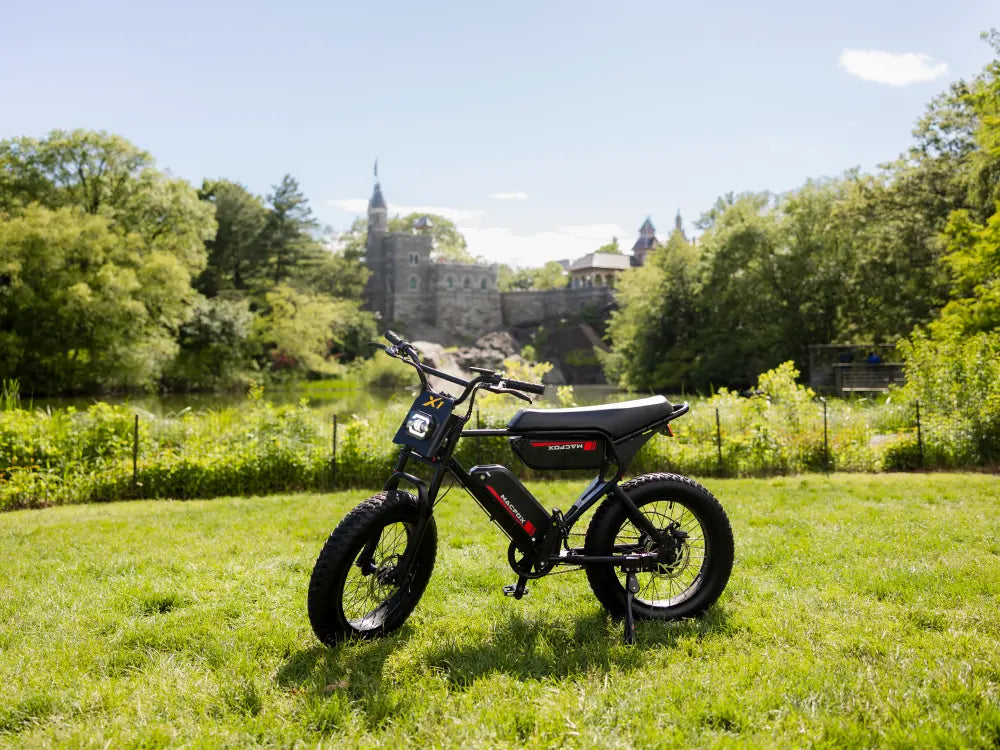
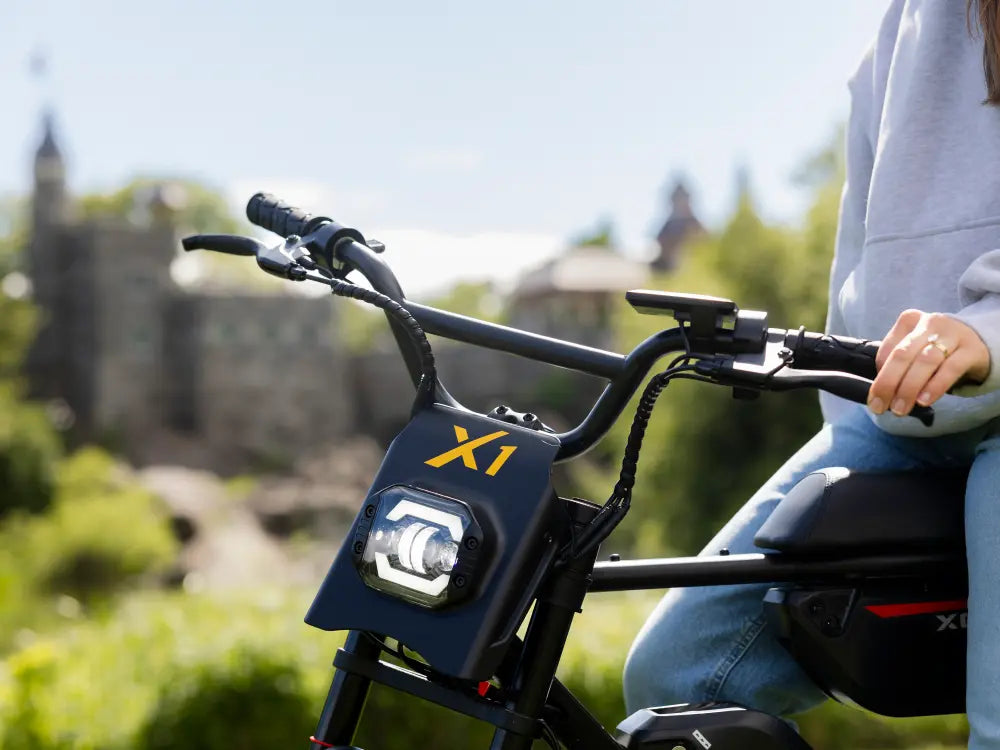
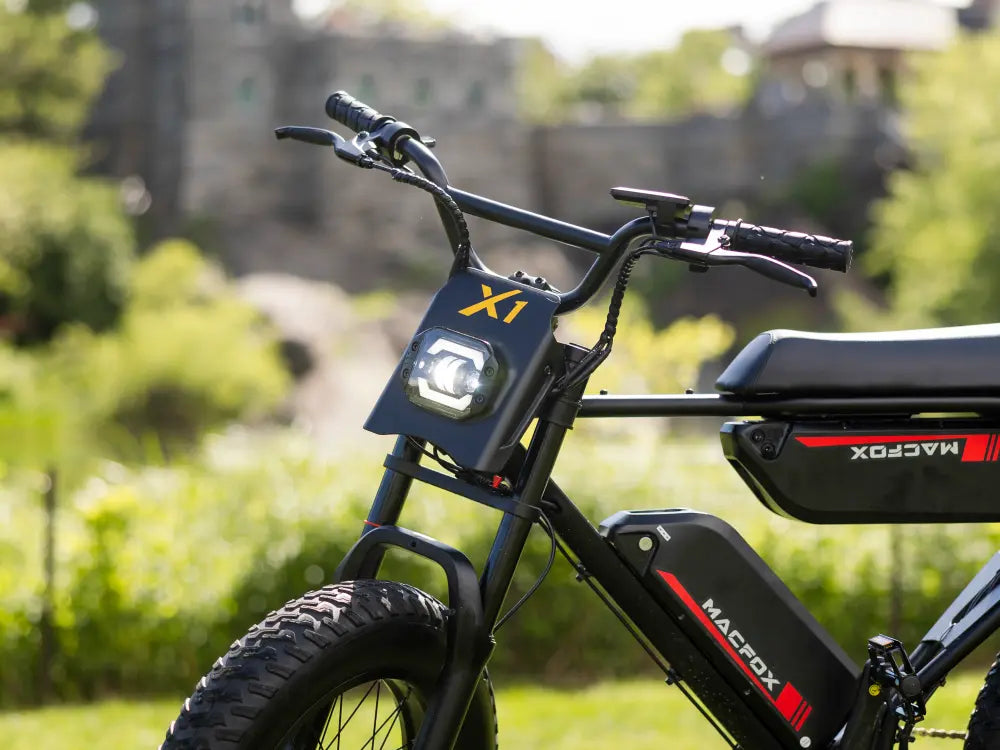
Macfox X1S ebike provides smooth pedal-assist power on paved multi-use paths and bike lanes, making it easy for daily travel and shared-path riding.
-
Macfox M16 ebike offers a compact and approachable ride, ideal for families using shared paths around community parks and residential areas.
-
Macfox X7 ebike excels on longer paved trails and greenways where reach and rider comfort matter most - without the need for off-trail entry.
These models illustrate how electric bicycles can be integrated into permitted trail environments in Florida, helping riders move comfortably and confidently while respecting designated access.
What Florida Riders Should Always Check Before Riding a Trail
Before hitting any trail in Florida, riders should:
-
Identify the managing authority (city, county, state park, federal land)
-
Look for posted access rules at trailheads
-
Check for local ordinances, especially near beaches or in busy urban centers
Following these checks prevents unwanted fines, keeps trails open, and ensures all users - pedestrians, cyclists, and e-bikes - coexist safely.
Final Takeaway: Florida Trail Access Depends on Who Manages the Path
In Florida, the right to ride an e-bike on trails is not uniform - it depends on the exact trail type and managing agency you're dealing with.
-
City and county multi-use trails often welcome e-bikes
-
State park bike trails may allow e-bikes but with site-specific restrictions
-
Federally designated foot trails generally exclude e-bikes
-
Always check posted rules before you ride
Understanding these Florida-specific patterns helps parents and young riders choose routes that are clearly permitted, and avoid trails where e-bikes are restricted or inappropriate.