
California has one of the most complex trail systems in the United States. The reason is not the electric bike itself, but how differently trails are managed across the state. City bike paths, county parks, state parks, and federally managed land all follow different rules-and those rules directly affect where an e-bike can ride.
For parents helping teens ride safely, or young riders using an electric bike for everyday mobility, understanding trail access in California is less about memorizing laws and more about recognizing what kind of place you're riding in.
This guide explains how e-bike access works across California's most representative trail environments, using real locations to show how the rules are applied in practice.
City & Coastal Multi-Use Paths (Most E-Bike Friendly)

California's most e-bike-friendly trails are city-managed multi-use paths, especially in coastal and urban areas where bikes are part of daily transportation.
Representative California examples include:
-
The beach bike paths running through Santa Monica
-
Shared waterfront paths around San Diego Bay
-
Urban greenway networks within San Francisco
These paths are designed for bicycles, pedestrians, and everyday mobility-not just recreation. As a result, electric bicycles are commonly treated similarly to traditional bikes, provided speeds and rider behavior remain appropriate.
In most California cities:
-
Class 1 e-bikes are commonly allowed
-
Class 2 e-bikes may face restrictions depending on local rules
-
Class 3 e-bikes are often excluded from shared paths
For families and young riders, these paths are where ebikes naturally fit into daily life-school routes, short commutes, and neighborhood connections.
County & Regional Park Trail Systems (Rules Vary by Area)
Once riders move beyond city limits, trail access becomes less predictable. California counties manage extensive regional park systems, and each county sets its own policies.
Well-known regional systems include:
-
Los Angeles County regional parks
-
Bay Area regional park districts
-
Orange County's connected trail networks
These parks often contain a mix of:
-
Wide service roads
-
Fire roads
-
Shared recreation paths
In these environments, e-bike access is evaluated trail by trail, not park by park. A wide, durable road may allow bicycles and some electric bikes, while a narrow trail nearby may prohibit them entirely.
For riders, the key takeaway is that county parks require local confirmation. Two parks with similar terrain may apply very different rules.
California State Parks (Limited and Selective Access)

California State Parks operate with a different priority than city or county trail systems. Preservation, environmental impact, and pedestrian safety take precedence.
Across the California State Parks system:
-
E-bikes are not automatically permitted on trails
-
Access is often limited to park roads
-
Only select multi-use paths explicitly allow electric bicycles
Even when bicycles are allowed, electric bikes may still face additional restrictions. This distinction often surprises riders who assume that "bike-friendly" automatically includes ebikes.
For parents and younger riders, state parks are best viewed as road-based riding environments, not trail destinations for electric bicycles.
Federal Land in California (Trails Are Usually Off-Limits)
California contains large areas of federally managed land, including national parks and national forests. These lands follow federal trail classifications, which tend to be stricter than state or local systems.
On most federal land in California:
-
Hiking and non-motorized trails typically exclude e-bikes
-
Electric bikes are usually limited to roads open to motor vehicles
-
Trail access must be explicitly permitted to be allowed
Because these rules apply statewide, riders encounter them repeatedly across different regions. For everyday e-bike use, federally managed trails are rarely practical options.
How E-Bike Class Affects Trail Access in California

Trail managers in California frequently rely on e-bike classifications when setting access rules, even if riders never use higher speeds.
| Trail Environment | Class 1 | Class 2 | Class 3 |
| City multi-use paths | Common | Limited | Rare |
| County park trails | Conditional | Rare | No |
| State park trails | Limited | Rare | No |
| Federal land trails | No | No | No |
This is why many riders plan routes around trails rather than directly through them, using paved paths and bike networks to connect destinations.
Using Electric Bikes Around California Trails (Real-World Scenarios)
Because trail access is selective, most Californians use electric bikes as connective transportation, not trail-only vehicles.
In real-world use:
-
Riders travel along permitted city paths near parks
-
Neighborhood bike networks connect schools, communities, and trailheads
-
E-bikes reduce fatigue while staying within allowed areas
In these scenarios:
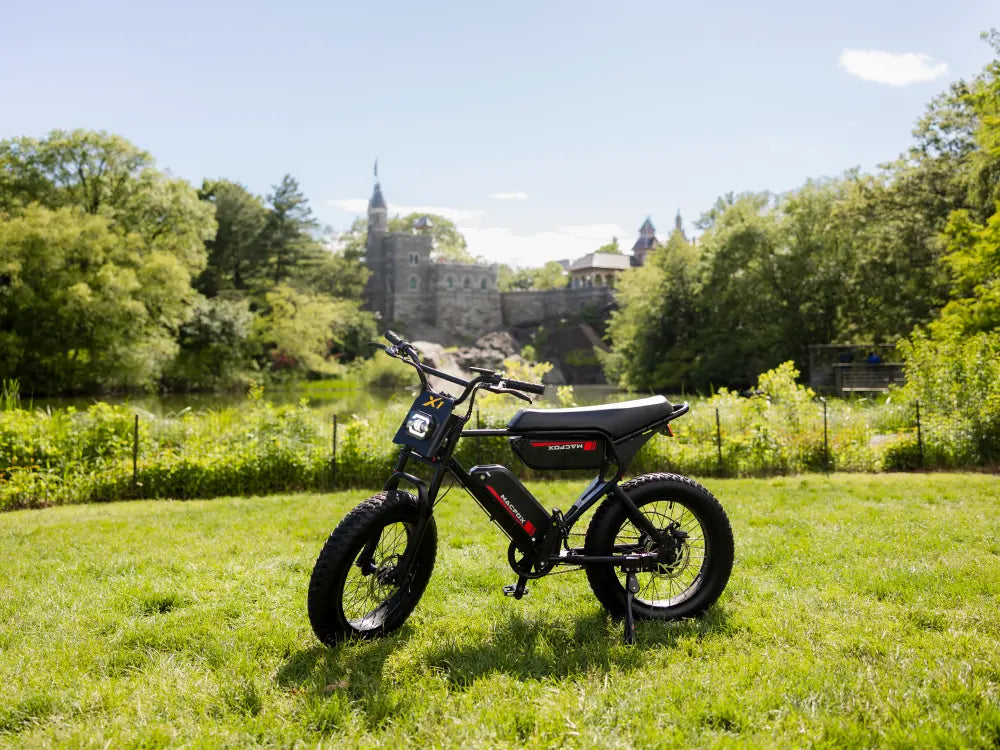
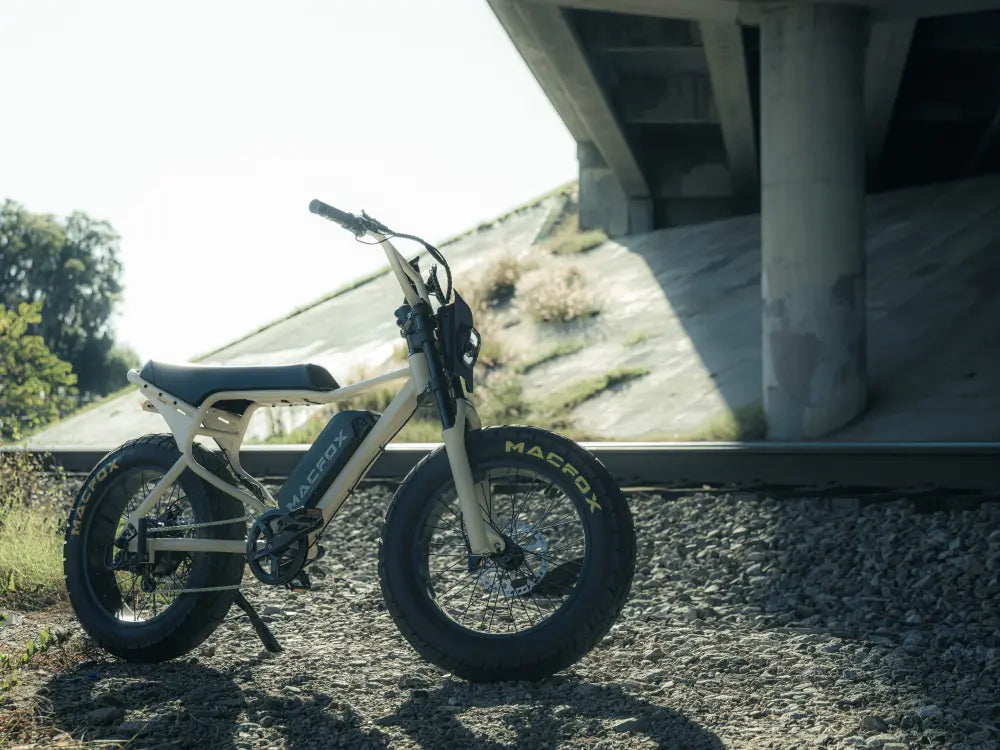
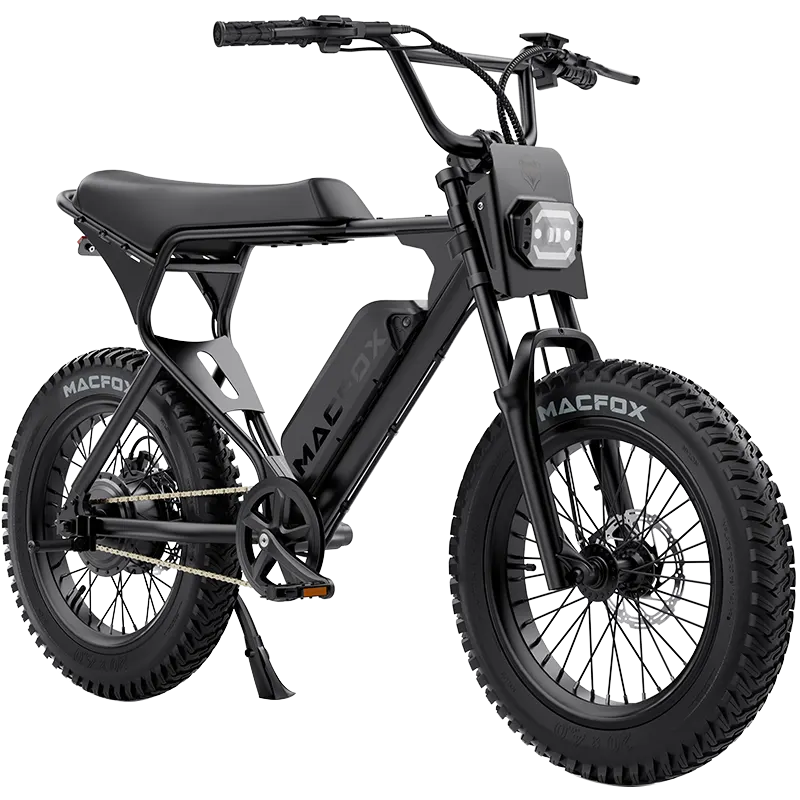
Macfox X1S ebike fits naturally on city-managed multi-use paths where predictable pedal assist and steady handling matter.
Macfox M16 ebike works well for families riding shorter neighborhood paths near schools and community parks.
Macfox X7 ebike supports longer shared paths and regional connections where rider comfort and stability help manage extended distances-without entering restricted trails.
These electric bikes are most effective when used within California's clearly permitted riding environments, rather than pushing into areas where trail access is uncertain.
What California Riders Should Always Check Before Entering a Trail
Before riding any trail in California, riders should:
-
Read posted trail signage carefully
-
Identify whether the land is city, county, state, or federally managed
-
Assume restrictions if e-bike access is not clearly stated
This approach reduces conflicts, protects shared spaces, and keeps trail systems open to bicycles and electric bicycles alike.
Final Takeaway: California Trail Access Is Location-Driven
In California, e-bike trail access depends far more on where you are than on the bike itself.
-
City and coastal paths are the most accommodating
-
County parks vary by jurisdiction
-
State parks allow limited access
-
Federal trails are usually restricted
Understanding these California-specific patterns helps parents and young riders use electric bikes confidently-without relying on assumptions that may work in other states but fail here.