
New electric bikes sold in the United States can cost less than $1,000 or more than $5,000. In a July 14, 2026 spot check of 20 current models from Macfox, Aventon, Rad Power Bikes, Ride1Up, Lectric, and Specialized, advertised starting prices ranged from $945 to $5,249.99. The median was $1,649.
That does not mean $1,649 is the one correct budget. It means most everyday buyers should begin their comparison around $1,000-$2,500, then move up or down based on the route, riding frequency, fit, storage, and support they actually need. A bike under $1,000 can be enough for short, occasional trips. A bike over $4,000 can make sense when low weight, a premium drive system, or a specialized build is the point.
The useful question is not simply, "How much is an e-bike?" It is, "What do I need the bike to do often enough that the extra cost is worthwhile?" This guide helps you answer that without treating the cheapest bike as an automatic bargain or the most expensive bike as an automatic upgrade.
About the numbers: This is a current shopping snapshot, not a marketwide average. It uses listed starting prices from the six brands above; sale pricing and availability can change.
Electric Bike Prices at a Glance
Most buyers can sort the market into four useful price bands. The boundaries are not quality guarantees, but they show where tradeoffs tend to change.
| Price band | What the budget often buys | Who should look here | What to verify first |
|---|---|---|---|
| Under $1,000 | A simpler build, smaller battery, basic controls, or fewer included commuter features | Occasional riders, short routes, and strict budgets | Replacement battery, brake setup, fit, warranty, and service path |
| $1,000-$2,000 | A broad mix of daily-use bikes with more practical battery, brake, comfort, and support options | First-time buyers, commuters, and regular neighborhood riders | Real route range, total bike weight, included accessories, and parts availability |
| $2,000-$4,000 | More refined assistance, lighter or better-integrated frames, stronger component packages, or specialized utility | Frequent riders and buyers with a specific performance or comfort need | Whether the upgrade solves a problem you will feel on your route |
| $4,000 and up | Premium drive systems, lower-weight construction, deeper integration, or a specialized brand and ride experience | Enthusiasts and riders with clear premium priorities | Whether weight, drivetrain, finish, or dealer support justifies the premium |
In our 20-model spot check, 13 bikes were listed between $1,000 and $1,999. That is why this range is a sensible starting point for a daily rider, but it is not a reason to ignore a lower-priced bike that passes the checks below or a higher-priced bike that solves a real need.

What You Actually Get for the Money
Price follows the whole bike, not one headline number. Two models can advertise similar motor power and still feel very different once braking, fit, battery integration, weight, controls, replacement parts, and customer support enter the picture. It is more useful to compare complete electric bike setups than to rank bikes by wattage alone.
Battery and drive system
A larger battery can support more range, but the number on the battery is only the beginning. Rider weight, hills, temperature, tire pressure, speed, cargo, and assist level all affect how far a charge lasts. The drive system also shapes how smoothly assistance starts and how manageable the bike feels at low speed. Pay for the range and response your route needs, not the largest claim on the page.
Brakes, tires, frame, and daily equipment
Brakes, tire size, frame geometry, suspension, lights, fenders, and rack compatibility decide whether a bike fits everyday use. A short flat commute may not need the same setup as broken pavement, frequent hills, or a rider carrying work gear. A lower sticker price can stop looking low once you add the equipment the route requires.
Weight, integration, support, and replacement parts
Some of the least visible costs are the ones buyers notice later. A lighter bike may be worth more if it must go up stairs. Integrated wiring and controls can make the bike feel cleaner, while a clear warranty, reachable support team, replacement battery, charger, and ordinary wear parts can make ownership less uncertain. This is also why two bikes with similar specifications can carry different prices.
Electrical system certification
Certification should be read precisely. UL 2849 evaluates the electrical drive train, battery system, and charger system as a combination. It does not certify rider skill, braking behavior, or whether a bike is legal on a particular road. It is one meaningful electrical-system check, not a substitute for evaluating the rest of the bike.
Set Your Budget Around the Ride You Need
A budget works better when it begins with a normal week instead of a wish list. Think about the trips you will repeat, where the bike will sleep, and what would make you stop using it.
Short errands and occasional rides
A lower budget can be realistic when trips are short, the route is simple, and you can confirm fit, braking, battery support, and replacement parts before buying. Do not reject a bike only because it costs less than $1,000, but do not assume the low price leaves room for every accessory or repair you may need.
Daily commuting and regular neighborhood trips
This is where the $1,000-$2,500 comparison range becomes most useful. The priorities are enough practical range for the route, predictable braking, comfort at repeated stops, lighting, manageable storage, and a clear support path. A commuter who rides four or five days a week usually gains more from those basics than from a feature that looks impressive but rarely gets used.
Frequent riding, cargo, hills, or rough pavement
Spending more makes sense when it buys a result you can name: stronger braking under load, a battery that leaves a useful reserve, a frame and tire setup that suits the surface, or equipment that keeps daily cargo secure. The budget should follow the harder job, not the idea that every rider needs a premium bike.
Lightweight or premium systems
Above $4,000, buyers are often paying for lower weight, premium mid-drive systems, belt drives, deeper software integration, finish quality, or dealer support. Those can be valuable. They are not the default answer for an ordinary commute, and they do not make the bike a better fit if its size, controls, or storage needs are wrong.

Before You Call an E-Bike a Good Deal
The mistake I would avoid is comparing sticker prices before deciding what must be included. A bike is not a good deal if it is awkward to fit, difficult to store, or unsupported when a battery or ordinary part eventually needs replacement.
- Map the real route: include hills, stop-and-go sections, surface quality, expected cargo, and the distance between reliable charging opportunities.
- Check rider fit: use the recommended height range as a starting point, then consider seat height, reach, and how confidently the rider can stop and restart.
- Plan for storage: total bike weight matters if there are stairs, a wall rack, a tight apartment, or a vehicle rack involved.
- Confirm the support path: read the warranty, check how support is contacted, and verify that replacement batteries, chargers, brake parts, tires, and model-specific pieces are available.
- Add the equipment you actually need: a lock, helmet, lights, fenders, rack, bag, mirror, or compatible transport rack can change the true first-day cost.
Can an $800 e-bike be enough?
Yes, for a short and occasional use case, if the bike fits and its battery, brakes, charger, warranty, and replacement parts are clear. The price alone cannot answer the question. An $800 bike with no practical service path can cost more frustration than a slightly higher-priced bike that is easier to keep running.
Is a more expensive e-bike always better?
No. It is better only when the extra money improves something your ride needs. A lighter frame is valuable when you carry the bike. A larger battery is valuable when your route uses it. Premium integration may be valuable when you care about a quieter, cleaner system. Paying for unused capability is not an upgrade.
What about charging, repairs, and battery replacement?
Those are ownership costs, not the purchase price covered here. They still belong in the decision, especially if two bikes have very different service or replacement-part paths. Use the separate guide to ongoing e-bike costs when you want to build the longer-term budget.
Where Macfox Fits This Price Range
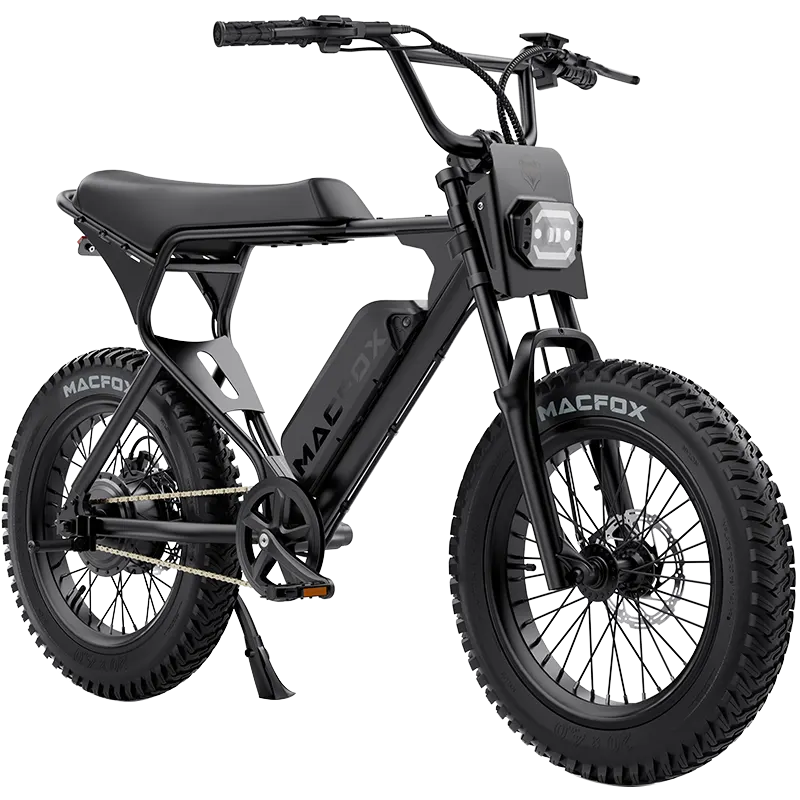
Macfox currently sits inside the mainstream band highlighted by the market snapshot. The useful distinction is not that every buyer should move through the same three models. It is that each price step should correspond to a different fit or riding preference.
| Model | Starting price checked July 14, 2026 | Who it fits | Why compare it at this budget |
|---|---|---|---|
| Macfox M16 e-bike | $1,099 | Riders 3'11" and up who want a lower, compact platform that is easier to manage | It enters the lineup without asking the buyer to pay for a larger bike than the use case needs |
| Macfox X1S e-bike | $1,399 | Riders 5'3" and up planning daily neighborhood trips or a regular commute | It is the middle daily-use choice when route practicality matters more than a larger platform |
| Macfox X7 e-bike | $1,599 | Riders 5'1" and up who prefer a larger, more planted 20-inch wide-tire feel | The higher step pays for a different size and stability preference, not a claim that every route needs it |
These were the advertised starting prices shown on July 14, 2026; product options and promotions can change the final checkout price. Choose among them by rider fit and normal route first, then use price to compare the bikes that remain.
So, how much should you spend on an electric bike? For most everyday buyers, $1,000-$2,500 is the most useful range to compare. Spending less can still make sense for short, occasional rides when fit, braking, battery support, and replacement parts are clear. Spending more makes sense when a specific need - such as lower weight, greater route reserve, stronger utility, or a premium drive system - will improve rides you actually repeat.
The final decision is simpler than the price ladder: define the route and riding frequency, confirm fit, braking, storage, support, and necessary accessories, then choose the least expensive bike that closes those needs without creating a new problem you will notice every week.
Once the budget is clear, Macfox's electric bike buyer's guide can help you compare the remaining frame, motor, battery, brake, and fit choices.