
A first-week e-bike review can be useful, but it is not the full ownership story. The first ride can show whether the bike feels exciting, whether the display is easy to read, and whether assembly looked simple. It usually cannot prove how the bike handles repeated charging, wet streets, brake wear, loose fasteners, customer support, storage, or the small habits that decide whether someone still wants to ride it a month later.
This guide is for shoppers reading electric bike reviews before buying. It explains what first-week reviews can tell you, what they often miss, and how to turn a review into a better buying checklist. It does not rank brands, attack low-price bikes, replace a full used-bike inspection, or review one specific model.
Quick Answer: Treat First-Week Reviews as First Impressions, Not Proof
A good first-week review can reveal fit, initial comfort, control layout, assembly friction, braking feel, and whether the bike matches the rider's expected use. It cannot fully prove long-term range, service quality, replacement-part access, battery habits, brake maintenance, tire wear, or how the bike fits daily life after the new-bike excitement fades.
| Review Claim | Useful in Week One? | What to Verify Later |
|---|---|---|
| "The bike feels powerful." | Yes, for first-ride response and hill starts. | Whether the power feels controllable on repeated routes and with lower battery. |
| "The range is great." | Only if the route, rider, assist level, and weather are clear. | Range across several rides, hills, wind, stops, tire pressure, and cargo. |
| "Assembly was easy." | Yes, but only for that box and that reviewer. | Whether bolts stay tight, brakes remain aligned, and support helps if something is wrong. |
| "It is comfortable." | Partly, for short rides. | Comfort after longer errands, rough pavement, storage, stops, and daily handling. |
| "Customer service is good." | Not unless the reviewer actually needed support. | Response speed, parts availability, warranty clarity, and repair path. |

What First-Week Reviews Usually Get Right
Do not ignore first-week reviews. They are good at showing the parts of ownership that appear immediately. A reviewer can usually tell whether the box arrived damaged, whether the instructions made sense, whether tools were included, whether the bike had obvious defects, and whether the first ride matched the product description.
They can also help you judge rider fit. Watch how the rider starts, stops, turns, parks, and moves the bike by hand. If a reviewer looks uncomfortable lifting, balancing, or turning the bike, that matters more than a list of impressive specs. For many shoppers, fit and control are the first signs that a bike will or will not become a daily tool.
Short reviews are also helpful for interface questions. Displays, controls, pedal assist changes, lights, brakes, seat height, and throttle response are easier to understand when you see someone use them. Just remember that these first impressions are the start of the decision, not the end.
What First-Week Reviews Often Miss
The biggest gaps usually appear after the bike has been ridden, charged, parked, adjusted, and stored several times. A brake that felt fine on day one may need adjustment after bedding in. A minor rattle may only show up on rough pavement. A range claim may look different once the rider uses higher assist, rides into wind, carries a backpack, or stops at every intersection.
Support is another common blind spot. Many reviews never test the warranty path because nothing went wrong during the review window. That means a review can sound confident while still telling you very little about response time, parts availability, return rules, battery troubleshooting, or who helps when the bike needs real service.
Daily-life friction is the quietest problem. Weight, storage space, charging routine, lock habits, stairs, hallway turns, and where the bike sits at work or school may not feel important during a fun test ride. After a month, those details can decide whether the bike gets used or stays parked.
Read Reviews by Timeline
The easiest way to judge reviews is to sort evidence by time. Day-one evidence tells you about delivery and first impressions. First-week evidence tells you about early setup, fit, and whether the bike feels natural enough to keep riding. First-month evidence tells you whether the rider has repeated the same route enough to notice range patterns, comfort limits, maintenance needs, and support questions.
| Timeline | Best Evidence | Weak Evidence |
|---|---|---|
| Day one | Packaging, assembly, obvious defects, first ride feel. | Long-term reliability or true range. |
| First week | Fit, controls, early brake feel, repeated short rides. | Service quality unless the reviewer contacted support. |
| First month | Range pattern, loose parts, comfort over errands, storage habits. | Multi-season durability. |
| Several months | Maintenance pattern, parts access, warranty experience, battery habits. | Fresh unboxing excitement. |
If a review makes a long-term claim after only a few rides, do not treat it as false. Treat it as incomplete. Look for another owner who has used the same model longer, or ask what conditions the reviewer actually tested.
Look for Route, Rider, and Use-Case Details
A review is much more useful when the rider explains the real conditions behind the opinion. Range means little without rider weight, assist level, speed setting, hills, stops, tire pressure, temperature, and cargo. Comfort means little without ride length, road quality, seat adjustment, and how often the rider had to stop and start.
Before trusting a review, check whether the reviewer uses the bike the way you plan to use it. A short neighborhood ride, a college-campus ride, a flat city commute, and a hill-heavy errand route can produce very different opinions about the same bike. If your use case is daily transportation, look for reviews that repeat normal trips rather than one dramatic test.
This is where a buyer checklist helps. The e-bike buying mistakes guide covers broader purchase traps. For this article, the key question is narrower: does the review show enough real use to support the conclusion?

Separate Product Problems From Setup Problems
Some negative reviews describe a real product issue. Others describe a setup problem, shipping damage, underinflated tires, brake misalignment, loose bolts, or a bike that was simply the wrong fit for that rider. Your job is not to defend the bike or attack the reviewer. Your job is to understand what kind of problem is being described.
Look for patterns. One loose part in one review may be a setup issue. Many riders reporting the same loose part after similar mileage is a stronger signal. One range complaint without route details is hard to judge. Many range complaints with similar conditions deserve more attention.
If you are comparing new and used bikes, the problem gets sharper because the previous owner's care matters. Use the new vs used e-bike guide when the review evidence overlaps with used-bike risk, battery age, missing charger, or unclear maintenance history.
Ask These Questions Before Buying From Reviews
- How many miles did the reviewer ride before giving a conclusion?
- Was the review based on one ride, one week, one month, or longer ownership?
- Did the reviewer describe rider height, route type, hills, cargo, weather, and assist level?
- Did the review mention brake adjustment, tire pressure, loose bolts, or setup checks?
- Did the reviewer actually contact support, or only repeat the warranty policy?
- Are multiple owners reporting the same issue, or is it one isolated comment?
- Does the bike fit your storage, charging, and parking routine, not just your weekend ride idea?
For seller choice, use the where to buy electric bikes guide. The place you buy from affects assembly help, return rules, warranty path, and whether someone can answer basic questions after the box arrives.
How to Use Reviews Without Getting Lost in Specs
Specs matter, but they should support the real-use question. A larger battery sounds attractive, but it also affects weight, charging routine, and cost. Wide tires can feel stable, but they may change storage and rack needs. A feature that looks impressive in a review can be irrelevant if your route, rider size, or daily routine does not need it.
Use the review to build a short decision sheet. Put your route, rider fit, storage, charging, budget, and service needs on one side. Put the review's evidence on the other side. If the review does not answer a critical need, mark that as unknown instead of filling in the blank with hope.
When you need a broader purchase framework, the electric bike buyer's guide is the better next read. This page stays focused on how to judge review evidence before you trust it.

Where Macfox X1S and M16 Fit Into Review Reading
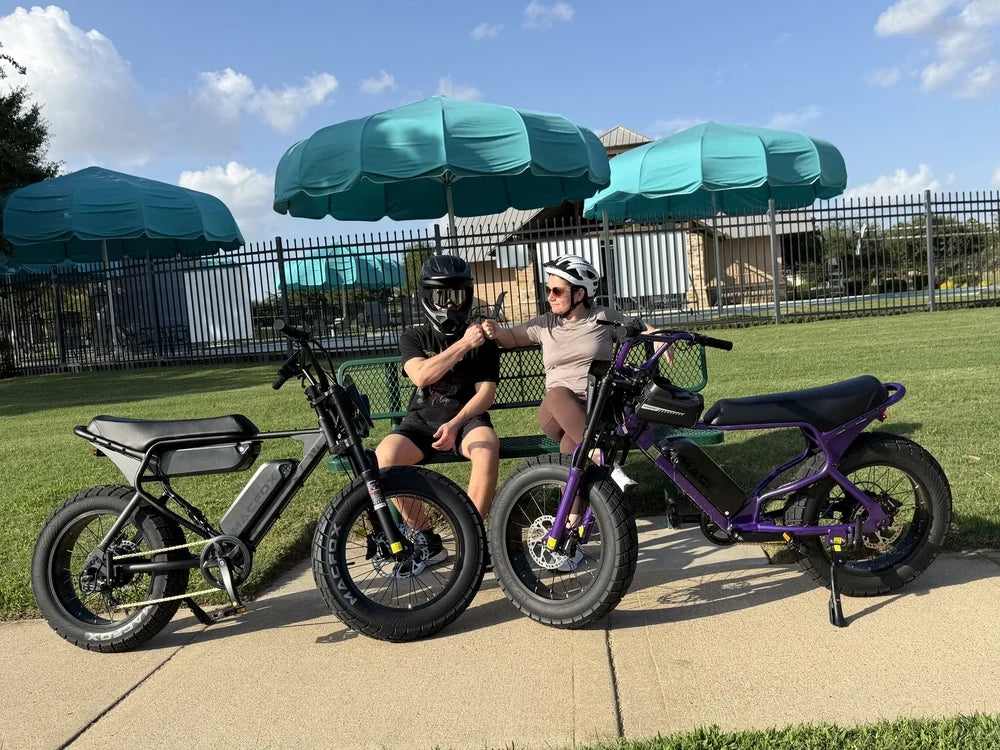
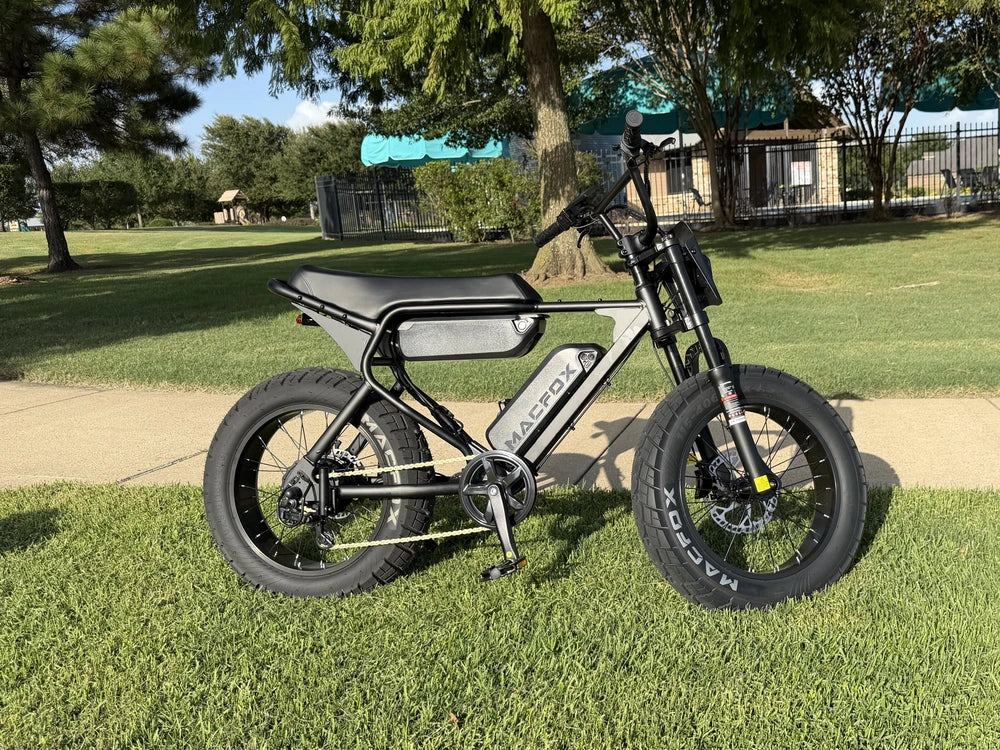
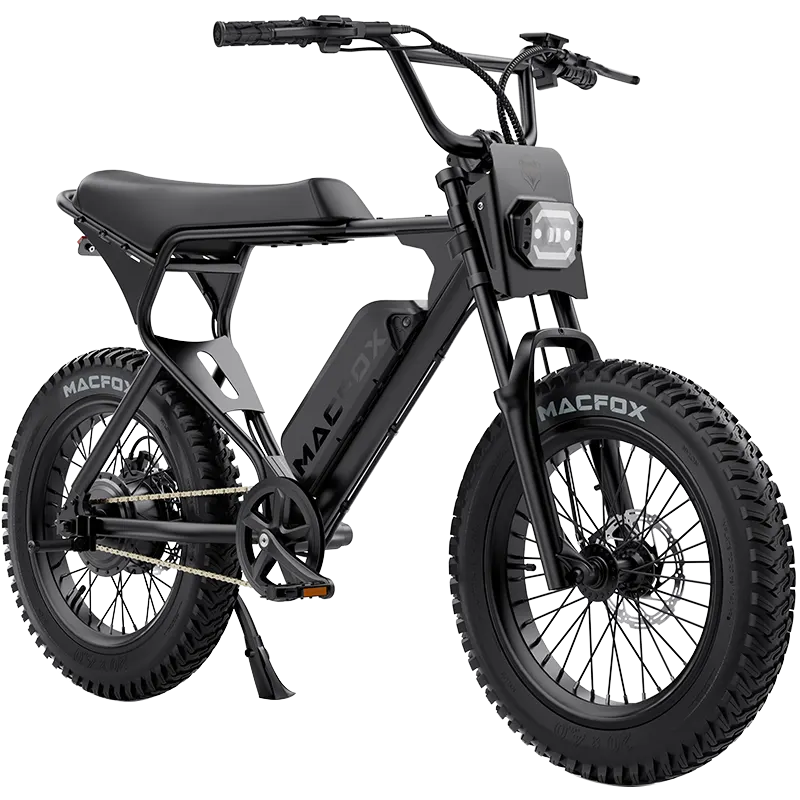
For the Macfox X1S Commuter E-bike, useful reviews should focus on repeat daily riding: starts and stops, comfort over errands, street control, storage, charging rhythm, and whether the bike still feels manageable after the first few rides. The listed rider height starts at 5'3" and up, so fit evidence matters as much as the first ride impression.
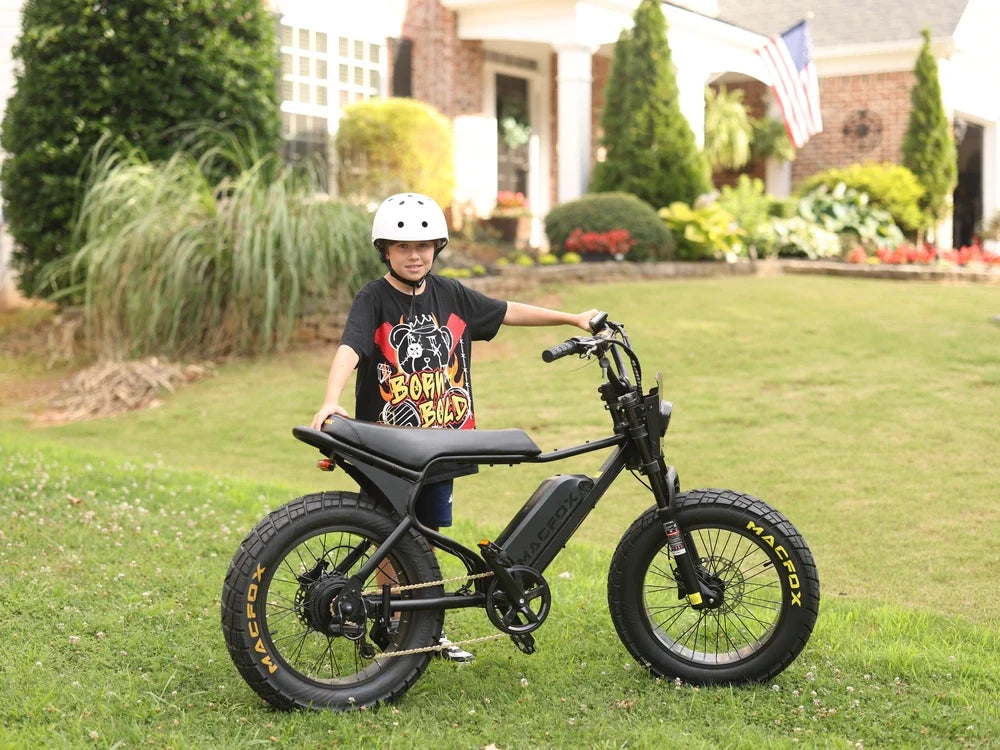
For the Macfox M16 Electric Bike, useful reviews should focus on compact handling, lower control feel, community riding, and whether the bike is easy to manage for the intended rider over repeated neighborhood use. The listed rider height starts at 3'11" and up. The right review should show practical control and fit, not just excitement from a short ride.
In both cases, a strong review connects the model to the rider's real use. A weak review only says the bike is fun without showing where, how often, and under what conditions it was ridden.
Final Review-Reading Checklist
| Before You Trust the Review | What You Need to See |
|---|---|
| Time used | At least enough rides to go beyond unboxing and first excitement. |
| Route details | Hills, stops, pavement, weather, distance, and assist level. |
| Rider fit | Height, control comfort, starts, stops, parking, and walking the bike. |
| Maintenance clues | Brake checks, tire pressure, fasteners, noises, and early adjustments. |
| Support proof | Actual contact with support, not just a warranty line copied from a product page. |
| Daily routine | Charging, storage, locks, stairs, rack needs, and where the bike sits when not ridden. |
If a review answers those questions, it can help you buy with more confidence. If it skips most of them, keep the review as a first impression and look for longer owner evidence before you decide.
FAQ
Are first-week e-bike reviews useless?
No. They are useful for delivery, assembly, first ride feel, controls, fit, and obvious defects. They are weaker for long-term range, support, maintenance, and daily routine issues.
How many e-bike reviews should I read before buying?
Read enough to see patterns across different riders. One detailed long-term review can be more useful than ten short first-ride reactions, especially if your use case is daily transportation.
Can I trust YouTube e-bike reviews?
You can use them, but check how long the reviewer rode the bike, whether the video shows normal routes, and whether any sponsorship or free-product relationship is disclosed. A video is strongest when it shows evidence, not just enthusiasm.
What is the biggest thing e-bike reviews miss?
They often miss what happens after repeated rides: battery routine, brake adjustment, storage friction, customer support, parts availability, and whether the bike still fits the rider's actual life.
Should I ignore negative e-bike reviews?
No. Sort them by pattern. A repeated issue across several owners matters more than one vague complaint. Also separate product defects from setup errors, shipping damage, and wrong-fit purchases.
What makes an e-bike review strong?
A strong review explains the rider, route, mileage, assist level, hills, comfort over time, maintenance notes, and any support experience. It helps you judge whether the bike fits your use, not just whether the reviewer liked it.