
In most real-world situations, motorcycles are more dangerous than electric bikes—but there’s no such thing as “automatically safe.” An electric bike can still be risky if a rider goes too fast, rides in traffic without experience, skips a helmet, or rides at night without visibility. A motorcycle, however, brings a higher baseline risk because it typically operates at higher speeds, mixes with faster traffic more often, and has far less physical protection than a car.
If you’re a parent deciding what’s safer for your teen (or for family rides), this guide compares the risks with official U.S. data, explains why the numbers look the way they do, and gives you a practical safety plan that makes an e-bike a smarter choice than a motorcycle in many everyday scenarios.
The simple truth: neither is “safe,” but they’re not equal

-
Which one is more likely to get my kid hurt?
-
Which one is easier to ride responsibly?
-
Which one fits normal life—school, errands, neighborhood, weekends—without turning into a high-risk habit?
-
Most e-bikes top out around 20–28 mph (depending on class) and can be ridden like a bicycle, often on bike lanes, multi-use paths, and neighborhood streets (subject to local rules).
-
Motorcycles are built to mix with higher-speed traffic and often involve highway-capable speeds, heavier kinetic forces, and more severe crash outcomes.
So the safest answer is: it depends on how and where you ride, but the risk profile of motorcycles is generally higher, especially for inexperienced riders.
What official safety data shows (and how to read it)
-
Motorcycle risk (well-tracked) vs
-
Bicycle / pedalcyclist risk (which increasingly includes motor-assisted bikes)
Key numbers from NHTSA (2023)
-
6,335 motorcyclists killed in 2023, and an estimated 82,564 injured. Crash Stats
-
Motorcyclist fatality rate: 31.39 deaths per 100 million vehicle miles traveled (VMT) in 2023.
-
1,166 pedalcyclists killed in 2023, and an estimated 49,989 injured (this category includes bicycles and, starting 2022, bikes “powered by pedals and/or motors” in relevant crash reporting).
| Metric (U.S., 2023) | Motorcycles | Pedalcyclists (bicycles + some motor-assisted in crash reporting) |
| Fatalities | 6,335 | 1,166 |
| Estimated injuries | 82,564 | 49,989 |
| Fatality rate per 100M miles (VMT) | 31.39 | (Not reported as a direct comparable VMT rate in the same table) |
-
Motorcycling has a very high fatality rate per distance traveled, documented in NHTSA’s motorcycle fact sheet.
Why motorcycles usually carry higher risk in everyday life

Parents don’t just want statistics—they want the “why.” Here are the big factors that make motorcycles riskier than electric bikes in typical use.
Higher speed = harsher consequences
-
stopping distances grow quickly
-
reaction windows shrink
-
any collision involves much higher kinetic force
By contrast, most e-bikes are used at bicycle-like speeds on local roads and paths, especially when parents set clear speed expectations.
More frequent exposure to high-speed traffic
-
multilane roads
-
faster intersections
-
situations where cars assume motorcycle-level acceleration and lane behavior
That’s a tough environment for younger, less experienced riders.
Licensing and training gaps show up in fatal crashes
NHTSA reports that 34% of motorcycle riders in fatal crashes in 2023 had no valid motorcycle license. That doesn’t mean licensing magically prevents crashes—but it does highlight a pattern: inexperience + speed + traffic = danger.
More impairment and nighttime risk
NHTSA also reports high alcohol impairment shares among motorcycle riders in fatal crashes and notes differences in helmet use across states with different helmet laws. As a parent, you don’t need to panic—you just need to recognize motorcycles are often used in higher-risk contexts (night riding, social riding, faster roads).
E-bikes can be safe—but parents need a “system,” not hope
Electric bikes are not a cheat code for safety. They’re safer than motorcycles when you design the riding behavior and setup to match the real world.
The parent risk checklist (and how to reduce it)
| Risk factor (common with teens) | Why it matters | What to do (realistic fixes) |
| Riding too fast on shared paths | Speed conflicts with walkers/cyclists | Set a “20 mph on paths” family rule, use lower assist modes |
| No helmet / wrong helmet | Head injuries are the big one | Helmet every ride; fit check; replace after major impact |
| Night riding without visibility | Drivers don’t see bikes | Front + rear lights, reflectors, bright clothing |
| Unplanned “traffic routes” | Intersections are danger zones | Pre-pick safer routes; avoid high-speed arterials |
| Overconfidence from throttle | Quick acceleration tempts risky moves | Practice starts/stops; teach “slow hands” on throttle |
| Riding with friends (group chaos) | Peer pressure = bad decisions | Set group rules: single file, no weaving, stop at crossings |
On helmets specifically, CDC notes that bicycle helmets reduce the risk of head and brain injuries in a crash and encourages properly fitted helmet use. CDC
“Safer than a motorcycle” doesn’t mean “no rules”
-
a real vehicle in traffic (because it is)
-
a real bike on paths (because it is)
-
braking drills
-
looking over shoulder while holding line
-
intersection scanning
-
wet-weather caution
-
“no earbuds / no phone” rule
If you want the parent version of the truth: most scary e-bike moments come from speed + surprise + visibility. Fix those three, and e-bikes become a much calmer option than motorcycles for everyday life.
E-bike vs motorcycle: the practical parent comparison

| Parent concern | Electric bike / e-bike | Motorcycle |
| Typical speed context | Bike lanes, neighborhood streets, paths | Roads with faster traffic, sometimes highways |
| Cost to operate | Low charging cost, low maintenance compared to motor vehicles | Higher fuel/maintenance; often more ongoing costs |
| Licensing & insurance | Often treated more like bicycles (varies by state and class) | Usually requires license/endorsement, registration, insurance |
| Mistake consequences | Still serious, but usually at lower speed | Mistakes often happen at higher speed with higher severity |
| Where teens actually ride | School routes, neighborhoods, parks, errands | More likely to expand into faster roads over time |
The most important parenting point is behavior: a motorcycle invites speed and traffic exposure. An electric bicycle can be managed as a daily mobility tool—especially if you set boundaries on routes, time of day, and safety gear.
FAQ parents actually ask
Are e-bikes safer than motorcycles for teens?
In many everyday scenarios (school commuting, neighborhood riding), yes—often, mainly because the speeds and riding environments can be lower-risk. But the safety outcome depends on helmet use, visibility, and route choices.
Do e-bikes require a driver’s license?
In many places, Class 1 and Class 2 e-bikes are treated similarly to bicycles, while other rules can apply for faster classes. Laws vary by state and city—check your local regulations before buying.
What’s the #1 rule if I say yes to an e-bike?
Helmet + visibility + predictable riding. If your teen is hard to see and unpredictable in traffic, everything gets dangerous fast. If they’re visible and ride calmly, risk drops dramatically.
If motorcycles are more dangerous, why do people still ride them?
Because they’re powerful, fast, and fun. But “fun” is not a safety plan—and that’s exactly why many parents prefer e-bikes for daily life.
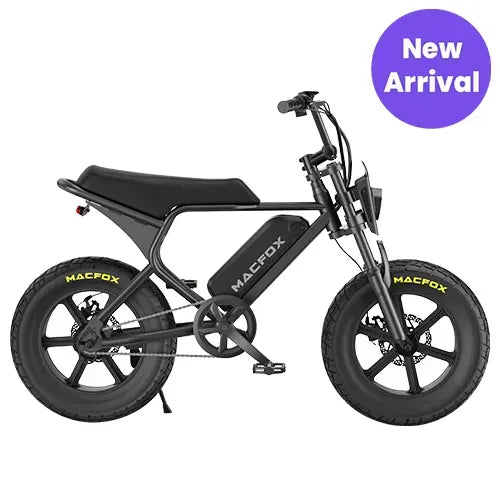
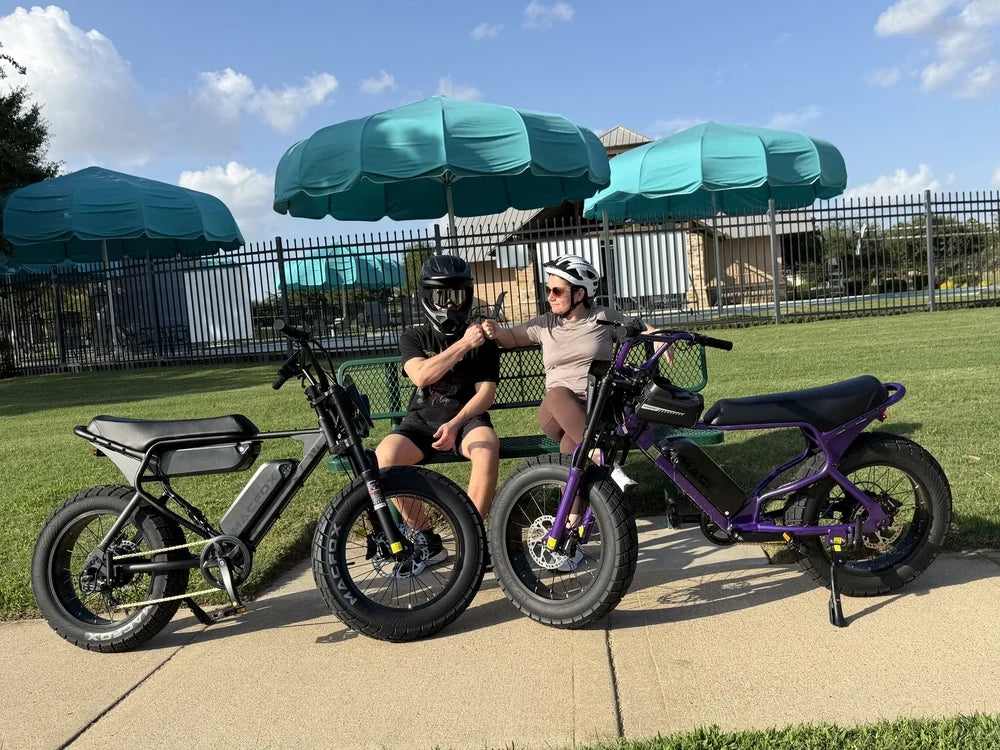
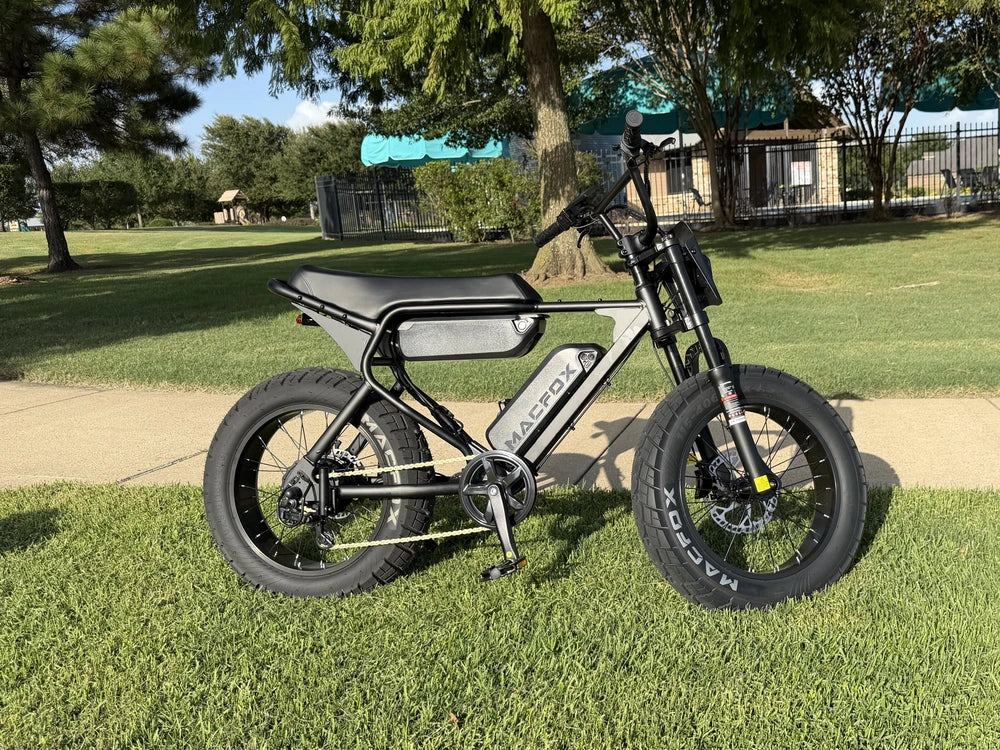
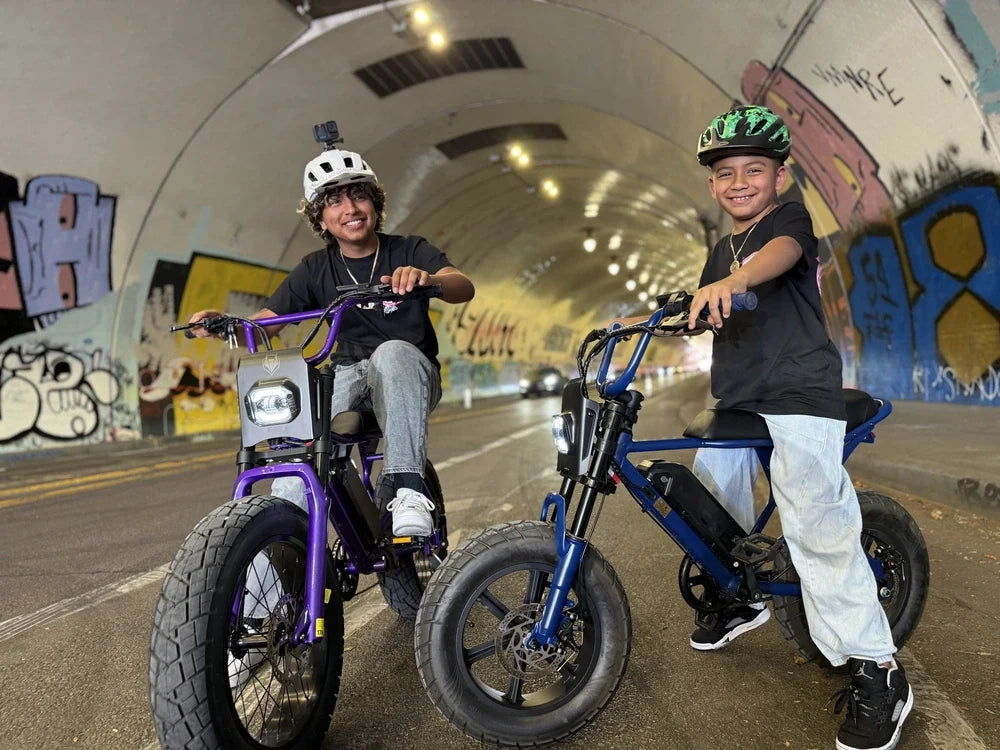
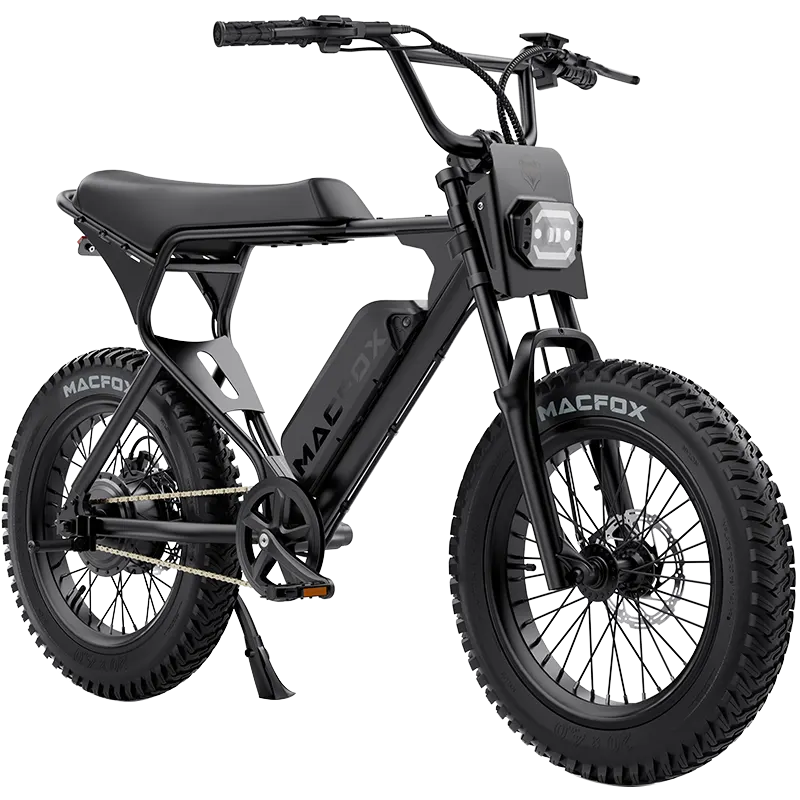
Macfox models like the X1S, X7, and M16 are designed to sit in that “bike-first” category—giving families a practical electric bike option that fits real routines (school runs, neighborhood rides, weekend cruising) without pushing riders into motorcycle-style speed expectations. The M16 youth e-bike is especially relevant for parents choosing a more confidence-building, smaller-rider-friendly setup, while the X1S commuter e-bike and X7 fat tire e-bike suit older teens or parents who want stable, comfortable everyday riding that still feels fun and capable.
Bottom line: there’s no absolute “safe” or “dangerous” winner—but the evidence and real-life riding context usually point to motorcycles being riskier than e-bikes. If you want a smarter, more parent-manageable option, an electric bike paired with a helmet, visibility gear, speed boundaries, and safe routes is often the best mix of freedom and responsibility.