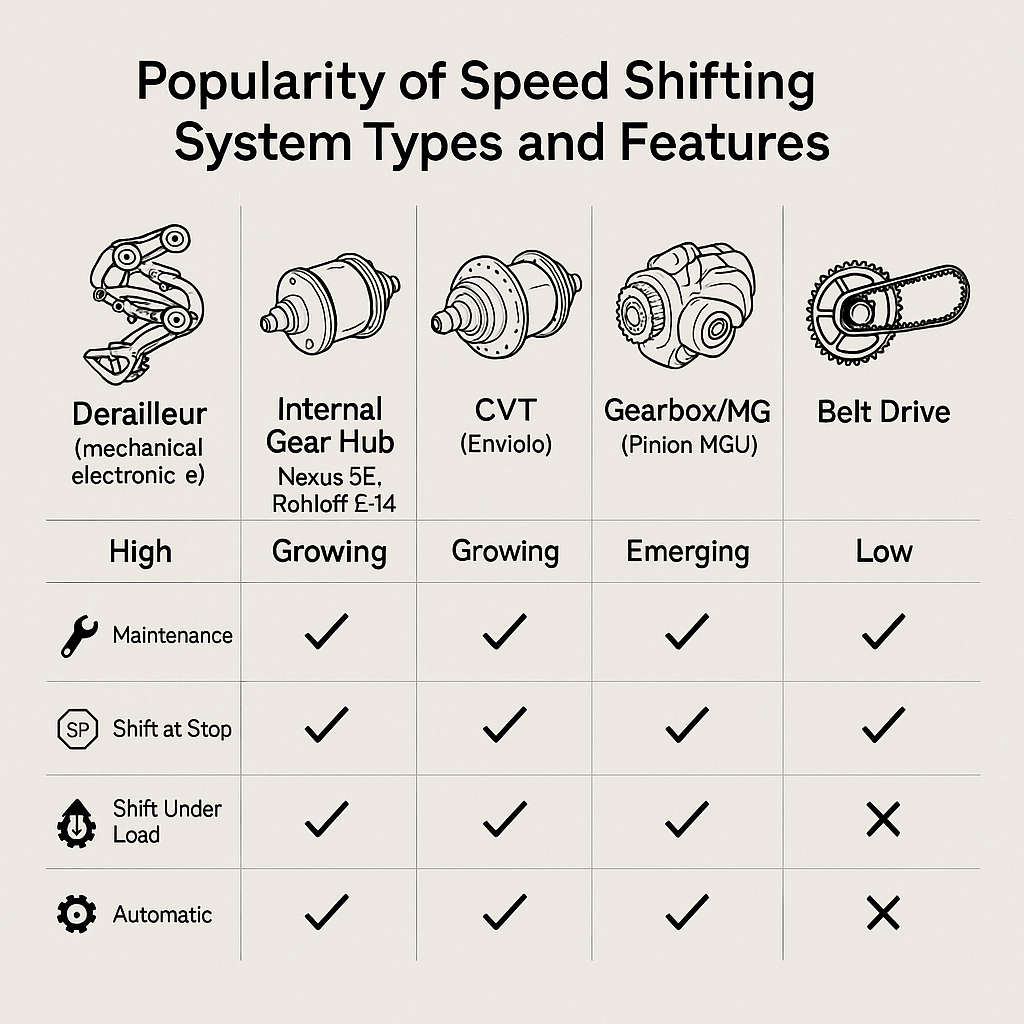

Understanding the different electric bicycle gear systems can help you select the right system based on terrain and riding needs, thereby improving riding efficiency, extending battery life, and reducing unnecessary fatigue and maintenance costs. Whether you are a beginner or an experienced rider, mastering this basic knowledge will allow you to better tackle various riding challenges and enjoy a smoother, safer riding experience.
Electric Bicycle Single-Speed Gear System

The single-speed gear system refers to a transmission system with a single gear ratio, typically consisting of a front chainring and a rear cog. In a single-speed system, the rider pedals to drive the front chainring, which transfers power to the rear cog. The rear cog turns the rear wheel via a chain, propelling the bicycle forward. Because there is no gear shifter or complex gear ratios, the single-speed system simplifies the riding process, requiring the rider to maintain a constant cadence.
-
Advantages:
-
Lightweight: The single-speed system has a simpler structure compared to multi-speed systems, lacking the gears and derailleurs. This increases the overall efficiency of the electric bike. Single-speed systems typically weigh 5-10 pounds (about 2.3-4.5 kg) less than multi-speed systems.
-
Lower Maintenance Costs: The single-speed system eliminates the need for a derailleur, electric shifter controller, and more drivetrain parts, directly reducing maintenance costs for the electric bicycle.
-
Simple Operation: With a single-speed system, the rider can focus on pedaling without worrying about shifting gears, reducing complexity.
-
-
Disadvantages:
-
Limited Adaptability: The single-speed system cannot adjust the gear ratio based on terrain, making it less efficient when climbing, especially on steep hills. On roads with a significant incline, the electric assist system will be activated more frequently, draining the battery faster.
-
Limited Speed and Efficiency Adjustment: The single-speed system offers a fixed gear ratio and cannot provide the flexibility and efficiency of a multi-speed system when dealing with complex terrain or extended rides.
-
Summary: The single-speed system excels in simplified design, lightweight, and low cost. It's suitable for flat rides, urban commuting, and everyday cycling. However, it is limited in handling hills, complex terrain, and adjusting riding speed.
Electric Bicycle Multi-Speed Gear System
The multi-speed gear system is a transmission system with multiple gear ratios. In this system, the rider uses a shifter to select different gear ratios, and the front chainring transfers power to the rear cog. The rear cog turns the rear wheel through a chain, propelling the bike forward. The multi-speed system can adjust gear ratios based on the rider's needs and terrain changes, providing a better riding experience.
-
Applicable Scenarios:
-
Suitable for diverse terrains, particularly mountain, hilly, and rough ground environments.
-
Ideal for long-distance rides, off-roading, and uphill cycling.
-
-
Advantages:
-
Stronger Adaptability: The multi-speed system allows riders to adjust the gear ratio according to different terrain requirements (such as uphill, downhill, or flat ground), helping maintain optimal cadence and efficiency.
-
Better Hill Climbing Performance: The multi-speed system allows riders to adjust the gear ratio when facing steep slopes. By selecting lower gears, riders can receive more assistance, reducing the demand on leg power. Compared to the single-speed system, the multi-speed system offers more balanced power output when climbing, avoiding rapid battery drain.
-
-
Disadvantages:
-
Higher Maintenance Requirements: The multi-speed system includes more gears, derailleurs, and electric controllers. More parts mean higher weight and greater maintenance costs, such as regular adjustments and maintenance. After long rides, issues like wear and unresponsive shifting may arise.
-
More Complex Operation: Riders need to manually switch gears based on terrain, speed, and riding needs. For beginners, this may require some adjustment time and skill.
-
Summary: The multi-speed gear system excels in adaptability and performance, making it ideal for users who need to climb steep hills, go off-road, or ride for extended periods. It offers better efficiency and comfort based on terrain, enhancing overall performance. However, more components mean higher weight and more complex maintenance needs.
Final Recommendation: Choosing the Right Gear System
| Comparison Point | Single-Speed System | Multi-Speed Gear System |
|---|---|---|
| Applicable Scenarios | City commuting, short rides, light off-roading | City commuting, short and medium-long distance rides, light off-roading |
| Gear Ratio Range | Fixed, typically between 1.0 and 3.5 | Ranges from 1.0 to 5.0, adaptable to various terrains |
| Ease of Operation | Very simple, no gear shifting required | Slightly complex, requires shifting front and rear cogs depending on terrain |
| Riding Efficiency | Best for flat terrain, efficient, but less effective on slopes | Highly adaptable, provides better efficiency across varied terrains |
| Weight | Lightest, with only a single gear system | Heavier than single-speed, adding about 5-10 lbs (2.3-4.5 kg) |
| Maintenance Requirements | simple structure, low failure rate | Requires regular checks on derailleurs and chains |
| Best Suited Riders | Beginners, riders who need simple operation and low maintenance | Experienced riders, those requiring high off-road performance |
Summary and Recommendations:
Ideal Users for the Single-Speed System:
The single-speed system is perfect for beginners and city commuters due to its simplicity. Riders do not need to adjust gears, making it ideal for flat roads and short-distance rides. Its simple structure and low maintenance requirements make it suitable for those who don’t want frequent repairs. Additionally, for users seeking a straightforward riding experience, the single-speed system offers efficient cycling while reducing complexity and the risk of malfunctions.
Ideal Users for the Multi-Speed Gear System:
The multi-speed system is better suited for riders with some cycling experience, particularly those who need to handle diverse terrains, off-roading, or long-distance rides. It provides a wider range of gear options to adapt to various inclines and road conditions, improving both efficiency and comfort.

Macfox Electric Bike Solutions
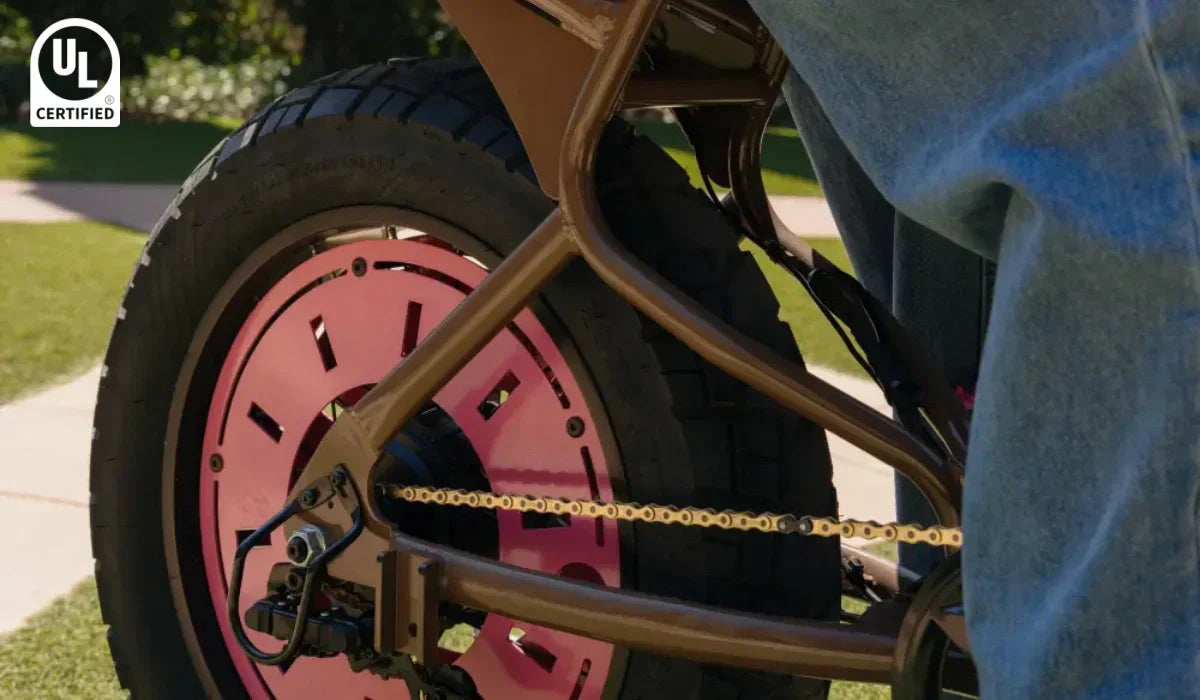
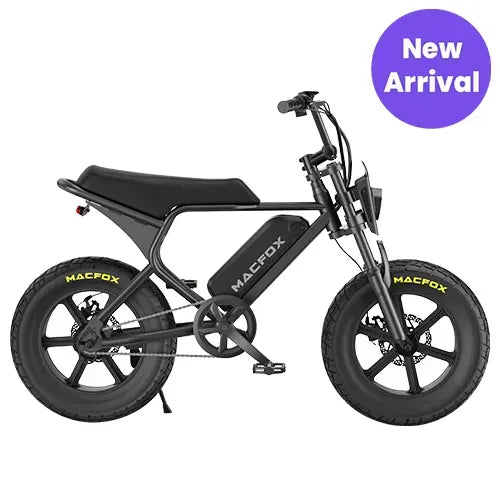
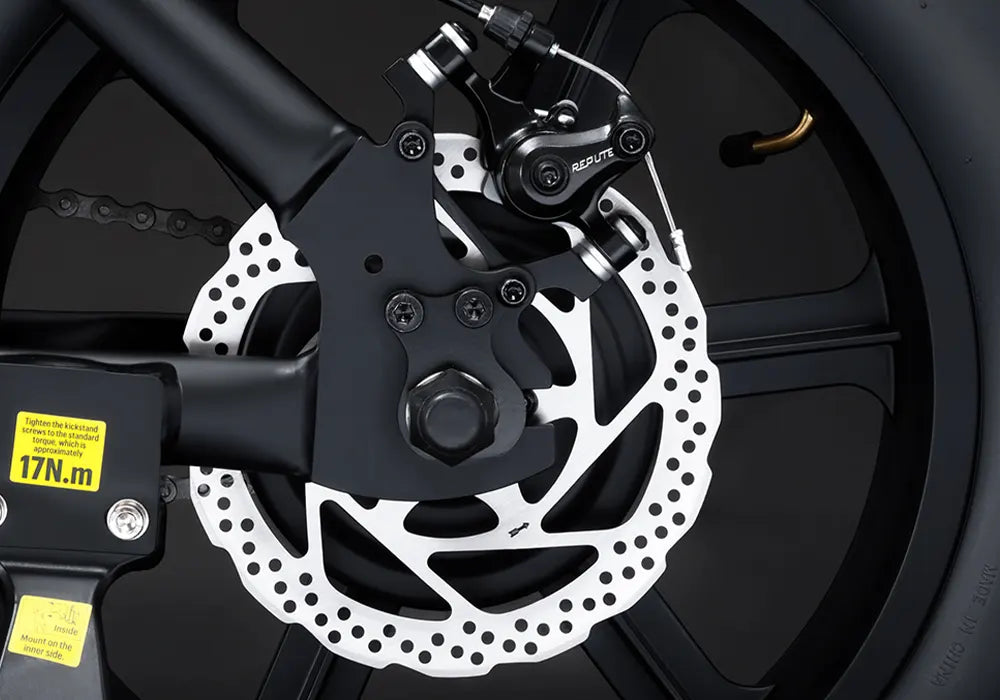
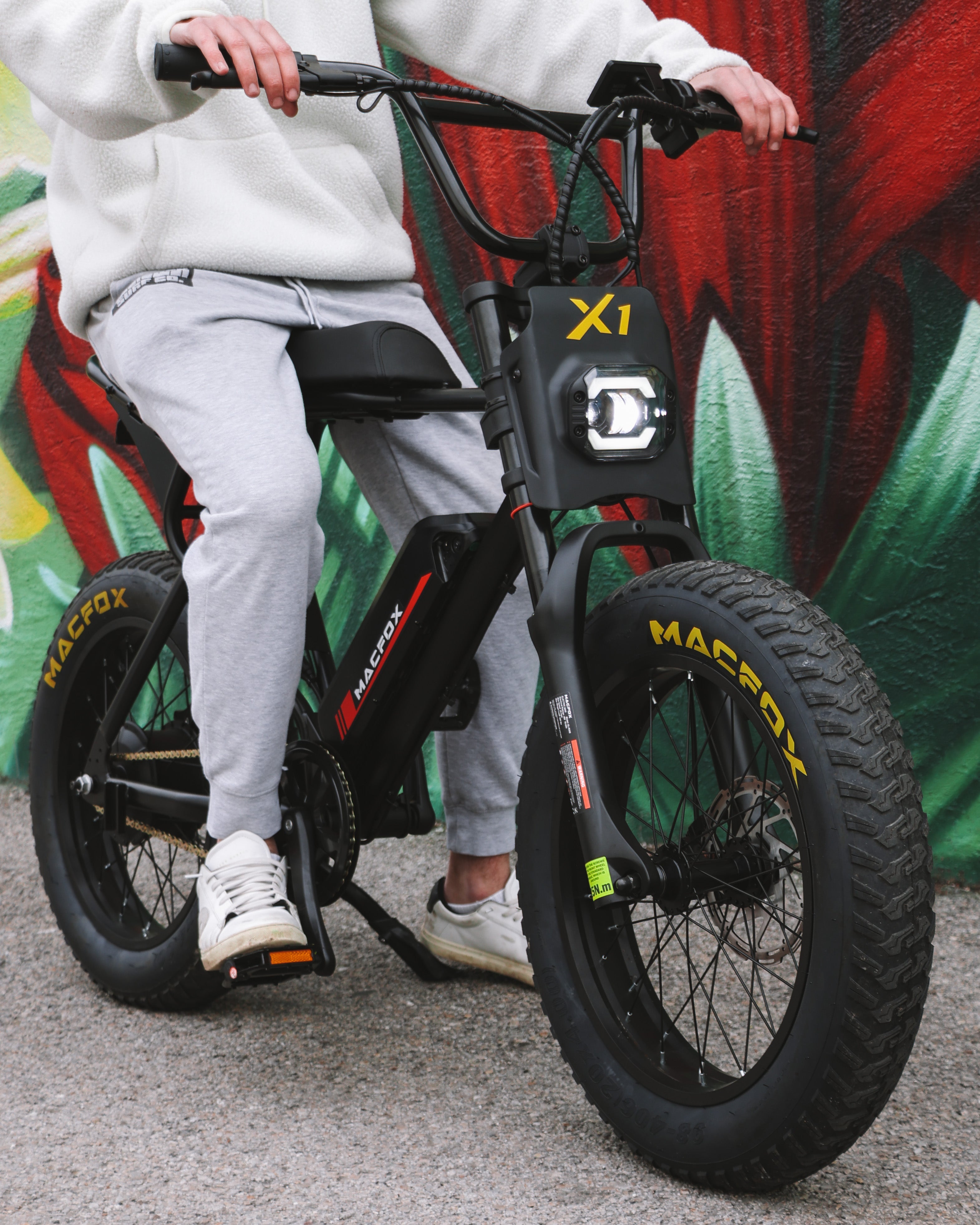
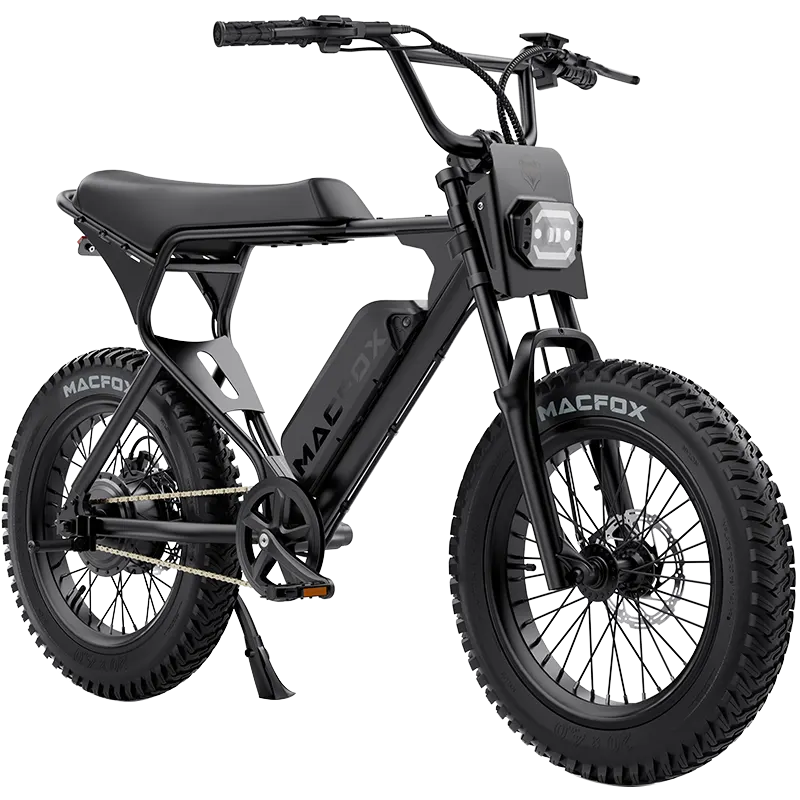
The Macfox X7 ebike is a single-speed electric bicycle that offers easy operation, a comfortable riding experience, and an efficient electric assist system. With a 30-mile range, it’s perfect for daily commuting. The large front 20"x4.5" and rear 20"x5" tires provide stability and adaptability to different terrains. The oil shock-absorbing front fork and hydraulic disc brakes ensure comfort and safety, especially in urban and gravel path environments. It has a quick charging time of just 5-6 hours, minimizing wait time for users. Additionally, the X7 is UL certified, ensuring the safety of its battery and electric system, further boosting rider confidence. Overall, the X7 is an ideal choice for users who need simple operation, efficient performance, and safety assurance, making it especially suitable for teens or first-time riders.