
Short Answer For RadRover Searchers
Choose by use case, not by brand name alone. RadRover can still make sense if you intentionally want an older 26 x 4 Rad Power fat-tire model and can verify the exact model year, battery, parts, seller, and support route. Macfox X7 may be the more direct fit if your priority is a current 20-inch wide-tire daily eBike with an active product page, a front 20 x 4.5 tire, rear 20 x 5.0 tire, Class 2 setup, and optional dual-battery range planning.
This is not a simple old-brand-versus-new-brand comparison. RadRover built a strong search footprint around the 26-inch fat-tire format, and RadRover 6 Plus had recognizable features such as hydraulic brakes, 26 x 4 tires, and a 672Wh battery. The problem is that current Rad Power pages do not present RadRover as a straightforward new-bike listing.
That makes the buyer decision more conditional than it looks. If the buyer is shopping a used or remaining RadRover, verify the exact model year, battery, service route, and parts fit. If the buyer wants a current Macfox wide-tire option with less version uncertainty, X7 deserves a close look.

RadRover usually starts as an availability question. The buyer may be looking at legacy reviews, used listings, or remaining stock, so battery age, charger, model year, seller path, and support route matter before any Macfox comparison.
Start With Current Availability, Not Nostalgia
RadRover has name recognition, but current page evidence matters. Rad Power's product sitemap shows RadRover-related parts such as a RadRover rear rack, a RadRover 6 Plus taillight, and replacement kickstands. The current electric-bikes collection is built around other Rad families such as RadWagon, RadRunner, Radster, and RadExpand.
That does not make RadRover irrelevant. It means a buyer searching RadRover is often dealing with an older model page, a used-bike listing, a remaining-stock offer, or a parts-compatibility question. That should change the comparison.
For RadRover specifically, the first step is to identify what is actually being sold. A current listing, remaining-stock offer, used bike, and parts page are not the same buying situation, even when the same RadRover name appears in the search result.
What RadRover 6 Plus Represented
Electric Bike Review's RadRover 6 Plus review shows why the model earned attention. The 2021/2022 RadRover 6 Plus used a 750W rear geared hub motor, 68Nm torque, 48V 14Ah battery, 672Wh battery capacity, Class 2 setup, twist throttle, 20 mph top speed, and estimated 25-45 mile range.
The bike also used 26 x 4 Kenda/Rad Power Bikes Juggernaut tires, an RST spring suspension fork with 60mm travel, Nutt hydraulic disc brakes with 180mm rotors, and a listed total weight of 74.2 lb. That is a substantial 26-inch fat-tire format with larger-wheel handling expectations.
For the right buyer, that larger tire diameter and heavier frame can feel steady and familiar. But it also makes fit, storage, lifting, rack transport, and battery age much more important if the bike is being considered today.
Where Macfox X7 Fits The Current Wide-Tire Decision
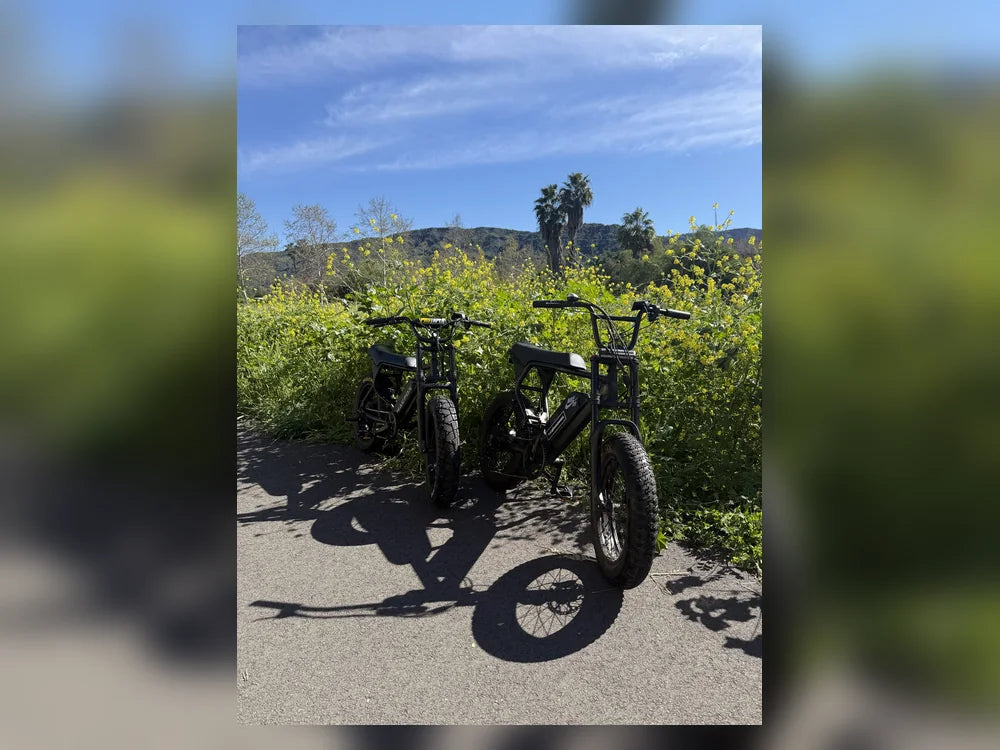
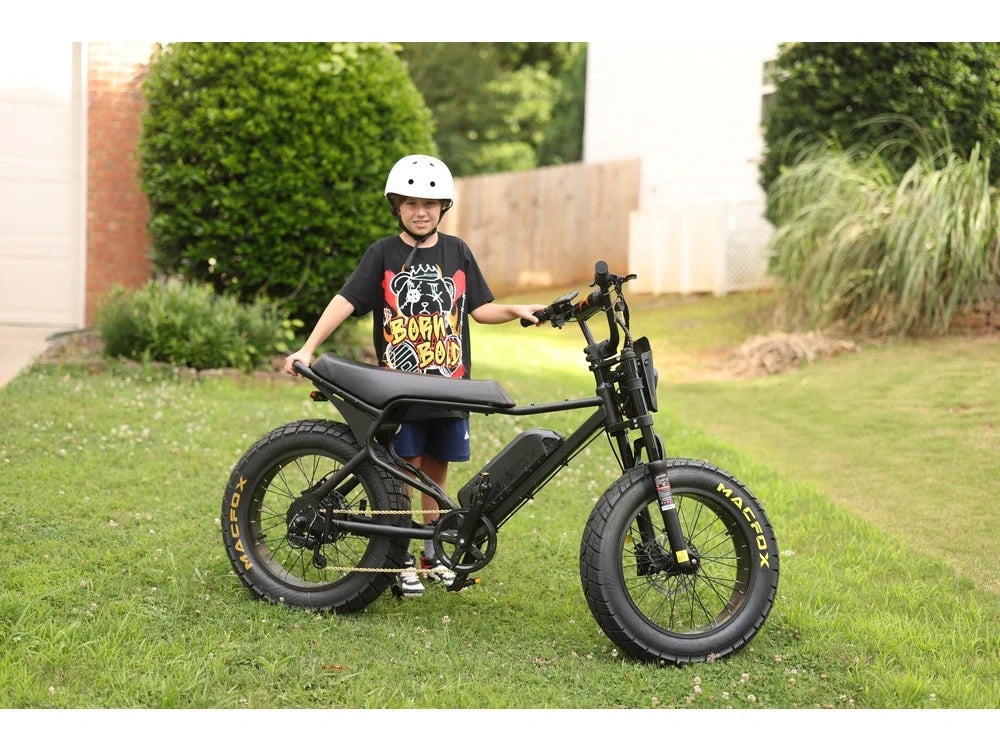
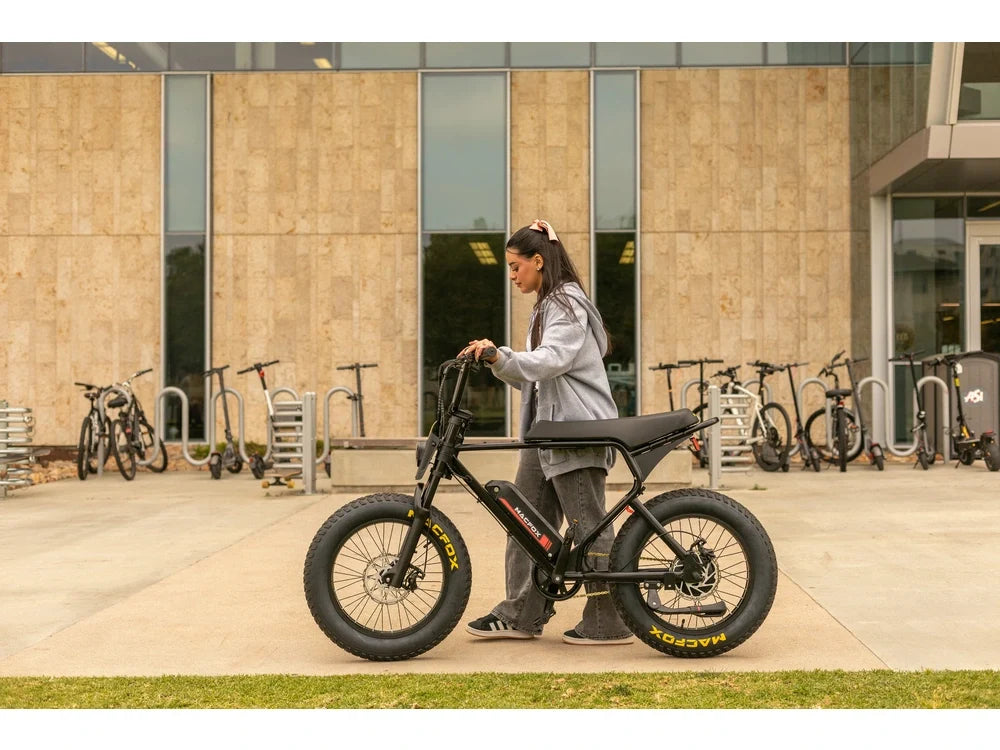
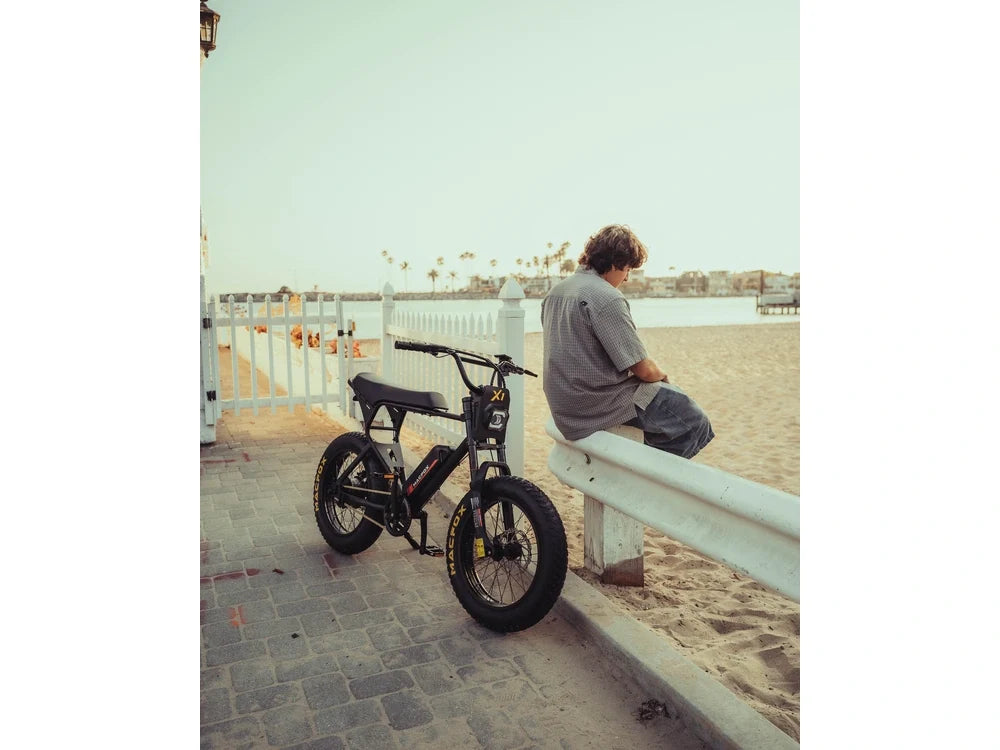
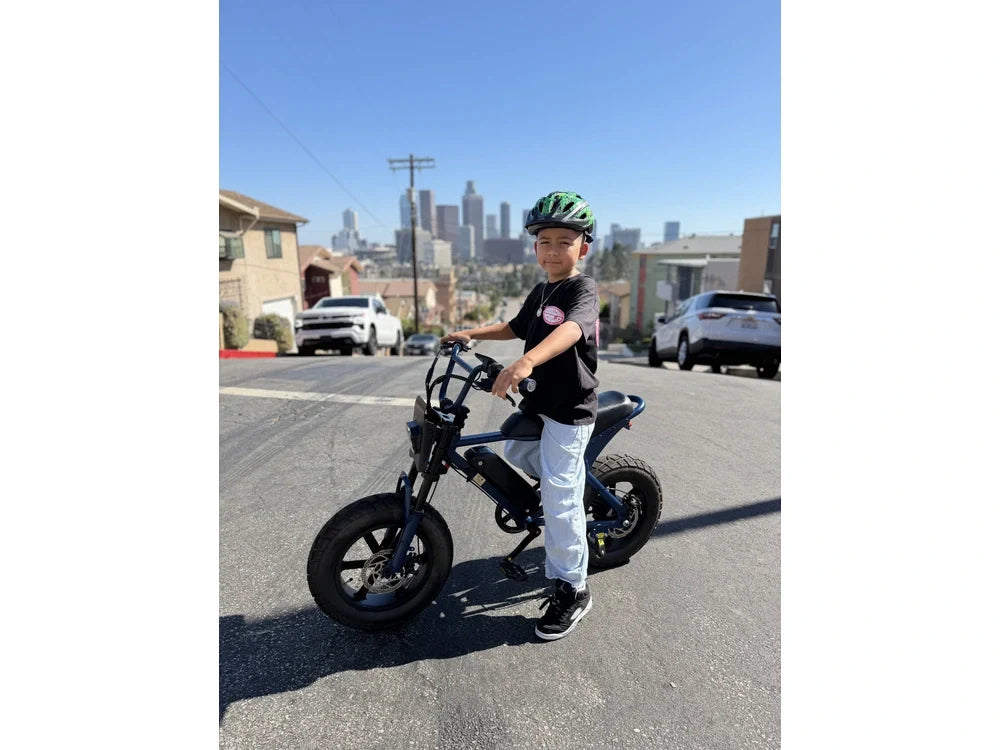
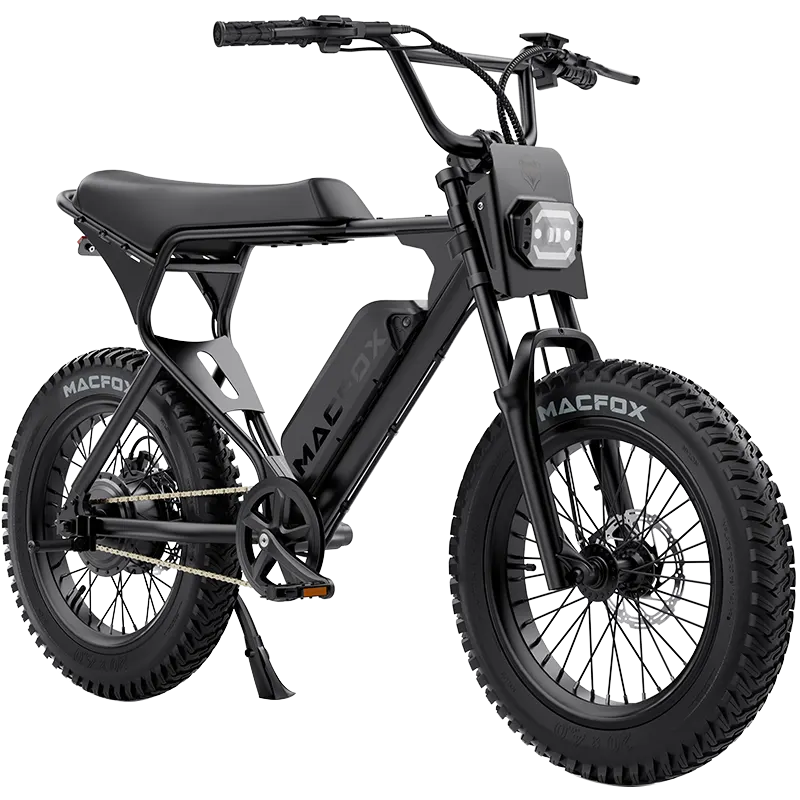
The Macfox X7 eBike should be judged as a current 20-inch wide-tire electric bike, not as a replacement for RadRover. It has a front 20 x 4.5 tire and rear 20 x 5.0 tire, which gives it a different stance from RadRover's older 26 x 4 format.
For buyers who want a current product page and a simpler model decision, X7 is easier to place in the shortlist. Macfox lists a 500W motor, 750W peak output, 20 mph top speed, 35 miles with one battery, 70 miles with the dual-battery path, UL 2849 certification, Class 2 positioning, and 5'1"+ rider guidance.
That is the useful split: RadRover is the larger historical 26-inch fat-tire reference; X7 is the current Macfox 20-inch wide-tire option for riders who value an active listing and a wider rear tire.
Older 26-Inch Fat-Tire Search Versus Current Wide-Tire Routine
| Buyer Question | Rad Power RadRover | Macfox X7 |
|---|---|---|
| What is the main situation? | Older 26-inch fat-tire RadRover or RadRover 6 Plus comparison. | Current 20-inch wide-tire Macfox model. |
| What should be checked first? | Exact model year, battery condition, parts fit, seller, and support route. | Whether X7's non-folding wide-tire format fits the rider. |
| What tire detail stands out? | RadRover 6 Plus used 26 x 4 fat tires. | X7 uses a front 20 x 4.5 tire and rear 20 x 5.0 tire. |
| What current-page detail matters? | Current Rad pages mostly show RadRover parts and compatibility signals. | Active Macfox product page with current listed specifications. |
| Who should start here? | Buyers intentionally comparing an older RadRover or remaining-stock listing. | Buyers who want a current 20-inch wide-tire Macfox option and do not need the older 26-inch RadRover format. |
Consider RadRover If You Specifically Want The Older 26-Inch Format
RadRover can still make sense when the buyer is intentionally seeking a larger 26 x 4 fat-tire bike and knows exactly which RadRover version they are evaluating. That includes checking whether the bike is RadRover 5, RadRover 6 Plus, high-step, step-thru, or another listing using the RadRover name.
The strongest RadRover argument is the older large-wheel fat-tire identity. A buyer may prefer the 26-inch diameter, hydraulic brakes on RadRover 6 Plus, 672Wh battery rating, and Rad's accessory ecosystem around racks, fenders, and parts compatibility.
The important caution is not brand judgment. It is purchase clarity. If the bike is used or no longer presented as a current new-bike listing, the buyer has to inspect battery condition, charger, keys, display, brake condition, tire age, firmware/settings, support route, and replacement parts before comparing price.
Consider X7 If A Current Wide-Tire Macfox Route Fits Your Use Case
X7 makes sense when the buyer wants a current model rather than a historical RadRover search result. It gives the rider a defined Macfox product page, a clear Class 2 setup, and a wide-tire 20-inch stance without having to confirm whether an older listing is still supported as a new-bike purchase.
The rear tire is also part of the answer. X7's rear 20 x 5.0 tire gives it a broader visual and contact-patch identity than a standard 20 x 4 fat-tire bike. For riders comparing wide-tire daily options, that is a more relevant detail than RadRover's older 26-inch size alone.
The right Macfox handoff is conditional. If the buyer wants current availability, simpler comparison, and a 20-inch wide-tire model that is still actively sold, X7 may be the more direct Macfox path. If the buyer specifically wants RadRover's larger older 26-inch format, RadRover remains the model to verify.
Checks That Matter Before Buying A RadRover Listing
- Confirm whether RadRover is new, used, or remaining stock. Current Rad pages show more RadRover parts than complete RadRover new-bike listings.
- Check the exact RadRover version. Older RadRover generations and RadRover 6 Plus do not have the same equipment details.
- Inspect battery and charger details carefully. Older eBike listings should always be checked by exact battery model, condition, and charging behavior.
- Compare wheel format honestly. RadRover 6 Plus was a 26 x 4 fat-tire bike; X7 is a 20-inch wide-tire bike with a wider rear tire.
- Measure storage and lifting needs. Electric Bike Review listed RadRover 6 Plus at 74.2 lb, so handling is part of the decision.
- Use current-model clarity as one factor. X7 is easier to verify as a current Macfox model, while RadRover requires a more careful listing-by-listing check.
Final Fit Recommendation
RadRover is worth comparing if the buyer intentionally wants an older 26 x 4 Rad Power fat-tire model and is prepared to verify model year, battery, parts, seller, and support details. Macfox X7 may fit better if the buyer wants a current active product page, a 20-inch wide-tire daily eBike, a front 20 x 4.5 tire, rear 20 x 5.0 tire, Class 2 positioning, and optional dual-battery range planning.
Consider RadRover for the older large-wheel fat-tire reference. Consider X7 when current Macfox availability and the 20-inch wide-tire daily format matter more than RadRover's older 26-inch platform.
FAQ
Is RadRover still a current Rad Power model?
Current Rad Power pages checked for this draft showed RadRover-related accessories and compatibility signals, while the current electric-bikes collection focused on other Rad families. Buyers should verify whether a RadRover listing is new, used, remaining stock, or an older product page.
What RadRover version is usually compared?
Many comparisons point to RadRover 6 Plus because it had a 750W hub motor, 672Wh battery, hydraulic disc brakes, and 26 x 4 tires according to Electric Bike Review.
Which bike is easier to verify as a current model?
Macfox X7 is easier to verify as a current Macfox model because it has an active product page with current listed specifications. RadRover needs an exact-listing check first.
Which bike has wider tires?
RadRover 6 Plus used 26 x 4 tires. Macfox X7 uses a front 20 x 4.5 tire and rear 20 x 5.0 tire.
Which one should a new buyer start with?
A new buyer who wants a current wide-tire daily eBike can start with Macfox X7. A buyer who specifically wants an older Rad Power 26-inch fat-tire format should start by verifying the exact RadRover listing, battery, seller, and support route.