
If you want the short version, yes, Velotric is a good ebike brand for many riders.
I’d put it in the group of modern ebike brands that do a lot of things well for mainstream buyers. The brand has a broad lineup, strong comfort-focused design, useful safety positioning, and feature sets that look attractive to first-time buyers and everyday commuters.
That said, I would not call Velotric the perfect fit for everyone. A lot of brand-review content misses that point. It tries to answer whether a brand is good in the abstract. Real buyers are asking a better question. Is this brand good for the way I want to ride
That is the better lens for Velotric.
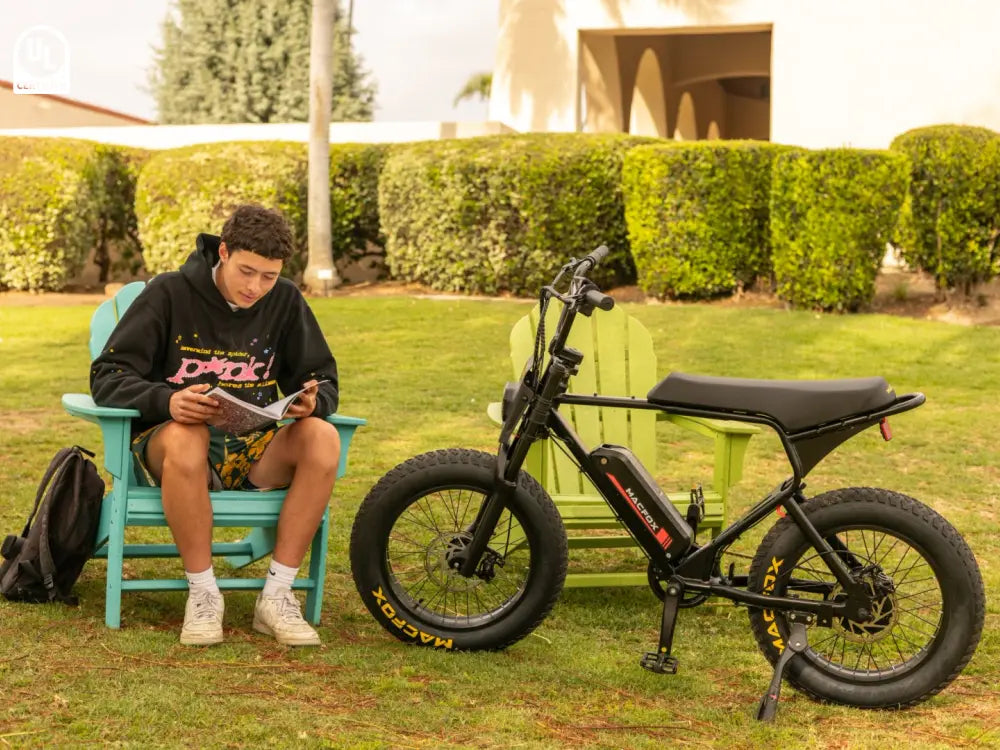
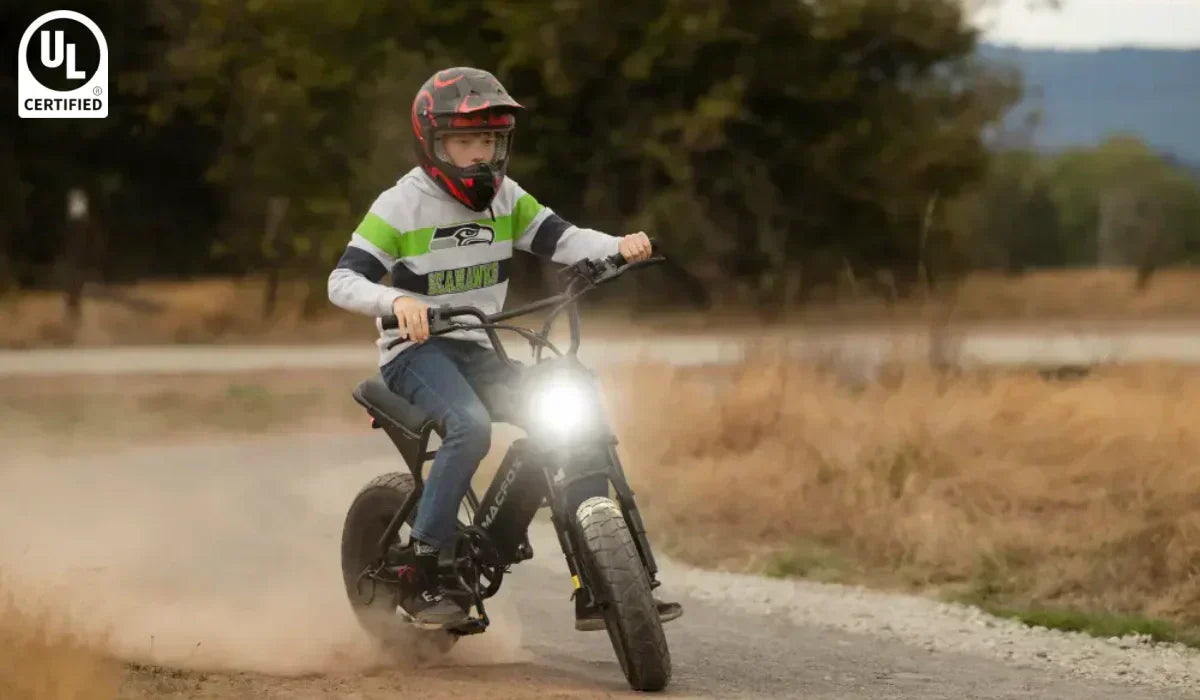
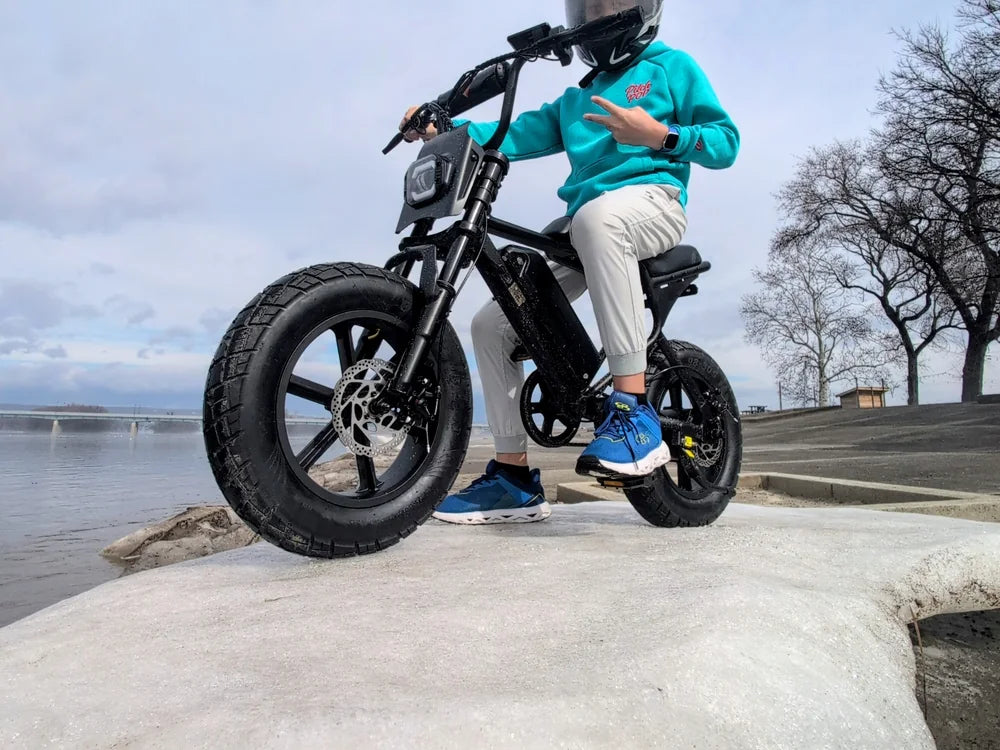
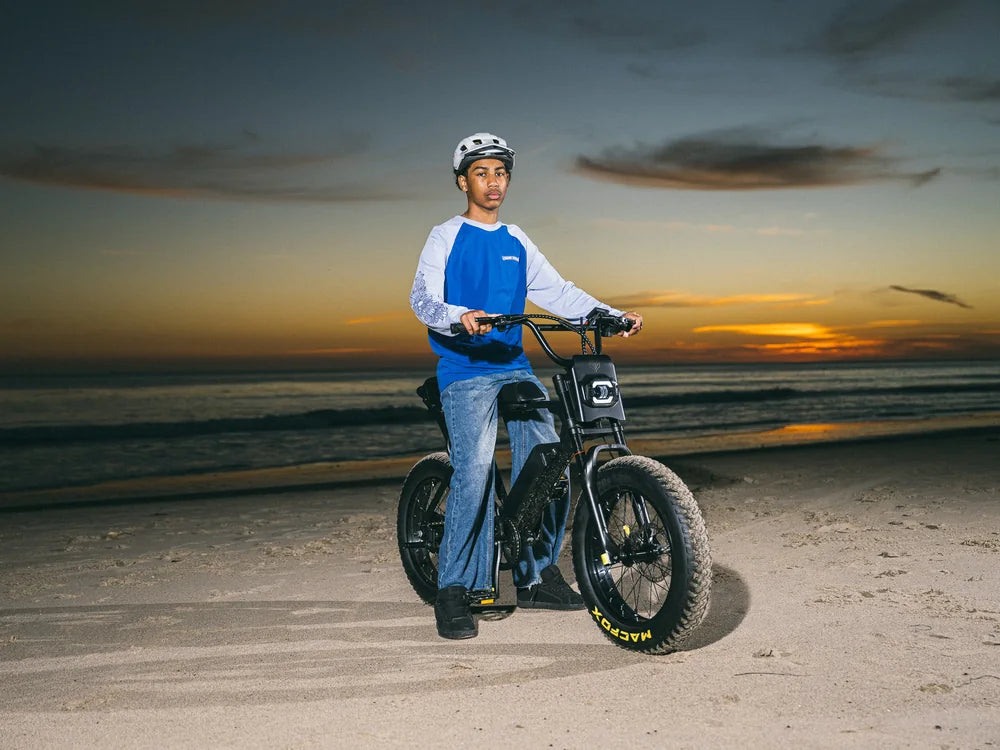
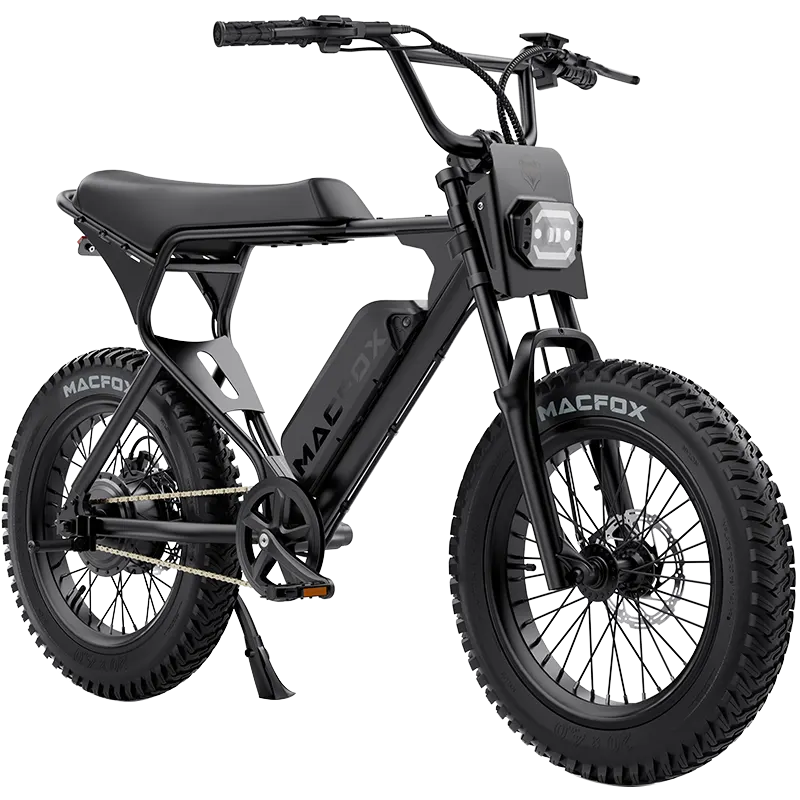
If you want a comfortable, practical, well-equipped ebike with mainstream appeal, Velotric is absolutely worth a look. If you care more about bold styling, stronger visual identity, and a ride that feels more lifestyle-driven from day one, Macfox may make more sense.
Quick Specs Snapshot

(Image source: Velotric official website)
Before we go deeper, here’s the high-level picture.
Velotric’s strongest mainstream appeal comes from models that sit in the roughly $1,499 to $2,499 range based on visible pricing pulled from brand pages and review references during this research cycle. That puts the brand in a sweet spot between bargain-basement uncertainty and premium-brand pricing.
The lineup also covers multiple buyer types instead of one narrow use case.
| Model | Category | Price Context | Notable Specs / Positioning |
|---|---|---|---|
| Discover 2 | Commuter / Cruiser | Under $2,000 in review coverage | 48V 705.6Wh battery, 750W motor, 1100W peak, 75Nm, claimed 75-mile range, 440 lb payload |
| Discover 3 | Comfort commuter | Around mainstream mid-range Velotric pricing | Positioned as rear-hub commuter, up to 80-mile messaging, 28 mph class positioning |
| Discover M | Mid-drive commuter | Above basic commuter tier | Mid-drive positioning for riders who want a more refined commuter feel |
| Breeze 1 | Lightweight city ebike | Mid-range commuter/lightweight tier | Beginner-friendly, city-focused, lightweight identity |
| Nomad 2 | Fat tire / all-terrain | Mid to upper Velotric range | Plush fat tire positioning, more road presence, mixed-use flexibility |
| Fold 1 Plus | Folding ebike | Mid-range folding tier | Built for portability, storage, and travel convenience |
| Summit 2 | SUV / mixed-terrain | Upper mid-range utility-adventure tier | Everyday do-anything positioning in review coverage |
What Is Velotric?
Velotric is a newer ebike brand, but it does not feel random or thrown together. The company has positioned itself as a comfort-first, safety-forward electric bike brand for everyday riding.
From what I’ve seen across its site, review coverage, and product launches, Velotric wants to be known for three things. Comfort, power, and modern features. That message shows up again and again.
The brand has also pushed hard on buyer confidence. You see that in its repeated use of UL certification messaging, dealer and service network claims, and commuter-friendly design language. That matters because people searching “is Velotric a good brand” are usually not looking for a history lesson. They want to know if the company feels legitimate enough to trust.
Right now, Velotric looks more like a fast-growing mainstream ebike brand than a niche experiment. That is one reason it gets attention from buyers who want something more polished than a no-name online bike, but still more accessible than a premium legacy brand.
What Bikes Does Velotric Make?
One thing Velotric does well is product coverage. It is not locked into one bike style or one rider type.
Instead, the brand has built a lineup that covers many of the most common electric bike use cases.
Discover Series
The Discover line is the clearest example of Velotric’s comfort commuter identity. These bikes are built for daily riding, upright positioning, and practical use.
The Discover 2 gives us the clearest hard data from third-party testing. It pairs a 48V 705.6Wh battery with a 750W rear hub motor that peaks at 1100W and delivers 75Nm of torque. Review coverage also cites a claimed 75-mile range, 440 lb total payload capacity, and a 66 lb rear rack rating.
That is a serious commuter spec sheet for a bike reviewed as being priced below $2,000.
The newer Discover 3 is positioned as the next evolution of that formula. Review snippets and brand messaging frame it as a comfort commuter with up to 80 miles of range and 28 mph Class 3 capability. That keeps Velotric strong in the mainstream commuter category.
Discover M
The Discover M pushes further into the premium commuter category with a mid-drive setup. That matters because mid-drive bikes usually appeal to buyers who want a more natural ride feel, better hill behavior, and a more refined power delivery.
Even when exact on-page specs were difficult to pull cleanly during this research pass, the positioning is clear. Discover M is the commuter for riders who want more than a basic rear-hub experience.
Breeze 1
The Breeze 1 leans lighter and more beginner-friendly. It is easier to understand why this model gets attention from riders who want something simple, nimble, and less intimidating.
Velotric review coverage frames it as a lightweight, tech-packed city bike. That matters because many first-time riders do not want a 70-pound beast. They want a bike that feels manageable.
Nomad Series
The Nomad line is where Velotric moves into fat tire and all-terrain territory. These bikes are a better match for riders who want more road presence, more cushion, and more mixed-surface flexibility.
Review coverage around the Nomad 2 and Nomad 2X also suggests Velotric is trying to move beyond basic fat tire branding. The angle is not just “big tires look cool.” It is comfort, capability, and better suspension or terrain readiness for everyday adventure riding.
Fold Series
The Fold models target riders who need portability, travel convenience, or easier storage. That makes them relevant for apartments, RV users, and buyers with limited space.
Velotric review coverage claims the Fold 1 Plus fits riders from 4’9” to 6’6”, which is a useful buyer-confidence detail for a one-size folding bike.
Summit Series
The Summit line gives Velotric a mixed-terrain story. It helps the brand reach buyers who want more trail capability without moving into a pure MTB identity.
Electric Bike Review frames the Summit 2 as a do-anything SUV-style ebike with strong spec-for-dollar appeal. That is exactly the kind of positioning that helps Velotric feel broader and more credible as a brand.
Utility and Cargo Models
Models like the Go 1 and Packer 1 expand the brand into family, cargo, and practical haul use cases. That broadens the brand beyond simple commuter positioning.
Image suggestion to implement: Add a real lineup matrix graphic here that maps each Velotric series to use case, motor type, range claim, and rider profile.
This wide lineup is a real advantage. It helps answer one of the biggest buyer questions. Does this brand actually have a bike for my needs, or just one hero product with lots of marketing around it
With Velotric, the answer is usually yes. There is enough product variety to make the brand feel real and usable across different riding scenarios.

Where Velotric Gets It Right
This is where Velotric earns its reputation.
When I look across official messaging, third-party reviews, and rider discussions, the same strengths keep showing up. The bikes are generally seen as comfortable, feature-rich, beginner-friendly, and competitive for the price.
Comfort
Comfort is probably the most consistent part of Velotric’s brand identity.
That is not just marketing language. Review coverage around models like the Discover series repeatedly points to upright geometry, easy handling, wider tires, and a more relaxed riding posture. In the Discover 2 review, details such as ergonomic Dutch-style handlebars, a cushy saddle, and 27.5 x 2.4 inch tires were highlighted as part of the ride quality.
A lot of buyers are not trying to win speed contests. They want an ebike they can enjoy for commuting, errands, and everyday riding without feeling beat up after twenty minutes.
Velotric understands that better than many brands in the same general price range.
Safety
Safety is another place where Velotric has built a strong message.
The brand frequently highlights UL 2271 and UL 2849 certification in its marketing. That kind of battery and system safety positioning matters more now than it did a few years ago. Buyers are paying attention.
Water resistance messaging also comes up often. In the Discover 2 review, the bike was listed as IPX6 water resistant and the battery as IPX7 waterproof rated. For commuters and casual riders, that makes the brand feel more practical and less fragile.
Is safety certification the only reason to buy an ebike. No. But it does make Velotric easier to trust than brands that stay vague.
Features
Velotric has done a good job making features visible.
That is one reason the brand performs well with newer buyers. The Discover 2 review cited features such as turn signals, cruise control, Apple Find My compatibility, app-based settings, 3 riding modes, 15 pedal assist combinations, and switching between torque and cadence sensor modes.
These are not small details. They help Velotric feel current.
In a crowded market, that matters. Buyers want to feel like they are getting more than a motor and a battery. They want a product that feels intentionally designed.
Variety
Many ebike brands look bigger than they really are. They have one main style and then a few variations around it.
Velotric looks more complete than that. It has commuter bikes, lightweight city models, folding options, fat tire bikes, mixed-terrain bikes, and cargo models.
That does two things for the brand. First, it increases relevance across more search intent. Second, it makes the company feel more established because it is serving multiple rider categories instead of chasing one trend.
Value
This is one of the biggest reasons buyers take Velotric seriously.
Third-party reviews often frame Velotric models as strong value options. The Discover 2 is a good example. It was described as one of the most feature-rich e-bikes available below $2,000, while still carrying commuter-friendly hardware like a 705.6Wh battery, 750W motor, 75Nm torque, 440 lb payload, and 75-mile claimed range.
At the brand level, visible pricing signals during this research cycle clustered many mainstream Velotric models around $1,499 to $2,499, with commuter and lifestyle models often landing in the middle of that band. That gives Velotric a credible “affordable premium” position.
That combination is powerful.
When a brand can sit in the space between bargain-bin uncertainty and premium-brand pricing, it becomes attractive fast.
Specs Comparison Table
Here is the kind of fact-based snapshot buyers and search engines both respond well to.
| Bike | Power & Battery | Range | Key Notes |
|---|---|---|---|
| Velotric Discover 2 | 750W (1100W peak) 48V 705.6Wh |
75 mi claimed 40.9–85.6 mi tested |
75Nm torque, 440 lb payload, under $2,000 |
| Velotric Discover 3 | Rear hub setup | Up to 80 miles | 28 mph commuter positioning |
| Velotric Discover M | Mid-drive system | — | More refined commuter ride |
| Velotric Fold 1 Plus | Folding ebike | — | Fits 4’9”–6’6”, portable design |
| Macfox X1S | 750W peak motor | Up to 76 miles | 20×4.0 fat tires, lifestyle ride |
Where Velotric Still Has Gaps
This is the section many weak brand reviews avoid. I think that is a mistake.
If you want to answer whether Velotric is a good brand in a useful way, you have to talk about the tradeoffs too.
Customer Service
One recurring concern around Velotric is customer service consistency.
That does not mean every rider has a bad experience. It means support quality appears to vary more than ideal, especially when you compare polished brand messaging with real buyer expectations.
This is common in direct-to-consumer ebike brands. The bikes can be strong. The support experience can still feel uneven depending on the issue, timing, or local service access.
If you are the type of buyer who cares a lot about post-purchase hand-holding, this is worth paying attention to.
Assembly Reality
Online bike buying always looks easier on the sales page than it feels in real life.
That is not a Velotric-only issue, but it is still relevant here. Some riders mention assembly friction, setup confusion, or the practical hassle of getting everything dialed in after delivery.
If you are comfortable doing some setup work, that may not bother you. If you want a fully frictionless buying experience, a stronger local dealer relationship becomes more important.
Range Expectations
Velotric does have bikes with strong range messaging, and some real-world tests have been positive.
The best concrete example is the Discover 2. It carries a claimed 75-mile range, and Electric Bike Report tested it between 40.9 and 85.6 miles depending on the riding setup. That is genuinely strong for the category.
Still, range is one of those areas where buyer expectations can drift away from reality fast. Rider weight, assist level, terrain, wind, temperature, throttle use, and tire choice all change the outcome.
So yes, Velotric has real range credibility in parts of the lineup. I still would not tell buyers to shop by claimed range numbers alone.
Feature Execution
This is a subtle point, but it matters.
Velotric is good at packing in features. That is not always the same as perfect execution. In some reviews and rider discussions, the feedback is less about missing features and more about tuning.
A specific example helps here. In third-party testing of the Discover 2, reviewers praised the bike’s software flexibility but also noted that Eco and Trail modes did not feel differentiated enough, and rider discussion around other Velotric bikes pointed to throttle response feeling jerky or delayed in some first-impression use.
That does not cancel out the brand’s strengths. It just keeps the evaluation honest.
Pros and Cons Snapshot
-
Pros
-
Broad lineup across commuter, folding, fat tire, utility, and mixed-terrain categories
-
Strong comfort-first positioning
-
Useful safety messaging with UL certification language
-
Competitive value in the roughly $1,499 to $2,499 mainstream band
-
Modern features like app controls, turn signals, and sensor-mode switching
-
-
Cons
-
Customer support consistency appears mixed
-
Assembly and setup may still create friction for some buyers
-
Real-world range varies heavily by rider and mode
-
Some feature tuning still feels less polished than the feature list suggests
-
Who Should Buy Velotric?
This is the part that matters most.
A good brand is not automatically the right brand. Velotric makes the most sense for certain buyer profiles.
New Riders
If this is your first ebike, Velotric is easy to understand.
The brand does a good job translating features into buyer confidence. Comfort, safety certification, upright geometry, and visible lifestyle use cases all help reduce hesitation.
For many first-time buyers, that is a big deal.
Comfort-First Commuters
If your top priority is a comfortable daily ride, Velotric is a strong option.
The commuter side of the lineup is clearly one of the brand’s strongest areas. That makes it a good fit for city riders, casual commuters, and people who want something practical rather than aggressive.
Buyers Who Want More Choice
Some brands are easy to summarize because they only really serve one identity.
Velotric is broader than that. If you want one brand where you can compare commuter, folding, fat tire, and utility options without leaving the ecosystem, Velotric has real appeal.
That lineup flexibility is useful for households, upgrading riders, and buyers still figuring out what kind of ebike they actually want.
When Macfox Makes More Sense
This is where the answer becomes more personal.
Velotric is good for many people. But if you are not looking for mainstream comfort-first practicality, another brand may suit you better. That is where Macfox enters the conversation.
Style Matters More
Velotric usually wins on broad usability.
Macfox is more compelling when style is a major part of the purchase decision. If you want an ebike that looks more distinctive, more expressive, and more tied to lifestyle identity, Macfox has a clearer emotional pull.
That matters more than some reviewers admit.
A lot of riders are not just buying transportation. They are buying how the bike feels in their life.
You Want a Bolder Ride
Velotric’s strongest bikes often feel practical, comfortable, and broadly accessible.
Macfox can make more sense if you want something with a bolder visual stance and a ride profile that feels more fun-forward from the start. The Macfox home page leans hard into young riders, customizable style, 20 x 4.0 inch fat tires, and an X1S model with a 750W peak motor and up to 76 miles of range.
That is a different emotional pitch from Velotric’s comfort commuter story.

You Prefer the Macfox Vibe
Sometimes the decision is not about which brand is objectively better. It is about which brand fits your taste, your riding habits, and your sense of identity.
If that matters a lot to you, Macfox may be the better choice even if you fully respect what Velotric does well.
This is why I would not frame the decision as Velotric versus Macfox in a simplistic winner-loser way. Velotric is the safer mainstream pick. Macfox is often the more character-driven pick.
That distinction helps real buyers more than forced brand warfare.
My Verdict
So, is Velotric a good brand?
Yes. For many buyers, it is.
Velotric has done a solid job building a brand around comfort, broad product coverage, approachable pricing, safety-forward messaging, and easy mainstream appeal. If you are looking for a commuter-friendly ebike brand with modern features and a lower intimidation factor, Velotric deserves consideration.
The strongest fact-based case comes from bikes like the Discover 2, which combines a 750W motor, 705.6Wh battery, 75Nm torque, 440 lb payload, and up to 75 miles claimed range while being reviewed in the sub-$2,000 class. That is the kind of spec-to-price story that makes a brand feel competitive instead of generic.
At the same time, it is smart to go in with realistic expectations. Support consistency, setup friction, and model-specific ride differences still matter. This is a good brand, not a flawless one.
If your priority is practicality, comfort, and wide product choice, Velotric is likely a strong fit.
If your priority is stronger identity, bolder design, and a more lifestyle-oriented ride feel, I’d spend serious time looking at Macfox before making the final call.
That is the honest answer.
FAQs
Is Velotric a good ebike brand?
Yes. Velotric is a good ebike brand for riders who want comfort, useful features, safety-focused positioning, and a lineup that covers multiple riding styles.
Are Velotric bikes UL certified?
Velotric frequently highlights UL 2271 and UL 2849 certification in its product and brand messaging. Buyers should still confirm the specific model page before purchasing.
Does Velotric have good customer service?
Velotric appears to have mixed but generally workable customer service sentiment. Some buyers report positive experiences, while others raise concerns about response speed or support consistency.
Which Velotric bike is best for commuting?
The Discover series is usually the clearest fit for commuting because it aligns closely with Velotric’s comfort-first positioning. The Discover 2 is the strongest documented example in this research set.
Is Macfox better than Velotric?
Not across the board. Velotric is often the better fit for mainstream comfort and practical commuting. Macfox can be the better fit if you care more about bold styling, stronger lifestyle identity, and a more distinctive ride profile.