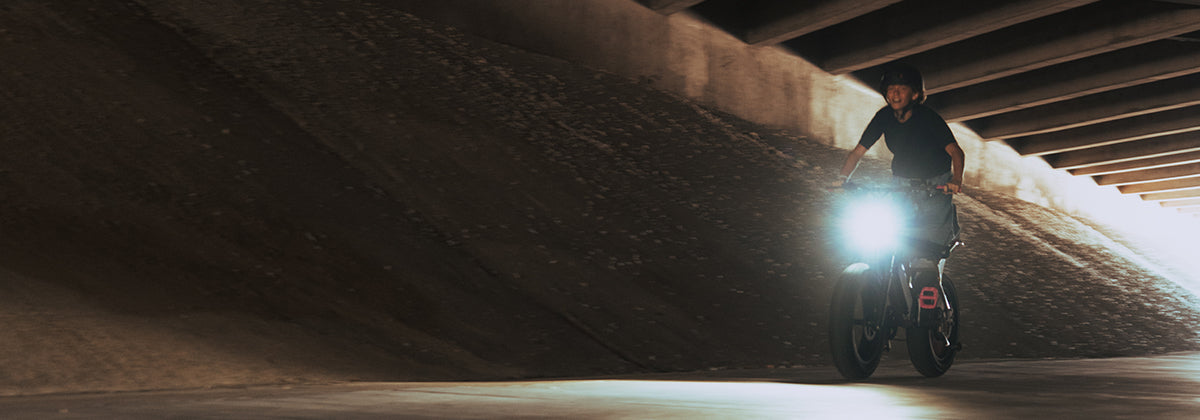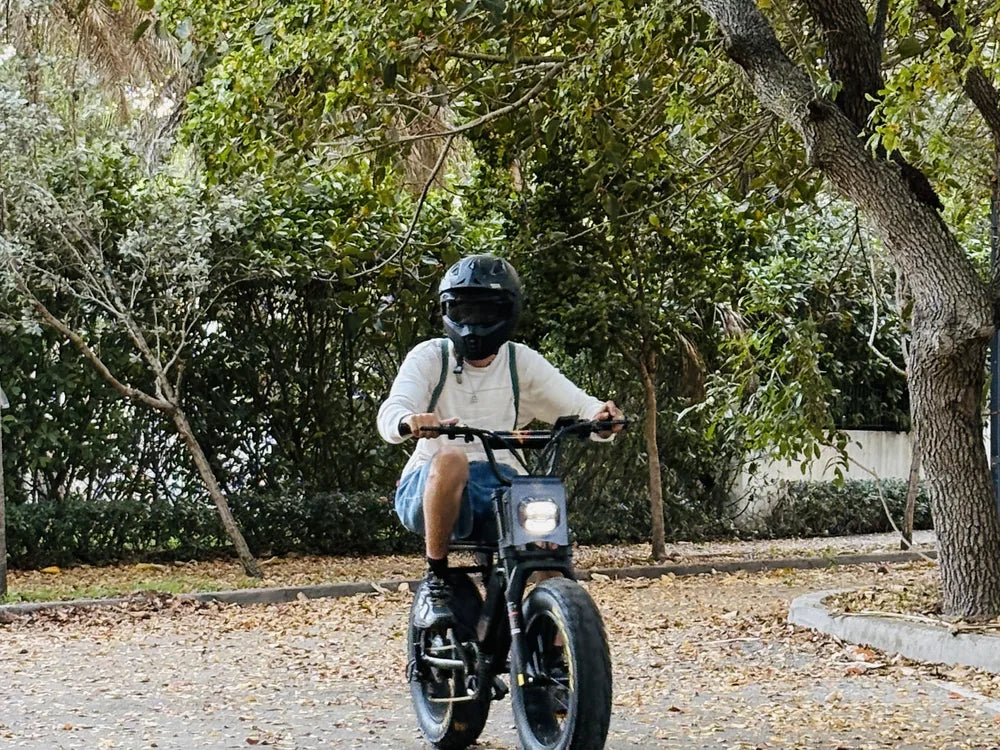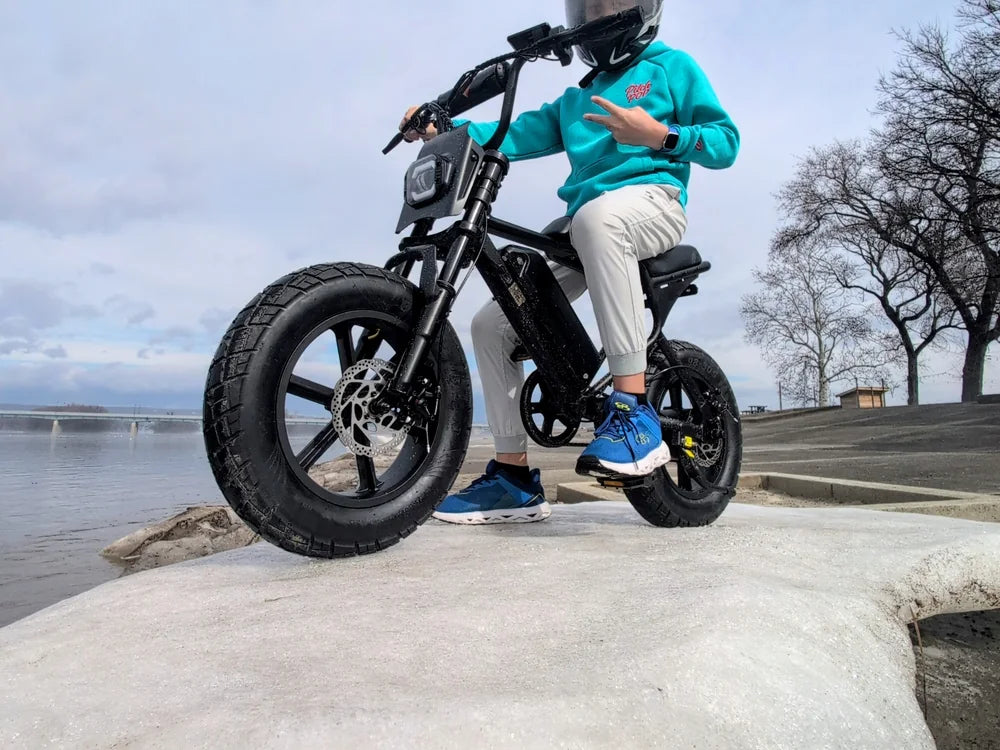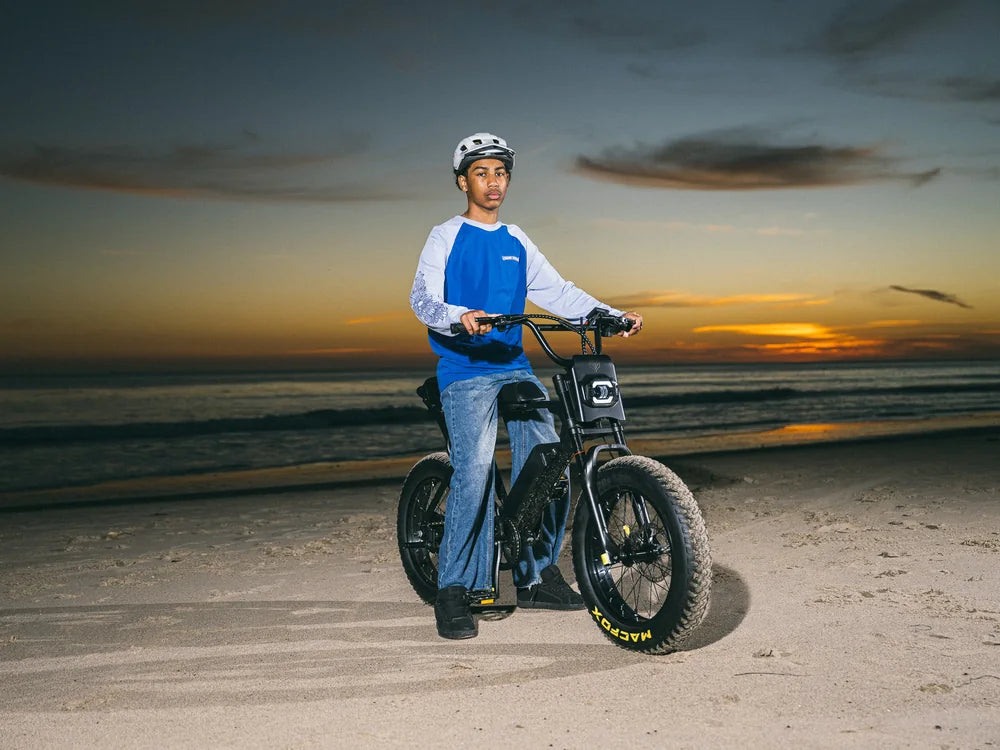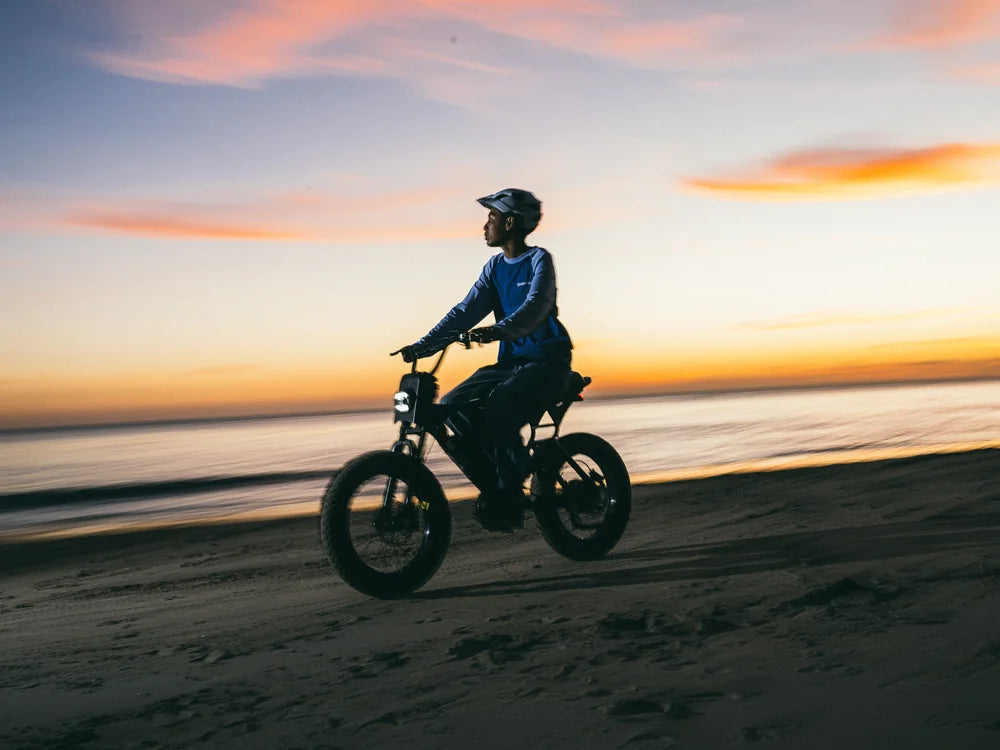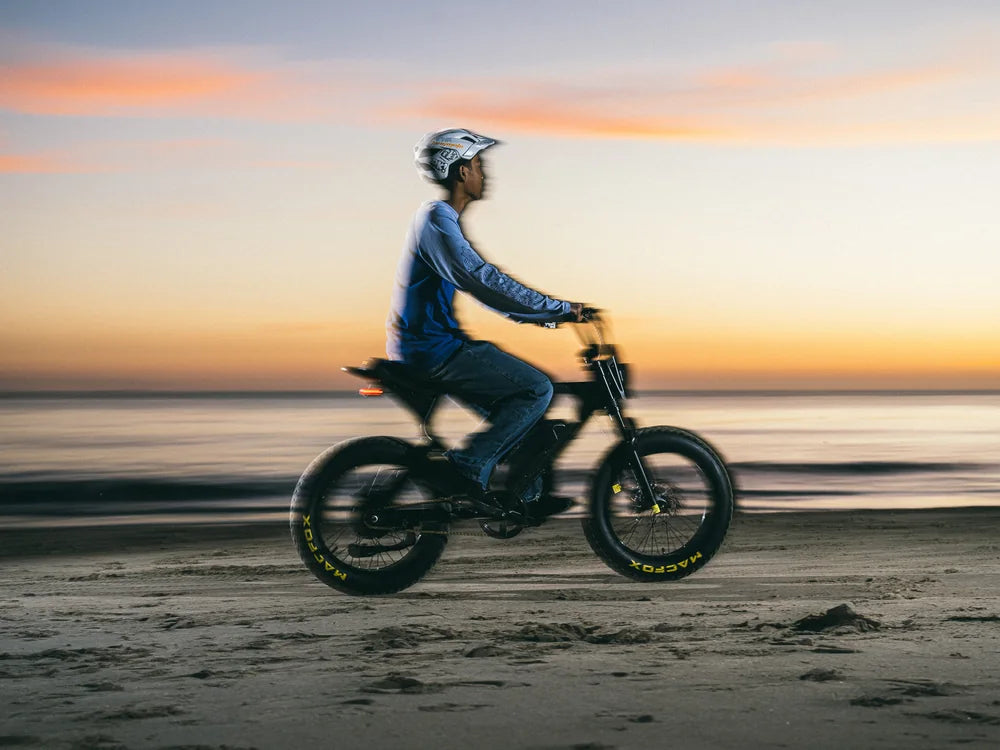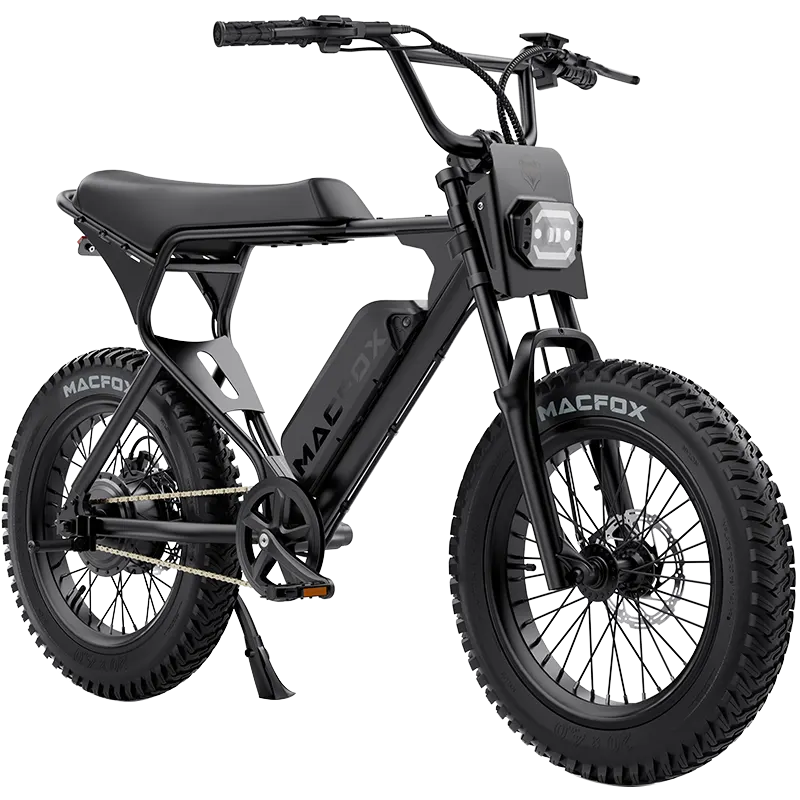

A trekking electric bike is usually suitable for city streets, greenways, country roads, light gravel, and medium-to-long weekend leisure rides. It is more stable than a regular city ebike, and more suitable for long seated rides than more aggressive or off-road ebikes. For beginners who want one bike that can handle both daily commuting and weekend outings, this type is often more practical than a single-purpose model.
Trekking Electric Bike vs Regular Electric Bike
Overall, a trekking ebike places more emphasis on long-distance comfort and mixed-terrain adaptability. A regular commuter ebike is more focused on short- to medium-distance city riding, while a mountain ebike is more focused on rougher surfaces and stronger off-road capability. A trekking electric bike sits in the middle, making it more suitable for riders who want longer rides, more varied routes, and a balance between practical accessories and riding comfort.
Key Feature Comparison Table
| Specification | Trekking Electric Bike | Regular Electric Bike |
|---|---|---|
| Typical Riding Distance | 20–80 km is more common | 5–30 km is more common |
| Common Battery Capacity | 500Wh–700Wh is more common | 300Wh–500Wh is more common |
| Common Motor Output | 250W–500W, with more emphasis on smooth, sustained assistance | 250W–500W, often more focused on everyday practicality |
| Tire Width | 1.75"–2.4" is more common | 1.5"–2.1" is more common |
| Frame Riding Position | More upright, with greater focus on long-ride comfort | More basic commuter or casual riding posture |
| Suspension Setup | Front suspension is more common | Many entry-level models do not have suspension |
| Brake Setup | Better suited to hydraulic disc brakes or more stable disc brake systems | Mechanical disc brakes or more basic brake setups are more common |
| Bike Accessories | Rear racks, fenders, and lights are more common | More basic setup, often requiring aftermarket additions |
| Best-Suited Terrain | Pavement, greenways, country roads, and light gravel | Mainly city streets and neighborhood roads |
| Overall Positioning | Long-distance comfort + multi-scenario practicality | Short-distance mobility + everyday commuting |
Start by Looking at Your Real Riding Scenarios
One of the most common mistakes beginners make is looking at the specs first, and only later realizing that the overall bike category does not actually match their routes. If you mainly ride on city roads and greenways, then a trekking ebike with a comfortable riding position, practical features, and a bike weight that is not too heavy will suit you better. If you often ride from the city to the suburbs, or go through country roads, light gravel, gradual climbs, and windy routes, then you should pay more attention to range, smooth motor output, tire stability, and braking performance. If you also plan to carry bags, gear, or even do occasional light touring, then racks, mounting points, and load-carrying ability become more important.
Quickly Compare Your Own Riding Scenario
-
Mainly city roads + greenways: put more value on a comfortable riding position, easy assistance, and practical everyday features
-
Medium-to-long weekend rides: put more value on battery capacity, seating comfort, and stability on mixed terrain
-
Country roads / light gravel / hilly routes: put more value on tires, front suspension, motor output, and brakes
-
Light touring / carrying bags: put more value on racks, mounting points, load-carrying ability, and extra range margin
Comfort Should Come First, Not Be an Afterthought
1. Riding Position
When it comes to the frame, beginners should mainly pay attention to two things: first, the size needs to fit properly, and second, the riding position should feel natural. If the frame is too large, the bike will feel bulky and harder to control; if it is too small, the riding position will feel cramped, and long rides will become tiring more quickly. If you want easier mounting and dismounting for everyday riding in normal clothes, or if convenience matters more to you, a step-through frame is usually more user-friendly. If you care more about the stability and sporty feel of a traditional frame, then a step-over frame is also fine, as long as getting on and off the bike does not feel awkward.
2. Grip Choice
It is better to choose ergonomic grips with palm support rather than thin, hard, basic round grips. A grip diameter of around 32–36 mm is usually a better fit for most adults, and softer rubber or composite materials are also recommended, since they can spread pressure across the hands more effectively and reduce discomfort on longer rides.
3. Saddle Support
A saddle with medium firmness is usually the better choice, meaning it has some cushioning when you sit on it, but does not collapse from being too soft. A saddle like this is generally better for trekking riding than one that is either too hard or too soft, because it provides more stable support during long rides.
What Are the Most Important Specs When Choosing a Trekking Electric Bike?
This is the part beginners really need to focus on. Not every spec matters equally, and the main factors that really affect the trekking riding experience are the following.
1. Motor: Look at Whether It Feels “Enough” and “Smooth,” Not Just Whether the Number Is Big
For most trekking ebike users, a battery capacity of around 500Wh–700Wh is usually the safer range to look for. This range is better suited to medium-to-long distance riding, and a torque sensor adjusts assistance in real time based on how hard you pedal, so the ride feels smoother and more natural. By contrast, a cadence sensor only detects whether you are pedaling or not, so the assistance can feel more abrupt, and sometimes a little jerky.
3. Tires: Trekking Bikes Are Better Suited to Medium-to-Wider Tires
For most beginners, it is better to focus on 2.0"–2.4" tires for mixed use on pavement, country roads, and light gravel. A more practical reference range is:
-
About 1.75"–2.2": better for city riding, greenways, and light leisure trekking
-
About 2.0"–2.4": better for mixed terrain, meaning a combination of pavement, country roads, and light gravel
-
Much wider than that: more in the fat-tire or high-traction category, and not necessarily the most typical choice for trekking
The ideal tire setup for a trekking bike should not feel too slow on paved roads, while also not making you feel nervous on slightly more complex terrain. For beginners, a medium-width tire is usually the more reliable choice.
4. Front Suspension: Not Essential, but Definitely Worth It in Many Trekking Scenarios
If your routes are mainly flat city roads, front suspension is not essential. But if you often ride greenways, country roads, brick roads, cracked pavement, or light gravel, then it is more worth choosing a bike with 50–80 mm travel, ideally with a lockout function, so you can reduce unnecessary bouncing on smooth pavement and improve pedaling efficiency. This kind of setup can already balance the two things trekking riders need most: long-ride comfort and everyday riding efficiency.
5. Brakes: Prioritize Stability, Linearity, and Easy Control
If your routes are longer, hillier, more complex, or if you often carry bags and gear, then it is more worth prioritizing hydraulic disc brakes. Trekking electric bikes are usually heavier, used for longer distances, and more likely to be ridden on downhills, mixed terrain, or with extra load. Hydraulic disc brakes usually have a more linear feel and more consistent stopping power, and are also easier for beginners to control.
Practical Feature Suggestions
One of the appealing things about this type of bike is that it can often handle commuting, weekend riding, and light touring at the same time. So on a trekking electric bike, practical features are not just extras; they are a very important part of the package.
The features especially worth paying attention to include:
-
Rear rack: useful for bags, groceries, gear, and short trips
-
Fenders: more convenient for daily commuting and wet roads
-
Front and rear lights: more practical for commuting, evening riding, and longer outings
-
Bag mounts / water bottle cage mounts: especially important for trekking and light touring users
-
Kickstand: very useful in everyday parking situations, and easy to underestimate
These features will not make the spec sheet look more extreme, but they can strongly affect whether the bike feels convenient to use and whether you will actually want to ride it more often.
Which Specs Do Not Need Too Much Attention?
When beginners choose a trekking electric bike, there are also a few specs that do not need too much stress.
First, do not obsess too much over peak power. A lot of marketing puts a big number on peak power, but for trekking use, sustained output and smoothness usually matter more. Second, do not focus only on the claimed maximum range; real-world range matters more. Third, do not chase overly off-road-oriented setups just to make the bike look “more professional,” because the core of a trekking ebike is not extreme capability, but long-distance comfort and multi-purpose practicality. Fourth, there is no need to get lost in overly technical details at the beginning, such as advanced geometry numbers or overly specific motor terminology, because that usually does not help most beginners very much.
Conclusion
Choosing a trekking electric bike is not really about picking the one with the most extreme specs, but about choosing the one that best matches the way you actually ride. For beginners, a good trekking ebike should stay comfortable over long distances, feel stable on mixed terrain, and still be practical in everyday use.