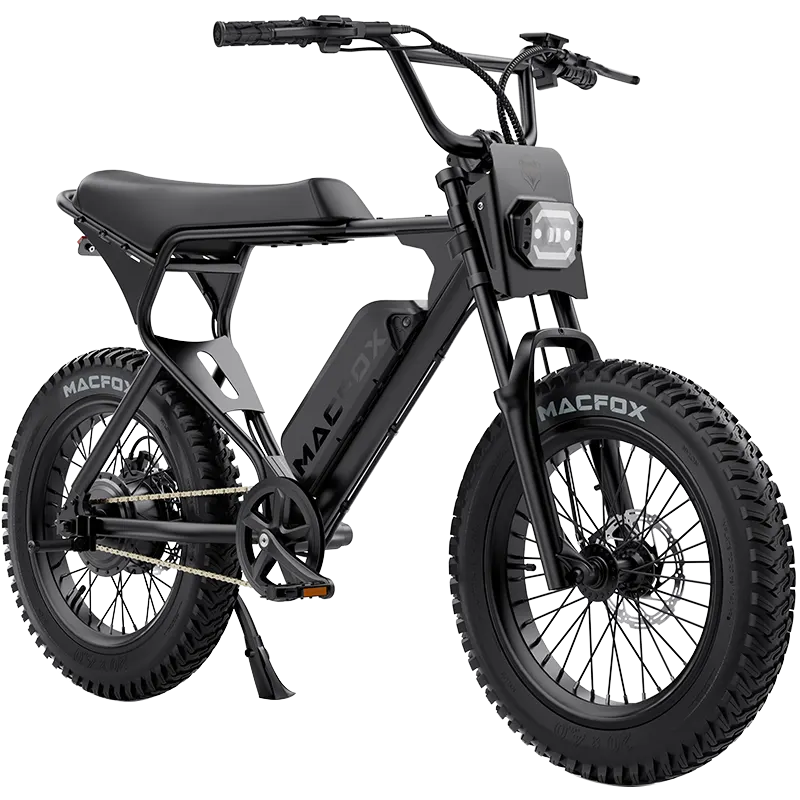

If pedal assist still engages but feels weaker than usual, start with a fair comparison before blaming the motor. Use a familiar short route and check the conditions that can change how assistance feels: assist level, battery level, tire pressure, load, wind, slope, and road surface.
This is different from assist that starts late, cuts in and out, or never engages. The question here is narrower: the help is present, but the push feels lower than it normally does.
Make a Fair Comparison First
Repeat a short section of a route you know well. Use the same assist level and avoid judging the bike from one unusually steep hill or windy ride. A softer tire, heavier bag, lower battery, rough surface, or strong headwind can make the same electric bike feel much less responsive without proving that a component has failed.
Check both tires and confirm that the battery is seated normally. Look at the display before the test so you know the selected assist level and whether any warning is visible. The goal is to remove obvious variables, not to create a workshop test.

Check the Controls That Can Reduce Assist
Make sure the assist setting has not changed. If the bike offers several levels, compare them on the same flat section. The difference between levels should be easier to judge when the route, load, and battery condition stay consistent.
Look at both brake levers as well. A lever that feels sticky or does not return cleanly deserves attention because brake-related cutoff behavior can affect motor assistance. Do not open sealed parts, pull apart connectors, or adjust electrical components just to test a guess.
Read the Pattern, Not One Hard Ride
Write down where the weakness appears. Does every assist level feel lower, or only the lowest one? Is the change present from the beginning of the ride, only after a climb, only with a heavy load, or mainly when the battery is lower?
A repeatable pattern is more useful than saying the bike “has less power.” Note the route, battery display, assist level, tire condition, load, and any sound or warning. That gives support a clear starting point without turning a riding impression into a parts diagnosis.
Stop Testing When Other Warning Signs Appear
Stop riding if weak assistance is paired with unusual heat, a burning smell, grinding, a loose battery, an error message, flickering power, or a sudden shutoff. Move the bike to a safe place and avoid repeatedly forcing it uphill to see whether the problem clears.
For symptoms beyond a simple change in assist strength, continue with the Macfox e-bike troubleshooting center. It separates pedal-assist symptoms from battery, display, throttle, controller, and motor issues.
FAQ
Does weak pedal assist mean the motor is damaged?
No single symptom proves that. First compare the same route under similar conditions and check settings, tires, battery level, load, and brake-lever behavior.
Can I keep riding with weak pedal assist?
If the bike remains stable and has no heat, smell, grinding, error, loose-battery, or shutoff signs, ride cautiously to a safe place and record the pattern. Stop if the bike feels unsafe.