
A split or bulge in your brake cable housing is not something to cover up and keep riding with. If metal support wires are pushing through, the housing has opened up, or an end has deformed, stop riding, even if the brake still seems to work. Turn the bike off and keep it stationary while you look.
Find the Damaged Part Before Buying Anything

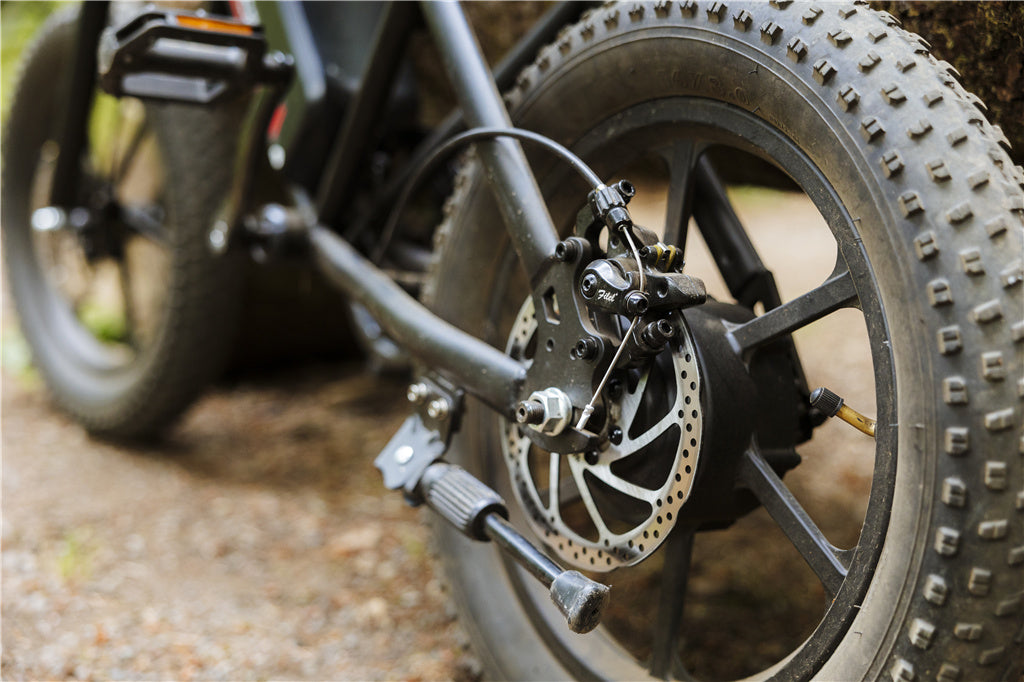
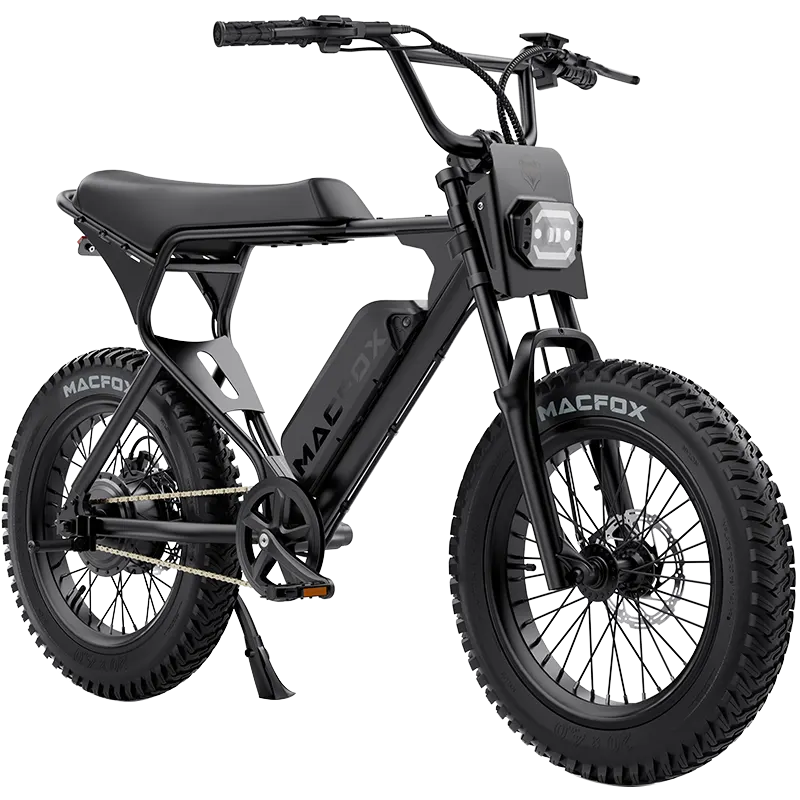
Brake setups vary across electric bikes. A line leaving the lever could be mechanical cable housing, a hydraulic hose, or an electrical cutoff wire. Identify it before ordering parts; the checks below apply to mechanical cable housing.
- Outer housing: The thicker sleeve around the moving cable. Look for a localized bulge, a split, a crushed bend, or metal strands escaping through the covering.
- Ferrule: The small fitting over a housing end, where fitted. A cracked ferrule needs attention, but so does the housing underneath it. Replacing the cap alone may miss damage at the end.
- Inner cable: The thinner steel cable running inside. Fraying along its working length is a separate replacement issue; new housing will not repair it.
A light surface scuff is different from an opened split. Conventional wound housing can also show a faint coil pattern through its covering. If you cannot tell whether the structure is damaged, have a bike technician inspect it before you ride.
Tape Does Not Repair Brake Housing
The housing is part of the braking system, not just protection for the cable. It supports the cable's pull as you squeeze the lever. Wrapping a split in tape cannot rebuild damaged steel support.
Do not repeatedly squeeze harder to see whether it will hold, or trim off a damaged end and assume the remaining length is usable. A shorter run may pull tight or kink when you turn the bars.
Choose Brake-Rated Housing, Not a Look-Alike
Use housing rated for brakes, not ordinary shift housing. A brake cable fitting inside is not proof that the housing can handle braking loads.
But compressionless does not automatically mean the wrong part. Reinforced compressionless housing made specifically for brakes is different from ordinary compressionless shift housing.
Photograph any printed housing identification and the brake model before buying parts. Ask the repairer to confirm the housing's intended application, compatible end fittings, and cable fit. Color and outside diameter alone are not a compatibility check.
Fix the Cause Before Riding Again
Ask the technician to check the whole damaged housing run, the inner cable, and the places where the housing ends seat. A tight bend, pinched section, or poor fit deserves attention alongside the replacement.
After routing is corrected, turning the handlebars should not pull the housing tight or bind the cable. Have the brake's operation checked before riding again; finding that it still stops once is not a substitute for a completed repair.
Once the damage is resolved, keep up with mechanical disc brake maintenance so routine cable checks do not get overlooked.