
Quick answer: Use a bell as the default when approaching pedestrians, runners, or slower riders. Use a calm voice when the other person needs a clear message. Reserve a horn for noisy street conditions or an immediate hazard that calls for a sharper warning. No signal gives you priority: alert early, slow down, and wait for a clear response before passing.
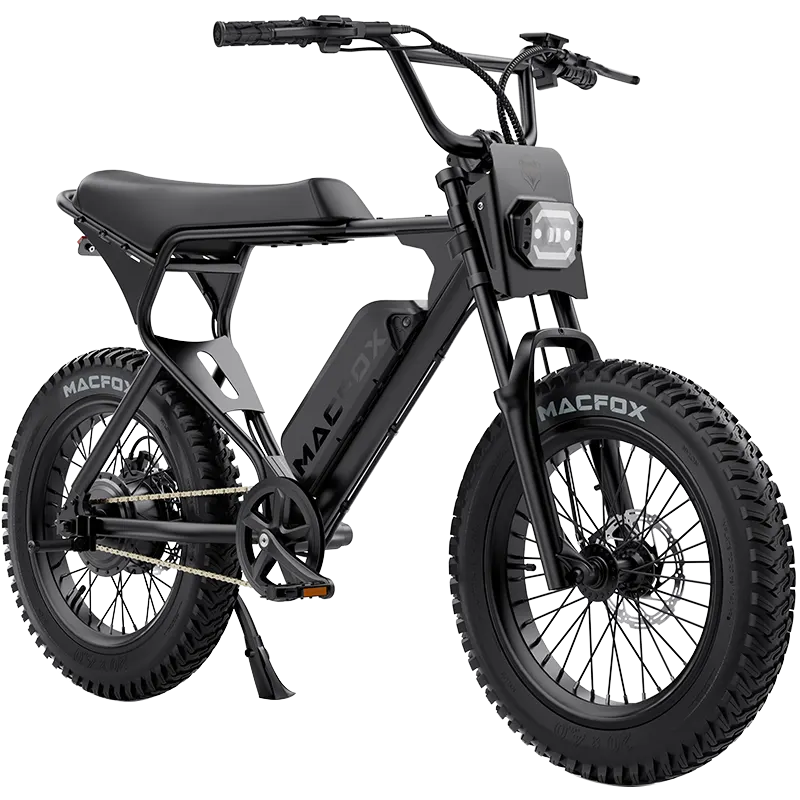
Before riding in a busy area, locate the bell or horn on your electric bike and confirm you can reach it without compromising steering or braking.
Choose the Signal for the Person Who Needs to Hear It
The first question is not which device is loudest. Ask who needs the warning, how far away they are, how quickly you are closing the gap, and how much background noise is present.
A pedestrian on a quiet path usually needs a recognizable, non-aggressive notice. A driver near a blind spot may need a stronger warning, while a group or dog walker may benefit from a short voice message.
Always follow posted path instructions and current local rules. Some locations specify the equipment or audible warning riders must use.

Use a Bell for Predictable Shared-Path Passing
A brief bell ring is the best default when approaching pedestrians or slower riders from behind. Ring early enough for them to hear you and hold a predictable line.
A bell announces presence; it does not grant permission to pass. If there is no reaction, slow down, create room, and wait instead of ringing repeatedly at speed.
Use Your Voice When the Message Matters
Use voice when the person needs to understand your intended path. A calm “Passing on your left” or “Coming by slowly” gives more information than a sound alone.
Say it early and conversationally. Calling out at someone's shoulder can be as startling as a horn. Look for acknowledgment before passing.
Reserve the Horn for Street Noise or Immediate Risk
A horn is a higher-intensity option for street noise or an immediate conflict with a driver, turning vehicle, or other road user. It does not replace braking, visible road position, or an escape path, and it does not prove the driver heard or saw you.
Avoid using a sharp horn at close range around people unless an immediate hazard leaves no gentler option. The goal is to prevent a conflict, not punish someone for being in the way.
No Response Means Do Not Force the Pass
Headphones, hearing differences, conversation, children, pets, and simple surprise can all change how someone reacts. Reduce speed, cover the brakes, leave lateral space, and wait when the person's movement remains uncertain.
For broader rules on yielding and shared-space behavior, use the complete e-bike etiquette guide. The sequence is simple: slow, signal early, confirm awareness, and pass only with room.
FAQ
Should an e-bike have both a bell and a horn?
It depends on where you ride. A bell may cover most shared-path encounters, while a horn adds an option for noisy streets. Check local equipment rules and choose controls you can reach safely.
Why can “on your left” make someone move left?
A surprised person may react to the word “left,” turn toward the sound, or change direction before processing the full message. Call out early, slow down, and wait for acknowledgment. If the person's response remains unclear, do not pass.