
Do not put an old e-bike lithium-ion battery in household trash or a curbside recycling bin. It needs a collection program or recycler that accepts this battery type and size. A damaged battery requires an even more cautious handoff.
The first useful step is not to open, drain, rebuild, or mail the battery. Identify its condition, keep it away from heat and conductive objects, and call the manufacturer or a qualified local program before transporting it.
Separate an Aged Battery From a Damaged One
An aged battery may simply hold less charge while its case, terminals, and mounting points remain intact. A battery with swelling, leaking, burn marks, unusual heat, a strong chemical smell, severe impact damage, or a cracked case should be treated as damaged.
If its condition is uncertain, describe what you see rather than trying another charge cycle. Even a battery that appears empty may still store enough energy to create a fire or injury risk.

Find a Program That Accepts E-Bike Batteries
Contact the bike or battery manufacturer, an authorized service location, a household hazardous waste program, or a specialized battery recycler. Before traveling, say that you have a rechargeable e-bike lithium-ion battery and provide its approximate size and condition. Not every drop-off point that accepts small household batteries accepts larger e-bike packs.
The broader e-bike battery care guide covers storage and habits while a battery remains in service. Once a pack is being retired, the receiving program's instructions take priority.
Prepare an Intact Battery Only as Directed
The U.S. Environmental Protection Agency recommends keeping lithium-ion batteries separate and insulating exposed terminals with non-conductive tape. Ask the receiving program how it wants an intact e-bike pack prepared, contained, and delivered before you leave home.
Do not remove the outer case, separate cells, cut wires, attempt a repair, or deliberately discharge the battery. Do not place it loose beside keys, tools, or other metal objects.
Do Not Transport a Damaged Battery Like a Normal Return
Do not casually mail or ship a damaged battery, and do not leave it in a hot vehicle while you search for a drop-off point. Contact the manufacturer or local hazardous-waste authority and explain the damage. Follow the handling and transport instructions they give for that condition.
If a battery is smoking, hissing, sparking, or rapidly heating, move away and contact local emergency services. Do not pick it up or carry it through a building to reach a bin.
Keep the Handoff Matched to the Battery
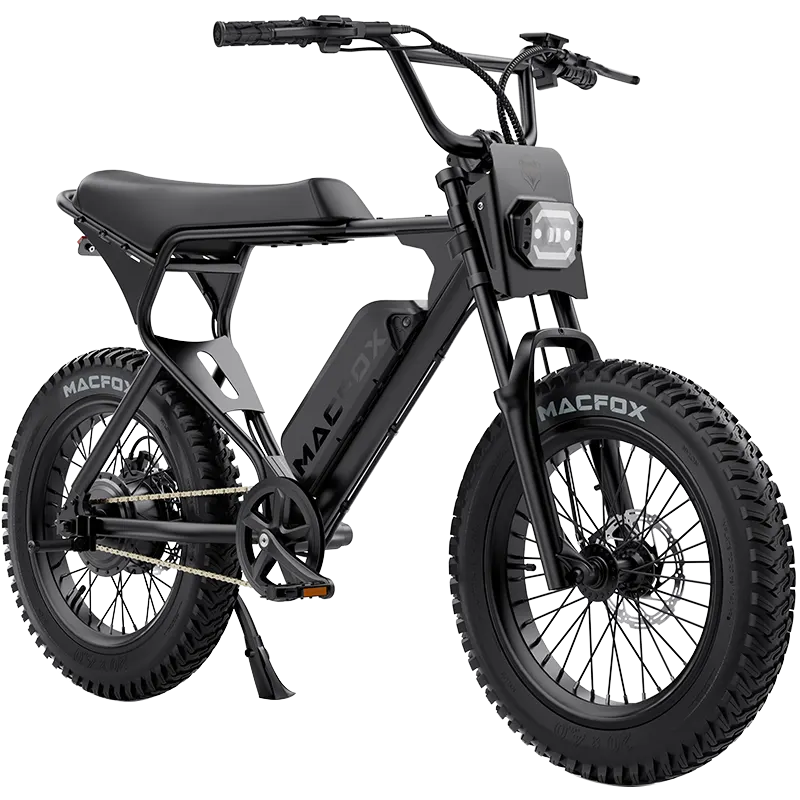
Battery construction and removal methods vary across electric bikes. Use the exact battery label and model information when speaking with a recycler or support team, and do not force a battery out of a frame if the manufacturer does not describe it as user-removable.