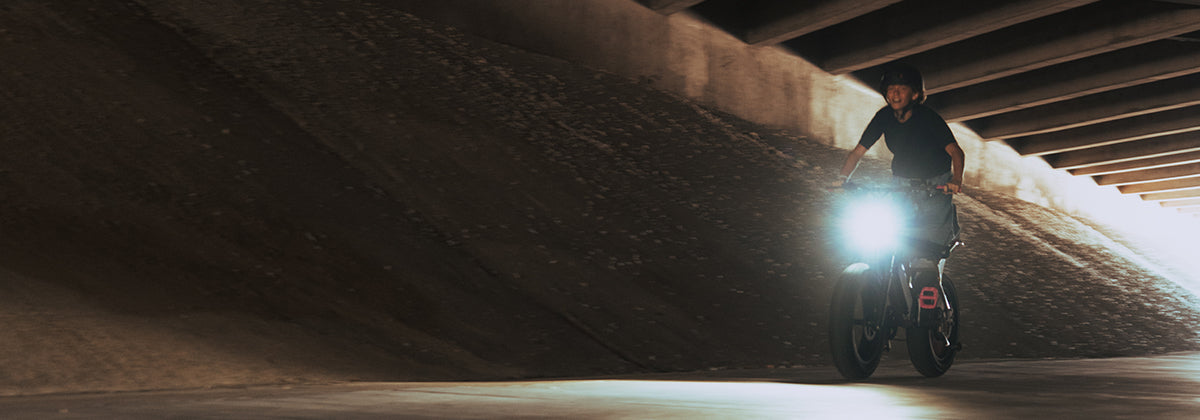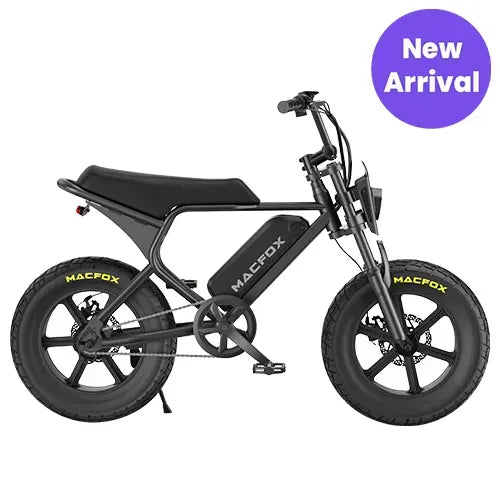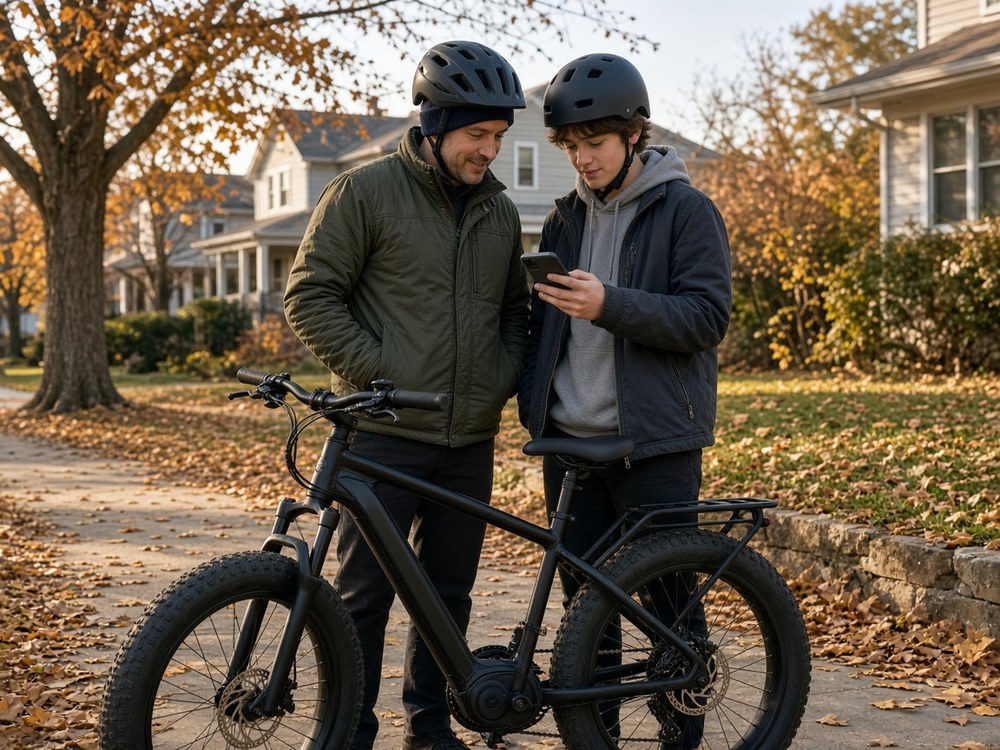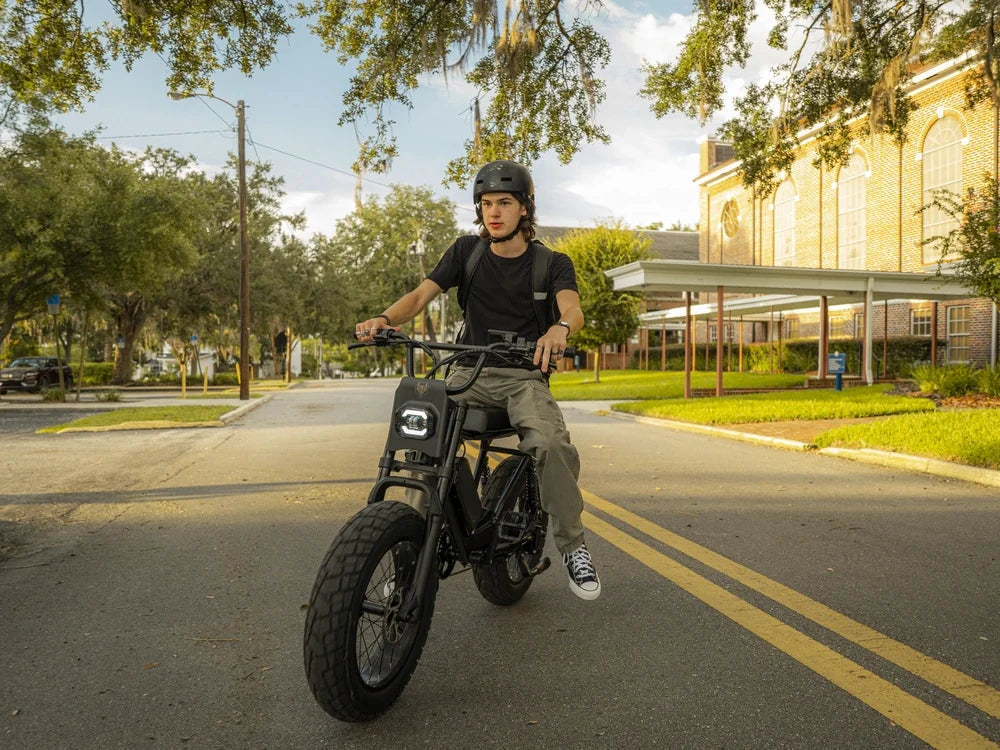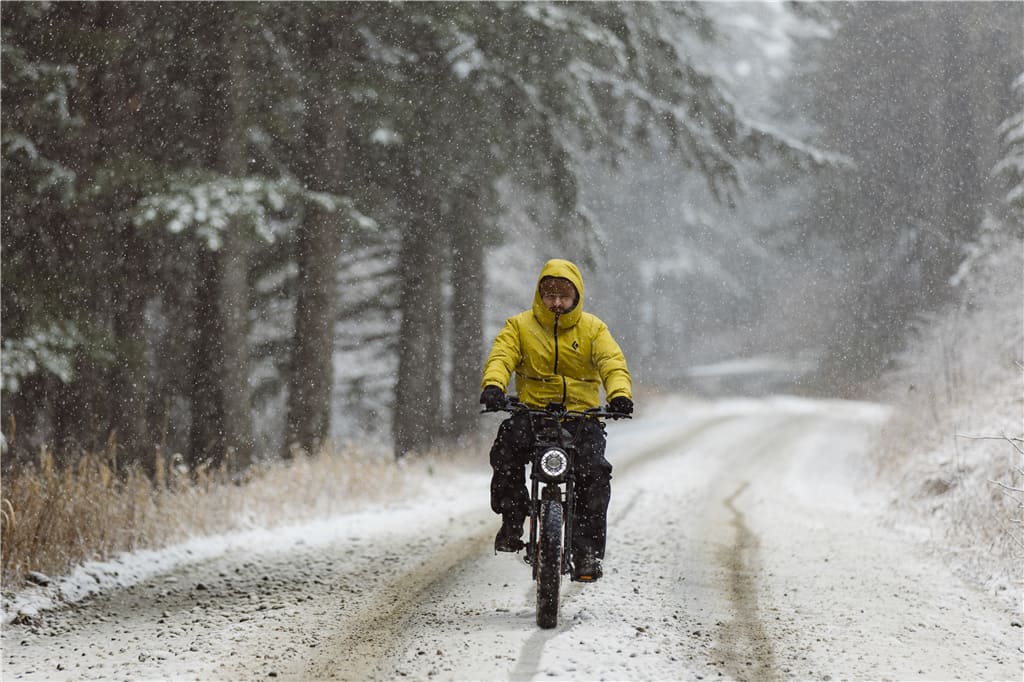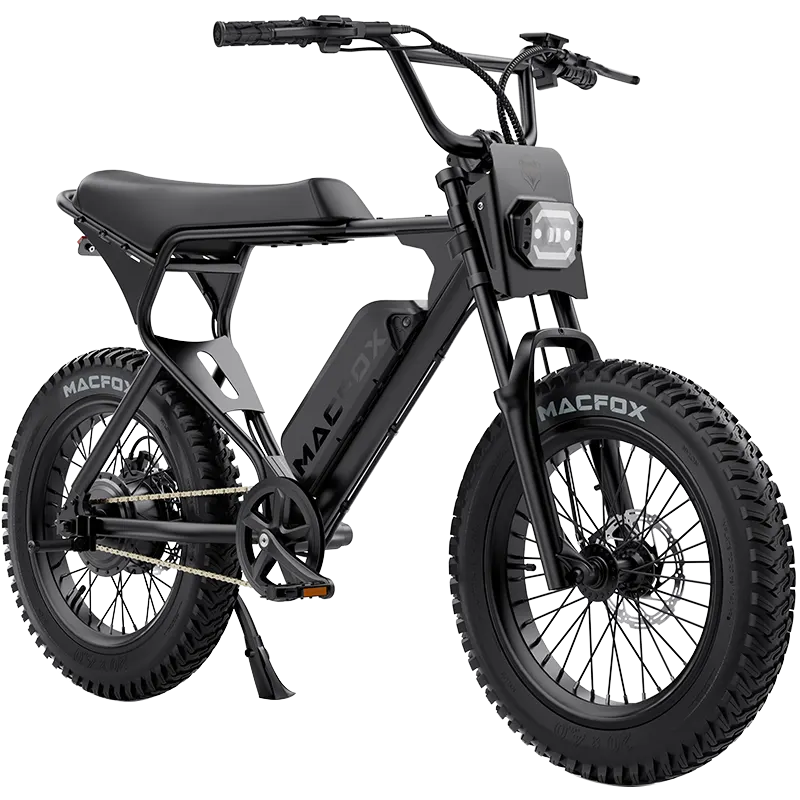

A hybrid electric bike is an e-bike that blends the comfort and practicality of a city/commuter bike with some of the stability and versatility of an all-terrain bike. In real life, that usually means an electric bicycle designed to handle both pavement and “not-perfect pavement”—bike lanes, neighborhood streets, campus routes, park paths, and light gravel—without feeling too sporty (like a road bike) or too bulky (like some heavy off-road fat-tire builds).
Parents usually ask this because they want one bike that can do it all for their teen: safe, easy to control, useful for school and errands, and flexible enough for weekend rides. This guide explains exactly what “hybrid” means in the electric bike world, how it differs from other e-bike types, and when it’s the smartest choice.
What “Hybrid” Means for an Electric Bike (Not a Car Hybrid)

-
Part commuter / city bike
-
Part light adventure / mixed-surface bike
-
Tuned for “everyday use + weekend freedom”
Think of it as the “one-bike family” option: not extreme, but adaptable.
The simplest definition
-
Comfortable enough for daily riding
-
Efficient enough to feel easy on roads
-
Stable enough for imperfect surfaces
-
Practical enough for real life (bags, stops, traffic, school schedules)
Hybrid E-Bike vs Other E-Bike Types (Quick Comparison)
| Type | What it’s best at | What it’s not great at | Who it fits |
| Hybrid electric bike | City + park paths + light gravel; balanced comfort | Hardcore trails, heavy cargo hauling | Parents + teens who want one bike for most rides |
| Commuter e-bike | Smooth pavement, bike lanes, errands | Loose gravel, rough shortcuts | Daily riders with mostly clean roads |
| Mountain/fat tire e-bike | Dirt trails, rough terrain | Can feel overbuilt for city use | Teens who actually ride trails often |
| Fat tire e-bike | Stability, comfort, mixed surfaces, sand-ish paths | Heavier feel; not always nimble | Riders who want confidence and cushy rides |
| Road/fitness e-bike | Speed and efficiency on pavement | Comfort and stability on rough surfaces | Riders focused on training or longer paved rides |
| Folding e-bike | Storage, portability | Ride feel on rough surfaces | Apartments, transit commuters |
Where hybrid wins: it’s the least likely to feel “wrong” for daily life. Where hybrid loses: if your teen is truly doing trails every weekend, go more off-road; if storage is the #1 issue, go folding.
What a Hybrid Electric Bike Feels Like in Real Life

Stable, not intimidating
-
Upright and visible in traffic
-
Predictable at low speed (good for stops and turns)
-
Calm over cracks, uneven roads, and park paths
For teens, that matters because a bike that feels twitchy gets ridden less—or ridden more recklessly.
Fast enough, not “motorcycle energy”
-
Steady cruising
-
Smooth starts at intersections
-
Comfortable pace in bike lanes
Not for “top-speed flex.” That’s usually a good thing for parents.
“All-week useful” instead of “weekend-only”
-
School
-
Work
-
A friend’s house
-
The gym
-
A weekend loop around the neighborhood
Without needing a totally different bike for each situation.
How to Tell If You Should Choose a Hybrid E-Bike
Hybrid e-bikes make the most sense when your riding needs are mixed.
Choose a hybrid electric bike if you want “one bike that covers 80% of life”
-
Your teen rides mainly on roads but likes park paths and shortcuts
-
Your area has rough pavement, potholes, or uneven sidewalks
-
You want a bike that feels stable, not “racey”
-
You want the freedom of an e-bike, but with calmer handling
-
You’re buying a “first real e-bike” and want the safest learning curve
Consider another type if…
| If your teen’s main riding looks like this… | Better type |
| Real dirt trails, roots, steep climbs every weekend | Off-road / mountain e-bike |
| Mostly smooth pavement, longer commuting, speed-focused | Commuter or road/fitness e-bike |
| Tiny storage space, needs to fit in trunk or dorm | Folding e-bike |
| Beach, sand, super rough streets, wants max stability | Fat tire e-bike |
Hybrid is the “balanced” choice. If your use case is extreme, choose a more specialized category.
Hybrid Electric Bike Features Parents Should Pay Attention To

I’ll keep this section “necessary but not nerdy”—just the parts that truly define hybrid behavior.
Geometry and riding position (comfort + control)
-
More upright posture than road bikes
-
A frame feel that favors stability over twitchy steering
This helps teen riders stay relaxed and look around (situational awareness = safety).
Tires (the hidden hybrid “secret”)
-
Not super skinny (road)
-
Not super knobby (mountain)
-
A middle ground that rolls well but absorbs road imperfections
Assist style (smooth, predictable help)
-
Starting from a stop
-
Riding near pedestrians
-
Maintaining control in corners
A bike that “jumps” when power kicks in feels unsafe—especially for newer riders.
Hybrid E-Bike Decision Table (Parent + Teen Version)
| Question | If you say “yes”… | Hybrid fit |
| Will it be used for school/errands during the week? | You need practical comfort | ✅ Strong |
| Will it also be used for weekend cruising/parks? | You need mixed-surface ability | ✅ Strong |
| Does your area have rough pavement/potholes? | You need stability and cushioning | ✅ Strong |
| Do you want a first e-bike that’s easy to learn? | You need predictable handling | ✅ Strong |
| Is your teen doing real MTB trails often? | You may need more trail-focused build | ⚠️ Maybe not |
How Macfox Fits the “Hybrid Electric Bike” Idea (X1S, X7, M16)
-
Macfox X1S commuter e-bike fits the hybrid mindset for school + errands + neighborhood cruising. It’s the kind of electric bike you can ride Monday through Friday without it feeling like a specialized toy, while still having enough comfort and assist to make commuter rides feel easy.
-
Macfox X7 fat tire e-bike leans more toward the hybrid “adventure” side—great for families who want a more confident ride on rough pavement, park paths, and mixed surfaces. For parents, the stability-focused feel can be reassuring when teens take imperfect routes.
-
Macfox M16 youth e-bike supports the hybrid idea for smaller or younger riders: when a teen is still growing, a hybrid electric bicycle should feel right-sized and controllable, not oversized. The M16 helps keep daily rides approachable while still letting them join longer weekend loops.
In other words: if your family wants an ebike that behaves like a practical bike most days, but doesn’t panic when the pavement ends, these models naturally match the “hybrid electric bike” use case.
Final Thoughts: Who Hybrid E-Bikes Are Really For
-
Useful every day
-
Easy to control
-
Less extreme in speed/handling vibe than motorcycle-like options
-
Flexible enough that your teen actually rides it, not leaves it in the garage