
To ride an electric bike with gears, choose an easier mechanical gear before a start or climb, keep the pedals turning gently while shifting, and use motor assistance to manage effort. First check which drivetrain your bike has: a single-speed e-bike does not shift through seven mechanical gears.
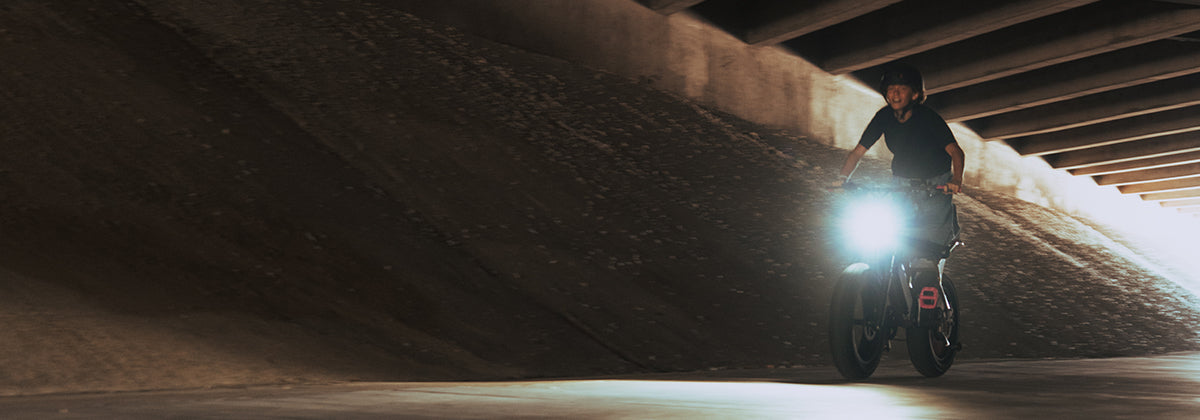
Young riders getting used to an electric bike can practise starts, stops and control changes in a quiet area before taking on a busy route.
Getting Started: The Basics of E-Bike Gears

The mechanical system adjusts your pedaling difficulty, while electric assist helps give you a boost. These are separate systems: changing assistance does not move the chain between sprockets.
Some e-bikes use several mechanical gears; others use one fixed gear ratio. For the broader explanation, see how bicycle gears work.
How to Shift Gears Like a Pro
Identify the mechanical shifter and the assistance control before you ride. Their position and the number of settings vary between bikes, so do not assume the left control always operates assistance.
- Choose an easier gear before a hill or stop, while the bike is still moving.
- Keep the cranks turning forward gently. Ease pressure as the chain changes sprockets.
- Shift one step at a time, then resume normal pedaling once the chain has engaged.
- Adjust assistance separately to suit the effort and conditions.
These steps apply to derailleur-equipped bikes. Do not force a derailleur shift while stationary; hub-gear systems may have different instructions.
How to Shift Shimano Gears (1-7)

On a typical seven-speed derailleur bike, the easiest gears help with starting and climbing, while harder gears suit faster steady pedaling. The following examples describe a geared bike, not the Macfox X1S.
Starting from a Stop or Climbing a Hill
Gear 1 or 2 is often a useful starting point. Shift before you stop or reach the climb, while gently pedaling. Choose assistance that lets you stay in control rather than pushing hard through the shift.
Cruising on Flat Terrain
Gear 3, 4 or 5 can offer a comfortable middle range. Gradually shift as you gain momentum, using the gear that lets your legs turn smoothly without excessive force.
Picking Up Speed or Going Downhill
Gear 6 or 7 may suit steady pedaling once your legs spin too easily in the middle gears. Higher gearing is not a reason to ride faster than conditions allow. If you are coasting, you do not need to shift; manage speed with your brakes.
Pro Tip: avoid sudden, forceful pedaling while shifting. Gear numbers are only a starting point; terrain, load and the bike's gear ratios affect which one feels right.
The Real Talk: When to Use Which Gear
Let's break it down in a way that actually makes sense for your rides.
🚲 For the Casual Rider
If you're just biking around the neighborhood or commuting to work, you can usually keep it simple.
On a geared bike, start with a comfortable middle gear and a low assistance setting, adjusting them to the terrain and effort.
🏃 For Weekend Explorers
Hitting longer routes or trails on the weekend?
Changing gear before the terrain changes can help you maintain a manageable pedaling effort.
Use lower gears and higher assist for climbs.
If you are coasting, focus on speed control. Resume gentle pedaling before making a derailleur gear change.
🏆 For Serious Riders
If you're logging serious miles or tackling tough trails, shifting becomes second nature.
You'll switch between lower gears and higher assists on steep climbs.
Shift up for speed on flat stretches.
It's all about finding that sweet spot for efficiency and power.
Read more: Why Are Shimano Gears So Popular? Are They Really the Best?
What Changes on a Single-Speed Macfox?
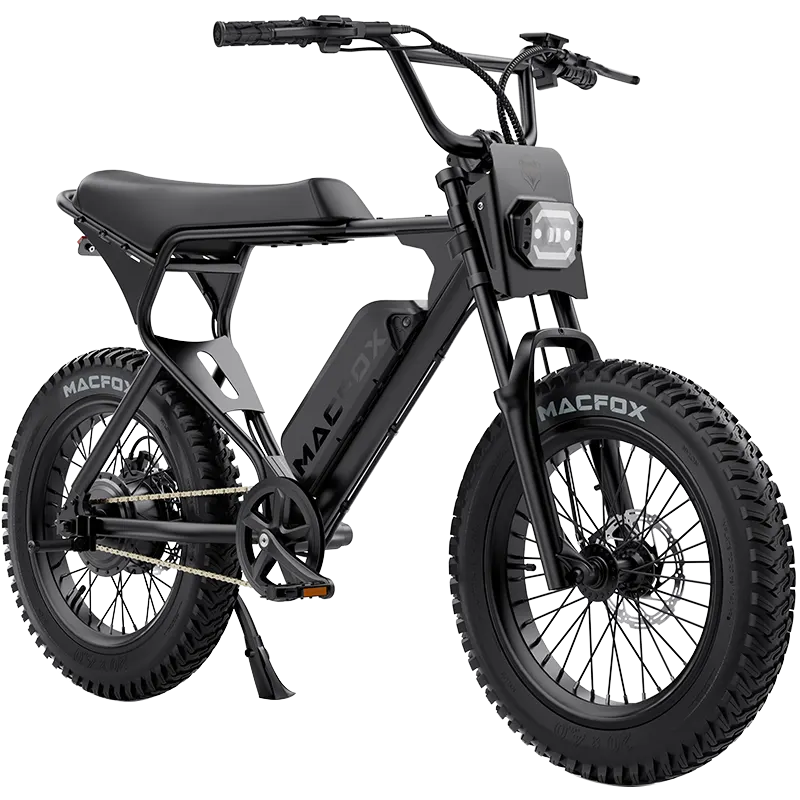
The Macfox X1S commuter e-bike has a single-speed drivetrain. There is no seven-speed Shimano derailleur to operate. Motor-assistance settings change the help you receive, not the mechanical gear ratio.
Start with a low assistance setting in a clear area and increase it as needed while keeping control. If a climb requires more effort than you can comfortably manage, choose an easier route or stop safely. Single-speed does not mean every hill becomes effortless.
E-Bike Assist: Pairing It Up with Gears
On a multi-speed e-bike, mechanical gearing and motor assistance work together. Shift into an easier gear before a climb, then add assistance as needed. On flatter roads, choose a comfortable pedaling rhythm and use only the assistance you need.
Reduce assistance when it is unnecessary, but do not make abrupt control changes in a turn. On a single-speed bike, the mechanical ratio stays the same throughout the ride.
Essential Maintenance Tips
A well-maintained bike means smoother rides and longer-lasting gear systems.
Here's how to keep things running smoothly:
- Clean Your Chain: Regularly clean and lubricate to prevent rust.
- Check Gear Alignment: Make sure the gears shift smoothly, and there's no skipping.
- Inspect Cables: Loose cables can lead to sluggish or inconsistent gear changes.
Final Thoughts
Remember, the best gear and assist combination is the one that fits your riding style and needs.
Don't feel pressured to go for the most expensive option unless it truly adds value to your rides.
Most importantly, practice shifting to easy rides to build your confidence.
So, next time you hop on your e-bike, you'll know exactly how to use those gears to your advantage.
Ride smart, stay safe, and enjoy the journey!
Happy cycling! 🚴♂️
FAQs
What gear should I use when starting on an e-bike?
On a seven-speed derailleur bike, gear 1 or 2 is often suitable. A single-speed bike has no mechanical gear to select; adjust motor assistance instead.
How do I shift gears smoothly on an e-bike?
Keep pedaling forward gently, ease pressure during the shift, and change one gear at a time.
Why is gear maintenance important for e-bikes?
Regular maintenance ensures smooth shifting and extends gear system life.