
What Does a Long Range Electric Bike Really Mean? When choosing an electric bike, “long range” is one of the most discussed specifications. Many people search for:
- 40-mile electric bike
- 60-mile electric bike
- How far can an e-bike go?
- Is the advertised range realistic?
But “long range” isn’t a fixed number. It’s closely tied to how the bike is actually used. This guide explains:
- What qualifies as long range
- How range is calculated
- The difference between advertised and real-world range
- Whether more range is always better
- How to decide if you actually need a long-range model
What Qualifies as a Long Range Electric Bike?

In the U.S. market, e-bike range generally falls into three tiers:
| Range | Typical Use |
| 20–30 miles | Basic daily riding |
| 30–50 miles | Frequent commuting or regular use |
| 50+ miles | Long-distance or multi-scenario riding |
In general, electric bikes offering over 40 miles per charge are considered “long range.” However, what truly matters isn’t the maximum number on paper — it’s: Reliable range performance in real-world conditions.
How Is E-Bike Range Calculated?
An electric bike’s range is primarily determined by three key factors:
-
Battery Capacity
The larger the battery, the greater the theoretical range.
-
Power Output Mode
- Lower assist levels extend range
- High-power or throttle-only riding shortens range
-
External Conditions
- Hills and elevation changes
- Wind resistance
- Rider weight
- Road surface
Manufacturers typically test range under ideal conditions. In real-world riding, range should be viewed as a spectrum rather than a fixed number.
Advertised Range vs. Real-World Range
Many riders assume the advertised number is a guaranteed result. In reality:
- Frequent acceleration increases energy consumption
- Riding uphill reduces mileage
- Heavier loads require more power
For example: The same electric bike may reach close to its advertised range on flat roads using low assist. Under high power output or hilly conditions, actual range may decrease by 20% or more. Understanding this difference leads to more realistic expectations and better purchase decisions.
Does Long Range Mean Heavier or More Expensive?
In most cases, yes — long-range models typically involve:
- Larger battery capacity
- Reinforced frame structures
- Higher manufacturing costs
However, “heavier” and “more expensive” are not necessarily negative traits. At higher speeds or during extended rides, additional weight can improve stability and safety. Similarly, higher pricing often reflects increased energy storage and more mature structural engineering. A simple comparison illustrates the difference:
| Category | Standard Range Model | Long Range Model |
| Typical Range | 20–40 miles | 40+ miles |
| Bike Weight | Relatively lighter | Slightly heavier |
| Price Range | $900–$1,500 | $1,500–$2,200 |
| Charging Frequency | More frequent | Less frequent |
| Long-Distance Stability | Sufficient for daily use | More composed on longer rides |
Ultimately, the trade-off between “lightweight” and “long range” comes down to usage needs. If your riding radius is limited, a standard range model may offer better value. If you want fewer charging sessions and expanded travel range, investing in long range may provide greater long-term benefits. The price increase reflects battery capacity and structural upgrades — not arbitrary markup.
How Do You Know If You Need Long Range?
Ask yourself:
- Do you frequently ride more than 10 miles at a time?
- Do you want to avoid frequent charging?
- Do you plan longer weekend rides?
- Do you need flexibility across different riding scenarios?
If most answers are “yes,” a long-range electric bicycle may be the right choice. If your daily riding distance is short, chasing maximum range may add unnecessary cost and weight.
Macfox’s Approach to Range Stability
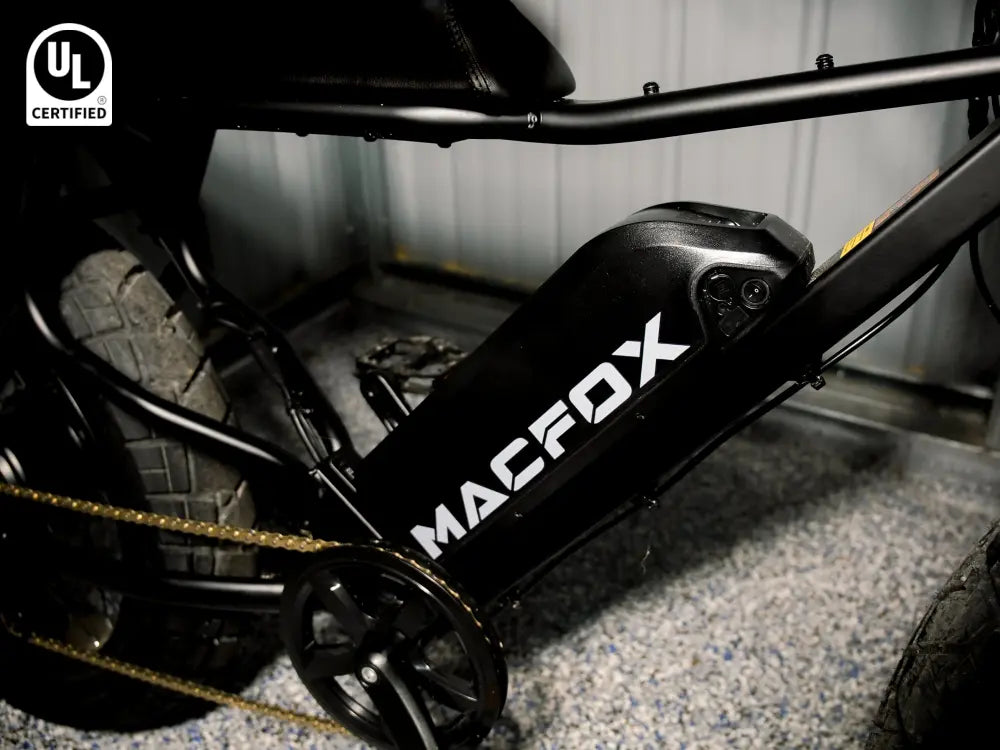
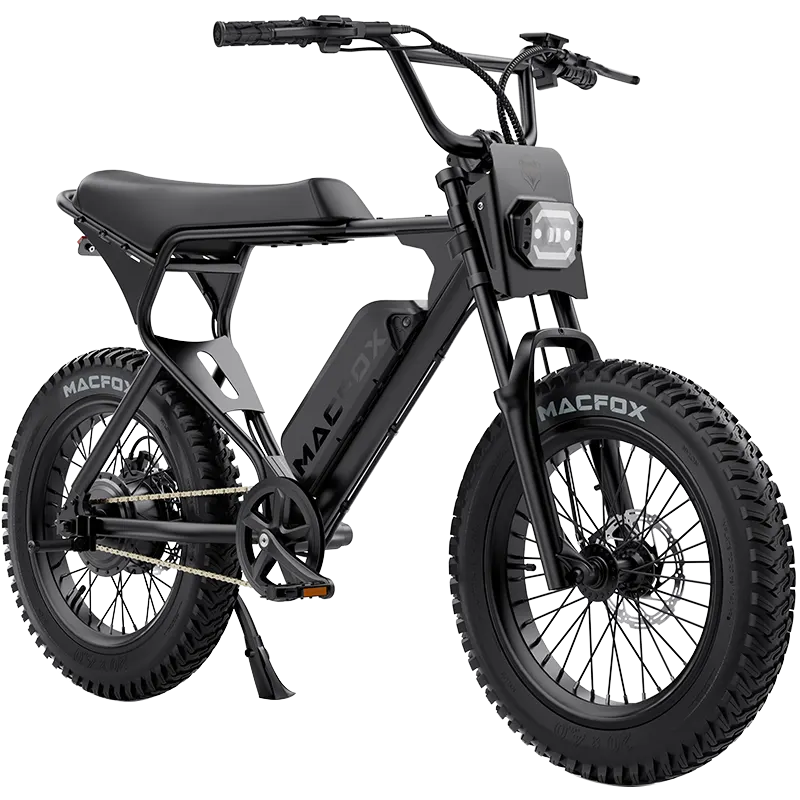
Within the Macfox lineup, range isn’t about stacking battery capacity — it’s about delivering consistent output.
Macfox X1S
Ideal for moderate daily distances. Designed to maintain overall balance while providing reliable range performance. Focused on ease of use and controllability.
Macfox X7
Built for higher-frequency and longer-distance riding. A larger battery combined with a reinforced structure delivers more confidence on extended rides. Reduces charging anxiety and supports long-term use. At Macfox, the value of range isn’t defined by a number — it’s defined by stability.
Final Thoughts: Is More Range Always Better?
Not necessarily. The real benefits of a long-range electric bike include:
- Reduced charging frequency
- Expanded riding radius
- Greater peace of mind
However, exceeding your actual needs may add unnecessary cost and weight. The smart approach is simple: Choose a range tier that aligns with your riding distance and usage frequency. The best long-range e-bike isn’t the one with the biggest number — it’s the one that reliably covers your real-world needs.