
The Short Answer
Yes. Canyon is a good brand for riders who want a performance-oriented bike company, strong direct-to-consumer value, broad model choice, and enough confidence to choose size, setup, service, and category without relying entirely on a traditional dealer process.
Canyon is strongest when the buyer knows what type of bike they want. Its e-bike lineup covers mountain, city, touring, and fitness-style directions, while the broader brand is rooted in road, gravel, mountain, triathlon, and hybrid cycling.
The direct model is the key decision. Canyon can be compelling if you are comfortable buying online, using sizing tools, checking support resources, planning assembly, and confirming service options. It is less direct if you want every step handled by a local shop before purchase.

What Canyon Is Known For
Canyon is a German direct-to-consumer bicycle brand known for performance bikes, sharp component value, clean design, and a wide category spread. In electric bikes, Canyon's current U.S. page sorts models into electric mountain, city, and touring lanes, with families such as Spectral:ON, Spectral:ONfly, Strive:ON, Torque:ON, Pathlite:ON, and Precede:ON.
The product filters also reveal how the brand thinks: motor brand, battery capacity, weight, suspension, frame material, shifting, wheel equipment, and intended riding world all matter. Canyon is not presenting one generic e-bike. It is presenting a catalog where the rider chooses a category and then compares the build.
The brand also tries to reduce online-purchase friction through size tools, the Canyon App, test locations, service locations, and, in some markets, shop assembly or collect-and-ride options. Those tools matter because Canyon's direct model is part of the value and part of the buyer responsibility.
How the Canyon E-Bike Lineup Breaks Down
Canyon is easiest to judge by riding category rather than by brand name alone.
| Canyon Path | What It Usually Means | Best-Fit Buyer |
|---|---|---|
| Spectral:ON / Spectral:ONfly | Electric mountain-bike direction, including full-power and lighter-assist paths depending on model | Riders choosing by trail category, suspension, motor feel, battery, and handling |
| Strive:ON / Torque:ON | More aggressive gravity-oriented electric mountain directions | Riders who intentionally need serious descending, climbing support, and robust component choices |
| Pathlite:ON | Touring and hybrid-style utility direction with practical daily and mixed-surface intent | Riders who want a versatile e-bike with comfort, range, and useful equipment |
| Precede:ON | Urban design direction with integrated equipment and city/touring utility | Riders who want a cleaner, design-led city e-bike platform |
| Roadlite:ONfly | Lightweight city and fitness e-bike direction with Fazua Ride 60, 430Wh battery, integrated lights, and a sporty straight-bar feel | Riders who want a fast, light, fitness-oriented electric city bike rather than a heavy utility build |
The Buyer Questions That Matter Most
Canyon shoppers usually ask less about whether the frames are interesting and more about whether the direct buying model fits them.
- Do you know your size? Canyon's sizing tools help, but the buyer still needs to understand height, inseam, reach, stack, handlebar preference, and intended ride feel.
- Can you manage setup? A direct bike may arrive mostly prepared, but pedals, cockpit, torque settings, brakes, tubeless setup, firmware, and fit still deserve attention.
- What local service path exists? Check Canyon service locations, local-shop comfort, motor-system service options, and warranty process before ordering.
- Which motor system fits the category? Canyon uses different motor ecosystems across models, including Shimano, Bosch, TQ, and Fazua depending on region and bike family.
- Is the model available in your market? Canyon's U.S., U.K., EU, and other regional catalogs do not always match. Always compare the current page for your country.
Where Canyon Makes Sense
Canyon makes the most sense when the buyer is self-directed and category-aware.
- Performance-value shoppers. Canyon often appeals to riders who compare frame, drivetrain, suspension, wheels, motor system, and price closely.
- Experienced cyclists. Riders who already know their fit and category can get more out of the online model.
- Electric mountain-bike shoppers. Canyon has real depth in eMTB families, from lighter-assist to full-power and gravity-oriented options.
- Fitness and city riders. Roadlite:ONfly, Precede:ON, and Pathlite:ON show that Canyon also has non-mountain electric paths in selected markets.
- App and online-tool users. The Canyon App, sizing tools, product filters, support resources, service locations, and test locations can make the direct process easier.
What to Check Before Buying Canyon
The safest Canyon purchase starts with fit, service, and category discipline.
- Exact regional model. Check the current Canyon page in your country because model names, motors, batteries, prices, and availability vary.
- Size confidence. Compare Canyon's size recommendation with your current bike, body measurements, riding posture, and fit preferences.
- Assembly plan. Decide whether you will build and check the bike yourself, use a Canyon-supported option, or pay a local shop.
- Service and warranty route. Confirm how motor diagnostics, battery questions, frame warranty, returns, shipping, and replacement parts are handled.
- Motor and battery package. Compare Shimano, Bosch, TQ, Fazua, battery capacity, display, app support, range expectations, and charging routine by model.
- Category fit. Do not buy an eMTB for a fitness-road need or a city bike for aggressive mountain use. Canyon's value depends on choosing the correct lane.
How Macfox Fits a Different Buyer
The decision is usually about buying style.
- Canyon lane. Choose Canyon when you want a direct-to-consumer performance bike, are confident with online sizing, and want to compare detailed model specs by riding category.
- Macfox lane. Compare Macfox when you want a more direct daily fat-tire eBike path with a simpler buying focus.
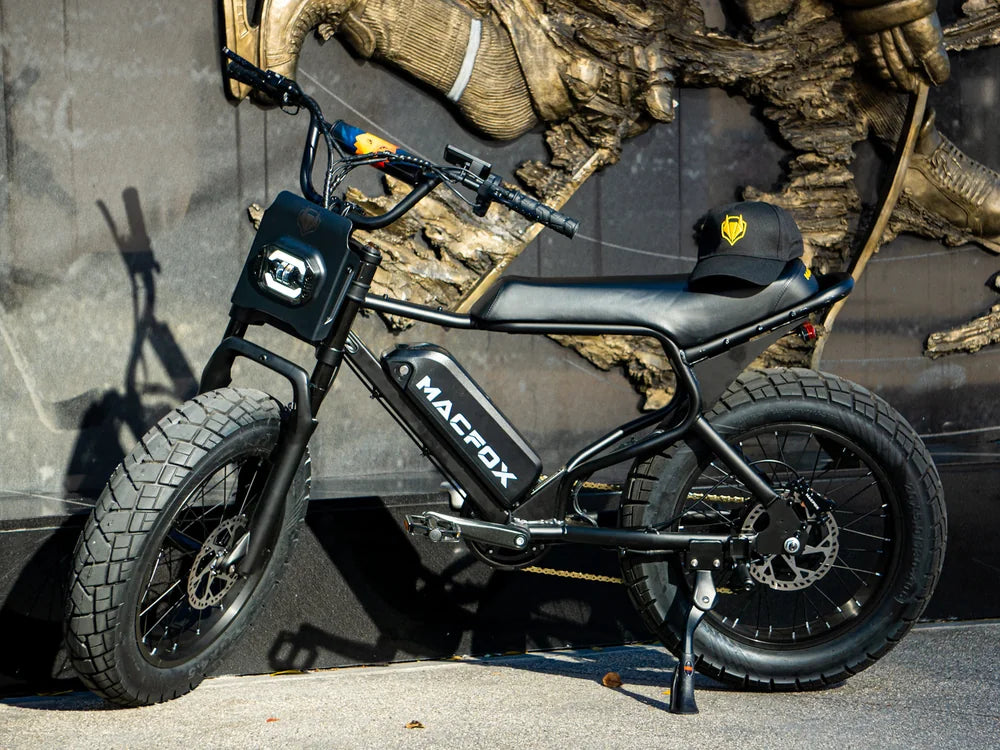
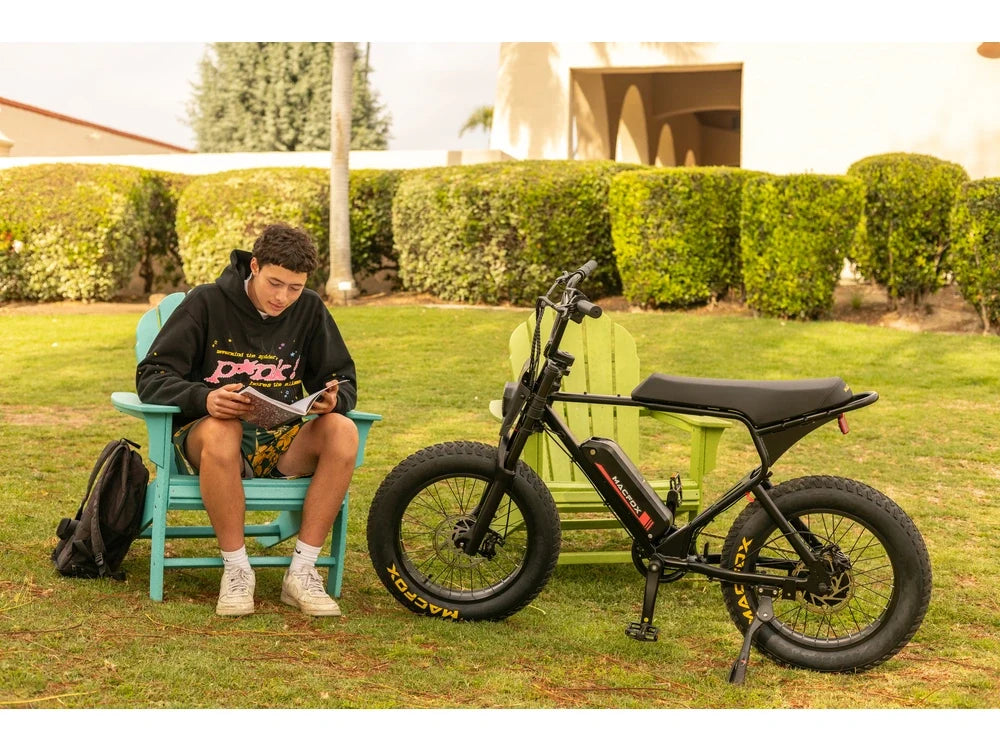
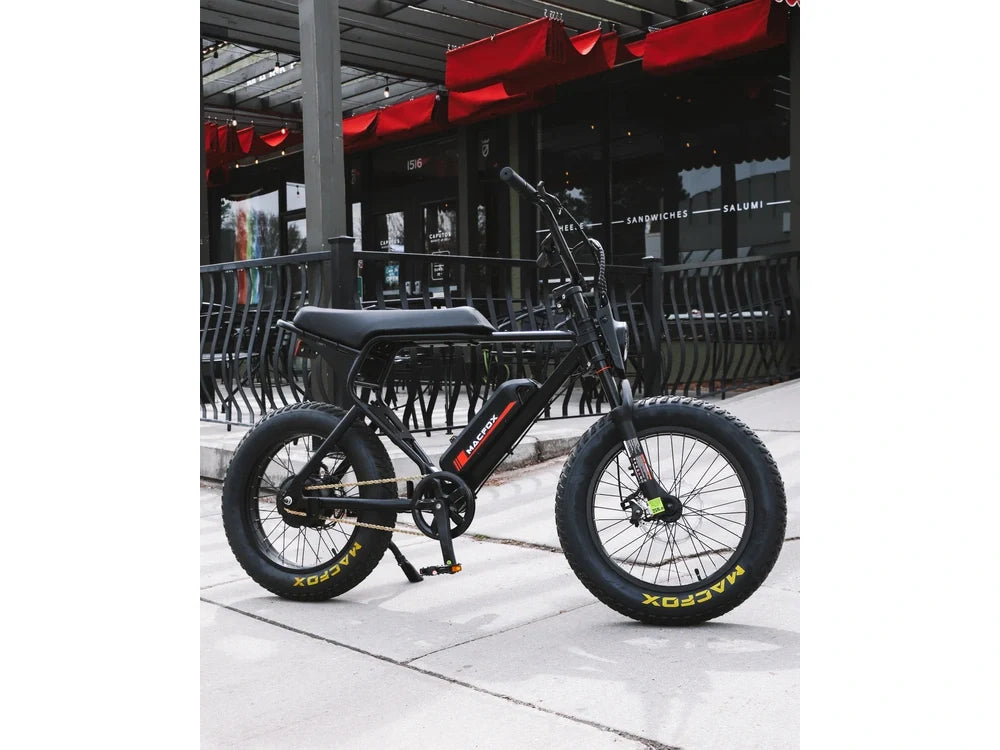
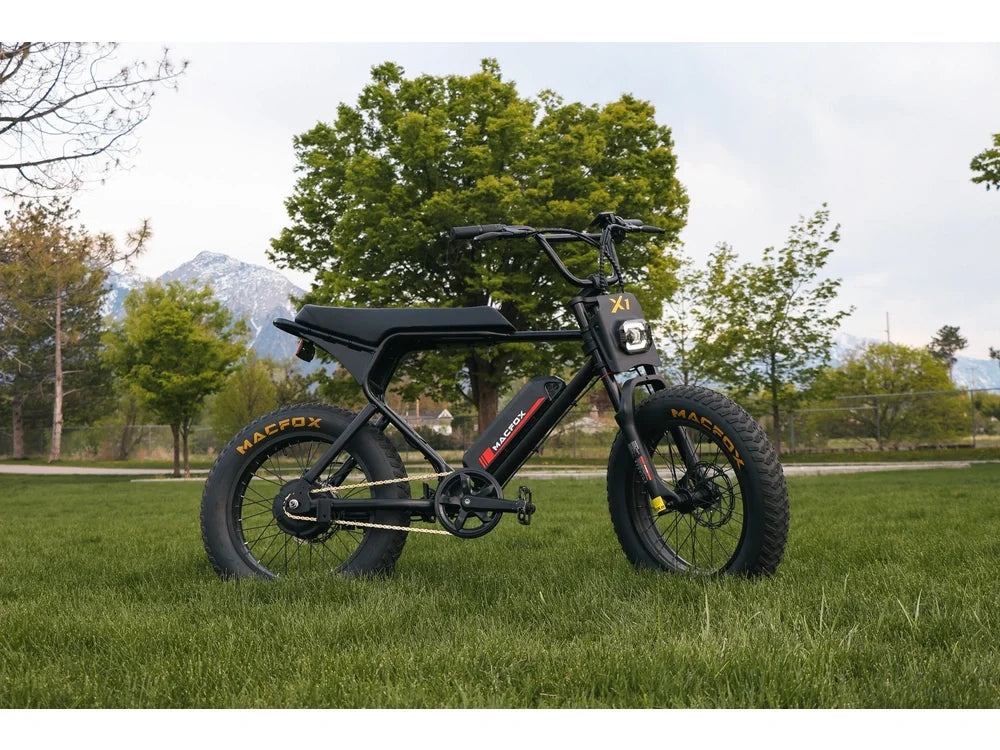
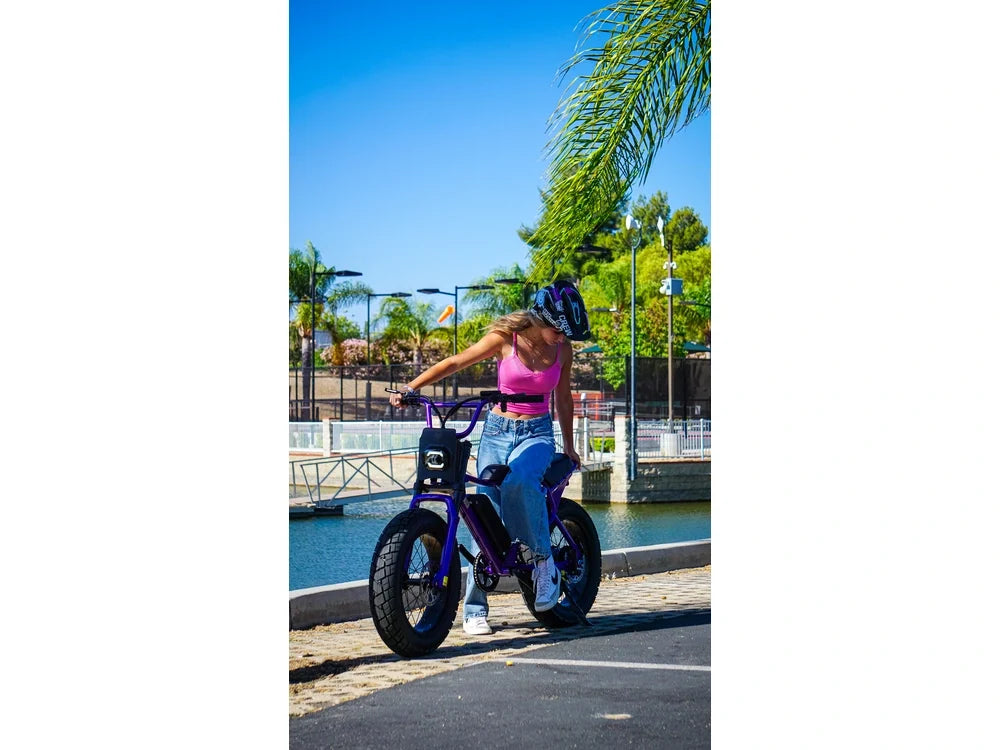
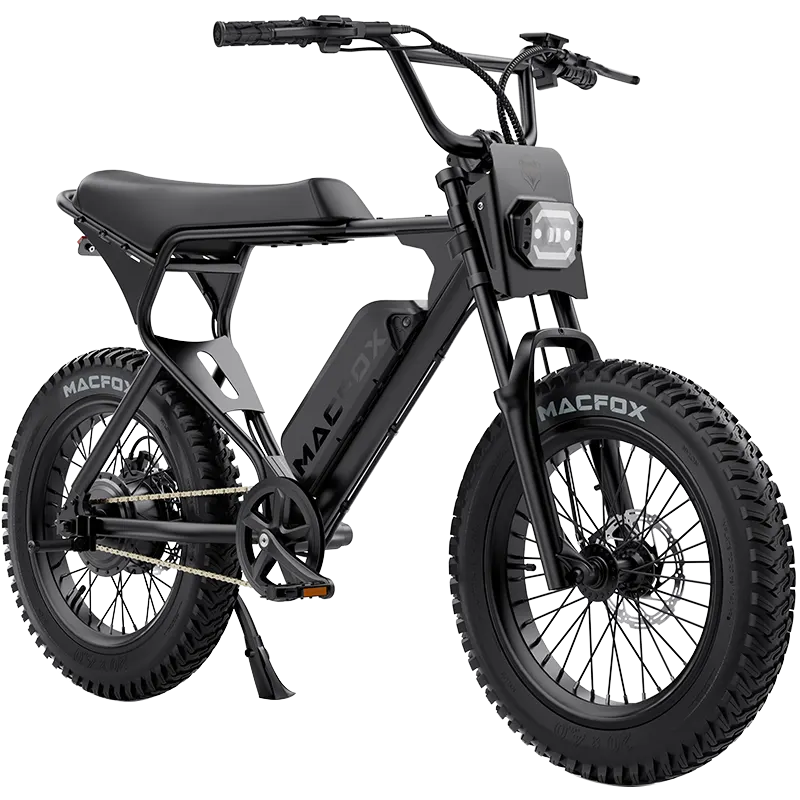
For that path, the Macfox X1S eBike is the cleaner model to compare because it keeps the decision simple and daily-focused. It becomes relevant after the buyer decides that Canyon's performance-category depth is more than they need.
That keeps the comparison honest. Canyon is compelling when the direct model and performance catalog are advantages. Macfox is easier to consider when the buyer wants a simpler fat-tire daily choice.
Canyon Verdict
Canyon is a good brand for riders who want performance-oriented bicycles, strong direct-to-consumer value, broad e-bike category choice, and enough confidence to manage sizing, setup, service planning, and model selection.
The brand is strongest when the buyer knows the riding category and is comfortable with the online purchase path. Choose Canyon by exact model, region, fit, motor system, battery, and service route, not by brand name alone.
Frequently Asked Questions
Is Canyon a good bike brand?
Yes. Canyon is a good brand for riders who value direct-to-consumer performance bikes, strong component value, broad category choice, and online buying tools.
What is Canyon best known for?
Canyon is best known for direct-to-consumer road, gravel, mountain, hybrid, triathlon, and e-bike platforms. In e-bikes, compare Spectral:ON, Strive:ON, Torque:ON, Pathlite:ON, Precede:ON, and Roadlite:ONfly by riding category.
Is Canyon's direct model worth it?
It can be worth it if you know your size, understand the category you need, and have a realistic assembly and service plan. If you want a local shop to guide every step before purchase, a dealer-first brand may feel easier.
Which Canyon e-bike should I compare first?
Start with the riding category. Compare Spectral:ON or Strive:ON for serious electric mountain use, Pathlite:ON for touring/hybrid utility, Precede:ON for urban design-led riding, and Roadlite:ONfly for a lightweight fitness-city feel.
When should Macfox be considered?
Consider Macfox when you want a simpler daily fat-tire eBike path. Choose Canyon when direct-to-consumer performance value, detailed model specs, sizing tools, and category-specific bike choice are the reasons you are shopping.