
In the U.S., you’re typically looking at $4,400 to over $9,000, depending on the model. If you’ve searched “how much is a Sur-Ron electric bike,” you’re likely trying to understand more than a single price tag. Riders usually want to know what that money actually buys, how Sur-Ron fits into the broader electric bike landscape, and whether it makes sense for everyday riding compared with other electric bicycles.
This guide breaks down Sur-Ron pricing in the U.S., explains what riders get at each price level, and places those costs in real-world context—street use, legality, maintenance, and daily practicality. We’ll also briefly note how some riders evaluate street-legal e-bike options when they want something powerful but usable day-to-day.
Disclaimer
The information in this article is based primarily on publicly available data and official product information published on the relevant brand websites, as of January 14, 2026. This content is provided for reference only and does not represent any official statement from Sur-Ron or any other brand mentioned. Specifications, pricing, availability, and classifications may change over time. Readers should always rely on the official brand websites as the most authoritative and up-to-date source of information. Our information may be subject to update delays.
1. How Much Is a Sur-Ron Electric Bike in the U.S.?

Sur-Ron does not price its models like typical commuter e-bikes. Instead, Sur-Ron sits closer to the electric dirt bike category—higher power, off-road focus, and fewer compromises for trail riding.
Typical Sur-Ron Pricing (U.S.)
| Model | Typical U.S. Price Range* | Power Class | Intended Use |
|---|---|---|---|
| Sur-Ron Light Bee X | ~$4,400 – $4,800 | ~6 kW peak | Off-road / private land |
| Sur-Ron Ultra Bee | ~$6,300 – $6,800 | ~12.5 kW peak | Performance trail riding |
| Sur-Ron Storm Bee | ~$8,500 – $9,500 | ~22.5 kW peak | Full electric dirt bike |
*Prices vary by dealer, configuration, and availability.
Source: Sur-Ron official U.S. listings and authorized dealer disclosures (as of Nov 12, 2025).At a glance, Sur-Ron pricing is significantly higher than most consumer e-bikes. That’s intentional—Sur-Ron is selling power, suspension travel, and off-road durability, not a typical bicycle-like experience.
2. What Are You Actually Paying For at Those Prices?
When riders ask “how much is a Sur-Ron electric bike,” the follow-up question is almost always: what do I get for $4,500–$9,000?
Power & Drivetrain
Sur-Ron models deliver motor output far beyond legal e-bike limits. Even the Light Bee X operates at a power level closer to small gas dirt bikes than to Class 2 or Class 3 e-bikes. Acceleration, torque, and top speed are the main value drivers here.
Suspension & Chassis
Sur-Ron bikes use motorcycle-style frames and long-travel suspension. This allows aggressive riding on trails, jumps, and rough terrain that would quickly overwhelm standard electric bicycles.
Battery & Range
Sur-Ron batteries are designed for high discharge, not maximum cruising range. Real-world range varies widely depending on riding style.
| Riding Style | Typical Range (Light Bee X) |
|---|---|
| Aggressive trail riding | 20–30 miles |
| Mixed off-road use | 30–40 miles |
| Light cruising | Up to ~50 miles |
Source: Sur-Ron official specs and rider documentation (as of Nov 12, 2025).
3. Is a Sur-Ron Considered an “Electric Bike”?
Technically, Sur-Ron products are often called electric bikes, but in most U.S. jurisdictions they do not qualify as street-legal e-bikes.
Why This Matters
- Most Sur-Ron models exceed Class 1/2/3 e-bike power limits
- They typically require registration to ride legally on public roads
- Many bike paths and trails do not allow Sur-Ron-class vehicles
For riders who intend to ride primarily on private land or designated off-road areas, this isn’t a problem. But for daily commuting, school routes, or shared paths, it’s a major consideration.
4. Cost Beyond the Sticker Price
The upfront cost is only part of the equation. Sur-Ron ownership often includes additional expenses that aren’t obvious at first glance.
Common Additional Costs
- Protective riding gear (helmet, pads)
- Off-road tires and maintenance
- Suspension servicing
- Registration (if converted for street use)
- Limited access to local repair shops
In contrast to typical ebike ownership, Sur-Ron riders often treat maintenance more like a motorcycle routine than a bicycle one.
5. Who Is Sur-Ron Actually For?
Sur-Ron makes sense for riders who:
- Want maximum power and acceleration
- Ride off-road or on private land
- Are comfortable managing legality and maintenance
- View the bike as a recreational machine, not daily transportation
It may be less suitable if you need:
- Daily commuting
- Bike-lane access
- Quiet, low-profile riding
- Simple ownership similar to a bicycle
This is where many buyers pause and reconsider how much power they truly need.
6. How Sur-Ron Pricing Compares to Street-Legal Electric Bicycles
To understand Sur-Ron value, it helps to compare categories—not brands.
| Category | Sur-Ron | Typical Street-Legal E-Bike |
|---|---|---|
| Price | $4,400–$9,500 | $800–$2,000 |
| Power | Extremely high | Regulated |
| Legality | Often restricted | Widely legal |
| Riding Style | Aggressive | Practical / mixed |
| Maintenance | High | Low–moderate |
7. Why Some Riders Compare Sur-Ron With Street-Legal E-Bikes Anyway
Despite the category gap, riders still compare Sur-Ron to e-bikes because they want:
- Electric power
- Fun acceleration
- Minimal fuel/maintenance
- A modern riding experience
For many, the real question becomes: Do I need dirt-bike-level power, or do I need something I can actually ride every day?
8. A Street-Legal Perspective: Where Some Riders Look Instead
This is where a small subset of riders step back and consider street-legal electric bicycles that prioritize:
- Legal access
- Lower ownership cost
- Easier maintenance
- Daily usability
Macfox (Brief Contextual Reference)
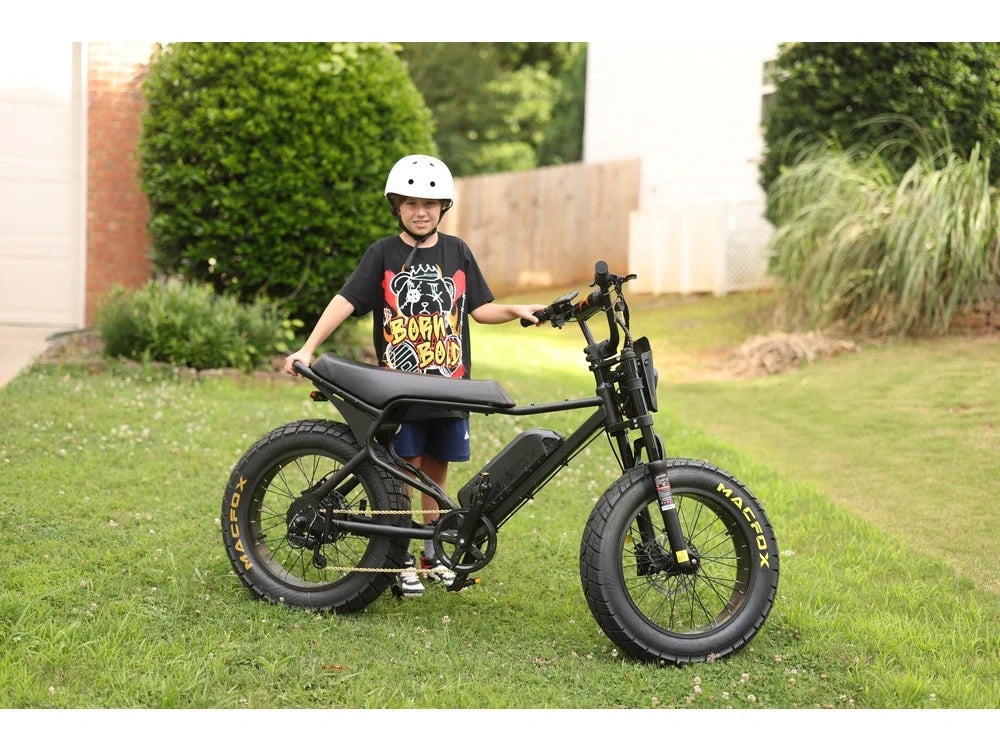
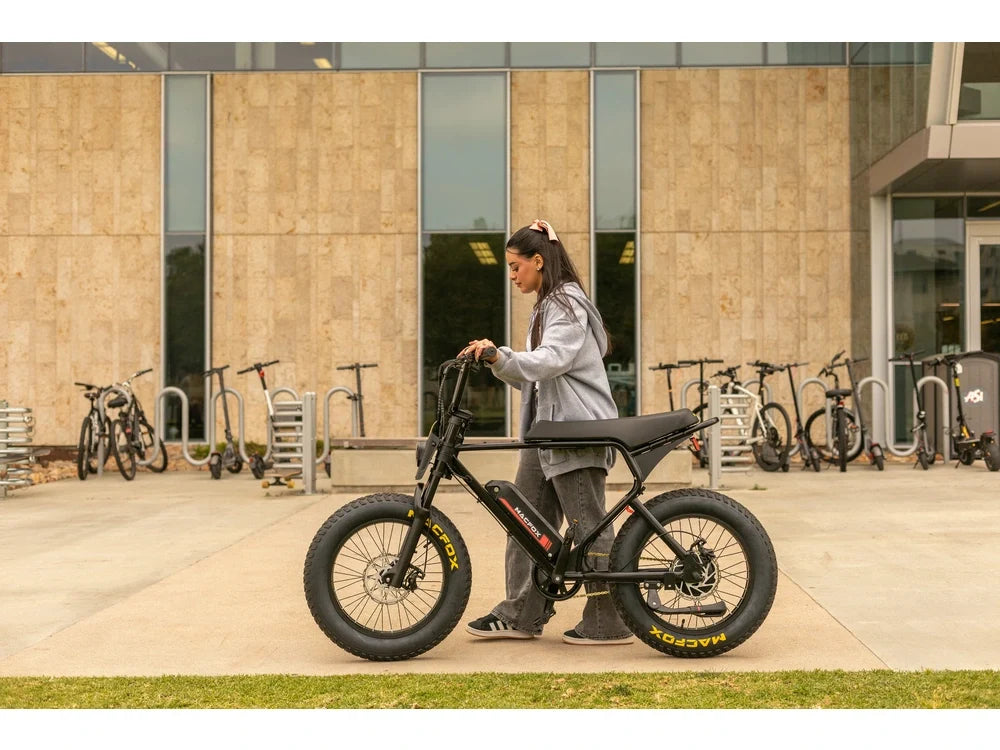
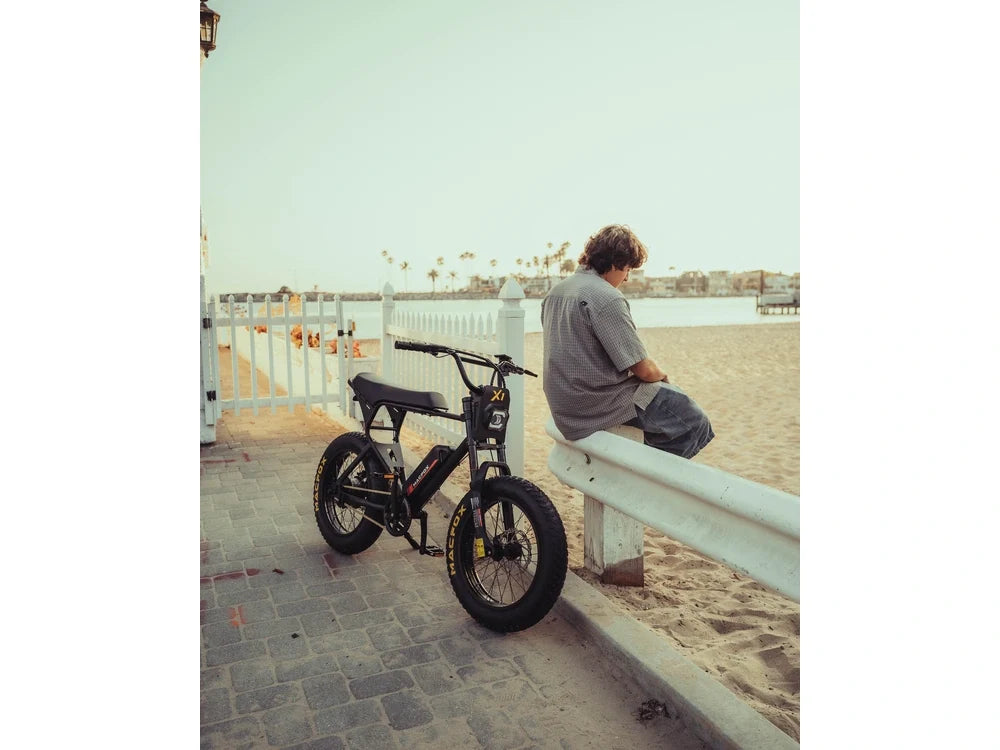
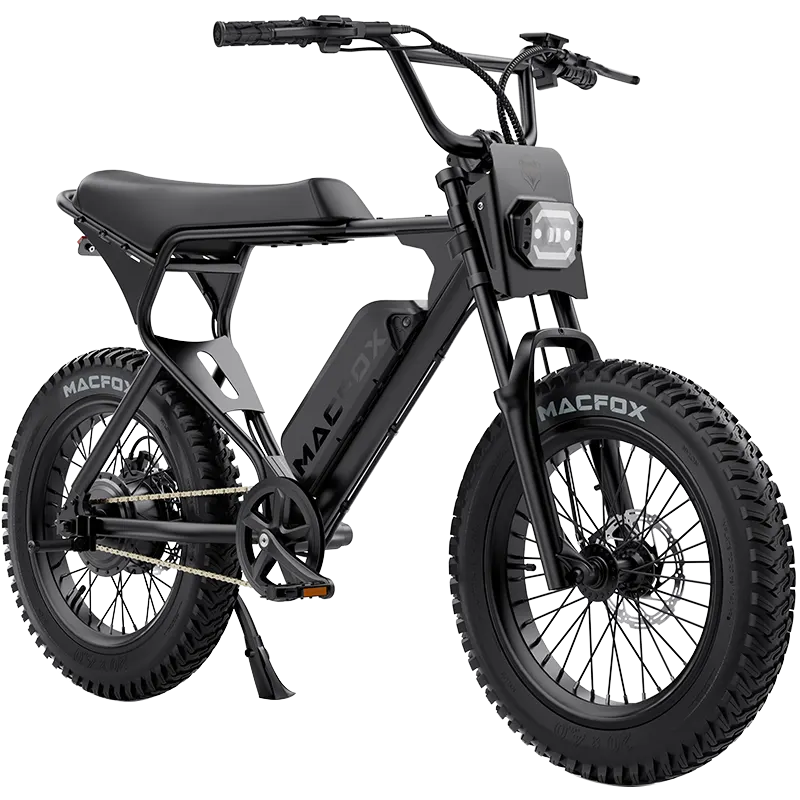
Some riders evaluating Sur-Ron pricing also look at Macfox electric bikes as a different kind of solution—not replacements, but alternatives for street use.
- Macfox X7 focuses on long-range riding and stability with fat tires and a high-capacity battery, suited for extended daily routes rather than off-road jumps.
- Macfox M16 is a compact, approachable electric bicycle aimed at short commutes and casual riding, where legality and ease of use matter more than extreme power.
Both emphasize ride-anywhere practicality, lower cost of ownership, and compatibility with everyday environments—attributes that matter if your riding happens on streets, campuses, or shared paths.
Macfox specifications referenced from MacfoxBike.com (as of November 12, 2025).
9. Final Answer: How Much Is a Sur-Ron Electric Bike—and Is It Worth It?
So, how much is a Sur-Ron electric bike?
In the U.S., you’re typically looking at $4,400 to over $9,000, depending on the model.
Is it worth it?
- Yes, if you want dirt-bike-level power and ride off-road.
- Maybe not, if you want a practical, street-legal electric bike for everyday use.
Sur-Ron excels at what it’s built for. But price alone doesn’t determine value—how and where you ride does.
If Sur-Ron or any other referenced brand updates product specifications, pricing, classifications, or related information after January 14, 2026, or if any details in this article are found to be inaccurate, please notify us. We will review and update the content promptly to reflect the latest official information published by the brand.