
You replaced the rotor, tightened a loose bolt, and now it has backed out again. Don't make retightening it part of your riding routine. Park the bike until the mounting hardware and its condition have been checked. The question is no longer just how tight the bolt should be, but why the connection isn't staying secure.
Locate the Movement First

Turn the bike off and let the rotor cool. With the wheel stationary, identify the connection before reaching for a wrench.
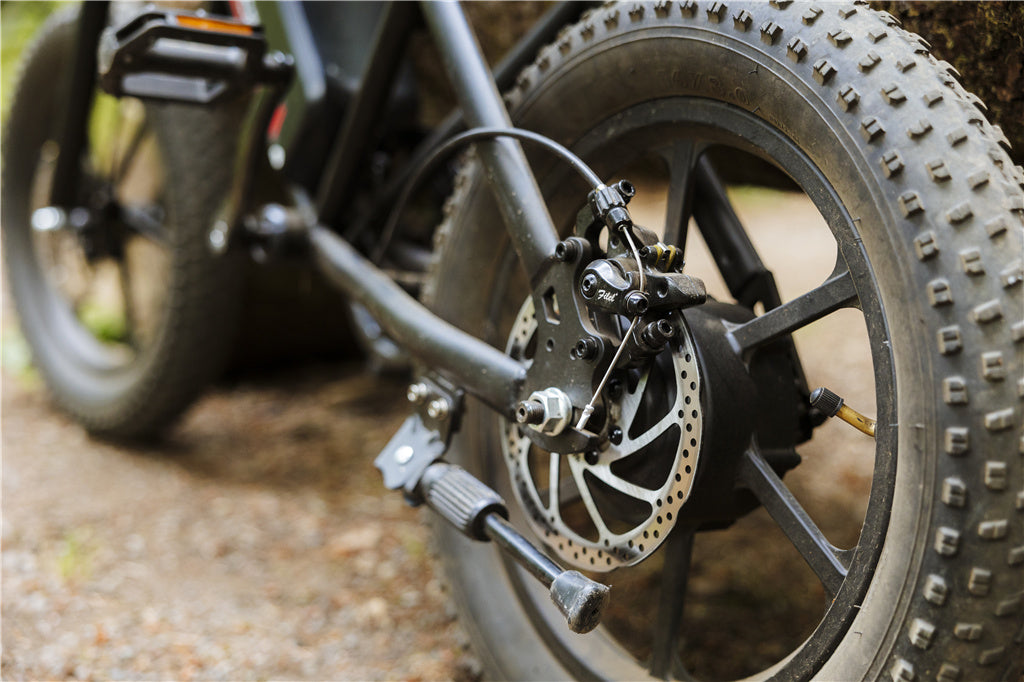
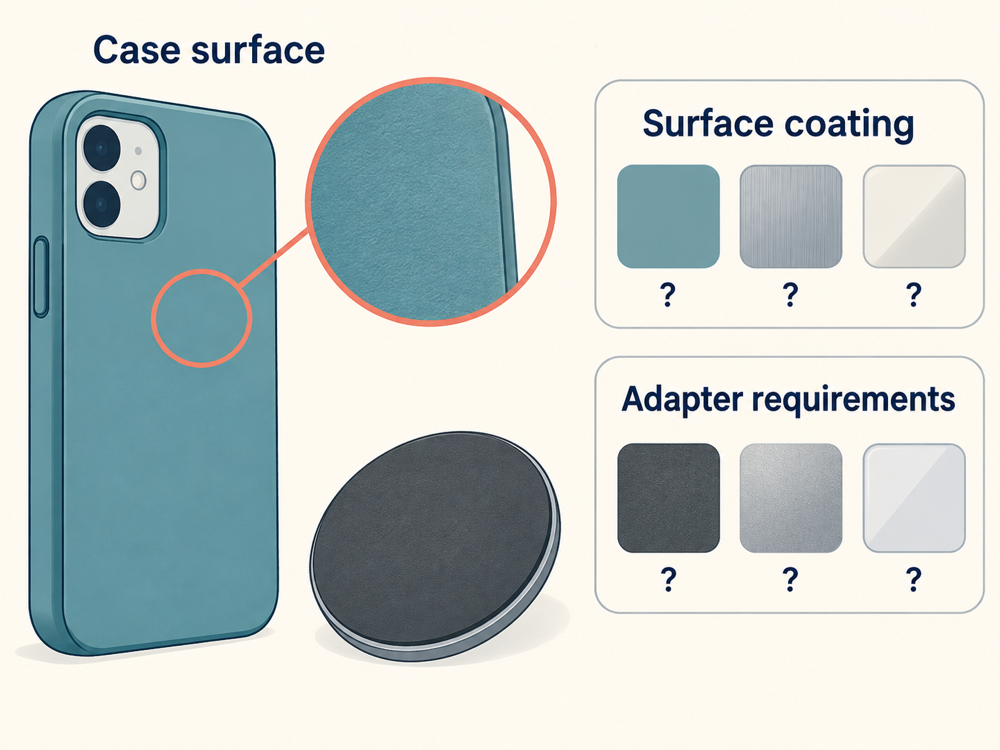
A six-bolt rotor attaches to the hub with bolts around its center. A Center Lock rotor uses a lockring, and an adapter adds its own fitting requirements. Don't apply six-bolt instructions to a lockring.
The rotor-mounting bolts are also different from the caliper bolts or the rivets joining a two-piece rotor. A knocking sound alone doesn't identify which connection moved. If that distinction isn't clear, have a mechanic inspect it rather than tightening everything near the brake.
Recheck What Changed With the Rotor
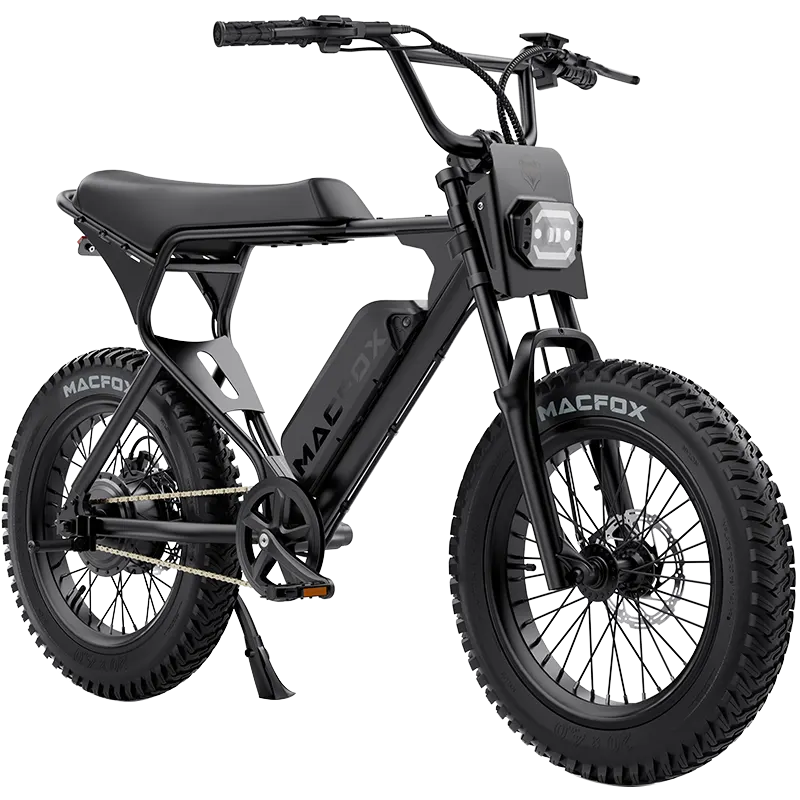
Start with the replacement rotor's model and the hub it is mounted to. If an electric bike has had a wheel or brake upgrade, its original parts list may no longer describe what's fitted.
- The bolts: Confirm the approved type, length, and head shape. The same wrench fitting both old and new bolts does not prove they are interchangeable.
- The locking arrangement: Some systems specify new, pretreated bolts; others use dedicated locking washers or plates. Follow that system's replacement requirements. Don't substitute stronger adhesive or add ordinary washers as a workaround.
- The seating: A visible gap, trapped material, or an unexplained spacer at the mounting face needs attention. Don't file the mount or alter the stack of parts to make the rotor sit differently.
The applicable rotor and hub instructions should determine thread preparation, tightening sequence, and torque. A generic bolt chart or a harder pull on the wrench is not a substitute. If the instructions appear incompatible, stop and have the combination checked.
When Another Retightening Is Not the Answer
A bolt that spins without tightening, binds before seating, looks bent, or has damaged threads needs professional assessment. So does a mounting hole that will not hold its fastener. Don't try to rescue either with more torque, a longer screw, or home thread repair.
Missing hardware or continued rotor movement means no riding. Look for contact marks on nearby parts, too. On a hub-motor wheel, note any damaged cable insulation near the rotor without touching exposed wiring or running the motor.
Ask the shop to distinguish incorrect hardware or preparation from damage to the rotor's mounting holes or the hub threads. New bolts alone may not solve damaged mating parts. A torque-wrench click is not proof that the whole assembly is correct.
Disc brake adjustment is a separate task: aligning the caliper cannot secure a rotor that moves at the hub. Have the cause corrected and the brake checked before returning to riding, not after a test ride to see whether the bolts loosen again.