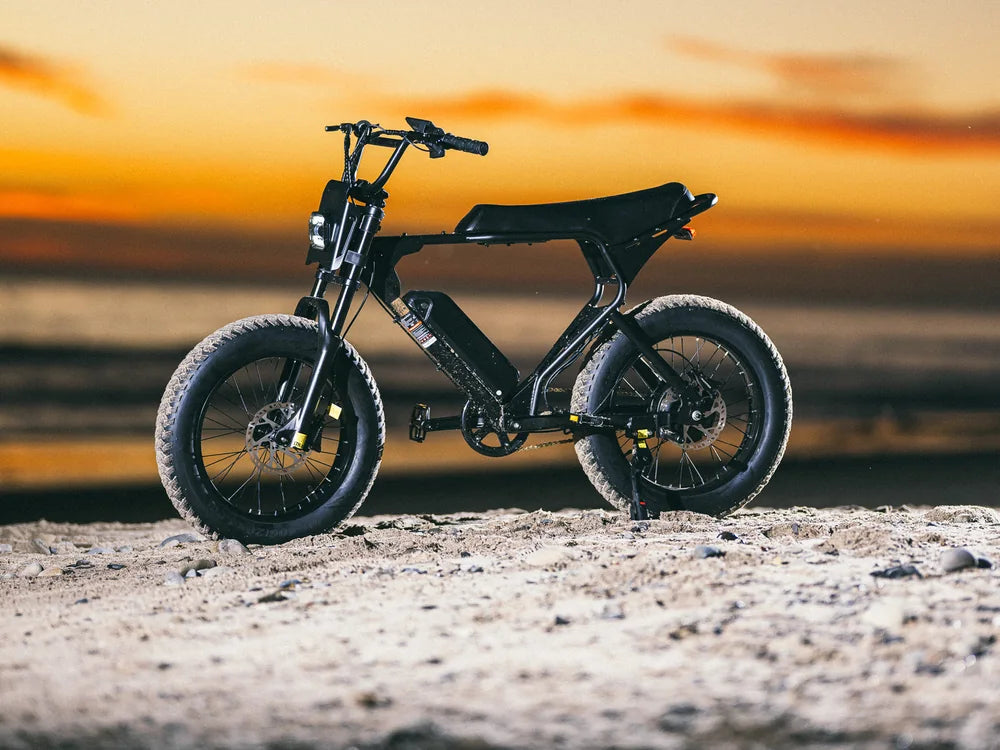

A basement storage room may work for an e-bike only if it stays dry, remains within the manufacturer's storage-temperature limits, has no meaningful flood risk, provides reasonable security, and lets the bike sit without blocking an exit or walkway.
Storage and charging also need separate decisions. Permission to park an e-bike in a basement does not necessarily include permission to charge its battery there.
Rule Out Four Clear Warning Signs
Check the floor, walls, corners, and ceiling for water stains, leaks, mold, or a flood history. A room that looks dry today may collect water or condensation during storms and seasonal changes.
Determine whether the space experiences extreme heat or cold or sits near a boiler or radiator. Follow the bike and battery manuals instead of a universal temperature range from an online discussion.
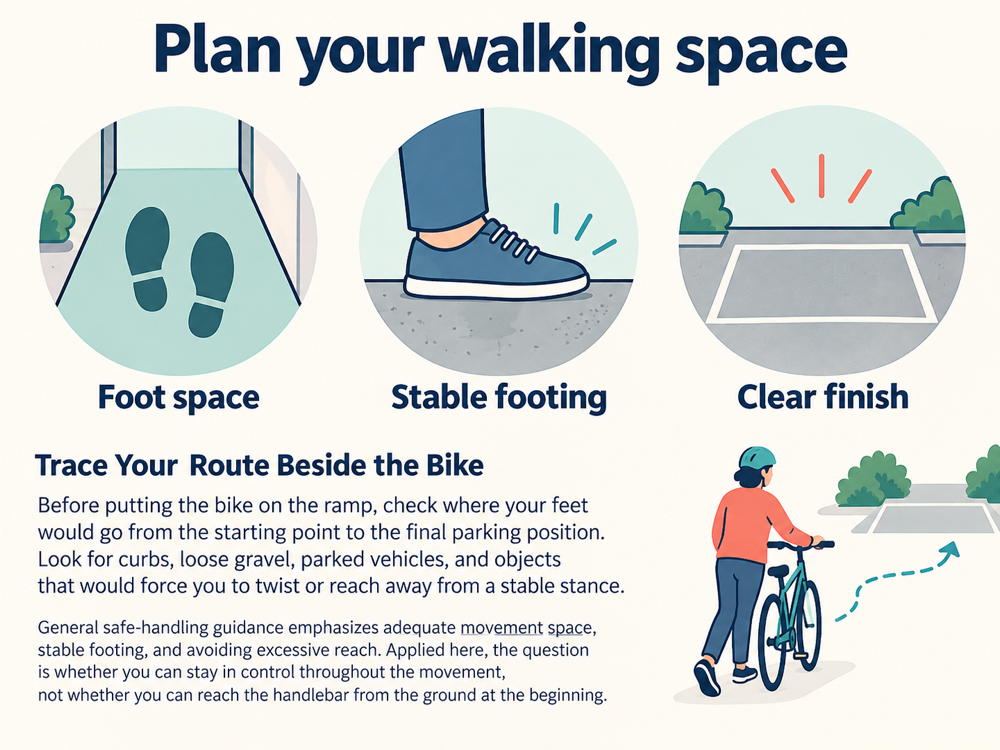
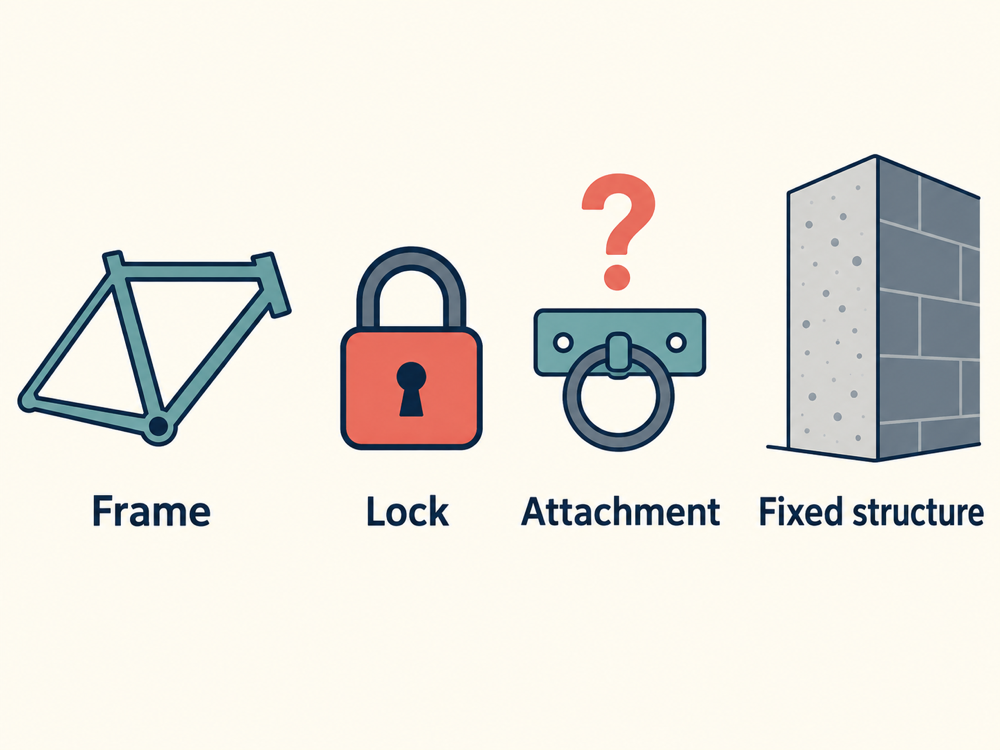
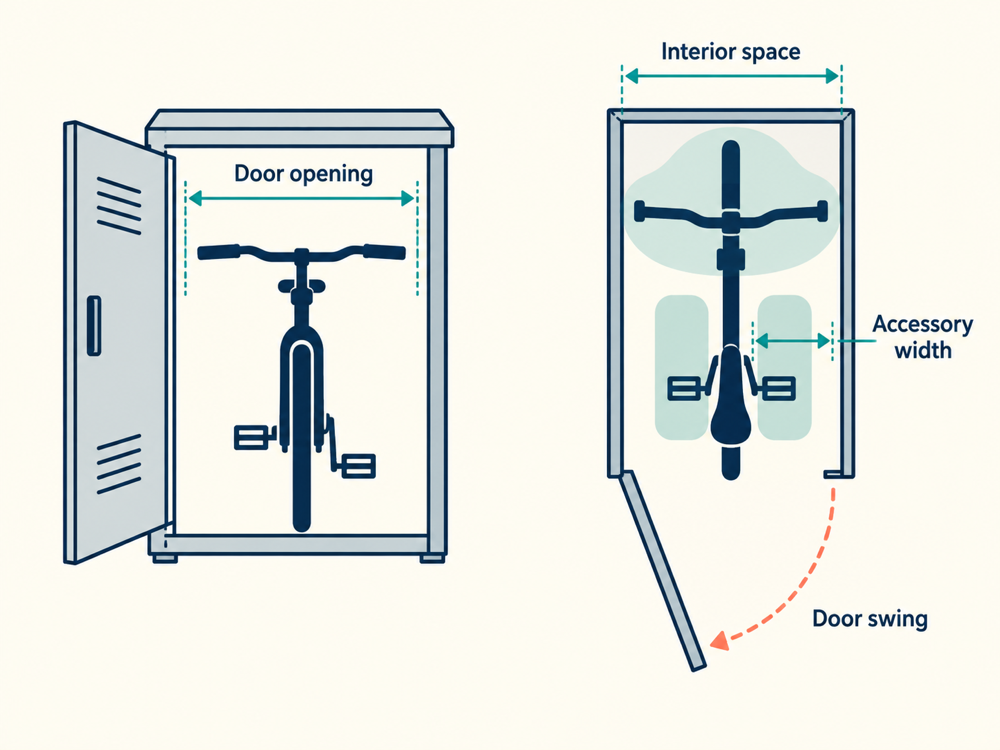
Make sure the bike will not block a door, stairwell, fire equipment, or pedestrian route. Check for controlled access and a solid anchor for the frame. A locked room does not guarantee that no one else can reach the bike.

Evaluate the Frame, Battery, and Charger Separately
A damp room can cause corrosion on the chain, fasteners, and electrical contacts. A cover reduces dust and light splashes but may trap moisture around the bike.
Follow the manufacturer's moisture and temperature requirements for the battery and charger. If the manual permits separate battery storage, use a more stable location. Do not leave the key or proof of ownership beside the bike.
The U.S. Consumer Product Safety Commission advises using the supplied or manufacturer-approved charger and staying present while charging. Unless management has approved a charging location, do not assume charging is allowed in a shared basement room.
Look Beyond the Bike Lock
Find out who can enter, whether access is monitored, and whether the frame can be secured to a structural anchor. Locking only a wheel still leaves the bike vulnerable to being carried away.
Keep the bike away from carts, boxes, and swinging doors. Save current photos and the serial number elsewhere; do not leave ownership documents beside the bike.
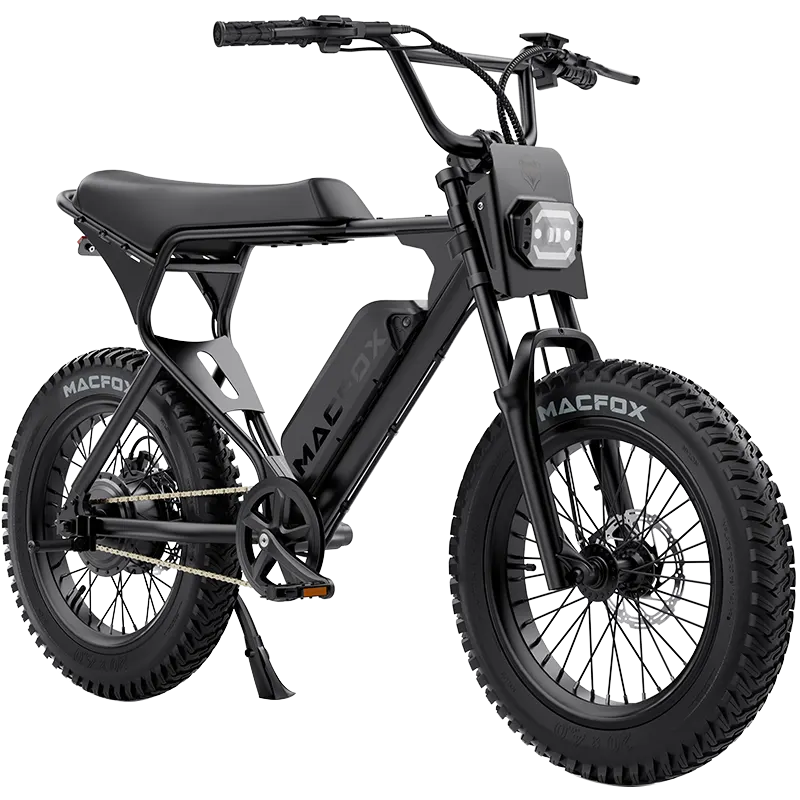
If a basement is your only parking option, compare electric bikes by total weight, removable-battery design, and manufacturer storage requirements before buying.
Check the Bike Regularly
Regularly inspect the tires, chain, fasteners, battery mount, and exposed contacts. Watch for rust, moisture, unusual odor, or damaged wiring. After a leak, flood, or heavy condensation, inspect the bike and electrical areas before reinstalling the battery or riding.
If the basement does not pass these checks, use this guide to storing an e-bike in a small apartment to compare indoor parking, a managed bike room, and other approved options.
FAQ
Can I keep the frame in the basement if I bring the battery inside?
Possibly, but the room still must be dry, secure, permitted, and free of flooding and extreme temperature changes. Displays, controllers, and connectors also need protection from moisture.
Does a dehumidifier make the room safe?
Not by itself. It does not solve flooding, theft risk, blocked exits, or property-permission issues.