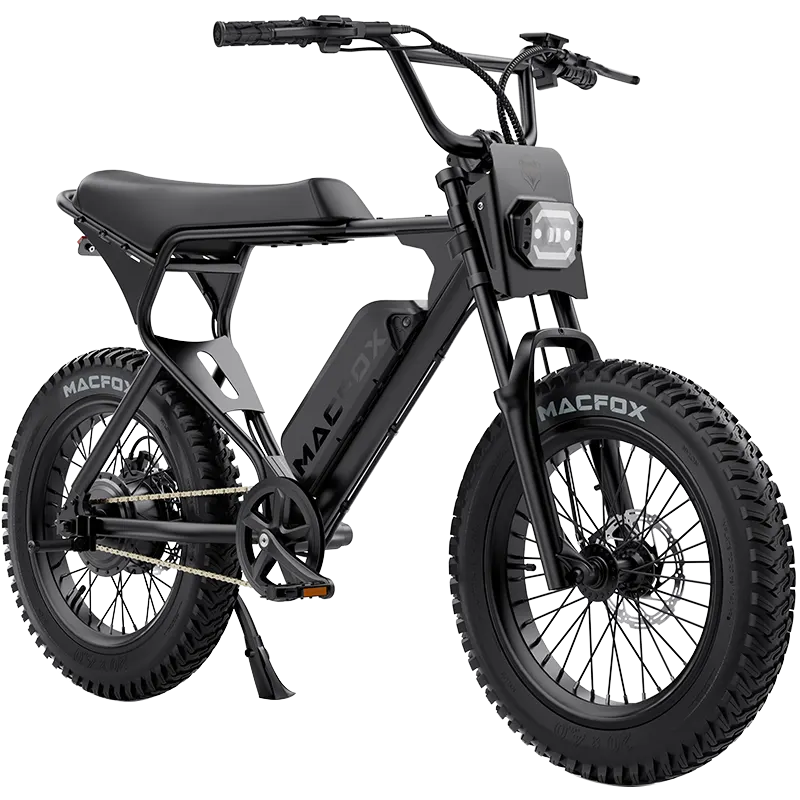

A transit agency may allow e-bikes while its front bike rack still cannot hold your particular fat-tire model. Before using a bus as the return leg of a ride, check the operator's actual rack limits and the bike in its travel condition. Permission for the category is not a fit guarantee.
Find the Operator's Exact Rack Limits

Use the transit agency's own loading instructions, not a rule remembered from another city. Look for wheel diameter, wheelbase, tire width, loaded bike weight, and accessory restrictions. Also check whether the driver has final authority and whether a bike may enter the bus when the rack is full.
King County Metro offers one useful example: its published limits cover 16- to 29-inch wheels, a wheelbase up to 46 inches, tires up to 3 inches wide, and a bike weighing no more than 55 pounds with accessories. Those numbers describe that operator's listed rack, not a nationwide standard.
Measure the Bike in Travel Condition
Measure between the wheel contact points for wheelbase, use the tire's normal riding width, and weigh the bike with everything that will remain attached. If the bike instructions permit battery removal, follow them and include the battery in your separate carrying plan.
Do not deflate a wide tire to force it into a narrow tray. Passing the scale limit also does not compensate for a tire, wheel, or wheelbase that falls outside the rack's range.
Record the measurements on your phone and compare them with the agency diagram before leaving. Do not use a catalog number from a different model year when accessories or replacement tires have changed the bike's travel condition.
Check the Tray and Wheel-Hook Contact
Study the operator's diagram before boarding. The wheels must sit in the assigned tray and the retaining hook must reach the specified wheel area. A front basket, light, fender, or cable can block that path even when the main dimensions pass.
Do not transfer guidance from an automotive rack. An operator may permit contact that a car-rack manufacturer prohibits because the two systems restrain bikes differently.
If the agency offers a practice rack, test the unloaded bike there rather than learning during a live boarding. Keep the bike under your control and follow the agency's loading direction; do not ask the driver to lift it for you.
Plan for a Full or Incompatible Rack
Choose an alternate bus, safe waiting point, or ride-back route before departure. Do not depend on a driver allowing an incompatible electric bike inside the bus.
Remove loose bags before loading only when you can carry them safely and the agency requires or permits it. Never leave a battery, bag, or strap where it can fall into traffic while you operate the rack.
The broader e-bikes and public transportation guide covers trip planning. For the actual boarding decision, the most restrictive published rack measurement wins. If any measurement or contact point fails, change the return plan before the ride begins.