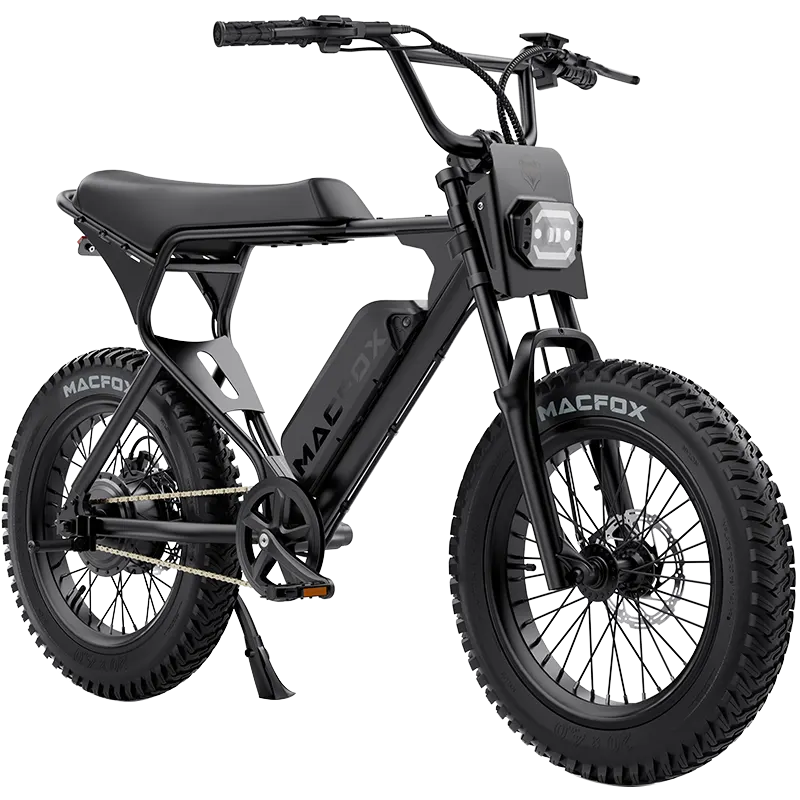

If your e-bike range looks lower than expected, do not blame the battery first. Rider weight, cargo, headwind, speed, and tire pressure can all change how much power the bike uses. The safer estimate is to treat the best-case range as an upper limit, then adjust it for your real route.
This page is only a quick range-estimate check. For the broader model and battery discussion, start with the Macfox e-bike range guide.
Start With a Conservative Range Number
Published range numbers are useful, but they are not a promise that every rider will get the same mileage every day. They usually depend on assist level, route, rider weight, speed, stops, weather, tire setup, and how much charge is left when you start.
I would use the listed range as a ceiling, not the number to plan your entire ride around. If the route is new, keep a return margin. If you need 18 miles round trip, do not plan as if an 18-mile estimate is enough. Leave room for wind, detours, hills, and battery level dropping faster near the end of the ride.

Weight and Cargo Change the Workload
Total load matters. A heavier rider, backpack, lock, delivery box, groceries, or spare gear makes the motor work harder at starts, climbs, and accelerations. You do not need a formula to understand the pattern: more load means more work every time the bike has to move from slow to fast.
This does not mean a heavier rider cannot use an electric bike well. It means the rider should plan with a more conservative range number, especially on stop-and-go city routes or hilly streets.
Wind and Speed Drain Range Faster Than Riders Expect
Headwind is one of the easiest range killers to miss. The route may look flat on a map, but riding into steady wind can make the bike feel like it is climbing a hill. The motor has to help you push through resistance the whole time.
Speed works the same way. Riding a little faster can use noticeably more power, especially when wind is already against you. If your range drops on days when you ride faster, use higher assist, or push through wind, that does not automatically mean the battery is failing.
Tire Pressure and Fat Tires Matter
Low tire pressure can make a bike feel comfortable, but it also increases rolling resistance. If the tire feels soft, squirmy, or slow to roll, the motor may need more power to maintain the same pace. Check tire pressure before judging range, especially after storage or weather changes.
Fat tires add grip and comfort, but their range depends on pressure, surface, rider weight, and speed. For a wider look at that tradeoff, the fat tire bike pros and cons guide explains why stability and rolling effort need to be considered together.
A Simple Pre-Ride Estimate
Before a longer ride, use a simple check instead of guessing from the best number you have seen online.
- Start with the range shown on the product page or range guide.
- Lower your estimate if rider weight or cargo is above your normal ride.
- Lower it again for headwind, hills, frequent stops, or faster riding.
- Check tire pressure before the ride.
- Keep enough battery for the return trip, not just the destination.
If the estimate still feels tight, choose a shorter route, ride at a lower assist level, or plan a charging stop before the ride becomes stressful.
FAQ
Why does my e-bike range drop on windy days?
Headwind makes the motor work harder for the same road speed. Even on a flat route, steady wind can reduce real-world range.
Does rider weight really affect e-bike range?
Yes. Rider weight and cargo affect starts, climbs, acceleration, and how much power the motor uses over the route.
Can low tire pressure reduce e-bike range?
Yes. Low pressure can increase rolling resistance, which can make the bike use more power to keep moving.