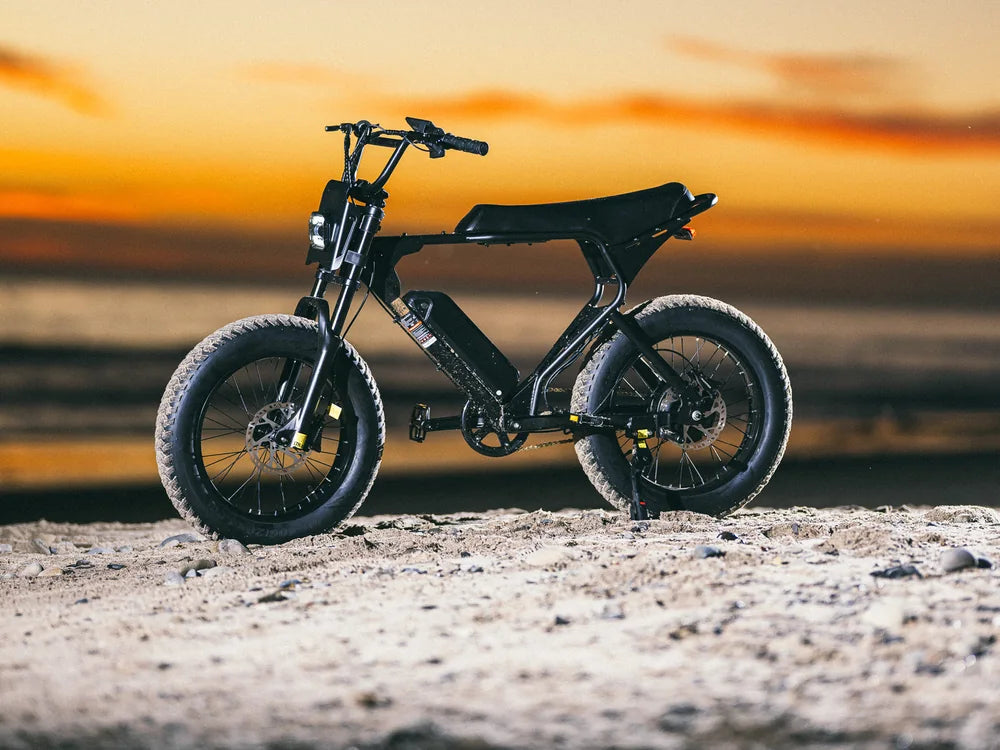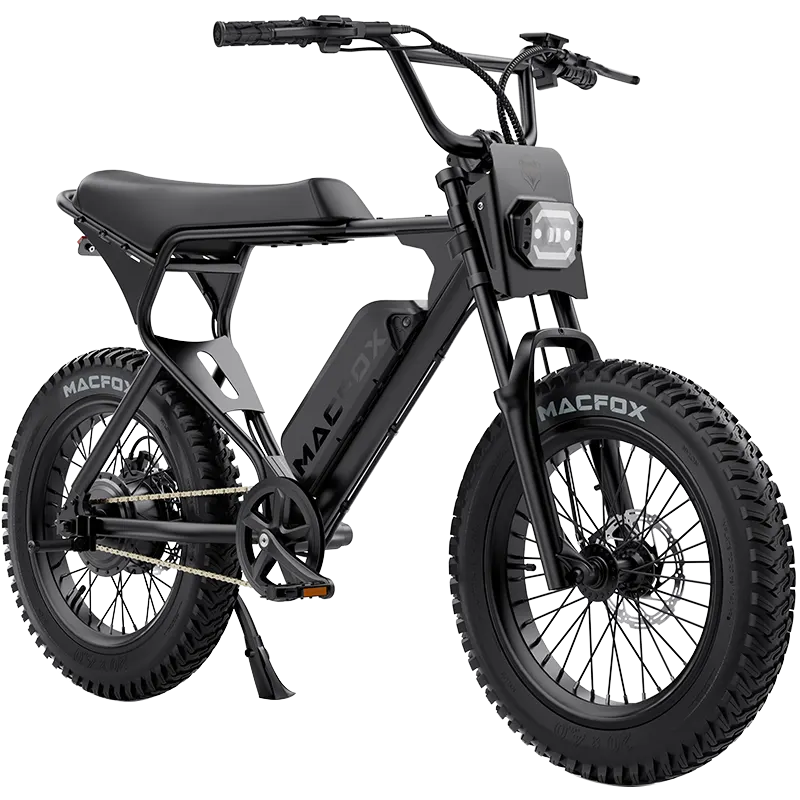

The frame, battery, and charger face different balcony risks. A frame may be suitable for temporary storage when the area is protected and property rules allow it, but the battery and charger are not ordinary outdoor equipment. Do not assume a balcony is an acceptable charging location.
Check the owner's manual and building rules first. A covered balcony can still expose the bike to wind-driven rain, condensation, sunlight, temperature swings, and theft.
Check the Balcony Before Storing the Frame
Look for wind-driven rain, standing water, direct sunlight, and strong gusts. Keep the drain clear and make sure the bike will not block the balcony door or an exit.
Temperature changes can create condensation around metal parts, contacts, and displays. A cover may reduce dust and light rain but also trap moisture. Coastal salt air adds corrosion risk.
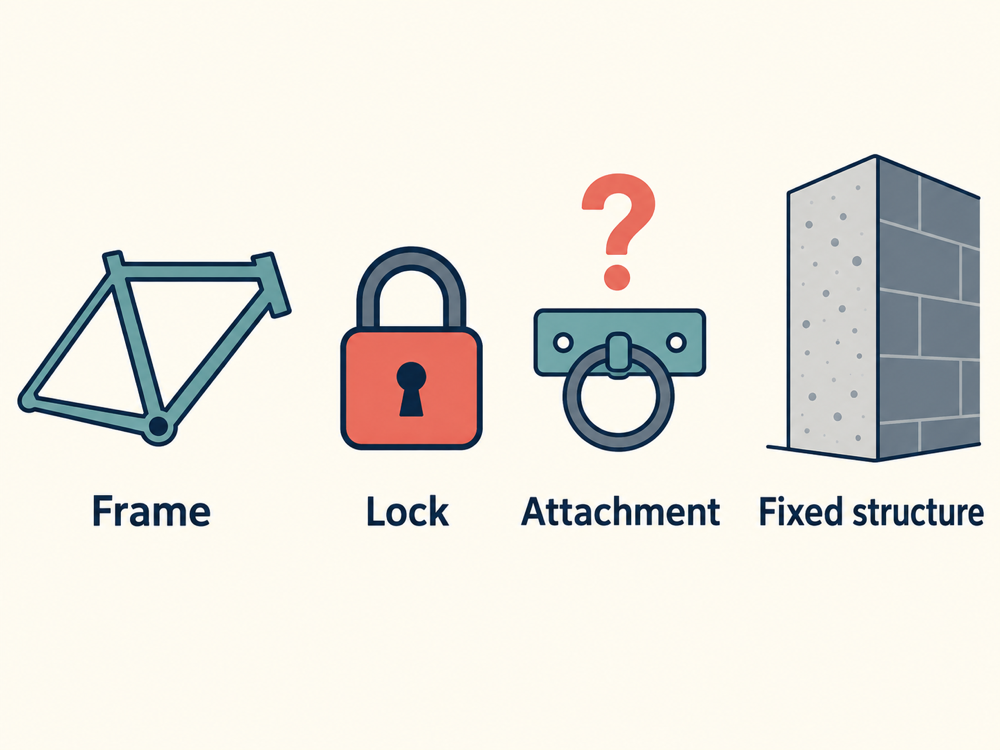
Secure the bike to a proper anchor instead of relying on the kickstand. On an upper floor, secure covers and accessories so they cannot blow over the edge. Follow building restrictions rather than hiding the bike under a cover.

Do Not Treat the Battery and Charger as Outdoor Gear
Store the battery and charger in the dry, temperature-controlled conditions specified by the manufacturer. Sunlight, rain, condensation, and temperature extremes may put a balcony outside those requirements.
Stop using a battery that is damaged, swollen, leaking, unusually hot, noisy, or producing an unusual odor. Do not move it to the balcony to continue charging or monitoring it. Follow manufacturer and local official guidance.
Battery construction and protection differ among electric bikes. A bike that can tolerate brief rain exposure is not necessarily suitable for long-term outdoor storage, and that does not mean its charger can remain outside.
Balcony Charging Is Not a Simple Safety Alternative
If indoor charging is prohibited, do not automatically move it to the balcony. The London Fire Brigade has documented an e-bike battery fire that began while charging on a balcony. Outdoor placement does not remove charging risk.
Use the supplied or manufacturer-approved charger, stay awake and present, and do not charge while sleeping. Keep the location clear of the primary exit and follow product and property rules. A balcony without reliable weather protection, stable temperatures, and a suitable power source is not an appropriate charging station.
Choose a More Controlled Alternative
Ask whether the property offers an approved bike room, charging cabinet, or designated storage area. Separate frame and battery storage may be an option, but both locations still need to meet their requirements.
If indoor space is tight, use this guide to storing an e-bike in a small apartment to create a parking spot that does not block a door or run a charging cord across a walkway. Do not solve a space problem by moving the battery to a location that is harder to monitor and more exposed to weather.
FAQ
Can I leave the bike on a balcony under a waterproof cover?
A cover does not solve condensation, standing water, wind, salt air, theft, or building-rule issues. Use a balcony only when the environment, product instructions, and property rules all support it.
Can I leave only the frame outside during winter?
Check the storage requirements for the display, controller, connectors, and other remaining parts. Bringing the battery inside reduces only part of the risk.