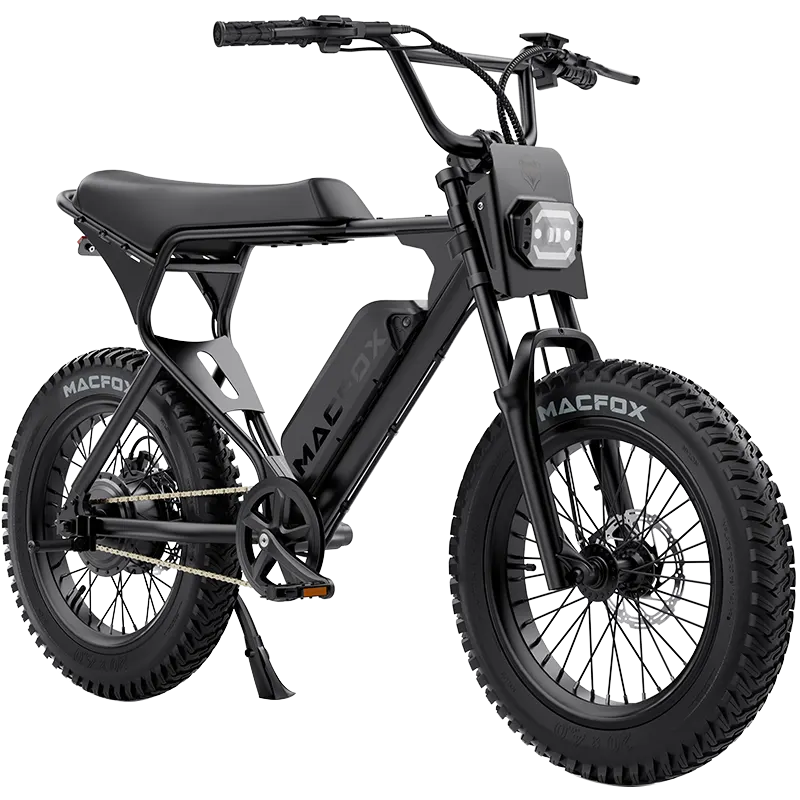

The real difference between a traditional bicycle and an electric bike is not just the motor—it’s how much effort you put in, how far and how fast you can ride, and how easily that bike fits into your daily life. A regular bike is powered 100% by your legs, while an electric bike adds a motor and battery that assist your pedaling, making hills, headwinds, and longer distances feel way more manageable.
If you’re torn between staying “old-school” with a traditional bike or stepping into the electric bike world, this breakdown will walk you through how each one works, how they feel on the road, and which type fits your lifestyle best.
How They Actually Work Inside

On the surface, a bike is a bike: two wheels, a frame, handlebars, and a chain. The difference is what’s happening behind the scenes when you start pedaling.
Traditional Bicycle: Pure Human Power
-
You push the pedals
-
The chain turns the gears
-
The rear wheel spins
-
Your speed depends entirely on your strength and cadence
No electronics. No battery. No motor.
Just you, muscle power, and mechanical efficiency.
Electric Bike: Human + Electric Assist
-
Battery – stores electrical energy
-
Motor – typically in the hub or mid-drive, helps turn the wheel
-
Controller & Sensors – decide when and how much the motor helps based on your pedaling or throttle input
Here’s a simple comparison of how they work:
| Feature / System | Traditional Bicycle | Electric Bike (E-Bike) |
| Power source | Your legs only | Your legs + electric motor |
| Main components | Frame, wheels, drivetrain, brakes | All of these + battery, motor, controller, sensors |
| Pedal assist | ❌ None | ✅ Yes – motor helps when you pedal |
| Throttle (on some models) | ❌ No | ✅ Yes – can move with little or no pedaling |
| Speed control | Gear shifting + your effort | Assist level + throttle (if equipped) |
A good e-bike doesn’t replace pedaling—it amplifies it. You still ride, steer, and control the bike like normal, but the motor makes every push on the pedals feel stronger than it actually is.
What It Feels Like to Ride Each
Specs are one thing. But the real decision usually comes down to this: What does it feel like to ride?
On Flat Ground
-
Traditional bike: Feels light and responsive. Great if you enjoy the workout and don’t mind putting in steady effort to maintain speed.
-
Electric bike: Feels like you’ve always got a tailwind at your back. With pedal assist, cruising at 15–20 mph feels easy, even if you’re not in peak fitness.
On Hills
This is where the gap really shows:
| Situation | Traditional Bicycle | Electric Bike (E-Bike) |
| Short steep hill | Out-of-saddle sprint, heavy breathing | Motor kicks in, you stay seated and relaxed |
| Long incline to campus/work | Can feel exhausting day after day | Manageable, even at the end of the day |
| Riding with a backpack or load | Noticeably harder | Extra weight feels less punishing |
On a regular bike, hills decide whether you’re “down to ride” or “calling a ride.”
On an electric bicycle, hills become “just part of the route.”
In City Traffic
-
Traditional bike: Great for short commutes if you’re fit and your route isn’t too hilly. But stop-and-go traffic can be tiring, especially with lots of starts from zero.
-
Electric bike: Start-ups at lights feel smoother. With assist or throttle, you accelerate quickly enough to keep up with urban flow without burning your legs at every intersection.
End-of-Day Energy
-
Traditional bike = more physical fatigue, which can be great for training, less great when you still have homework, work, or social plans.
-
E-bike = more mental refreshment. You still move, still pedal, still get outside, but you’re not wiped out.
For many young riders, that “I can ride and still have energy later” factor is what pushes them toward an e-bike.
Time, Money and Energy: The Everyday Trade-Offs

Upfront Cost vs. Daily Comfort
| Aspect | Traditional Bicycle | Electric Bike (E-Bike) |
| Purchase price | Lower (few hundred dollars) | Higher (typically $800–$2,000+ for quality models) |
| Daily comfort | Depends on fitness + route | Much higher, especially on hills and longer distances |
| Commuting potential | Good for short, flat trips | Great for medium–long trips and varied terrain |
Maintenance & Effort
-
Traditional bicycle:
-
No electronics = fewer systems to worry about
-
Basic chain cleaning, brake tuning, and tire inflation
-
If you ride hard, you’ll wear out drivetrain parts faster
-
-
Electric bike:
-
Same mechanical maintenance plus:
-
Charging the battery
-
Occasionally checking electrical connectors
-
-
But ironically, the motor can reduce strain on chains and knees because you’re not grinding as hard on every climb
-
Time Saved
| One-Way Distance | Traditional Bike (avg) | Electric Bike (avg) |
| 2–3 miles | 12–18 minutes | 8–12 minutes |
| 5–8 miles | 25–45 minutes | 15–30 minutes |
Over a week, that difference adds up. Over a year, it’s huge.
Matching the Bike to Your Real Life
The real question isn’t “Which is better?” It’s: “Which matches my actual life, schedule, body and goals?”
Fitness vs. Convenience
-
If you want maximum workout every time you ride, a traditional bicycle is still king.
-
If you want reliable movement — to school, work, friends, gym, skatepark — without arriving drenched in sweat, an electric bike is usually the smarter pick.
Different Riders, Different Needs
Here’s a quick lifestyle-based breakdown:
| Rider Type | Traditional Bicycle | Electric Bike (E-Bike) |
| High school / college student | Good for short campus hops | Great for cross-campus, city + campus, and part-time job commuting |
| Daily commuter (5–10 miles each way) | Can be exhausting, especially with hills | Very realistic, even in normal clothes |
| Fitness-focused rider | Perfect training tool | Still possible (lower assist modes) |
| Parent buying for a teen | Cheaper, but may limit distance and usage | Safer in traffic (quicker acceleration), encourages more riding |
| Weekend explorer / trail rider | Fun, but range limited by fitness | Open up longer routes and more adventurous terrain |
Think of it this way: Traditional bikes are great if riding itself is the main event. Electric bikes shine when riding is how you live your life—getting places, seeing people, exploring.
How Macfox E-Bikes Change the Equation

This is where Macfox steps in: not to replace traditional bikes, but to re-balance the equation between effort, fun, and freedom—especially for young riders.
Instead of building generic commuter e-bikes, Macfox designs electric bikes tuned to real world youth riding: campus, city, neighborhood, light trails, and stunt-friendly play.
Macfox X1S – For Daily Rides that Still Feel Like “You”
-
It still feels like pedaling a bike, not sitting on a scooter.
-
The assist fills in the “this hill sucks” moments but doesn’t remove the riding experience.
-
Compared to a regular bike, you’ll find yourself choosing the X1S more often because it doesn’t punish you for longer trips.
For a rider used to a traditional bicycle, the X1S is the smoothest transition into the e-bike world: same basic motions, just multiplied.
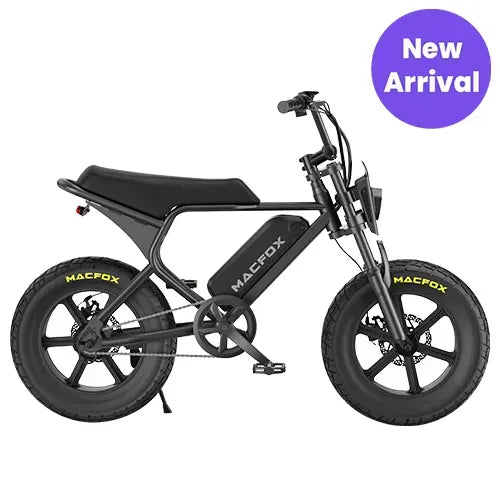
Macfox X7 – When You Want Presence, Not Just Transport
-
Fat tires give you a planted, confident ride feel that a normal skinny-tire bike simply can’t match.
-
On rough pavement, gravel paths, or urban shortcuts, the X7 stays stable where regular bikes start chattering and skipping.
-
The power delivery and seating position make rolling around town feel less like “transportation” and more like your own moving platform.
Compared to a standard mountain or BMX bike, the X7 lets you explore more, for longer, without being limited by your energy tank.
Macfox M16 – Built for Smaller Riders, Not Just “Shrunk Down”
-
Low seat height and compact frame geometry make it easy to control.
-
Fat tires give extra forgiveness when balance isn’t perfect.
-
Electric assist means smaller riders aren’t left behind on family or group rides.
Compared with a regular kids’ bike, the M16 offers more independence: longer rides, more destinations, fewer “Can you come pick me up?” calls.
In all three cases, Macfox is not just saying “here’s an e-bike.” It’s saying: “Here’s what your life looks like with an e-bike compared to your current bike.”
Traditional Bike or Electric Bike: Which Should You Choose?
-
A traditional bike is simple, light, and honest. It gives you pure exercise and full control—but it also asks for consistent effort, fitness, and time.
-
An electric bike keeps the joy of cycling but removes many barriers: long distance, steep hills, heavy loads, and “I’m too tired today” excuses.
For young riders especially, an electric bicycle can turn “I ride once in a while” into “I ride all the time.” That’s the real difference: not just components, but how often you actually choose to ride.
If you love suffering up hills and chasing max heart rate, your classic bike isn’t going anywhere.
If you love getting places, seeing more, riding longer, and still having energy for the rest of your day, an e-bike—especially something like the Macfox X1S, X7, or M16—might quietly become your favorite way to move.
And honestly? Nothing stops you from having both. A traditional bike when you want the grind. An electric bike when you want the freedom.