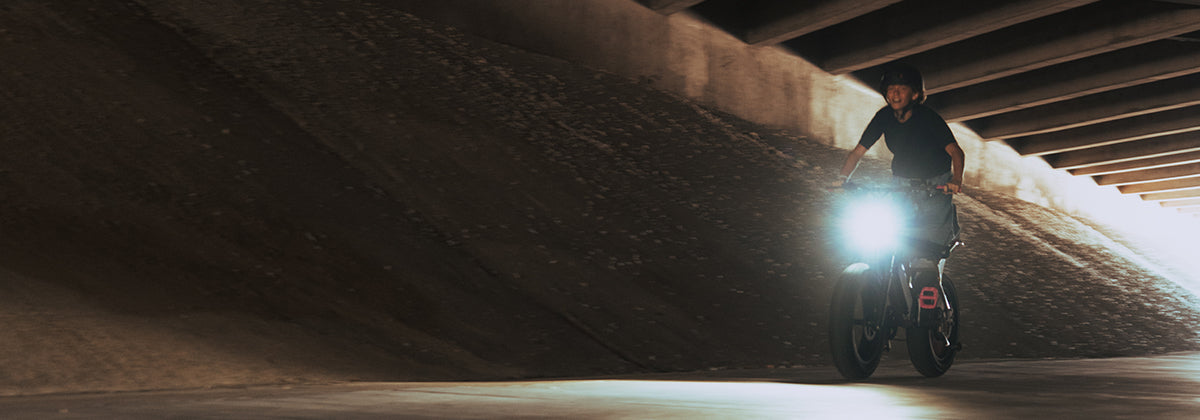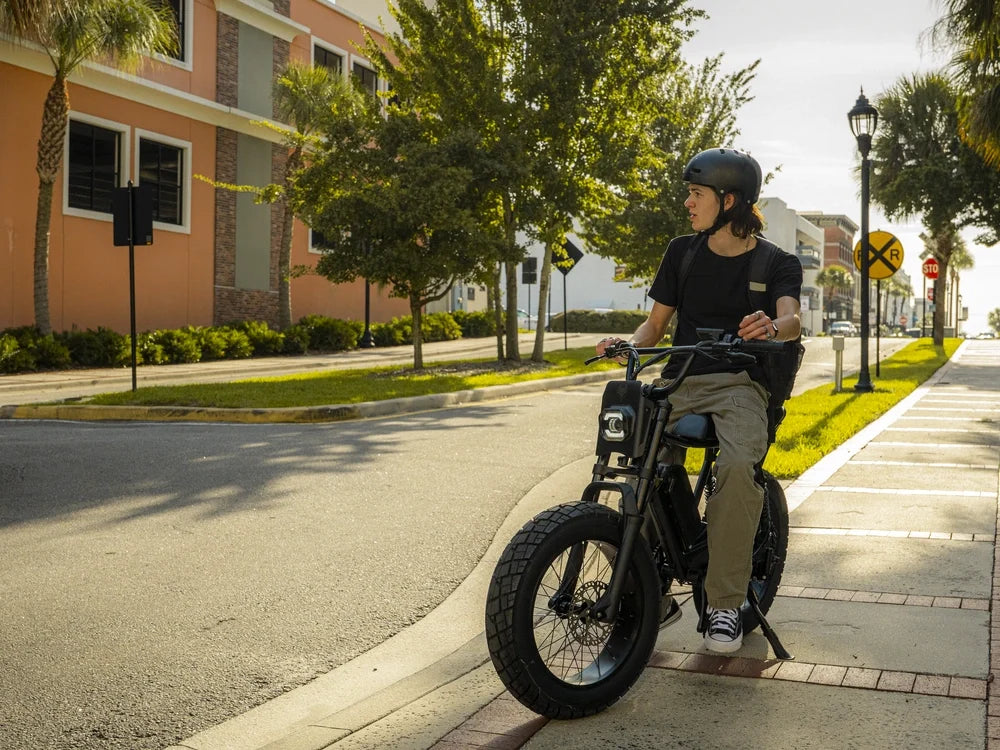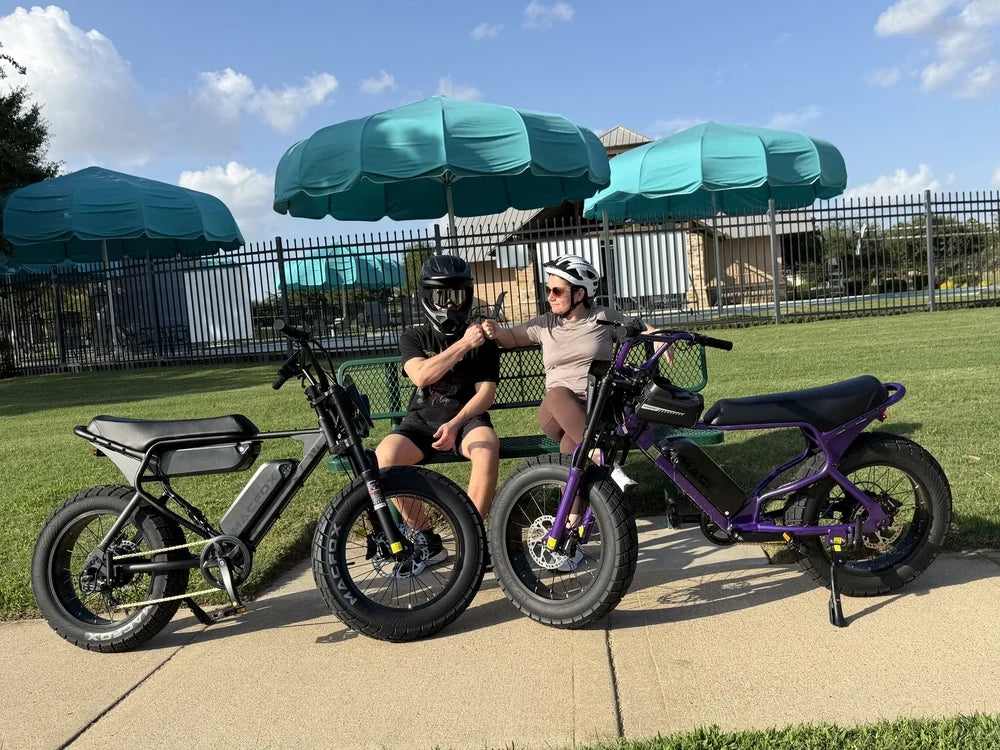

Is an Off-Road Electric Bike Right for You? Once your riding routes extend beyond paved roads, the off-road electric bike becomes a serious consideration. Whether you’re riding forest trails, gravel paths, sand, or light mountain terrain, an off-road electric bike represents stronger terrain adaptability. But many riders still ask:
- What’s the difference between an off-road electric bike and a standard electric bike?
- Do you really need suspension?
- How important are power and torque?
- Does everyone need off-road capability?
- What price range do off-road electric bikes typically fall into?
This guide explains the structural logic and practical boundaries of off-road electric bikes.
What Is an Off-Road Electric Bike?

An off-road electric bike is designed for non-paved terrain. Compared to urban-focused models, it typically emphasizes:
- Frame strength
- Suspension systems
- Tire traction
- Stable power delivery
Here’s a simple comparison:
| Type | Primary Riding Environment |
| Urban Electric Bike | Paved roads |
| Fat Tire Electric Bike | Mixed-surface adaptability |
| Off-Road Electric Bike | Gravel, dirt, and trail riding |
The core of off-road capability isn’t speed — it’s maintaining control on uneven terrain.
Structural Differences Between Off-Road and Urban Electric Bikes
Off-road models usually feature:
-
Stronger Frames
Uneven terrain generates greater impact forces, so frame durability is critical.
-
Wider or More Aggressive Tires
Increased contact area improves traction on loose or soft surfaces.
-
Suspension Systems
Front suspension — or full suspension — absorbs shocks and improves handling stability. Off-road design prioritizes impact resistance, while urban bikes prioritize efficiency and smooth pavement performance.
The Role of Suspension and Wide Tires in Off-Road Riding
On unpaved terrain, vibration and impact are constant challenges.
Suspension Benefits
- Absorbs shocks
- Maintains tire contact with the ground
- Improves steering control
Wide Tire Benefits
- Enhances traction
- Adds cushioning
- Improves performance on sand or gravel
Together, suspension and wide tires significantly enhance off-road ride quality.
Why Torque Matters More Than Top Speed Off-Road
Off-road environments demand torque — not just high top speeds. In uphill or muddy conditions:
- Torque determines climbing capability
- Smooth output prevents wheel spin
A progressive, controlled power curve is more valuable than aggressive peak output. Chasing extreme power without balance can actually reduce control.
Does Everyone Need Off-Road Capability?
Not necessarily. If your riding environment:
- Is mostly paved city roads
- Rarely includes unpaved terrain
- Prioritizes efficiency and range
Then full off-road capability may not be necessary. However, if you:
- Frequently ride forest trails or gravel paths
- Enjoy exploring varied terrain
- Want greater adaptability in your electric bike
An off-road electric bike may be the better fit. The key decision factor is riding environment — not marketing labels.
What Price Range Do Off-Road Electric Bikes Typically Fall Into?
In the U.S. market, off-road electric bikes generally cost more than urban models due to structural and system upgrades. Typical price ranges include:
| Price Range | Structural Positioning | Best For |
| $1,200–$1,800 | Entry-level off-road setup + front suspension | Light trails and gravel |
| $1,800–$2,500 | Reinforced frame + higher torque output | Frequent off-road use |
| $2,500+ | Full suspension or premium systems | More technical terrain |
The primary cost drivers include:
- Stronger frame materials
- Suspension system components
- Higher-torque motors
- Upgraded braking systems
- Impact-resistant wheel assemblies
The price difference reflects improvements in impact resistance and power delivery — not just branding. If you mostly ride paved roads, a standard model may be sufficient. If you regularly venture off pavement, investing in stronger structural tiers provides greater safety and durability.
Macfox’s Approach to Light Off-Road Riding
Within the Macfox lineup, off-road capability focuses on stability rather than extreme competition performance.
Macfox X2
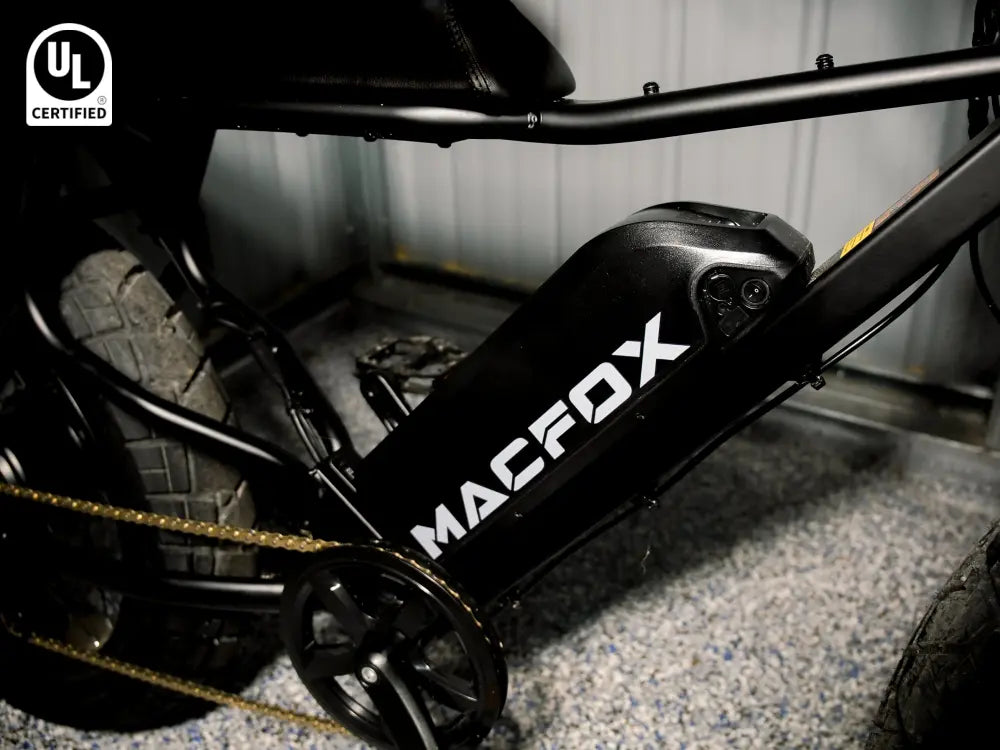
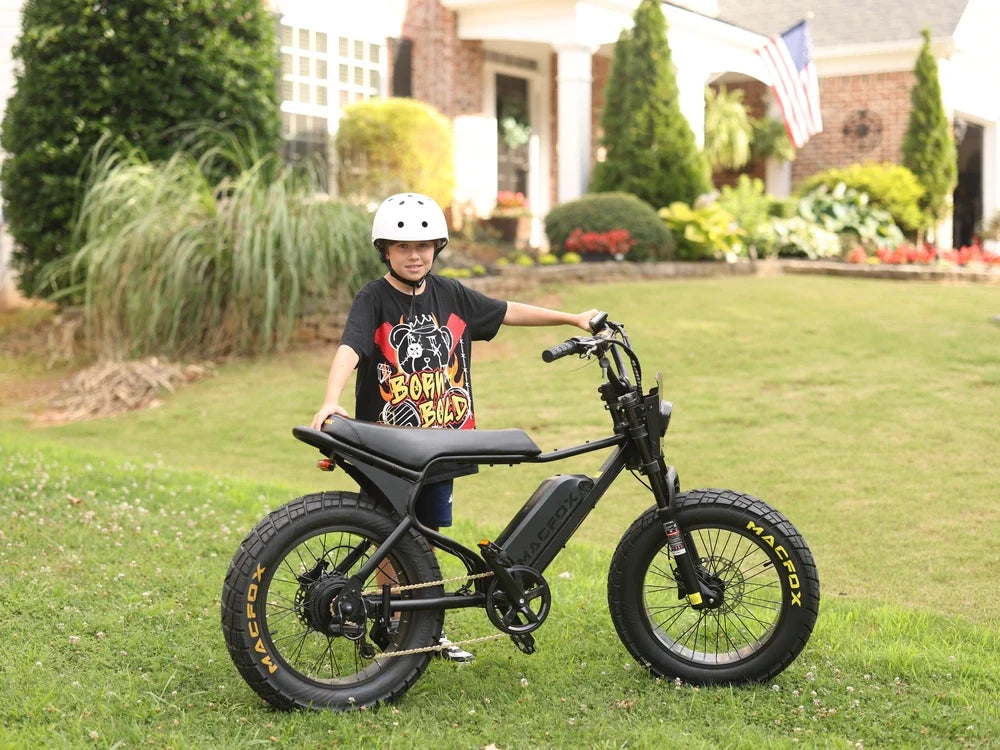
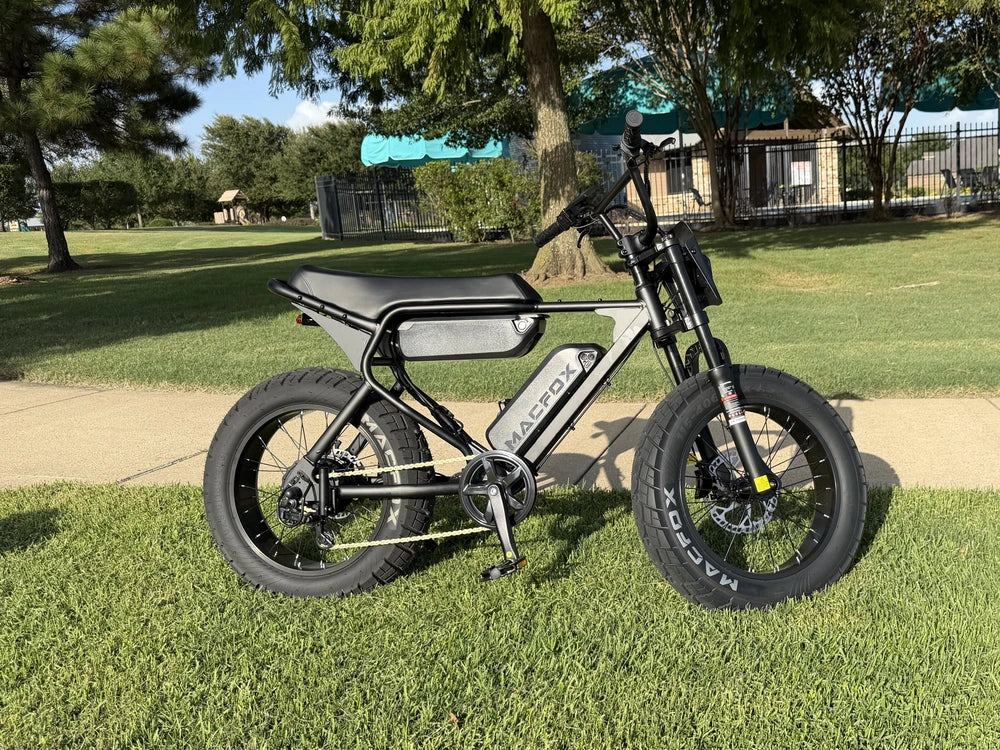
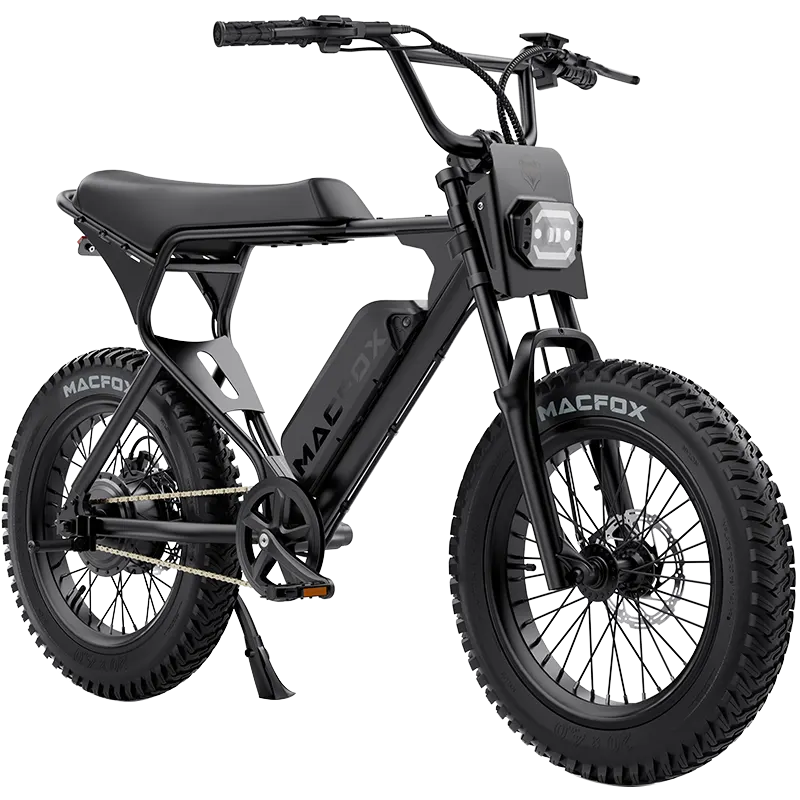
Built with an aluminum alloy frame that balances strength and weight. Wide tires enhance traction. Stable power delivery supports light off-road and mixed-terrain riding. The X2 is positioned for everyday usability with off-road flexibility — not aggressive mountain racing.
Final Thoughts: Is an Off-Road Electric Bike Worth It?
The core value of an off-road electric bike lies in:
- Terrain adaptability
- Impact resistance
- Improved stability and control
However, if your riding is primarily on smooth pavement, off-road capability may not be essential. The rational approach is simple: Choose based on your real-world riding environment — not just specifications or appearance. The best electric bike is the one that matches how and where you actually ride.