
A 3 to 6 mile commute each way is a useful starting range to test. A 7 to 10 mile commute is realistic if the route is safe and the rider can budget enough time. A 10 to 15 mile commute can work, but it usually needs route planning, pacing, weather backup, and a bike that fits the job. At 16 to 20 miles each way, plan for a long daily round trip and backup transportation.
The better question is not only distance. A six-mile route with traffic, hills, bad pavement, and no secure parking can feel harder than a flat ten-mile route on protected paths. If you are ready to choose a bike type, use Macfox's best commuter bikes guide after you understand the distance.
Quick Bike-to-Work Distance Guide
| One-Way Distance | Planning Reference | What It Usually Requires | Best Next Step |
|---|---|---|---|
| 0-3 miles | Short route to test first | A safe route, basic lights, a lock, and weather awareness. | Use the bike for consistency rather than speed. |
| 4-6 miles | Manageable daily range | Pacing, a predictable route, and a realistic arrival buffer. | Test the route once before a workday. |
| 7-10 miles | Reasonable with planning | More attention to traffic, shower or clothing plan, and bike comfort. | Compare your actual speed with the average cycling speeds guide. |
| 11-15 miles | Long but possible | A stronger route plan, recovery time, weather backup, and an efficient bike or e-bike. | Try it one or two days per week before making it daily. About 12.4 miles each way is a 40 km round trip; see the 40 km daily commute guide. |
| 16-20 miles | Demanding for daily use | A reliable bike, battery or fitness margin, spare time, and a backup transport plan. | Plan for 32-40 miles round trip and a backup transport option. |
| 20+ miles | Special-case commute | Strong fitness, very good infrastructure, an e-bike, or a partial transit plan. | Treat it as a route system, not a simple daily ride. |

How Long Does It Take to Bike 6, 8, 10, or 15 Miles?
Commute time depends on average moving speed, stops, traffic lights, hills, and how hard you want to ride before work. Moving time (minutes) = distance (miles) ÷ average moving speed (mph) × 60. Budget extra time separately for traffic lights, parking, locking the bike, changing clothes, or carrying it indoors. The buffers below are example budgets to adjust after timing your own route and arrival routine.
| Distance | At 10 mph | At 12 mph | At 15 mph | Example Extra-Time Budget |
|---|---|---|---|---|
| 3 miles | 18 minutes | 15 minutes | 12 minutes | Add 5-10 minutes. |
| 6 miles | 36 minutes | 30 minutes | 24 minutes | Add 5-15 minutes. |
| 8 miles | 48 minutes | 40 minutes | 32 minutes | Add 10-15 minutes. |
| 10 miles | 60 minutes | 50 minutes | 40 minutes | Add 10-15 minutes. |
| 15 miles | 90 minutes | 75 minutes | 60 minutes | Add 10-20 minutes. |
| 20 miles | 120 minutes | 100 minutes | 80 minutes | Add 15-25 minutes. |
So, how long does it take to bike 6 miles? At an average moving speed of 10 to 15 mph, about 24 to 36 minutes before the workday buffer. How long does it take to bike 15 miles? At those same assumed speeds, about 60 to 90 minutes, and that is why a 15-mile commute should be tested before becoming a daily routine.
What Makes a Bike Commute Feel Too Far?
The same distance can feel easy or exhausting depending on the route. Before deciding that a commute is too far, check the factors that change the ride more than the number of miles.
- Route safety: protected lanes, quiet streets, trails, and fewer intersections can make a longer route more realistic.
- Elevation: a short hilly route can be harder than a longer flat route.
- Surface quality: rough pavement, debris, and curb cuts slow the ride and increase fatigue.
- Weather exposure: wind, rain, heat, and winter conditions can turn a normal route into a difficult one.
- Arrival needs: parking, sweat, clothing, shower access, and where to store wet gear all matter.
- Bike fit: saddle comfort, tire width, braking confidence, lights, and cargo setup affect whether the route is repeatable.
If sweat is the main concern, use Macfox's sweat-free e-bike riding guide before assuming the distance is impossible.
When an E-Bike Changes the Answer
An e-bike does not remove traffic, weather, or parking problems, but it can reduce the hardest parts of biking to work: starts from red lights, hills, headwinds, and fatigue after a long day. That can make a 7 to 10 mile route more realistic and some 11 to 15 mile routes worth testing.
When comparing electric bikes, use distance as the first filter. Check range, battery option, rider position, tire width, lock storage, and whether the bike feels stable at the speed you actually use in traffic.
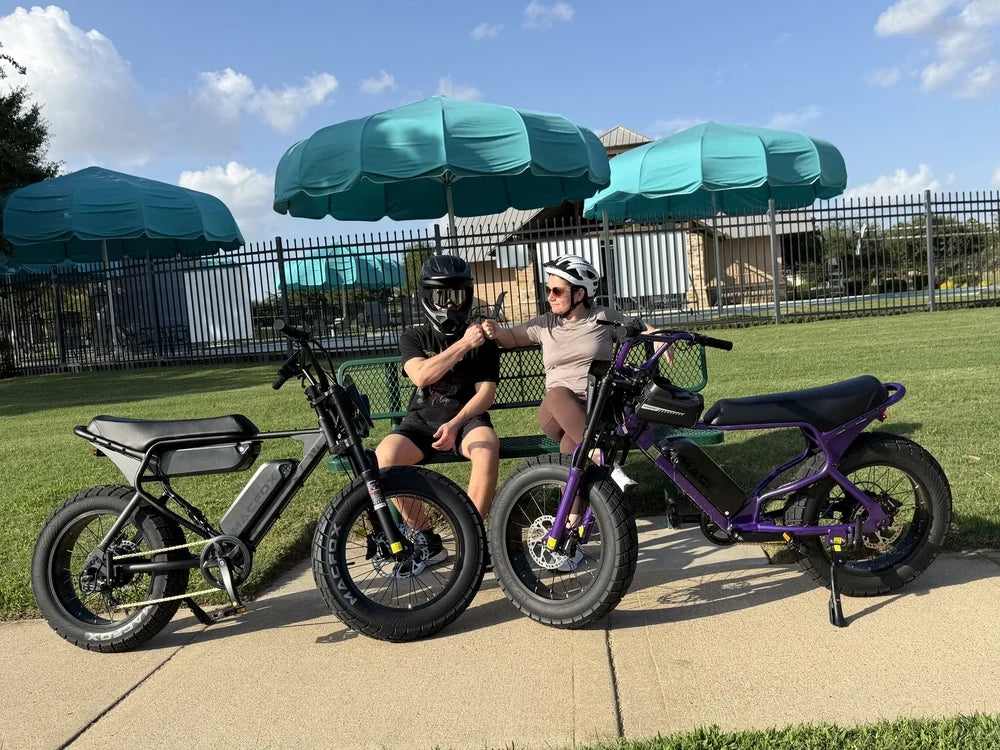
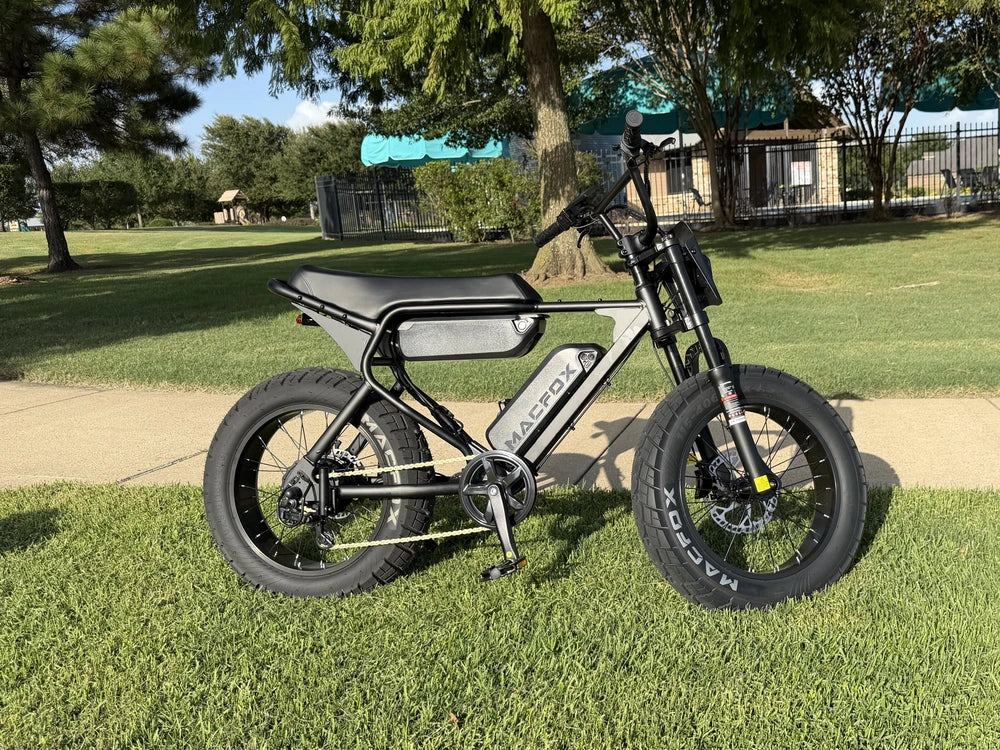
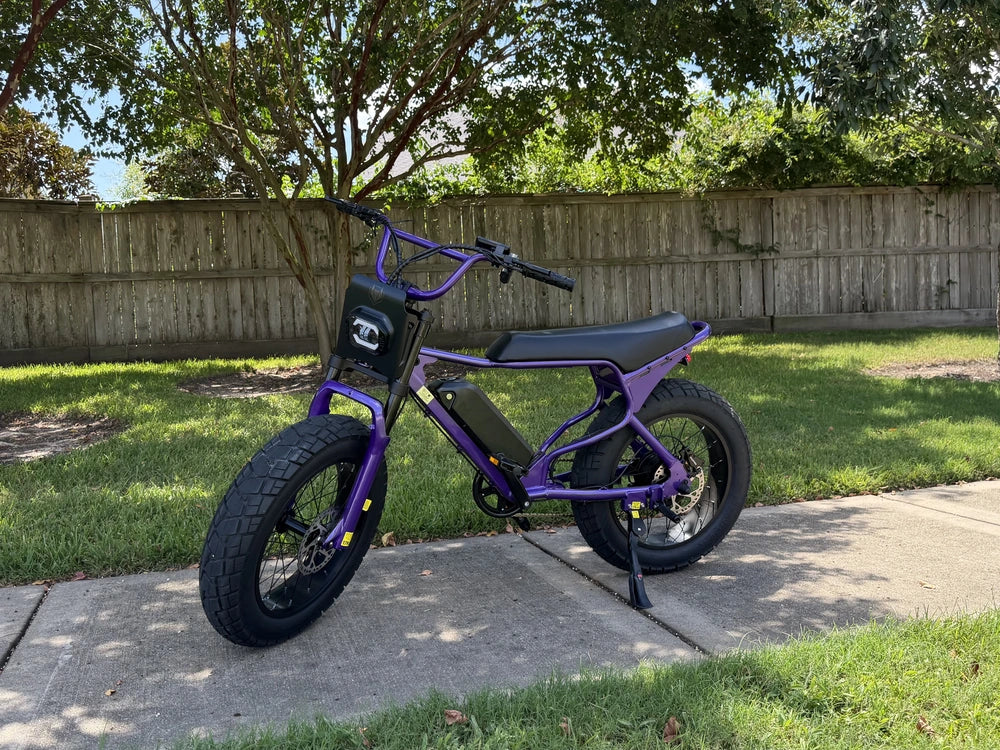
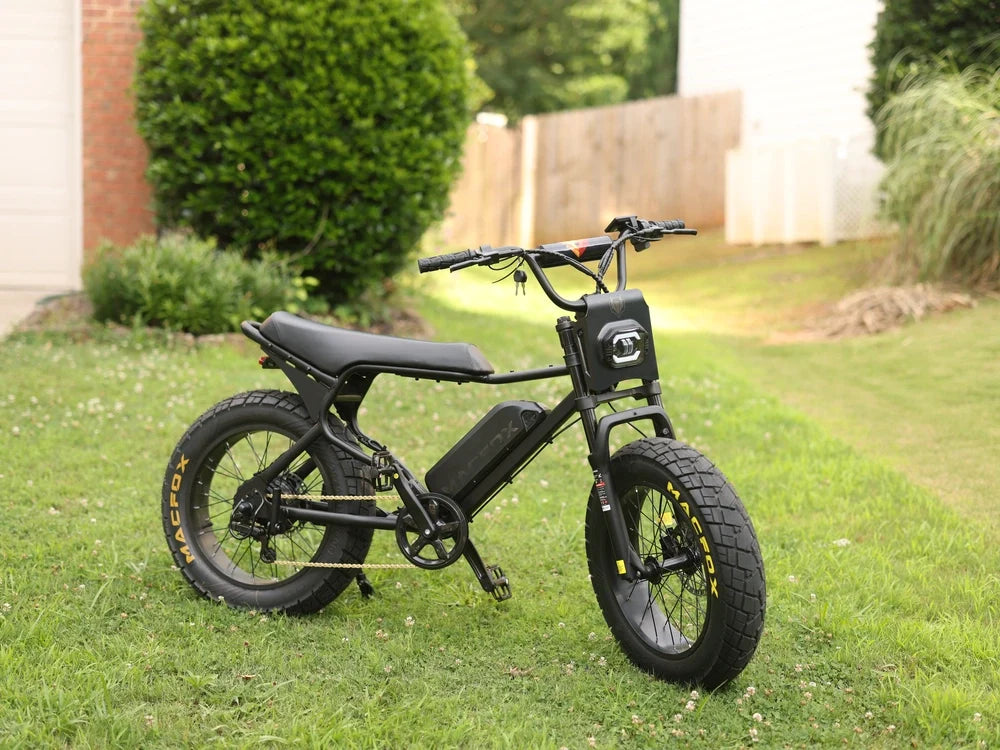
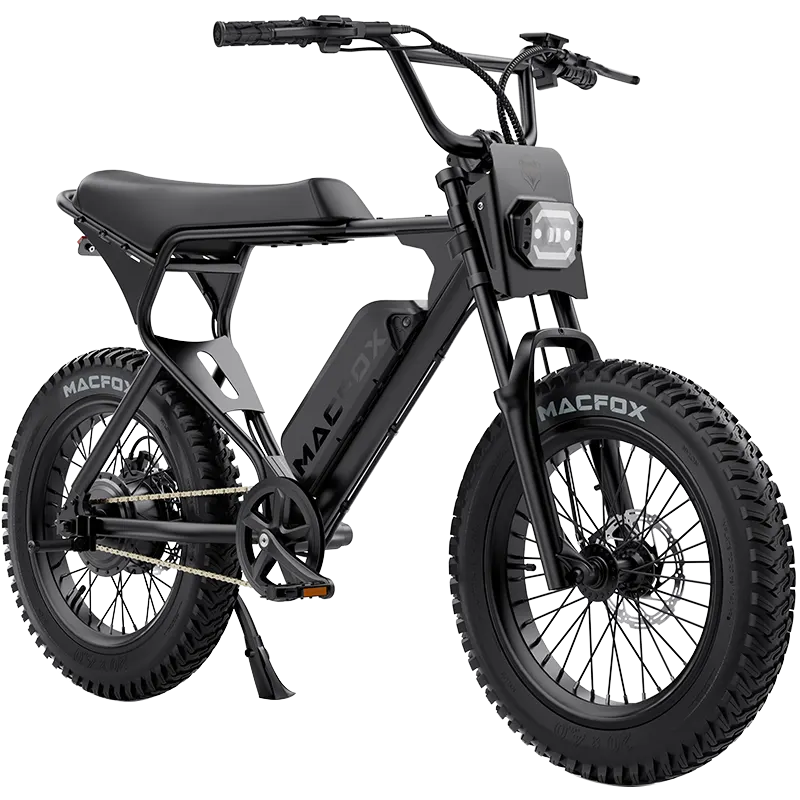
The Macfox X1S commuter e-bike is built around urban commuting: Class 2 assistance, a 500W motor with 750W peak output, a 20 mph top speed, and up to 28 miles per charge or 56 miles with a dual-battery setup. For commuting, plan around the full round trip and any extra stops, leaving a reserve because hills, wind, load, and assist use affect range. Count on recharging at work only if that option is reliable; otherwise, the battery needs to cover both directions with a margin.
How to Test a New Bike Commute
Do not make your first test ride on a Monday morning. Test the route when you are not under work pressure, then adjust based on real time, traffic, and how you feel afterward.
- Map two routes: one direct route and one safer route with lower traffic stress.
- Ride at work pace: use the speed you can repeat without arriving exhausted. Bring the work bag and load you actually expect to carry.
- Time the full door-to-door trip: include unlocking, traffic lights, parking, and changing clothes. Compare that total with your current commute, including its parking or waiting time.
- Check the return ride: the route after work may feel harder than the morning ride.
- Start with partial frequency: ride two or three days a week before making a long route daily. Recheck fatigue after riding on consecutive days, and plan weekly commuting mileage as round-trip distance multiplied by riding days.
If your goal is to replace car trips rather than only add exercise, use the commute without a car guide and decide which trips are realistic by bike, e-bike, transit, or a mixed routine.
Distance vs. Bike Choice
If you know your route and now need a bike type, battery setup, or comfort checklist, continue with the electric commuter bike buying guide.
| Your Real Question | Next Step | What to Check |
|---|---|---|
| How far is too far to bike to work? | Time a full trial commute. | Check door-to-door time, return-trip effort, and recovery across consecutive riding days. |
| What speed should I assume? | average cycling speeds | Use your measured average moving speed, allowing separately for stops and arrival tasks. |
| What commuter bike should I buy? | best commuter bikes | Compare riding position, cargo needs, comfort, and service options against your route. |
| Can an e-bike replace some car trips? | commute without a car | Check which trips work by bike, e-bike, transit, or a combination, and keep a backup option. |
| Is the ride good for health? | health benefits of e-bike commuting | Consider the effort level, recovery time, and riding frequency that fit your workweek. |
FAQ
How far is too far to bike to work?
For planning, treat anything over 15 miles each way as a long commute, and anything over 20 miles each way as a reason to assess route conditions, fitness or battery range, and a mixed transit option. Distance alone is not enough; safety, hills, weather, and arrival needs matter just as much.
Is a 6-mile bike commute reasonable?
Yes. A 6-mile bike commute can be reasonable on a safe route. At an average moving speed of 10 to 15 mph, allow 24 to 36 minutes before adding parking, traffic lights, and changing time.
Is an 8-mile bike commute reasonable?
Yes, if the route is safe and the time and effort fit your workday. Eight miles each way means 16 miles round trip. At an average moving speed of 10 to 15 mph, allow 32 to 48 minutes each way before stops and arrival tasks.
Is a 10-mile bike commute too long?
A 10-mile commute is not too long if the route is safe and you can budget about 50 to 75 minutes door to door, assuming a moving speed of 10 to 15 mph and an extra 10 to 15 minutes for stops and arrival. It is better to test it once or twice before making it a daily routine.
How long does it take to bike 15 miles?
At a steady 10 to 15 mph pace, 15 miles usually takes about 60 to 90 minutes of moving time. Add extra time for traffic lights, hills, locking the bike, and cooling down before work.
What is the average bike commute distance?
There is no single average distance that suits every route. For a starting point, test a 3 to 7 mile one-way ride and time the full trip. Longer routes can work, but they depend more on infrastructure, weather, schedule, and bike choice.