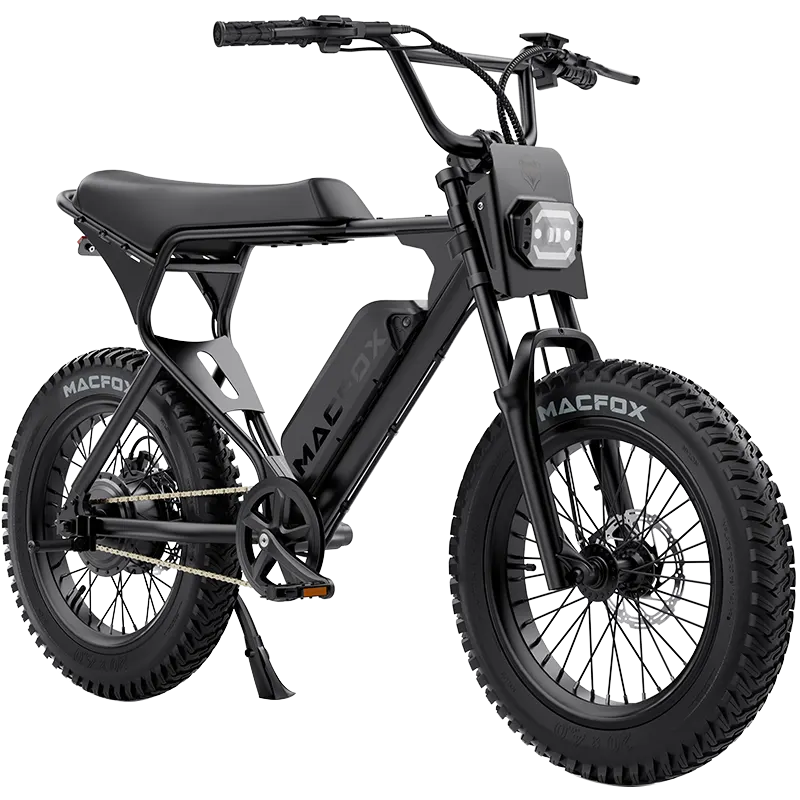

The safest way to make an e-bike faster is to restore the performance it was designed to deliver—not to force extra speed through incompatible parts or hidden settings. Confirm the documented ride mode, charge with the approved charger, keep the tires within the stated pressure range, remove unnecessary cargo, and check for brake drag, wheel problems, battery warnings, or error codes. Do not bypass the speed limiter, falsify wheel-size settings, install a higher-voltage battery, reprogram the controller, swap the motor, or change the tire size just to chase speed.
If the bike still feels slow after the safe checks below, compare its behavior with the owner’s manual and contact qualified support. A bike that is operating normally but does not fit your route needs should be replaced with a model designed, tested, and legally classified for the performance you need.

First, Find Out Whether Your E-Bike Is Actually Underperforming
A lower number on the display does not automatically mean the motor is faulty. Assisted speed can change with the selected mode, battery state, rider and cargo load, tire condition, slope, headwind, surface, and maintenance. Use a repeatable comparison instead of judging the bike from one difficult ride.
- Check the model’s documented assisted-speed behavior and the ride mode shown on the display.
- Use the same rider, cargo, route, direction, and surface for the comparison.
- Start with a normally charged battery and tires set within the approved range.
- Note whether the problem is constant or appears only uphill, into a headwind, on soft ground, or under heavier load.
- Record any error code, unusual noise, heat, vibration, brake feel, or sudden power cut before contacting support.
If the problem is a recent loss of performance rather than a desire for a higher design speed, use the more detailed e-bike slowdown diagnosis as your next check.
Safe Ways to Restore Normal E-Bike Speed
1. Confirm the Documented Ride Mode
Make sure the display is in the intended assist mode and that the battery level is adequate for the test. Use only settings described in the owner’s manual. A low assist level, walk mode, an active error state, or a setting changed by accident can make a healthy bike feel slow.
Do not enter undocumented menus, alter the wheel-size value, or use online “unlock codes” to make the display or controller behave differently. Those changes can make the speed reading inaccurate and may change how the motor assistance cuts off.
2. Charge With the Approved Charger and Inspect the Battery
Use the charger supplied with or approved for the exact battery and bike. A charger or replacement battery that physically connects is not automatically electrically compatible. Do not install a higher-voltage pack or combine batteries as a speed upgrade.
Stop using or charging the battery if it becomes unusually hot, smells strange, leaks, changes shape or color, or makes unusual noises. Move away from the device and call emergency services if there is smoke or fire. For a persistent power problem without an emergency sign, document what happened and contact support before riding again.
3. Set Tire Pressure Within the Approved Range
Underinflated tires can feel sluggish and make handling less predictable. Check pressure with a gauge and follow the tire marking plus the bike guidance. The goal is the correct range for the tire, load, and riding surface—not the highest number printed on the sidewall.
Never overinflate a tire to gain speed, and do not replace a fat tire with a thinner or differently sized tire as a shortcut. Tire size affects fit, clearance, handling, load capacity, and the accuracy of speed and distance calculations. The electric bike tire pressure guide explains the basic pressure check.
4. Remove Unnecessary Load Without Removing Safety Equipment
Extra cargo increases the work required to accelerate and climb. Remove items you do not need, secure the remaining load, and stay within the bike’s stated payload limit. Do not remove lights, reflectors, guards, brakes, or other safety equipment to save weight.
5. Check for Brake Drag, Wheel Problems, and Excess Friction
A rubbing brake, damaged tire, misaligned wheel, worn bearing, or drivetrain problem can make the bike feel slow and can become a safety issue. With the bike powered off and secured, look for visible damage and listen for persistent rubbing while the wheels turn.
If a wheel wobbles, a brake feels weak or uneven, the rotor grinds, a cable is damaged, or you are unsure what you are seeing, stop riding. Do not loosen or re-adjust braking components simply to reduce resistance unless the owner’s manual authorizes the procedure and you are qualified to perform it.
6. Compare Terrain, Wind, Surface, and Load
Steep grades, headwinds, soft sand, deep gravel, low-traction surfaces, and heavier loads can all reduce speed without indicating a fault. Compare the bike on a familiar, open route under similar conditions. If the speed returns to normal on level, firm ground, the difference may be operating conditions rather than the motor.
7. Use Error Codes and Support Instead of Guesswork
Record the display message, battery level, ride mode, conditions, and any noise or vibration. Photos or a short video can help support identify a problem without speculative part swaps. Use the official Macfox support page if the bike repeatedly cuts power, shows an unresolved error, overheats, or behaves differently from the owner’s manual.
What You Can Check and What You Should Not Modify
| Area | Safe owner check | Avoid |
|---|---|---|
| Ride settings | Use documented assist and display settings. | Hidden menus, unlock codes, or false wheel-size values. |
| Battery and charger | Use approved, model-compatible equipment. | Higher voltage, unknown packs, universal chargers, or improvised wiring. |
| Tires | Use the correct size, type, condition, and pressure range. | Overinflation or changing size and width just for speed. |
| Brakes and wheels | Inspect for damage, rubbing, wobble, and abnormal noise. | Disabling a brake or making an untrained adjustment to reduce drag. |
| Motor and controller | Document symptoms and use authorized diagnostics or service. | Motor swaps, controller reprogramming, limiter bypasses, or DIY electrical changes. |
Why Speed-Limiter, Motor, and Battery Hacks Are the Wrong Fix
A speed limiter is part of how the motor, controller, display, and legal classification work together. Removing it does not prove that the frame, brakes, tires, wiring, battery, and thermal protection were designed for the new behavior. For a plain-language explanation of the component’s role, see how e-bike speed limiters work.
A larger motor or higher-voltage battery is not a universal upgrade. Electrical compatibility, current demand, heat, connectors, mounting, braking load, and control logic all matter. An incompatible change can damage components or create a fire, handling, or stopping risk. Damage resulting from unauthorized modifications, non-approved components, or improper repairs may fall outside coverage under the Macfox limited warranty; Macfox makes the final eligibility determination.
Check the Legal Class Before Chasing More Speed
E-bike definitions and operating rules are not identical across the United States. State and local rules can differ by assisted-speed class, throttle use, rider age, route, and land manager. Changing powered speed capability can also change how the vehicle is classified or where it may be used.
Check the current rule for the exact place you plan to ride. The state e-bike speed-limit guide provides the legal topic overview, while the generic question of normal assisted speed belongs in the guide to how fast electric bikes go.
When to Stop Riding and Contact Support
Stop the test and seek qualified help if you notice any of the following:
- Battery heat, odor, leakage, swelling, shape or color change, smoke, or unusual sounds.
- Repeated power loss, unresolved error codes, damaged wiring, sparks, or a burning smell.
- Weak, uneven, grinding, or unpredictable braking.
- Wheel wobble, tire damage, loose steering, severe vibration, or a new mechanical noise.
- Performance that remains well below the documented behavior after the safe checks are complete.
Do not keep riding to “see if it clears.” Record the symptoms, power the bike down when it is safe to do so, and contact support or a qualified e-bike technician.
If You Need Different Performance, Choose a Bike Designed for It
If your current e-bike is working normally but cannot meet the terrain, cargo, comfort, or legally permitted performance your route requires, start with an electric bike top speed comparison, then compare complete electric bike models. A complete bike designed and tested for its stated use is a more appropriate choice than forcing incompatible parts onto an existing system.
Frequently Asked Questions
Can I remove the speed limiter to make my e-bike faster?
No. A limiter bypass can affect control behavior, legal classification, component loads, warranty coverage, and where the bike may be ridden. If the bike is slower than its documented behavior, diagnose the loss of performance instead.
Will a higher-voltage battery make my electric bike faster?
Do not install a higher-voltage or unapproved battery as a speed fix. A connector that fits does not establish electrical, charging, controller, thermal, or mounting compatibility.
Does a full battery always produce the same speed?
No. Battery state is only one factor. Assist mode, load, slope, wind, surface, tire condition, brake drag, temperature, and system condition can change how the bike performs.
Can I inflate my tires more to go faster?
Use the approved pressure range for the tire, bike, load, and surface. Do not exceed the applicable limit to reduce rolling resistance.
What should I do if my e-bike suddenly becomes slower?
Stop if there is an electrical, battery, brake, wheel, or steering warning. Otherwise, document the ride mode, battery level, conditions, sounds, and error codes; check tires, cargo, and visible brake drag; then contact support if normal performance does not return.
Final Takeaway
To make an electric bike go faster safely, restore the speed it was designed to provide: use documented settings, approved charging equipment, correct tire pressure, sensible load, and a bike free from brake, wheel, battery, or electrical faults. Do not turn a maintenance question into a limiter, voltage, controller, motor, or tire-size experiment. If the bike is healthy but its designed performance does not fit your route, choose a properly designed and legally appropriate model instead.