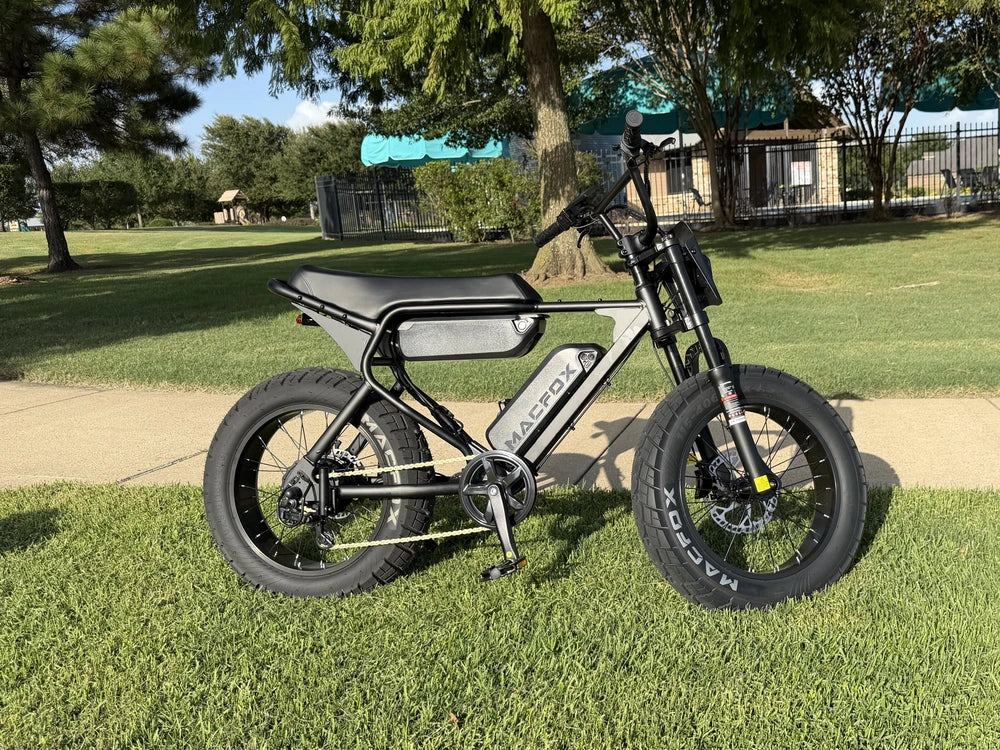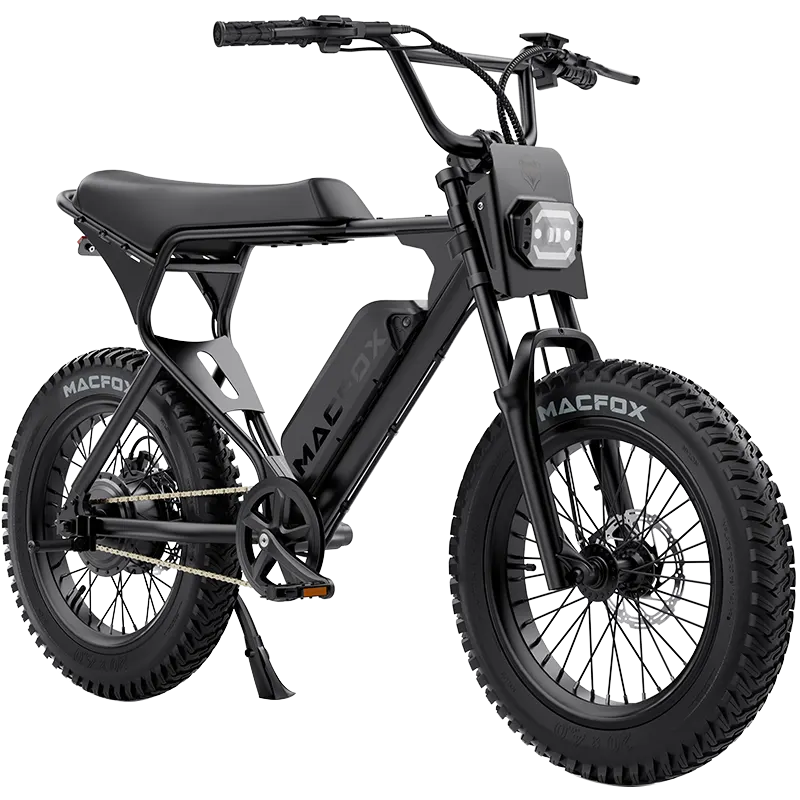

A 750-watt electric bike can assist up to 20 or 28 mph under the common U.S. three-class system, depending on the model, class, and controller settings—not a watts-to-speed conversion. The assistance cutoff is different from road speed reached by pedaling or coasting downhill. Let’s break down the numbers, the factors affecting speed, and what you need to know before riding.
The Motor’s Role: Why Wattage Matters
The motor helps with acceleration and climbing, but wattage alone does not set top speed. A 750W label may refer to rated (nominal) power or peak power; those figures are not interchangeable. Battery and controller limits, gearing, tires, and terrain also affect performance. Here’s why:
-
Assistance Cutoff: Under the common U.S. three-class system, Class 1 and Class 2 assistance stops at 20 mph, while Class 3 pedal assistance stops at 28 mph. These are assistance limits, not speeds calculated from 750W.
-
Torque Matters: Torque (measured in Newton-meters/Nm) affects acceleration and hill-climbing ability. The result also depends on gearing, total load, and the slope; a 750W rating does not specify a motor’s torque.
-
Efficiency: Motor efficiency varies with speed and load. On a sustained climb, heat and the system’s thermal limits can affect how much assistance remains available.
Key Insight: Higher wattage doesn’t always mean linear speed gains. More power can help under load without increasing the bike’s configured motor-assistance cutoff.
Recommended Reading: Deciding Between 750W and 1000W Ebikes
Real-World Speed: Factors That Matter

Your actual speed depends on the bike’s assistance cutoff and the riding conditions:
|
Factor |
Speed Impact |
Example |
|
Terrain |
Steeper or longer climbs can reduce speed. |
Allow extra time for a hilly route rather than planning around the bike’s top speed. |
|
Rider Weight |
More total load can increase the effort needed to accelerate and climb. |
A loaded commute may require more pedal effort or assistance than the same route without bags. |
|
Tire Type |
Tread, pressure, tire construction, and surface affect rolling resistance. |
Use the recommended tire-pressure range and judge the tire on your route, not its width alone. |
|
Battery Voltage |
Voltage alone does not determine speed or acceleration. |
Use a manufacturer-approved battery compatible with the bike’s original system—not a higher-voltage substitute to chase speed. |
Beginner-Friendly? Yes – Here’s Why
Despite their power, 750W ebikes suit newcomers through:
-
Adjustable Assist Levels: Mode 1 varies by bike and may change motor help rather than impose a fixed speed cap; start with a low setting and learn its response.
-
Throttle Control: Optional twist throttles let beginners ease into acceleration.
-
Gear Systems: On a multi-speed bike, an easier gear can help you keep pedaling smoothly uphill. Some e-bikes are single-speed, so not every 750W model has mechanical gears to shift.
Pro Tip: Start with pedal-assist mode to extend battery life and build confidence gradually.
Legal Landscape

Motor power and class both matter for legality, and access rules depend on where you ride. These are the common U.S. three-class definitions:
|
Class |
Power Source |
Motor Assistance Cutoff |
Route Access |
|
1 |
Pedal-assist only |
20 mph |
Check local road, path, and trail rules. |
|
2 |
Throttle allowed |
20 mph |
Check local access rules, including any throttle-use restrictions. |
|
3 |
Pedal-assist only |
28 mph |
May be restricted on some routes; check local access rules. |
Before riding, verify local rules for permitted classes, motor-power limits, and the specific road or trail. A class label does not grant access everywhere.
Key Features to Look For
When choosing a 750W ebike, prioritize:
-
Mid-Drive Motors: Compare mid-drive vs. hub motors with the bike’s gearing, total load, and your route in mind.
-
Hydraulic Disc Brakes: Consider lever control and maintenance needs. Stopping distance depends on speed, surface grip, total load, and brake condition, not the brake type alone.
-
IP Ratings: Water resistance has limits. Follow the bike’s wet-weather instructions; a component’s IP rating is not a guarantee that the entire bike is protected in heavy rain.
-
Removable Batteries: A compatible spare can extend a trip, but range depends on capacity, terrain, load, and assist use. Plan a reserve rather than assuming a fixed distance per charge or exactly double the range.
Myths Debunked
-
❌ “Higher Wattage = Illegal”: A wattage label alone does not settle legality. The bike must meet the applicable motor-power and class definitions as well as local access rules.
-
❌ “Throttle Mode is Faster”: Pedal assist and throttle both remain subject to the model’s settings and assistance cutoffs. Combining them does not bypass those limits.
-
❌ “All 750W Bikes Feel the Same”: Two bikes with the same wattage label can differ in torque, gearing, controller response, and performance under load.
How Fast Do Macfox Ebikes Go?

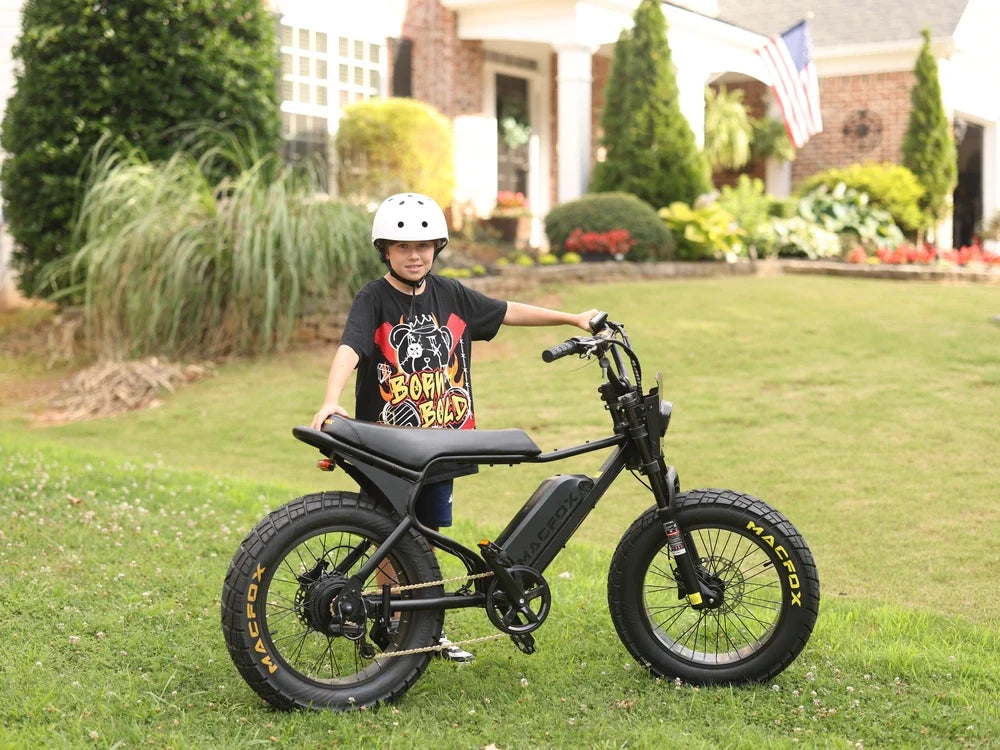
The Macfox X1S and Macfox X2 Pro both have a top assisted speed of 20 mph. The X1S has a 500W rated motor with 750W peak output; the X2 Pro has a 750W rated motor with 1000W peak output. A shared speed cutoff does not mean the motors have the same power rating.
Learn how brushless motors work. For commuting, compare how the complete bike fits your route and riding needs rather than expecting a higher top speed from a larger motor rating.
Conclusion
A 750-watt electric bike can be a practical choice for commuting and hills, but match the bike to your route rather than treating watts as a speed promise. Compare rated and peak power, the assistance cutoff, brakes, and battery capacity. Choose manageable controls and follow the rules for the places you ride.
FAQs
How fast does a 750W ebike go?
Under the common U.S. three-class system, assistance cuts off at 20 mph for Class 1 and Class 2, or 28 mph for Class 3 pedal assist. Actual riding speed depends on the bike and conditions, not 750W alone.
Are 750W ebikes legal?
It depends on the local motor-power definition, the bike’s class, and where you ride. A 750W label alone is not proof that a bike is legal on a particular road or trail.
Is a 750W motor too strong for beginners?
Not necessarily. Suitability depends on fit, control, and how the assistance engages. Start with a low setting, and do not assume the first mode has the same speed limit on every bike.