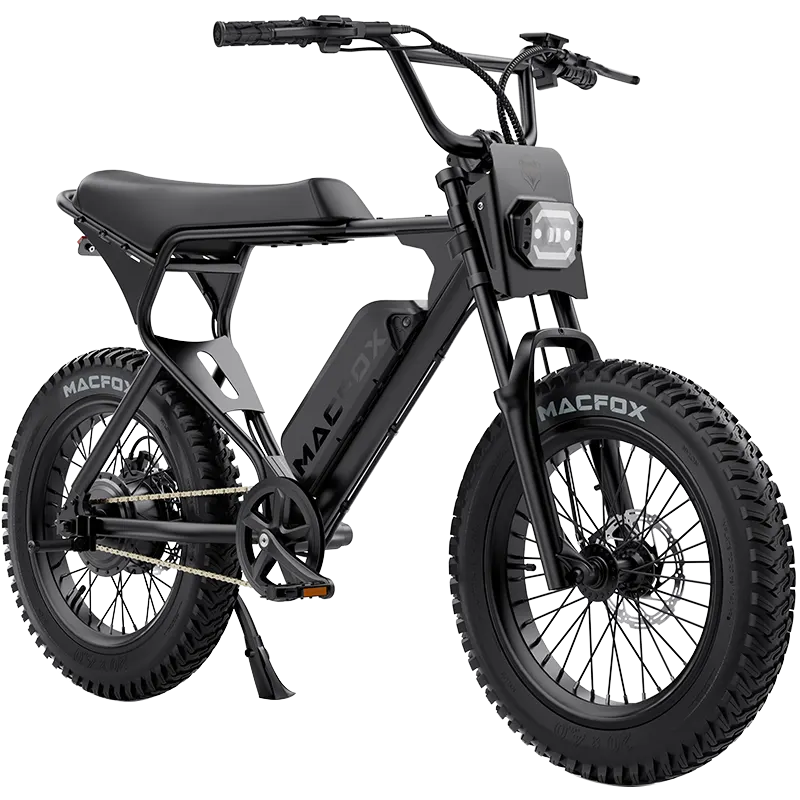

If you do not have the original e-bike charger, the safest answer is not to improvise with the nearest power adapter. Use the correct replacement charger or a compatible smart charger only after you confirm voltage, current, connector type, polarity, battery chemistry, and BMS compatibility.
A lithium e-bike battery is not like a phone or a small flashlight battery. The wrong charger can overheat the pack, damage the BMS, shorten battery life, or create a fire risk. If the battery is swollen, hot, wet, cracked, smells unusual, or was involved in a crash, stop and have it inspected before charging.
Quick Answer: What Can You Use Instead?
| Option | Use it? | Safety note |
|---|---|---|
| Correct OEM or replacement charger | Best choice | Match the battery and bike model before ordering. |
| Compatible smart or universal charger | Only if all specs match | Voltage, current, connector, polarity, and battery chemistry must be correct. |
| Portable power station plus the correct charger | Usually reasonable | The power station supplies AC power; the charger still controls battery charging. |
| Public outlet or public charging point plus the correct charger | Reasonable | Stay with the bike and avoid damaged outlets or wet areas. |
| Solar generator plus the correct charger | Possible but slower | Use stable AC output and enough wattage for the charger. |
| Car battery, jump starter, computer power supply, or bare DC source | Not for ordinary riders | Direct DC charging can bypass safety controls or supply unstable power. |
| USB, phone power bank, hand crank, wind turbine, or bike dynamo | Not realistic | These are not practical full-charge solutions for most e-bike batteries. |
The pattern is simple: emergency power sources can be useful only when they feed the correct charger. The charger is what manages the battery's charging profile. A random power source connected directly to the battery is the risky part.
Check These Specs Before Using Any Replacement Charger
- Battery voltage: a charger for a different voltage battery is not interchangeable.
- Charger output current: higher current is not automatically better; follow the battery maker's allowed range.
- Connector type: the plug must fit correctly without forcing, filing, bending, or taping.
- Polarity: the positive and negative pins must match the battery port.
- Battery chemistry: do not mix chargers built for different battery chemistries.
- BMS compatibility: the battery management system must be able to control the charge safely.
If those details are unclear, do not guess. Start with the e-bike charger types guide, then confirm the exact charger required for your bike or battery. For Macfox owners, the e-bike batteries and charging accessories page is a safer path than trying to adapt an unknown charger.
Why a Matching Plug Is Not Enough
Many charging mistakes happen because the plug appears to fit. A barrel connector, round aviation-style connector, or similar-looking adapter can still be wired differently inside. The battery may accept the plug physically while receiving the wrong polarity, wrong voltage, or unstable current.
Voltage is the first check, but it is not the only check. Current limit, charge profile, cutoff behavior, heat control, connector quality, and battery chemistry all matter. A charger that is too aggressive can stress the pack, while a charger that is too weak, unstable, or poorly regulated can fail to charge properly or create repeated fault behavior.
If the replacement charger came with interchangeable tips, mark the correct tip and store the unused tips away from the bike. That simple step prevents someone else from grabbing the wrong adapter later. If the charger settings are adjustable, check them before every charge until you are certain they cannot be changed accidentally.
If the Charger Is Lost, Damaged, or Left at Home
First, separate a missing charger problem from a battery problem. If the battery was charging normally yesterday and the charger is simply missing, replace the charger. If the charger is present but the battery will not accept charge, the issue may be the charger, charge port, fuse, BMS, wiring, or the battery itself.
Do not buy the cheapest charger only because the plug shape looks right. Two chargers can share a connector while using different voltage, current, or polarity. A plug that fits is only one requirement, not proof of compatibility.
Once you have the correct charger again, follow normal charging practice from the safe e-bike charging guide. That page covers everyday placement, timing, supervision, and battery-care habits; this page is only about the no-original-charger situation.
Emergency Options That Make Sense
A portable power station can help if you still have the correct charger. In that setup, the battery charger plugs into the power station just as it would plug into a wall outlet. Check that the power station can supply enough continuous wattage for the charger and that the outlet is not overloaded.
A public outlet or charging location can also work when you have the correct charger with you. If your real question is where to find a place to charge, use the e-bike charging station map guide instead of treating this article as a location guide.
A solar generator can be useful for camping, storage sheds, or off-grid trips, but it should still provide stable AC power to the correct charger. A bare solar panel wired directly into an e-bike battery is not the same thing and is not a safe shortcut for ordinary riders.
Universal Chargers: When They Are Safe Enough
A universal or adjustable charger is only as safe as the setup. It must be set to the correct battery voltage, current limit, connector, and polarity, and it must support the battery chemistry. If the charger has multiple adapters, label the correct one and do not switch adapters by feel in a hurry.
Before the first use, inspect the charge port and plug. Loose fit, sparking, heat, buzzing, or a melted smell means you should stop. During the first charge, keep the battery on a nonflammable surface, away from soft furniture, direct sun, water, and exits you need to keep clear.
Methods Ordinary Riders Should Avoid
- Direct car battery charging: a 12V car battery is not an e-bike charger and should not be connected directly to the pack.
- Emergency jump starters: they are designed for vehicle starting support, not controlled lithium e-bike charging.
- Computer power supplies: they require electrical knowledge, correct regulation, and safe wiring before they are even considered.
- DIY charging circuits: small wiring errors can damage the battery or create heat at the port.
- USB or laptop chargers: only use USB-C charging if the e-bike battery system explicitly supports it.
- Pedal generators, dynamos, hand cranks, and wind turbines: these may power small devices, but they are not realistic full-charge solutions for most e-bike packs.
Self-charging claims are often misunderstood. If you are wondering whether an e-bike can refill itself while you pedal, use the pedal-charging explanation. It is a different topic from safely replacing a missing charger.
When to Stop and Get Help
Stop the charging attempt if the charger or battery becomes unusually hot, the connector moves loosely in the port, the port sparks repeatedly, the battery case changes shape, or the charger indicator behaves differently from normal. A one-time failed charge can be a charger issue; repeated strange behavior points to a deeper electrical problem.
Also stop if the bike was exposed to heavy rain, flooding, a crash, or a hard impact before the charging problem started. Charging a damaged lithium battery can make the damage worse. Let the battery dry only if the manufacturer allows it, keep it away from indoor living areas if it seems unstable, and ask the brand or a qualified technician to inspect it before charging again.
If you are buying a used e-bike and it arrives without a charger, do not assume the missing charger is the only issue. Confirm ownership, inspect the battery label, check the charge port, and ask why the charger is missing. A no-charger sale can be harmless, but it can also hide a battery, BMS, or stolen-bike problem.
Watch the Battery During the First Charge
Even with a correct replacement charger, watch the first charging session closely. The charger should not become extremely hot, the battery should not swell or smell, and the connector should not spark repeatedly or loosen during charging. Stop immediately if anything feels abnormal.
Do not leave a questionable battery charging overnight. If the battery reaches full charge but keeps behaving strangely, compare the symptoms with these overcharging warning signs. Persistent heat, swelling, repeated shutdowns, or charger cycling are reasons to stop charging and ask for service help.
Macfox Owner Checklist
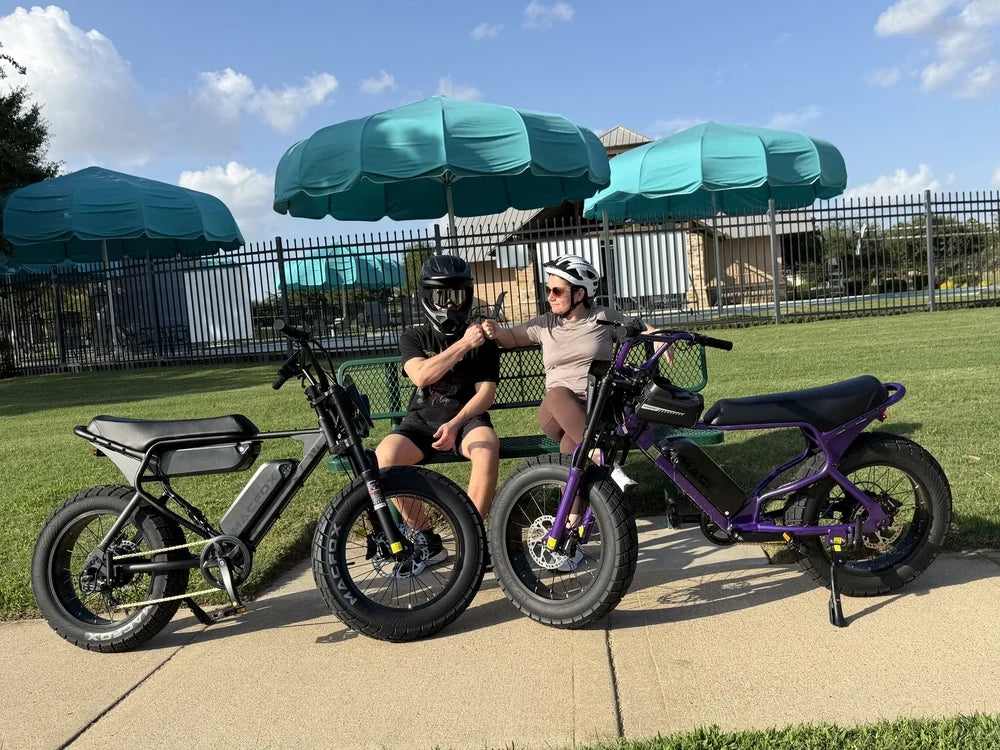
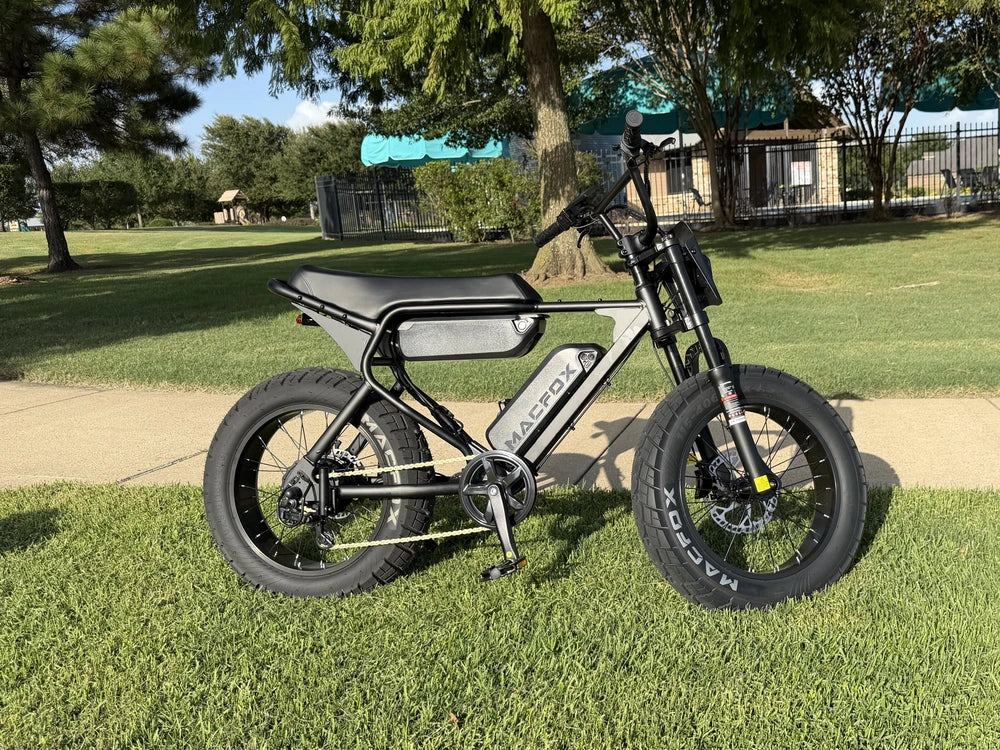
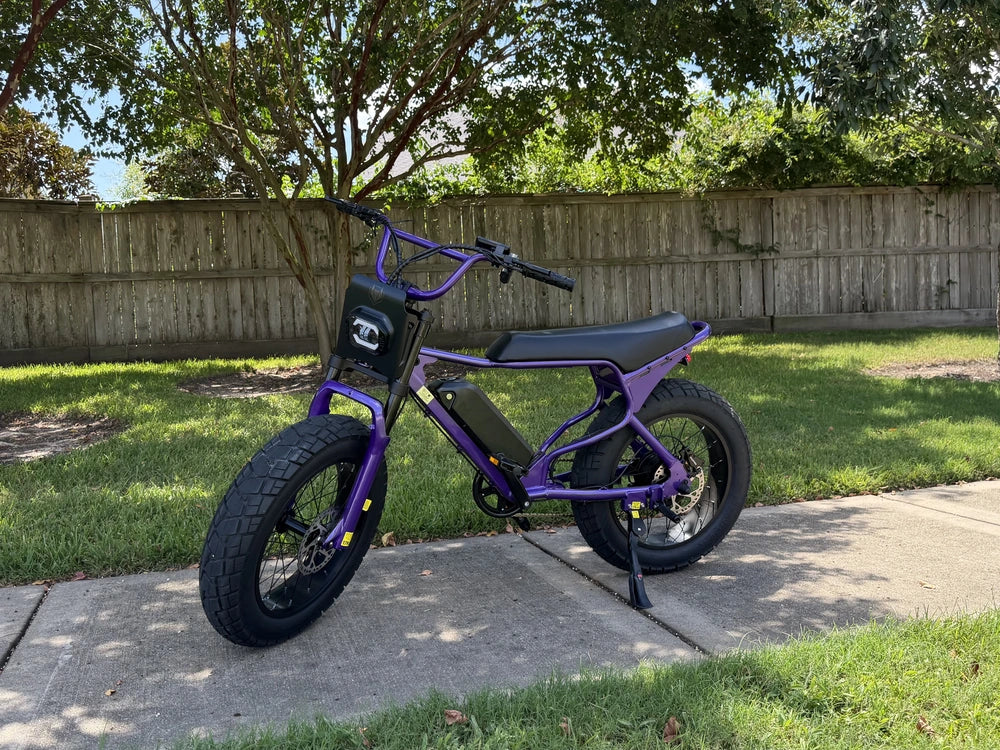
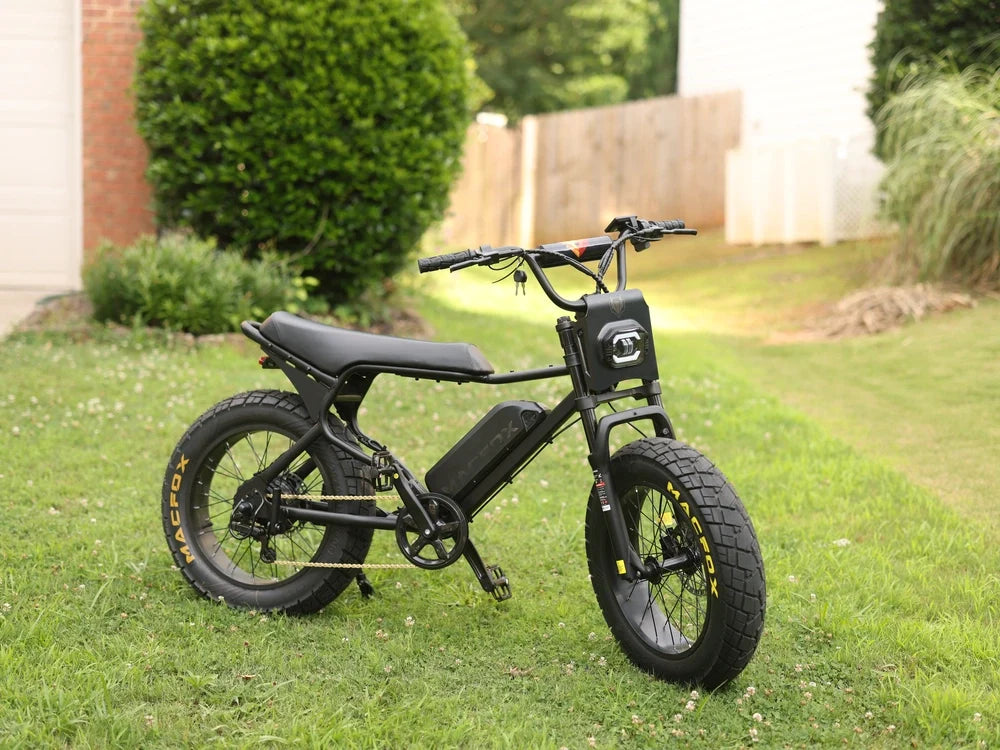
For Macfox electric bikes, treat charger compatibility as a model-specific detail. Check your product page, order information, battery label, and support documentation before replacing a charger. If you cannot confirm the correct charger, contact support rather than adapting another brand's charger by plug shape alone.
- Keep a photo of the charger label. It helps you reorder the correct output specification.
- Store the charger dry and ventilated. Heat and moisture shorten charger life.
- Inspect the port before charging. Dirt, bent pins, or moisture can create poor contact.
- Do not force a connector. A plug that almost fits is still the wrong plug.
- Use the right charging routine after replacement. The emergency fix should not become a permanent habit.
FAQ
Can I charge an e-bike battery with a universal charger?
Yes, but only if the universal charger can be set to the correct voltage and current and uses the correct connector, polarity, and battery chemistry. If you cannot verify those details, do not use it.
Can I charge an e-bike with a car battery?
Do not connect a car battery directly to an e-bike battery. A car battery is not a controlled lithium battery charger. A car inverter may power the correct e-bike charger in some cases, but the correct charger still needs to manage the battery.
Can I charge an e-bike battery with USB-C?
Only if the e-bike battery system explicitly supports USB-C charging. Most full-size e-bike batteries cannot be charged through a normal phone charger or small power bank.
Can a portable power station charge an e-bike?
Yes, if the power station can run the correct e-bike charger. The safer setup is power station to original charger to battery, not power station wired directly to the battery.
What should I do if my charger breaks during a trip?
Stop trying improvised power sources, confirm the battery is not damaged, and find the correct replacement charger or a qualified shop. If you still have the original charger but need an outlet, look for a safe public charging location and stay with the bike.
Bottom Line
Charging an e-bike battery without the original charger is mostly a compatibility and safety problem. The safest route is to replace the charger with the correct one. A portable power station, public outlet, or solar generator can help only when it powers the correct charger. Direct battery-to-battery charging, improvised DC wiring, laptop adapters, USB power banks, and DIY circuits are not safe shortcuts for ordinary riders.