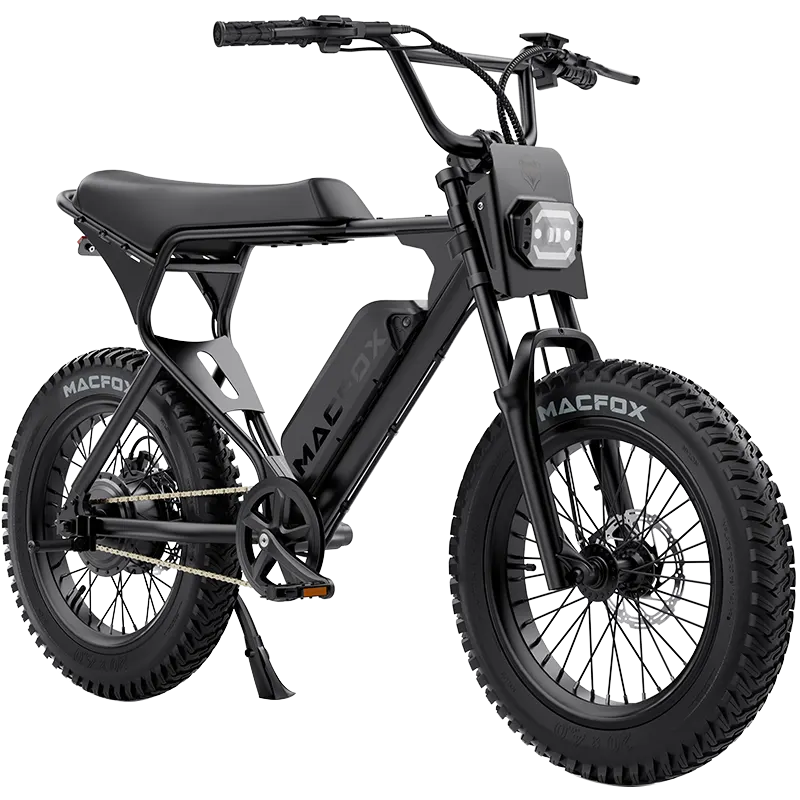

Before budgeting around an e-bike tax credit, separate three questions: is there a federal credit you can claim, is there a state or local rebate you can apply for, and does the bike you want meet the program's rules? In 2026, those answers are not the same.
The practical answer is that there is no current federal consumer purchase credit that riders can safely claim for a new e-bike. Some state and local programs still matter, but they are usually limited by income, residency, application windows, participating retailers, e-bike class, motor power, and battery safety rules. Use this guide as a current decision path, then confirm the official program page before buying.
2026 Federal E-Bike Tax Credit Status
Do not treat the old 30% federal e-bike credit language as an active benefit. A federal e-bike credit proposal appears in H.R. 6900, including language for a credit for certain new electric bicycles, but Congress.gov still shows that bill at the introduced stage, not as enacted law. See the H.R. 6900 text and bill status before relying on any federal credit language.
The IRS clean vehicle credit pages are also not a substitute for an e-bike credit. The IRS page covers clean vehicle credits and says those vehicle credits are not available for vehicles acquired after September 30, 2025. It does not create a separate consumer e-bike purchase credit. For tax filing, use the official IRS clean vehicle tax credit information and a tax professional rather than assuming an e-bike qualifies.
Tax Credit, Rebate, Subsidy, and No-Cost Programs Are Different
| Term | What It Usually Means | What to Check Before Buying |
|---|---|---|
| Tax credit | A tax benefit claimed by a taxpayer or, in some programs, by a qualified retailer. | Who claims it, whether it is enacted law, and whether the bike and buyer meet the rules. |
| Rebate | A discount, certificate, voucher, or reimbursement tied to a specific program. | Application dates, income limits, participating retailers, and whether approval must happen before purchase. |
| Subsidy | A broader support program that may include rebates, vouchers, grants, or local transportation funding. | Use Macfox's e-bike subsidy guide for broader program discovery. |
| No-cost program | A zero-cost or near-zero-cost program, usually income-based, nonprofit-led, employer-based, or local. | This is a separate topic. A rebate is not a free e-bike program, so use the no-cost e-bike program guide instead of treating every rebate as a free-bike offer. |
Programs to Check First in 2026
| Program Area | Current Practical Status | Rider Action |
|---|---|---|
| Federal e-bike purchase credit | Watchlist only. Proposed language exists, but no current federal e-bike purchase credit should be treated as claimable. | Do not buy based on a federal e-bike credit unless Congress passes a law and the IRS publishes instructions. |
| Colorado electric bicycle credit | Retailer-based program. Colorado guidance says the credit runs for qualifying sales in tax years beginning in 2024 through before 2033. For 2026, the listed purchaser discount is $225. | Use a qualified Colorado retailer and confirm the bike is new, 750W or less, class 1/2/3, and independently certified under UL 2849, UL 2271, or EN 15194. See Colorado's electric bicycle credit guidance. |
| Washington WE-Bike rebate | Washington announced a second application round from March 30, 2026, through March 29, 2027, with rebates of $300 or $1,200 depending on income eligibility. | Apply through the state process and buy through participating shops only after confirming your selection and model eligibility. Read WSDOT's 2026 application round notice before applying. |
| Minnesota e-bike rebate | Closed. Minnesota Revenue says all 2025 rebate certificates were allocated and there will not be future application periods. | Do not plan a 2026 purchase around Minnesota's old rebate unless the state creates a new program. See Minnesota Revenue's rebate closure notice. |
| California voucher-style incentives | Availability has changed across application rounds. Do not assume old $2,000 voucher language is open. | Check CARB's California E-Bike Incentive Project page or the program portal before timing a purchase. |
| City, utility, employer, and nonprofit programs | Often smaller and more local, but sometimes easier to use than statewide programs. | Search your city, county, transit agency, electric utility, employer benefits, and local bike nonprofits before buying. |

Eligibility Checks Before You Apply
- Residency: many programs require state, city, county, or utility-service-area residency.
- Income or disability status: larger rebates often prioritize lower-income households or disability access.
- Application timing: some programs require approval before purchase, while others use lottery selection or monthly drawings.
- Retailer rules: many rebates work only through participating retailers, not every online checkout.
- Bike class: eligibility may depend on whether the bike is Class 1, Class 2, or Class 3. Macfox's e-bike class guide explains the class differences.
- Motor and safety requirements: 750W motor limits, working pedals, and battery or electrical safety certification can decide eligibility.
- Receipt and tax paperwork: keep purchase receipts, approval certificates, rebate emails, and tax forms.
Where This Guide Fits With Other Macfox Pages
Use this page when the question is about an e-bike tax credit, rebate, or federal/state incentive status. Use the e-bike subsidies guide when you are comparing subsidy-style programs more broadly. For zero-cost or near-zero-cost access, use the dedicated no-cost program guide instead of folding that topic into a rebate page.
Program eligibility is separate from road legality. Before you ride, check Macfox's state e-bike regulations and confirm your local trail, campus, park, or city rules. If you are shopping after confirming eligibility, compare current electric bikes by class, power, range, and intended use rather than assuming every incentive covers every model.
FAQ
Is there a federal e-bike tax credit in 2026?
No current federal consumer purchase credit should be treated as claimable for a new e-bike in 2026. Federal bill language has been proposed, but proposed language is not the same as an enacted IRS credit.
Can I use the IRS clean vehicle credit for an e-bike?
Do not assume that. IRS clean vehicle credit pages cover eligible vehicles and separate clean-energy credits; they do not create a general consumer e-bike purchase credit. Confirm with official IRS guidance or a tax professional.
Should I buy an e-bike before applying for a rebate?
Usually, no. Many rebate programs require application approval, a certificate, or a participating retailer before purchase. Buying first can make the purchase ineligible.
Are rebates and no-cost programs the same thing?
No. A rebate lowers the price, while a no-cost program tries to cover all or nearly all of the cost. If that is your goal, use a dedicated no-cost program guide instead of a tax-credit page.
What bike specs do rebate programs usually check?
Common checks include class 1/2/3 status, maximum motor power, working pedals, new-bike status, battery or electrical certification, and whether the purchase happens through an approved retailer.
Can state and local rebates be combined?
Sometimes, but only if both programs allow stacking. Read the terms for each program before counting on multiple discounts.