
A tailgate pad may be marketed for bikes and still have limits that rule out a heavy e-bike. Check the per-bike capacity, total pad capacity, frame contact, straps, and vehicle fit as separate conditions. Empty positions do not automatically create more capacity for one bike.
Check the Per-Bike Limit First

Identify the exact pad size and model, then find both its per-bike and total load limits. Compare the lower applicable limit with the bike's transport weight, including every component left installed. Do not divide the total rating by the number of bikes and treat the result as an approved per-bike limit.
If battery removal is permitted by the bike instructions, measure and calculate the actual loading condition after removal. Keep the battery protected inside the vehicle according to its handling guidance.
Write the transport weight beside the chosen pad position. If multiple bikes are carried, add them only after each one independently passes the per-bike limit; unused positions do not lend their allowance to a heavier frame.
Verify the Frame Contact Area
Use the pad diagram to locate where the bike's down tube or approved frame area must sit. Motor housings, wiring, hydraulic lines, suspension parts, and controls should not become the contact point simply because the frame shape is unusual.
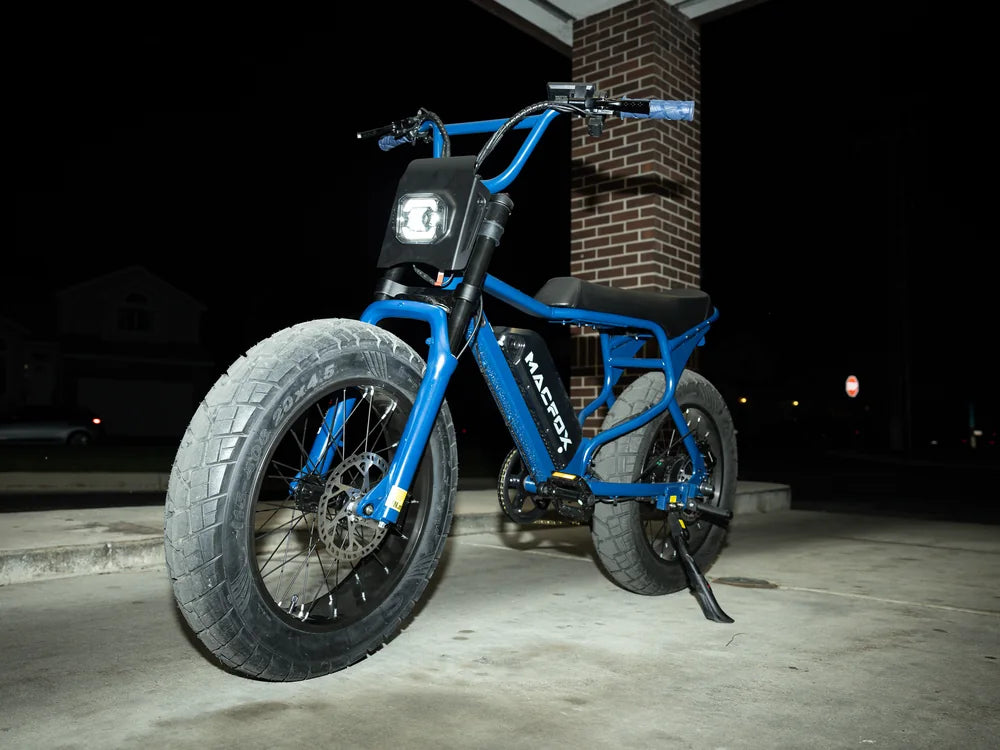
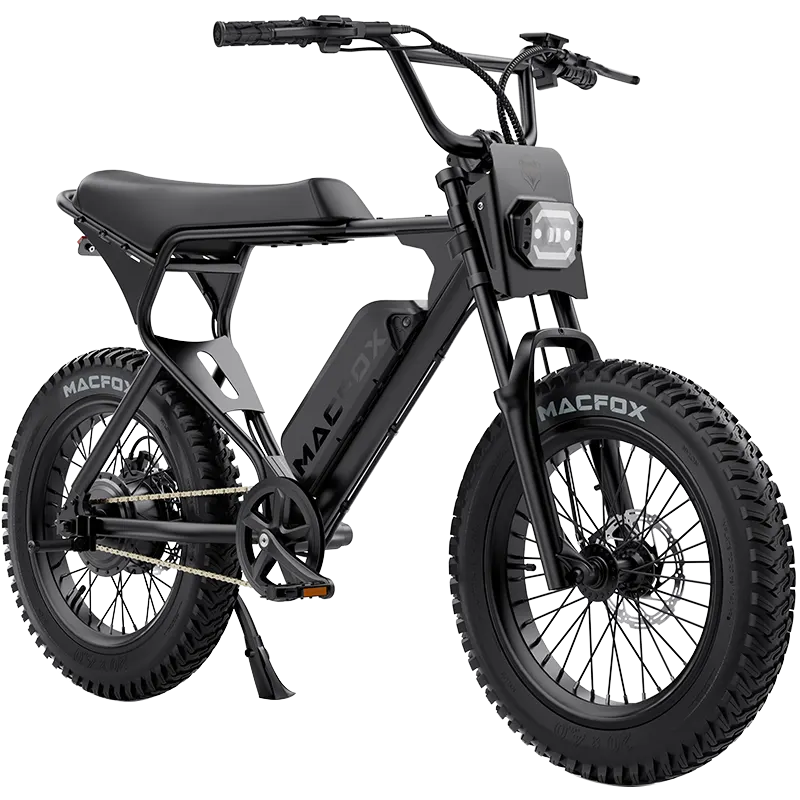
The tube must settle into the intended padded channel without being forced sideways. A marketing photo of an e-bike does not confirm fit for a different frame.
Turn the handlebar through the limited stationary range available and watch the bike's contact with the truck and neighboring bikes. Protecting paint is not enough if a frame member cannot occupy the pad's designed support zone.
Confirm the Original Restraint Reaches Correctly
Route the pad's supplied bike strap exactly as instructed and verify that it closes with proper engagement. Do not replace it with a longer household strap, tie the bike through a cable, or use the neighboring position's restraint to reach an oversized frame.
Check handlebar, pedal, and tire spacing between bikes. No electric bike should depend on contact with another bike to remain upright.
Check the Tailgate and Complete Loading Process
Confirm that the pad fits the truck's tailgate, camera and latch areas, and that the tailgate can close as required. Plan how the bike will be lifted over the tailgate without dropping weight onto the motor, controls, or pad edge.
Use enough people or approved lifting equipment to keep the bike controlled from the ground to its final position. Do not stand in the bed and pull an uncertain load by the handlebar, saddle, cable, or display.
The e-bike vacation planning guide covers the rest of the trip. Use a tailgate pad only when the individual bike limit, total limit, frame contact, original restraint, vehicle fit, and loading process all pass. If one fails, choose a carrier designed for the complete load.