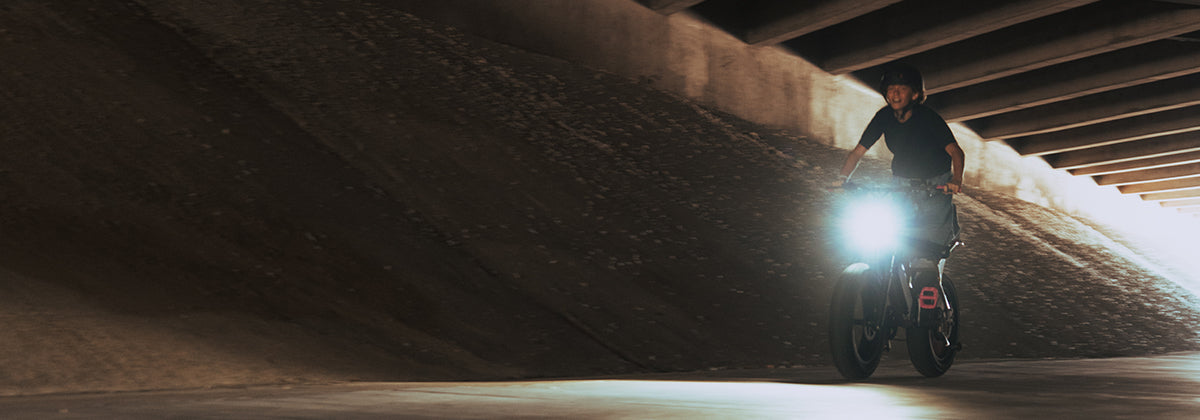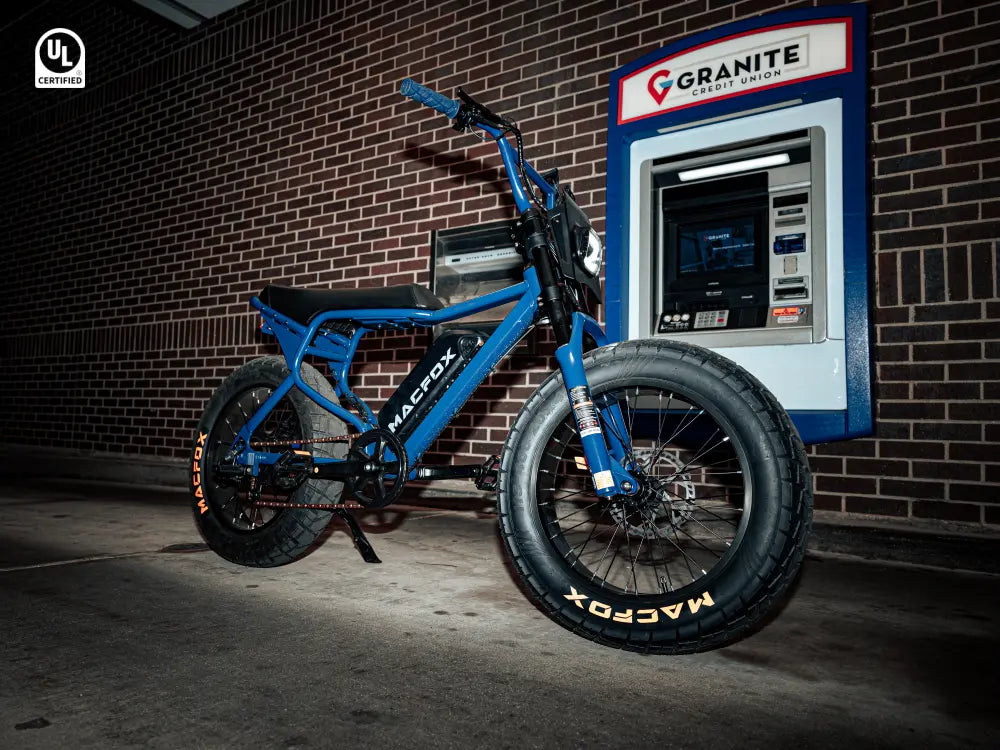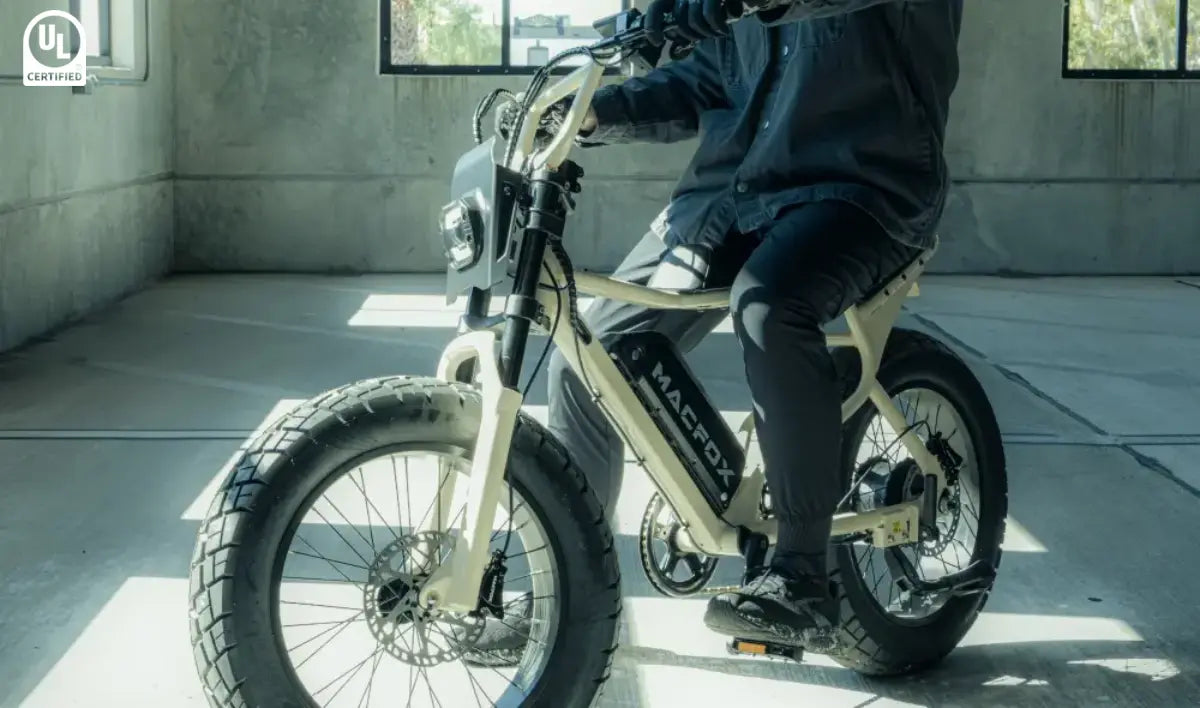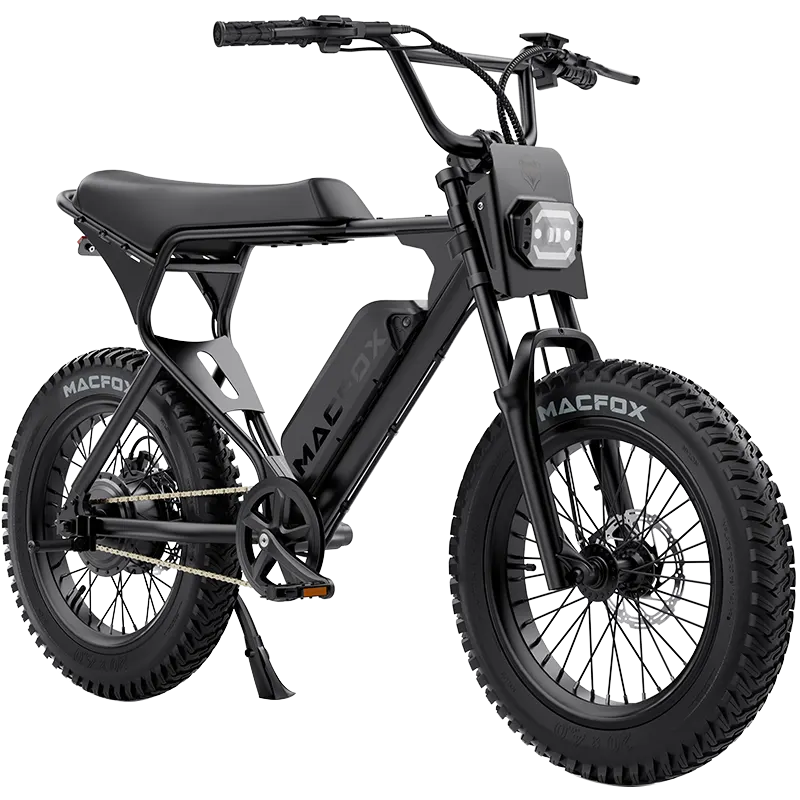

There is no single best dual-battery electric bike for every rider, because the right choice depends on how and where you ride. The Aventon Aventure 3 is better suited to all-terrain use and longer-range riding. The Lectric XP4 makes more sense for riders who value folding convenience and affordability. The Macfox X7 leans more toward bold street styling and fat-tire stability. The Ride1Up Prodigy v2 stands out for its mid-drive ride feel and commuting efficiency. The Specialized Turbo SL is a stronger fit for riders who prioritize lightweight handling and premium refinement. And the Macfox X1S is especially well suited to urban commuting, campus riding, and everyday transportation.
That is why a worthwhile dual-battery e-bike is not just about adding a second battery. What really matters is whether that extra battery makes the bike more practical in the kinds of riding it is actually built for. Below, we take a closer look at how dual-battery systems work, what makes one worth buying, and six models that deserve a closer look.
How Dual-Battery E-Bikes Work

At the most basic level, a dual-battery e-bike uses two separate batteries, each working with the bike’s battery management and electrical system to increase total usable energy. In real-world use, one common setup is for the bike to draw power from the main battery first, then switch to the second battery as the first one runs down. The goal is usually not to dramatically increase peak power, but to extend usable range in a more practical way.
Because of that, the real value of a dual-battery system is not simply having two batteries. It comes down to whether power delivery stays stable, whether the voltage platform is properly matched, whether the protection logic is reliable, and whether the extra battery meaningfully expands real-world riding range without creating unnecessary tradeoffs.
In this article, “dual-battery e-bikes” includes not only bikes with a dedicated two-battery setup, but also models with an OEM spare battery, a factory-supported dual-battery upgrade, or an official range extender that meaningfully increases usable range.
What to Look for in the Best Dual-Battery E-Bike
A good dual-battery e-bike is not just a bike with one more battery attached. The better question is whether the bike can actually use both batteries efficiently and reliably. More useful criteria include whether the transition between the main and secondary battery is smooth, whether both batteries use a compatible voltage platform, whether each battery has enough real capacity to matter, and whether the second battery is easy to buy, remove, replace, and support over time.
As a general rule, around 500Wh per battery is already practical for daily commuting. For fat-tire e-bikes, heavier bikes, cargo use, or longer-distance riding, 600Wh to 750Wh per battery is usually a better fit. Once total usable capacity goes beyond 1,000Wh, a dual-battery setup starts to offer more meaningful real-world advantages.
Beyond battery size, the best dual-battery models should also have solid BMS protection logic, a clearly supported OEM compatibility path, and a design that does not seriously compromise weight distribution or handling just to fit a second battery.
6 Dual-Battery E-Bikes Worth Considering
Aventon Aventure 3
The Aventure 3 is best viewed as an all-terrain, longer-range option. It comes with a 750W motor, a 733Wh removable battery, and up to 65 miles of claimed range. Aventon also offers a compatible extra battery. What makes it appealing is the combination of a 750W drive system, 4-inch fat tires, and a second-battery expansion path that makes sense for suburban commuting, gravel paths, and longer weekend rides.
Current price: $1,999
Lectric XP4
The XP4 is a strong choice for riders who want value and compact storage. The long-range version comes with a 48V 17.5Ah / 840Wh battery, a 750W motor, and up to 85 miles of claimed range. A spare battery is also a simple way to extend ride distance. Its appeal is not just that it folds, but that it offers unusually strong battery capacity for a folding e-bike. That makes it especially attractive for apartment dwellers, RV users, and anyone who needs a bike that is easier to carry or store.
Current price: $1,299
Macfox X7
Ride1Up Prodigy v2
The Prodigy v2 stands out for its more refined ride feel. It uses a Brose TF Sprinter mid-drive motor with 90Nm of torque and a 504Wh battery, with an official range estimate of 30 to 50 miles. There is also an OEM 36V 14Ah backup battery option. What separates it from many of the other bikes here is not bold styling, but the more natural assist delivery, better drivetrain efficiency, and more polished commuting experience that come with a quality mid-drive system.
Current price: $1,895
Specialized Turbo SL
Ride time can vary widely on dual-battery systems. Low assist, steady cadence, efficient tires, and smoother terrain can stretch a ride much longer than high-assist riding with heavy loads or hills.
Current price: $6,399.99
Macfox X1S
The X1S is best suited to urban commuting and everyday transportation. It comes with a 500W motor, 750W peak output, a 500Wh battery, and a 20 mph top speed, which aligns with the common Class 2 e-bike speed range. Under standard test conditions, the single-battery setup delivers up to 28 miles of range, while the dual-battery configuration can extend total range to as much as 56 miles.
What makes it appealing is not just the second-battery expansion option, but also how clearly the bike is positioned for daily use. It combines a high-strength carbon steel frame, front suspension, hydraulic disc brakes, 20×4.0-inch tires, an adjustable thumb throttle, an extended comfort saddle, and a backlit LCD display. For U.S. riders looking for a commuter e-bike that balances street-legal usability, everyday comfort, and expandable range, the X1S is a model worth considering.
Current price: $1,399
FAQ
Is a dual-battery e-bike always better than a big single-battery e-bike?
Not necessarily. For many everyday commuters in the U.S., a single battery in the 500Wh to 750Wh range already covers a large share of normal riding needs. A second battery becomes more useful for longer rides, colder weather, hillier routes, cargo use, or situations where charging during the day is not practical.
Does the second battery have to be OEM?
For any dual-battery e-bike, check whether the second battery is an OEM-supported option, whether both packs use the same voltage and connector standard, and whether the controller is designed to manage two packs safely. An OEM-supported second battery usually gives clearer fit, warranty, charging, and mounting expectations than a generic add-on pack.
Does the Turbo SL really count as a dual-battery e-bike?
If you define a dual-battery e-bike strictly as a bike with two interchangeable full-size batteries, then not in the most traditional sense. But if a bike has an official second battery or range extender that meaningfully increases ride range, it still belongs in the comparison.
How much battery capacity is enough for a dual-battery e-bike?
For daily commuting, around 500Wh per battery is already practical. For fat-tire bikes, cargo bikes, or longer-range riding, 600Wh to 750Wh per battery is usually a better fit. Once total usable capacity goes beyond 1,000Wh, a dual-battery setup starts to deliver more meaningful real-world value.