
You can commute without a car if the route, distance, storage, weather plan, and backup option all work together. The best choice is not always the cheapest or fastest one on paper. It is the option you can repeat on normal workdays without turning every trip into a project.
This guide compares walking, public transit, regular bikes, e-bikes, scooters, and bike-plus-transit setups. Use it to build a practical daily commute, then test the route before you depend on it for work, school, errands, or appointments.
Quick Answer: Match the Option to the Trip
| Trip Type | Best Starting Options | What to Check First |
|---|---|---|
| Under 1 mile | Walk, bike, scooter | Sidewalks, lighting, weather, and safe crossings matter more than speed. |
| 1-3 miles | Bike, e-bike, scooter, transit | Storage, hills, road comfort, and arrival condition decide whether it feels easy. |
| 3-8 miles | E-bike, regular bike, transit, bike + transit | A commuter electric bike can make this range realistic when parking and charging are simple. |
| 8+ miles | Transit, e-bike + transit, partial carpool | A backup plan matters because one delay can affect the whole day. |
| Errands after work | E-bike, cargo-friendly bike, transit near stores | Think about locks, bags, hills, and whether you can carry what you buy. |
Compare Cost, Time, and Reliability
A no-car commute should be judged by total weekly effort, not just the cost of one ride. Walking is almost free but slow. Transit can be affordable but schedule-dependent. A regular bike is efficient but exposes you to weather and parking risk. An e-bike costs more upfront, but it can reduce rideshare use, parking fees, short car trips, and the physical strain of longer routes.
| Priority | Likely Fit | Tradeoff |
|---|---|---|
| Lowest cash cost | Walking or regular bike | Only works if the distance and route are realistic. |
| Most predictable timing | Bike or e-bike | You still need safe roads, secure parking, and a weather plan. |
| Least physical effort | Transit or e-bike | Transit depends on schedule; an e-bike depends on charging and storage. |
| Best for mixed errands | E-bike | Add a lock, lights, bags, and a realistic cargo limit. |
| Best budget e-bike path | Start with a budget commuter e-bike guide | Compare the full use case, not only the sticker price. |
Walking
Walking is the simplest car-free commute when the route is short, safe, and well lit. It has no fuel, parking, charging, or maintenance problem. The limits are time, weather, sidewalk quality, and personal schedule. If the walk takes more than 25 to 30 minutes each way, many people eventually look for a faster option or a hybrid plan.
Walking works best when you can leave a small buffer for weather, traffic lights, and errands. It becomes less dependable when the route has missing sidewalks, unsafe crossings, poor lighting, or no comfortable option for carrying work items.
Public Transit
Public transit can be the strongest option when service is frequent and stops are close to both ends of the trip. The hidden issue is first-mile and last-mile friction. A ten-minute walk, missed transfer, or unsafe late-night stop can make a short ride feel unreliable.
Before choosing transit as your main car replacement, test the exact morning and evening route. Check the return trip, weekend service, transfer timing, and what happens if you stay late. If the route only works when everything goes perfectly, it should be paired with another option.
Regular Bike
A regular bike is efficient for flat routes, predictable weather, and riders who do not mind arriving with some effort. It is low-cost compared with car ownership and can be faster than driving in dense areas, especially when parking is difficult.
The practical limits are hills, sweat, distance, cargo, traffic stress, and secure parking. If you are unsure whether your distance is reasonable, use Macfox's bike-to-work distance guide before committing to the routine. If you are deciding between a regular bike and an e-bike, Macfox's electric bike buyer's guide can help separate casual riding from daily transportation needs.
E-Bike

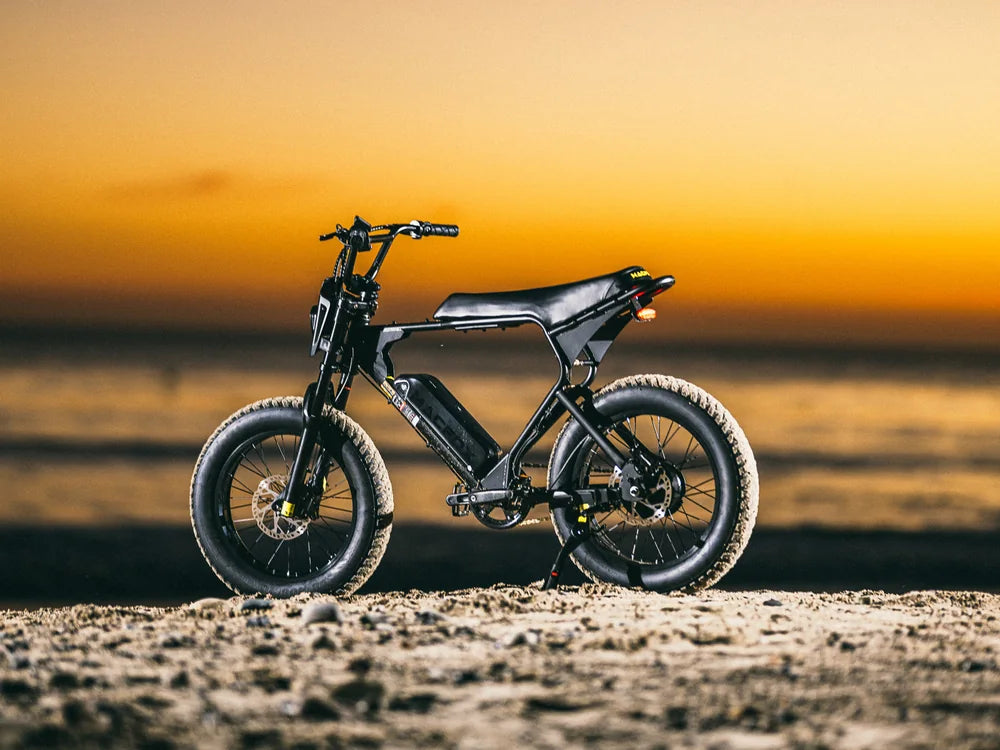
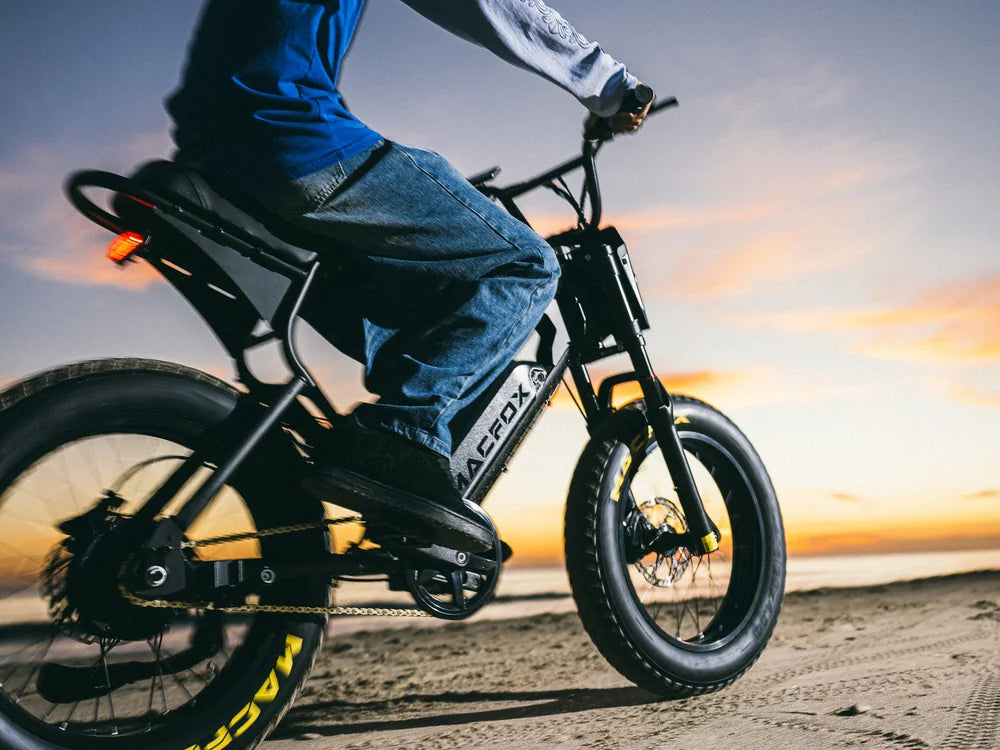
An e-bike is often the strongest no-car option when the route is too far, too hilly, or too tiring for a regular bike but too short to justify driving. It can reduce sweat, widen the practical commute radius, and make errands after work easier.
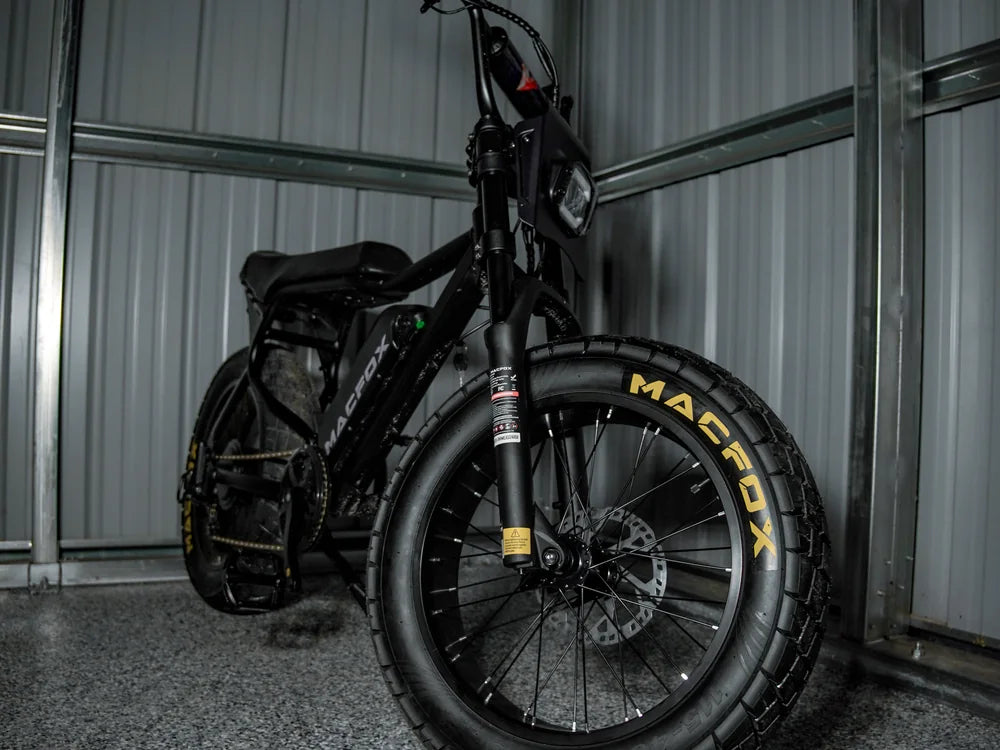
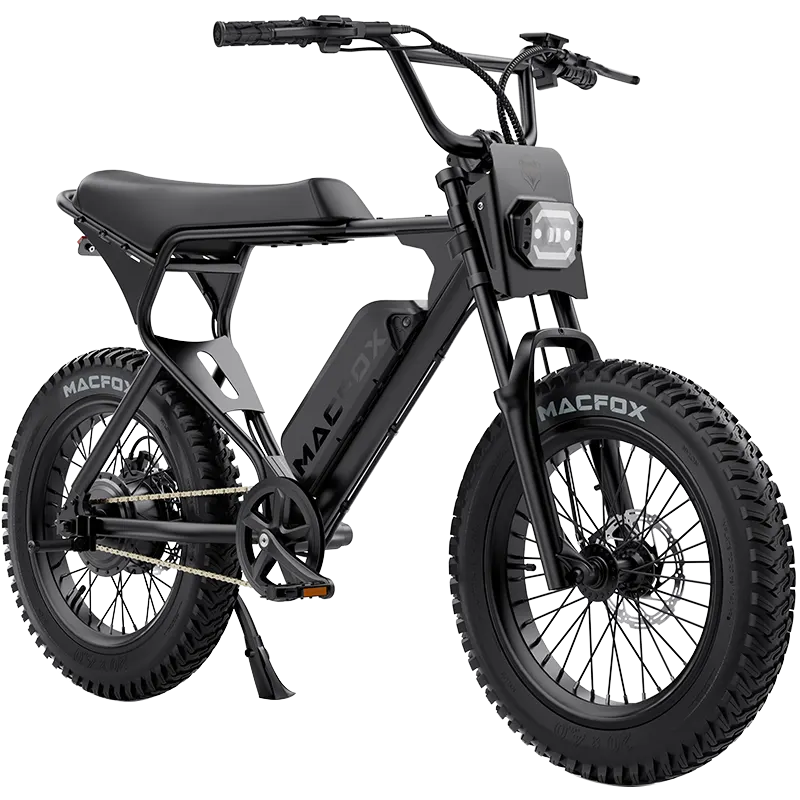
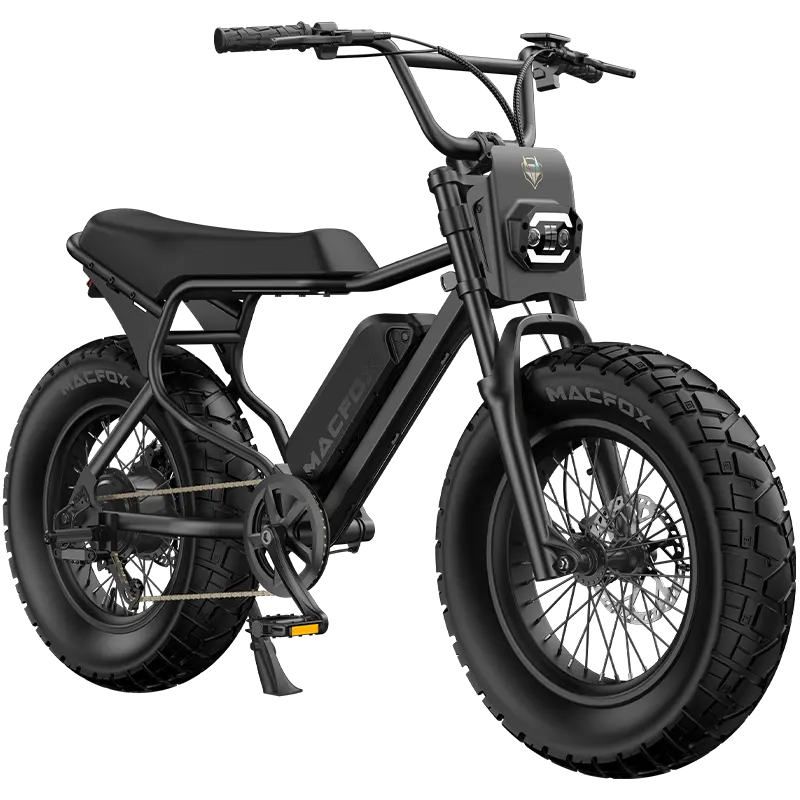
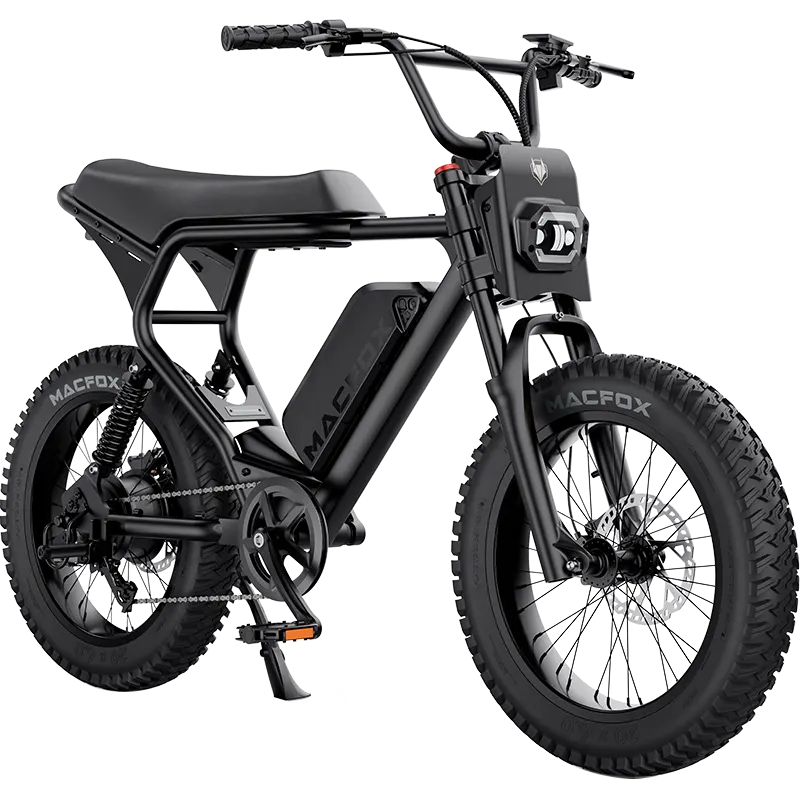
Start with the electric bike category if you are comparing the full range of options. For a dedicated commute setup, the Macfox X1S Commuter E-bike is the most direct match. If your route includes rough pavement, mixed surfaces, or a preference for a wider tire stance, compare the Macfox X7 e-bike after mapping the route.
An e-bike still needs planning. You need secure parking, a charging routine, lights, a lock, and a realistic idea of how much you will carry. The bike solves distance and effort, but it does not remove the need for route judgment.
E-Scooter
A scooter can work for short urban trips, especially when storage space is limited. The tradeoff is smaller wheels, less cargo capacity, and less comfort on rough pavement. A scooter is usually a short-distance tool, not a full replacement for every commute.
Check local rules before relying on a scooter. Some areas limit where scooters can be used, where they can be parked, and whether they are allowed on transit. Also test the route surface. A scooter that feels fine on smooth pavement may feel unstable on potholes, gravel, or wet streets.
Bike + Transit
Combining a bike or e-bike with transit can solve the first-mile problem. It works best when stations have secure parking, elevators are reliable, and your local transit rules allow the setup you plan to use.
Do not assume the train or bus portion is the only thing that matters. A commute can fail because the station bike rack is full, an elevator is out, a transit agency limits bikes during peak hours, or the return trip ends after service becomes infrequent. Test this on a low-pressure day before depending on it for a work deadline.
The Route Test Before You Commit
Do one full practice run before selling yourself on any no-car plan. Check door-to-door time, road speed, crossings, lighting, shoulder space, bike-lane quality, parking, office entry, rain exposure, and where you would stop if something goes wrong.
Then repeat the route at the actual time you would commute. A street can feel different during school drop-off, evening rush hour, rain, or after dark. If the plan still feels manageable after that test, it is much more likely to hold up as a daily routine.
What Usually Breaks a Car-Free Commute
- No secure parking: if the bike cannot be locked safely, the plan fails quickly.
- No weather plan: rain gear, fenders, lights, and backup transit matter more than motivation.
- Overestimating speed: traffic lights and crossings can erase theoretical speed.
- No charging habit: an e-bike commute needs a simple charging routine.
- Ignoring late shifts: a route that feels fine at noon can feel different after dark.
- Carrying too much: groceries, laptops, uniforms, tools, and gym bags change the best option.
Final Recommendation
If the trip is short and safe, walk or use a regular bike. If it is longer, hilly, or connected to errands, an e-bike becomes much more practical. If transit is strong, combine modes. The best car-free commute is the one you can repeat on a normal Tuesday when the weather, schedule, and energy level are not perfect.
For a deeper e-bike commute setup, continue with Macfox's commuter electric bike guide or compare the lived experience in the e-bike vs car commuting test.
FAQ
Can I commute without a car in a suburb?
Yes, but it depends on distance, road safety, parking, and whether errands are clustered near the route. Suburban no-car commuting often works best with an e-bike or bike + transit setup.
What is the cheapest way to commute without a car?
Walking is cheapest if the distance is realistic. For longer daily trips, a regular bike or e-bike may cost more upfront but can reduce repeated rideshare, fuel, parking, or transit costs.
Is an e-bike better than public transit?
Not always. Transit is better on long corridors with frequent service. An e-bike is better when the trip is moderate, parking is available, and door-to-door time matters.
What if I only need to commute without a car a few days a week?
Build the plan around the hardest day, not the easiest one. If your longest day includes bad weather, a late return, or errands, choose a setup that can handle that day and use simpler options when the schedule is light.