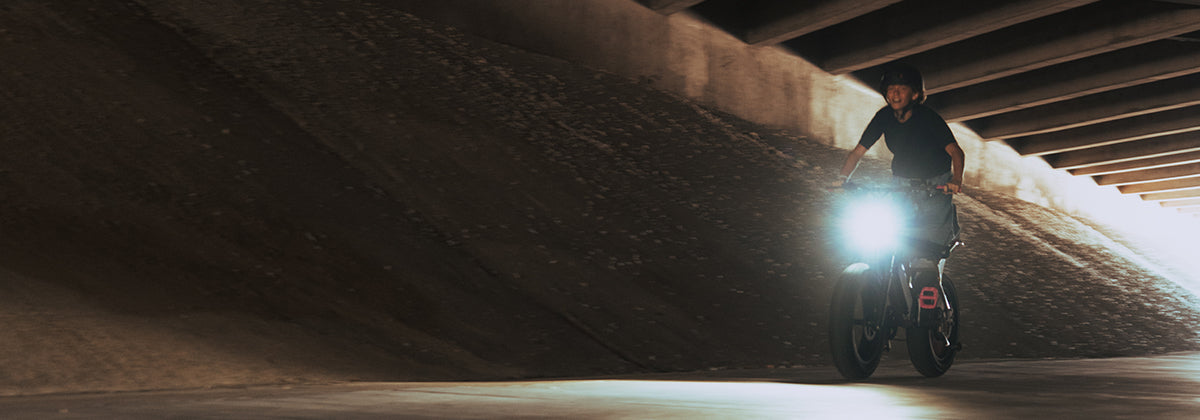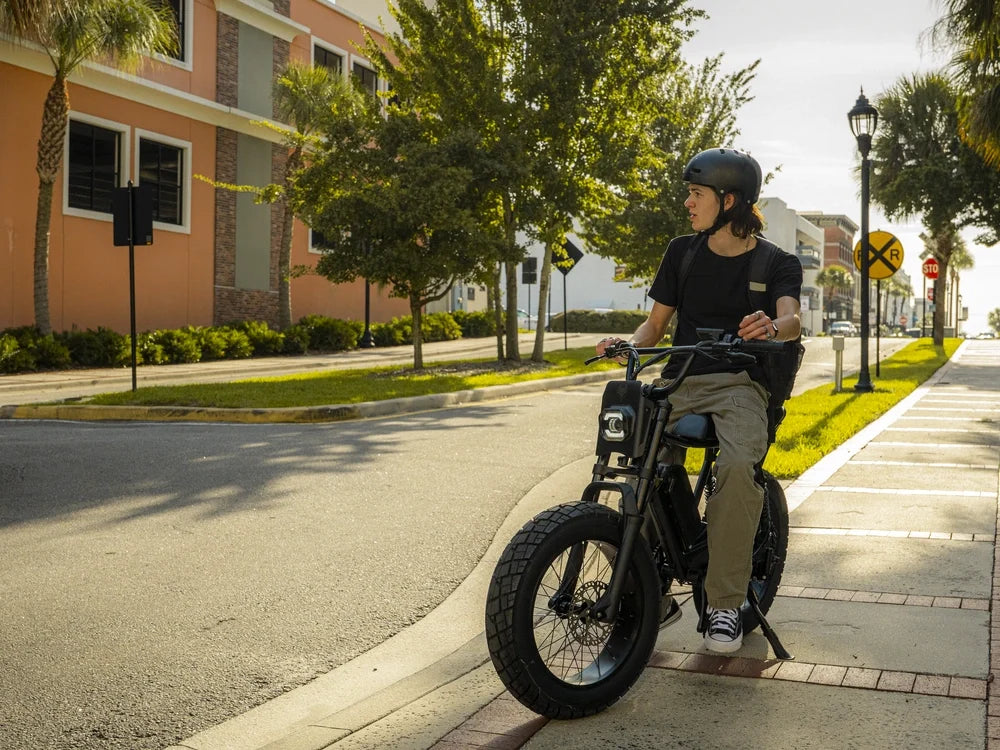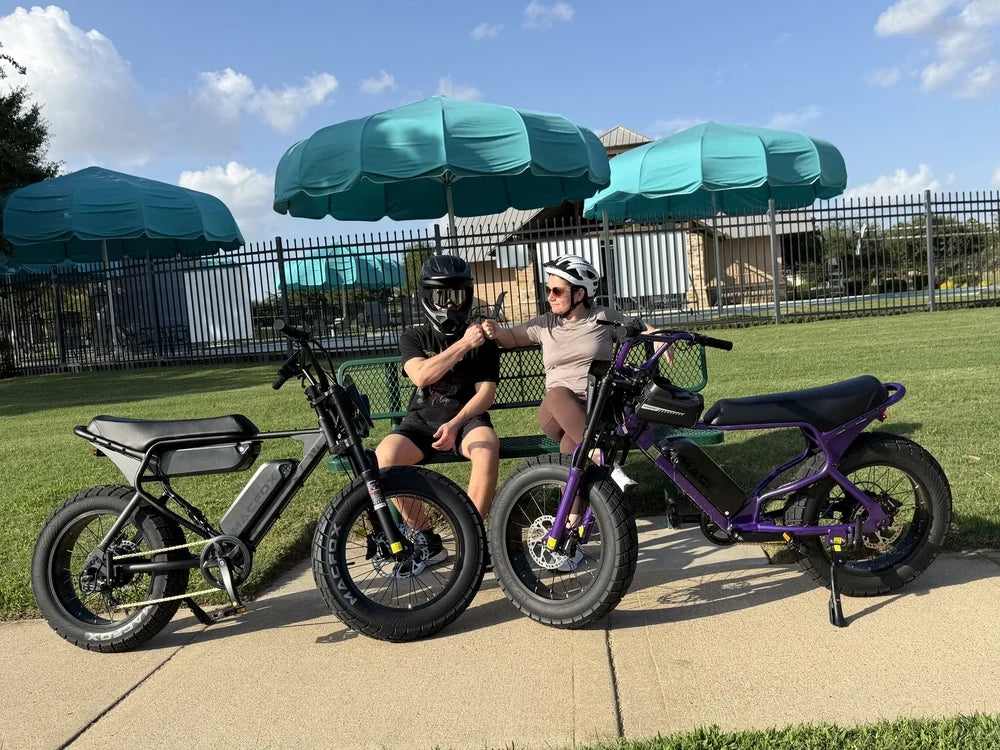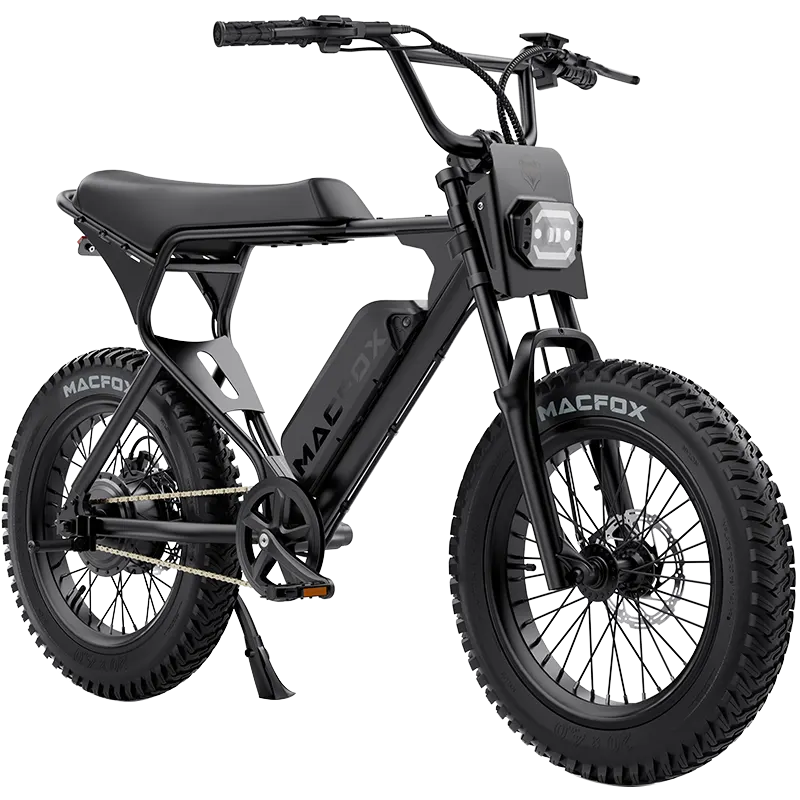

The best winter electric bike is the one that fits the route you actually expect to ride. The Macfox X1S is better suited to maintained city streets and routine commuting, while the Macfox X2 Pro adds wider tires and front-and-rear suspension for rougher trail and street conditions. Neither model makes ice safe: if the surface is glazed, hidden, or cannot be judged clearly, postpone the ride or walk the bike.
Cold weather can reduce usable battery range, while snow, slush, and wet road treatments can change traction and stopping distance. The better winter setup is the one that matches the normal route, tire condition, braking needs, battery reserve, and the rider's ability to manage changing surfaces.
What Matters Most for Winter E-Bike Riding
Start with the surface, not the motor number. A cleared road with visible pavement presents a different problem from compacted snow, deep slush, or a shaded section where ice may be hidden. Wider tires and suspension can make rough surfaces easier to manage, but they do not replace route judgment or careful braking.
| Winter condition | What to check | Better decision |
|---|---|---|
| Cold, dry pavement | Battery reserve, tire pressure, lights, and braking response | Ride conservatively and leave more stopping room |
| Cleared road with light slush | Visible surface, drainage, tire tread, and a straight exit | Slow before the section and avoid sharp braking or turning on it |
| Compacted snow or an untreated route | Depth, ruts, slope, traffic, and whether the surface remains visible | Use another route or postpone the ride if control cannot be judged |
| Ice or a hidden surface | No tire setup can make the outcome predictable | Do not ride across it; stop, walk, or turn back |
Riders comparing winter-ready electric bikes should also plan for shorter usable range in the cold. Published range figures are test-based estimates, not a promise for a winter route.
Macfox X2 Pro for Rougher Winter Routes
The Macfox X2 Pro is the current full-suspension option in this comparison. Its 750W rated motor reaches 1000W peak output, and its current published top speed is 20 mph. The single-battery configuration is listed with up to 40 miles of range, while the dual-battery configuration is listed with up to 80 miles under test conditions.
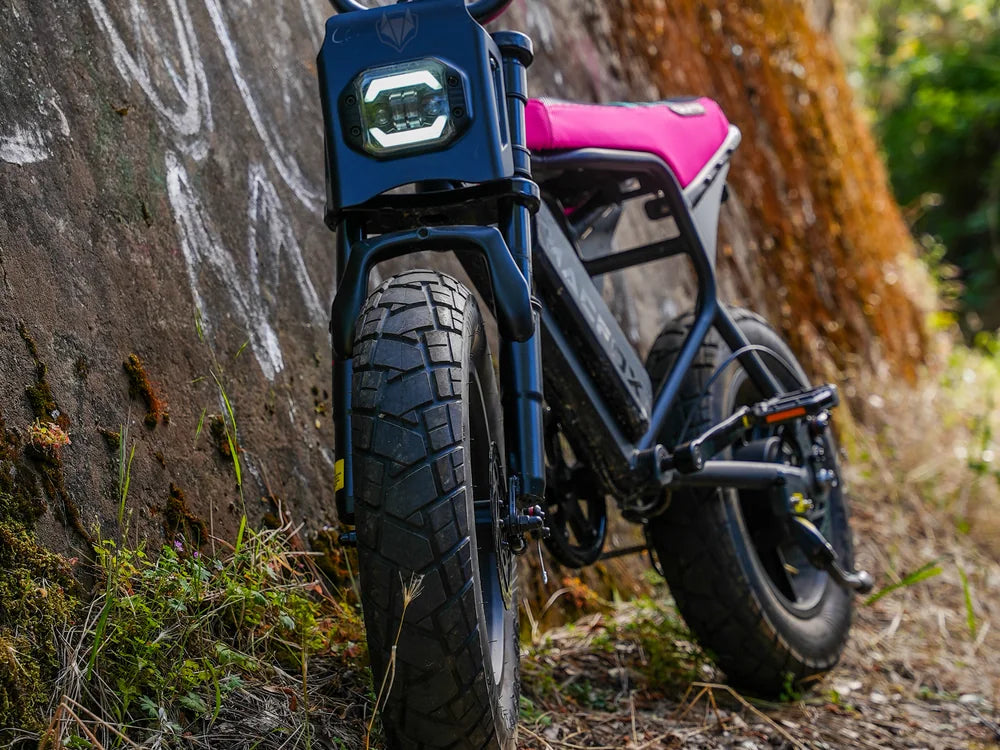
For winter use, the more relevant hardware is the front-and-rear suspension, hydraulic disc brakes, and staggered fat-tire setup: 20 × 4.5 inches at the front and 20 × 5.0 inches at the rear. Those features can better match broken pavement and rough trail or street connectors, but they do not guarantee traction on snow or ice.
Macfox X1S for Maintained City Routes
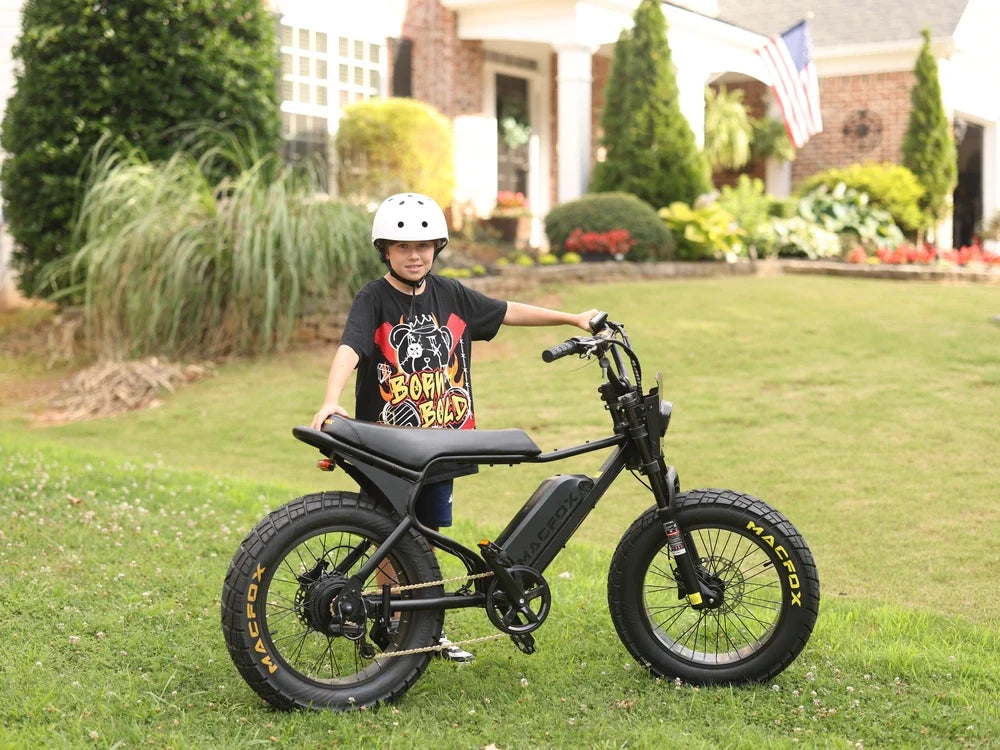
The Macfox X1S is the commuter-focused option for maintained city streets, campus routes, and routine local trips. Its 500W rated motor reaches 750W peak output, and its current published top speed is 20 mph. The single-battery configuration is listed with up to 28 miles of range, while the dual-battery setup is listed with up to 56 miles under test conditions.
The X1S uses 20 × 4.0-inch tires, front suspension, hydraulic disc brakes, and a single-speed drivetrain. It makes more sense when the normal winter route remains cleared and predictable. It should not be presented as the answer for deep snow, untreated trails, or ice.

Macfox X2 Pro vs X1S for Winter Riding
| Feature | Macfox X2 Pro | Macfox X1S |
|---|---|---|
| Best route fit | Rougher trail and street conditions | Maintained city streets and routine commuting |
| Rated / peak motor output | 750W / 1000W | 500W / 750W |
| Published top speed | 20 mph | 20 mph |
| Battery | 48V 20Ah / 960Wh | 48V 10.4Ah / 500Wh |
| Published range | Up to 40 miles single / 80 miles dual | Up to 28 miles single / 56 miles dual |
| Tires | 20 × 4.5-inch front / 20 × 5.0-inch rear | 20 × 4.0 inches |
| Suspension | Front and rear | Front |
| Brakes | Hydraulic disc brakes | Hydraulic disc brakes |
| Drivetrain | Single speed | Single speed |
Availability and configuration details can change, so check the current product page before ordering. Cold temperatures, rider load, terrain, tire pressure, stop-and-go riding, and assist use can reduce real-world range below published test estimates.
How to Choose Between Them
Choose the X1S when the route is mainly maintained pavement and the priority is a straightforward commuter setup. Choose the X2 Pro when rougher recurring surfaces make wider tires and front-and-rear suspension useful. Do not choose either model only because it has the larger motor or battery number.
Before buying, compare the route's steepest section, winter maintenance schedule, secure storage, charging access, rider fit, and the distance needed between reliable charging points. If the route regularly becomes icy or disappears beneath snow, the correct decision may be not to ride that day.
Cold-Weather Battery and Braking Checks
Keep the battery dry, use the approved charger, and follow the model manual for storage and charging temperature. If the battery has been exposed to severe cold, allow it to return to the permitted charging temperature before connecting the charger. Do not guess from the outside of the pack.
Plan more range reserve than you would in mild weather. Cold cells, thicker lubricants, soft surfaces, headwinds, frequent starts, and added winter gear can all increase energy use. A route that is comfortable in autumn may leave less margin in winter.
Check both brakes before entering traffic. Finish most of the speed reduction while the tires are on a predictable surface, keep the bike as upright as possible through a slippery section, and avoid combining abrupt braking with a sharp turn.
Before Every Winter Ride
- Confirm that the route is open, visible, and free of untreated ice.
- Inspect tire tread, damage, and pressure using the tire and bike guidance.
- Test both brakes at low speed before joining traffic.
- Check the battery connection and start with enough reserve for a slower ride.
- Use working lights and reflective gear in low winter visibility.
- Rinse or wipe away road salt and slush, then dry the bike after the ride.
- Stop and reassess if the surface becomes hidden or control feels uncertain.
FAQ
Is the Macfox X2 Pro the better choice for snow?
The X2 Pro has wider tires and front-and-rear suspension, which can better match rougher routes. That does not make snow or ice automatically safe. Route visibility, snow depth, temperature, tire condition, braking space, and rider control still determine whether the ride should happen.
Can the Macfox X1S be used for winter commuting?
Yes, when the commute stays on maintained streets and the surface can be judged clearly. The X1S is not the model to position for deep snow, untreated trails, or icy routes.
Do fat tires prevent sliding on ice?
No. Wider tires can change flotation and stability on some soft surfaces, but they do not create reliable grip on ice. If ice is present or suspected, stop and choose another route or another form of transportation.
Does cold weather reduce e-bike range?
Yes. Cold temperatures and winter surface conditions can reduce usable range. Treat the published range as a test-based estimate and plan an additional reserve for winter riding.
Final Decision
For maintained urban winter routes, start with the X1S. For rougher recurring trail and street conditions, compare the X2 Pro. In both cases, the route and surface decide whether riding is reasonable; the model name and tire width do not override ice, hidden hazards, or poor visibility.