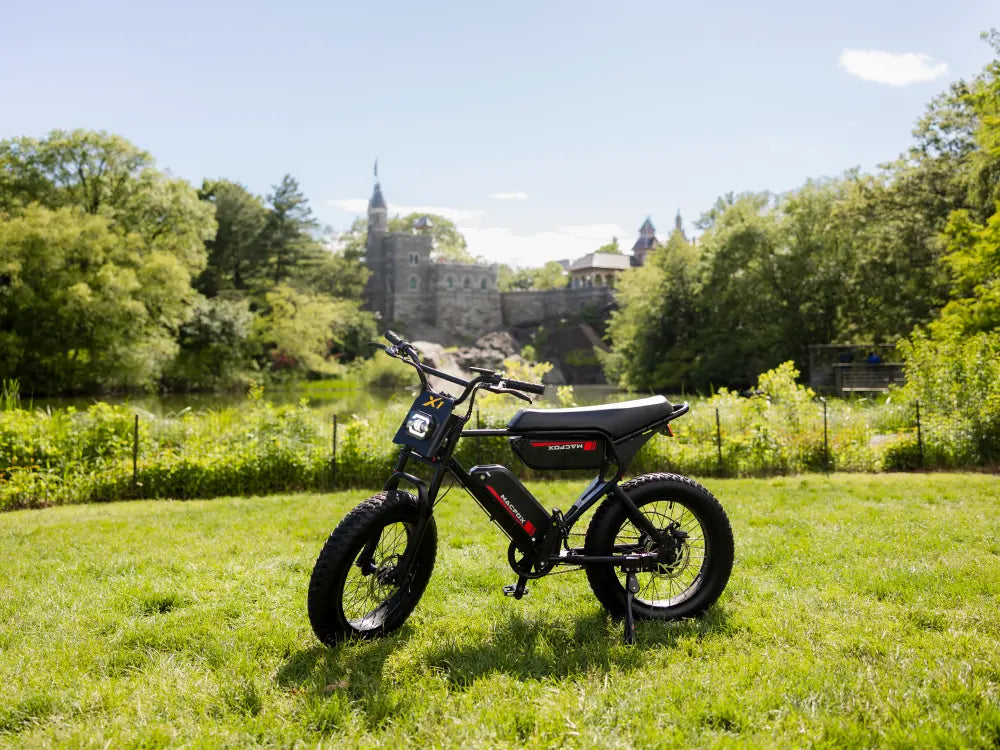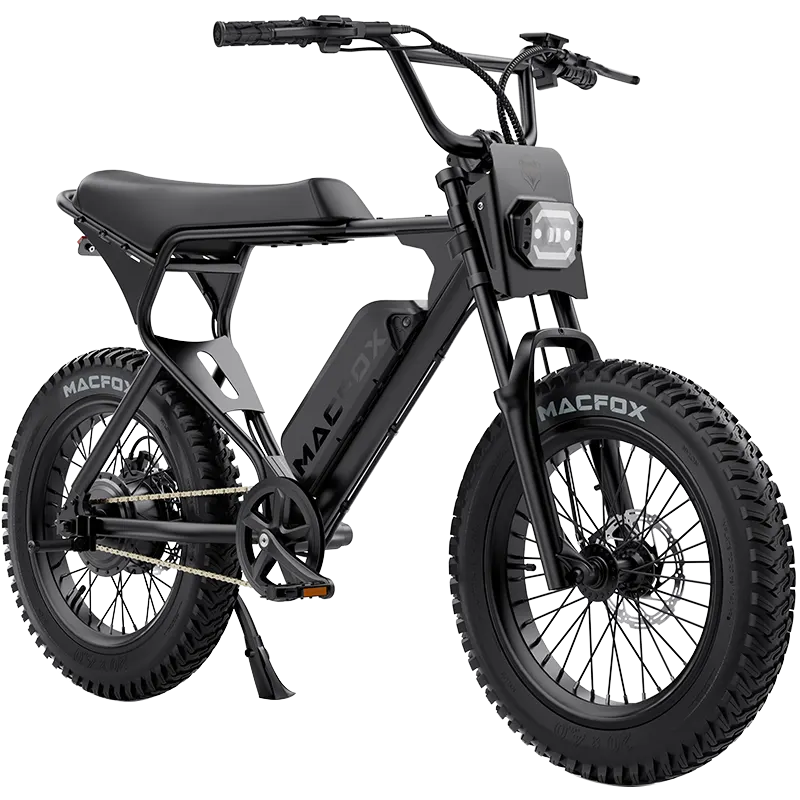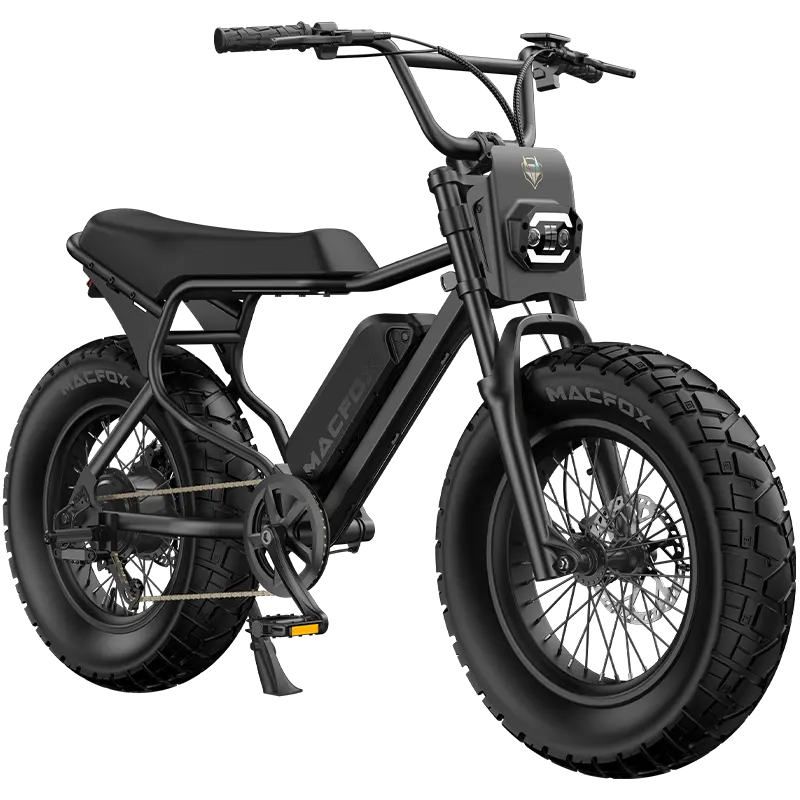

New York approaches e-bike trail access very differently from large, car-centric states. Here, dense cities, state-managed greenways, and legacy rail trails shape how electric bikes are used-and restricted.
For parents riding with teens, or young riders navigating daily travel, the question in New York is rarely about terrain. Instead, it's about how closely trail rules are tied to pedestrian safety and urban management.
This guide explains where electric bikes are typically allowed on trails in New York, using representative locations to show how access works in real, everyday settings across the state.
Urban Greenways and City-Managed Paths (Highly Structured Access)

New York's most recognizable trail environments are city-managed greenways, especially in dense metro areas where walking, cycling, and micromobility overlap.
Representative New York examples include:
-
The Hudson River Greenway in New York City
-
The Belt Parkway Greenway in Brooklyn
-
Lakefront shared paths in Buffalo
These paths are designed primarily for daily movement, not recreational speed. As a result, access rules are clearly defined and actively enforced.
In most New York cities:
-
Class 1 e-bikes are generally treated like bicycles
-
Class 2 e-bikes may be restricted on certain greenways
-
Class 3 e-bikes are often excluded from shared paths
Because these routes carry heavy foot traffic, rider behavior and speed matter as much as the bike itself.
Rail Trails and Regional Greenway Systems (Popular but Regulated)
Outside dense city cores, New York is known for its extensive rail-to-trail network, much of it overseen by state or regional authorities.
Representative systems include:
-
The Erie Canalway Trail, spanning multiple regions of the state
-
The Empire State Trail, connecting urban centers and rural communities
These trails are generally built for non-motorized transportation, and bicycles are a core part of their design.
According to official guidance:
-
Electric bicycles are typically allowed where bicycles are allowed, unless a specific restriction is posted
-
Local managing authorities may impose additional rules in high-traffic segments
Because these trails pass through towns, parks, and mixed-use corridors, rules can change along the same trail depending on jurisdiction.
Official reference:
-
Empire State Trail (New York State)
New York State Parks (Selective Trail Access)

New York State Parks manage a wide variety of natural areas, and trail access for e-bikes is intentionally conservative.
Across the state park system:
-
Bicycles are permitted only on designated trails
-
Electric bikes are typically evaluated case by case
-
Many trails prioritize hiking, skiing, or equestrian use
State park guidance emphasizes that trail designation matters more than the bike type itself. Even traditional bicycles may be excluded from narrow or environmentally sensitive trails.
Official reference:
-
New York State Parks - Bicycle Use - https://parks.ny.gov/recreation/biking/
For families and young riders, state parks in New York are better approached as road-based or designated-path riding areas, rather than open trail systems.
Federal Land and Protected Areas in New York (Limited Access)
While New York has less federal land than western states, federally protected areas still follow strict trail classifications.
In these environments:
-
Trails designated for hiking or foot travel typically exclude e-bikes
-
Electric bicycles are usually limited to roads open to vehicles
-
Access must be explicitly permitted
This mirrors federal management practices nationwide and reinforces the importance of checking trail designation before riding.
General reference:
-
National Park Service - E-Bike Policy
How E-Bike Class Influences Trail Access in New York

Trail managers in New York rely heavily on classification and speed expectations, especially in shared pedestrian environments.
| Trail Environment | Class 1 | Class 2 | Class 3 |
| City greenways | Common | Limited | Rare |
| Rail trails | Common | Conditional | Rare |
| State park trails | Limited | Rare | No |
| Federal trails | No | No | No |
Because of this structure, riders often plan routes that combine greenways, bike lanes, and local streets, rather than relying on trail access alone.
Using Electric Bikes Around New York Trails (Practical Patterns)
In New York, electric bikes are most often used as urban and regional connectors, not trail-exclusive vehicles.
Common real-world patterns include:
-
Riding greenways between neighborhoods
-
Connecting rail trails with town bike networks
-
Using ebikes to reduce fatigue on longer daily routes
Within these permitted environments:
-
Macfox X1S ebike fits structured greenways where predictable pedal assist and controlled speeds support shared use.
-
Macfox M16 ebike works well for families riding short segments near schools, parks, and residential paths.
-
Macfox X7 ebike supports longer corridor riding along rail trails and multi-mile connectors, where comfort matters more than off-trail capability.
These models are best used within New York's clearly designated cycling infrastructure, rather than on restricted natural trails.
What New York Riders Should Check Before Entering a Trail
Before riding any trail in New York, riders should:
-
Confirm whether the path is city-managed, state-managed, or federally protected
-
Review posted trail rules, especially on greenways
-
Expect tighter enforcement in high-density areas
These checks are especially important in New York, where pedestrian traffic is high and rules are actively enforced.
Final Takeaway: New York Trail Access Is Infrastructure-Driven
In New York, e-bike trail access reflects urban density and safety priorities more than geography.
-
City greenways are structured but accessible
-
Rail trails allow e-bikes with local variations
-
State parks are selective
-
Federal trails are usually restricted
Understanding these New York-specific patterns helps parents and young riders choose routes that fit both the law and the realities of shared space.